Places
The Lionheart’s Legacy
You have likely encountered representations of Richard the Lionheart in various forms of media, including films, literature, and video games. Officially recognized as Richard I, he ascended to the throne of England on September 3, 1189, and is celebrated as one of the most esteemed rulers in English history. His legacy, however, is woven with threads of bravery, intrigue, and controversy, rendering him a figure as captivating as any from the realm of fantasy. This is the tale of Richard the Lionheart—the monarch who achieved legendary status.
By A História2 years ago in History
Bent Pyramid Egypt’s 4,600 Year Old Architectural Marvel
Bent Pyramid Egypt’s 4,600 Year Old Architectural Marvel A Unique Pyramid That Stands Out in History Egypt is home to some of the world’s most breathtaking ancient structures with each pyramid telling a unique story. Among them one pyramid stands out due to its unusual shape the Bent Pyramid built nearly 4,600 years ago for Pharaoh Sneferu. Unlike the traditional pyramids this one has a noticeable bend in its structure making it one of the most fascinating architectural wonders of ancient Egypt. Initially considered a structural flaw the pyramid’s bend actually reflects the ingenuity and adaptability of ancient Egyptian architects. Modifications were made during construction to ensure the pyramid's stability ultimately making it a landmark of experimental architecture in human history. The Bent Pyramid is located in Dahshur south of Cairo,l and stands 101 meters 331 feet tall.
By Adnan Rasheed2 years ago in History
Top 10 Famous Places in the World
1. The Great Wall of China (China) One of the most iconic landmarks in the world, the Great Wall of China stretches over 13,000 miles across northern China. Originally built as a defense system, it is now a symbol of China's rich history and architectural ingenuity. Tourists can visit various sections of the Wall, with some parts being more preserved than others, offering awe-inspiring views of the surrounding landscapes. 2. The Eiffel Tower (France) Located in Paris, the Eiffel Tower is a symbol of French culture and innovation. Built in 1889 for the World's Fair, it was initially criticized but has since become one of the most recognized structures globally. Visitors flock to its observation decks for stunning panoramic views of the City of Light. At night, the Eiffel Tower sparkles, creating a magical atmosphere. 3. Machu Picchu (Peru) Nestled high in the Andes, Machu Picchu is a stunning ancient Incan city that dates back to the 15th century. The site was abandoned after the Spanish conquest and remained hidden for centuries. Today, it is a UNESCO World Heritage Site and one of the most visited archaeological sites in the world, offering a glimpse into a fascinating culture and remarkable stonework. 4. The Pyramids of Giza (Egypt) The Pyramids of Giza, especially the Great Pyramid, are among the Seven Wonders of the Ancient World. Located near Cairo, these massive structures were built as tombs for pharaohs over 4,000 years ago. Their sheer scale and mysterious construction methods have puzzled historians and continue to attract visitors eager to witness the grandeur of ancient Egypt. 5. The Colosseum (Italy) Located in the heart of Rome, the Colosseum is an ancient amphitheater that once hosted gladiatorial contests and public spectacles. This marvel of Roman engineering could hold up to 50,000 spectators and is a testament to the empire's might and architectural skill. Today, it stands as a symbol of Rome's imperial past and attracts millions of visitors each year. 6. Taj Mahal (India) The Taj Mahal, located in Agra, India, is a symbol of eternal love. Built by Emperor Shah Jahan in memory of his beloved wife Mumtaz Mahal, this marble mausoleum is known for its stunning architecture and symmetrical gardens. It is one of the most visited monuments in the world and has been recognized as a UNESCO World Heritage Site. 7. The Grand Canyon (USA) The Grand Canyon in Arizona is one of the most awe-inspiring natural wonders on Earth. This massive canyon, carved by the Colorado River, stretches 277 miles and reaches depths of over a mile. Its vibrant red and orange rock formations create an almost otherworldly landscape, attracting millions of visitors annually to hike, raft, or simply take in the views. 8. Christ the Redeemer (Brazil) Standing 98 feet tall atop the Corcovado Mountain in Rio de Janeiro, the Christ the Redeemer statue is an iconic symbol of Brazil. With outstretched arms, the statue overlooks the city and the bay below. This monumental figure represents Christianity and is one of the New Seven Wonders of the World. Visitors can take a funicular ride up the mountain to see the breathtaking views. 9. Sydney Opera House (Australia) The Sydney Opera House is an architectural masterpiece that is easily recognized by its distinctive sail-like design. Located on the Sydney Harbour, it hosts a wide range of performances, from operas and ballets to concerts and theater. Its location, combined with its unique design, makes it one of the most photographed buildings in the world. 10. Santorini (Greece) Santorini is a stunning island in the Aegean Sea, known for its white-washed buildings with blue domes, crystal-clear waters, and volcanic landscapes. The island’s charming villages, such as Oia, are famous for their picturesque sunset views. Santorini's rich history and breathtaking beauty make it one of the top destinations in Europe. These places are not only famous for their cultural, historical, or natural significance, but they also offer an unparalleled experience to travelers, leaving a lasting impression. Whether you're exploring ancient ruins, marveling at architectural wonders, or immersing yourself in natural beauty, these destinations are must-see locations for any world traveler.
By Shamsudduha shipu2 years ago in History
The Greatest Empires of the Medieval Era. AI-Generated.
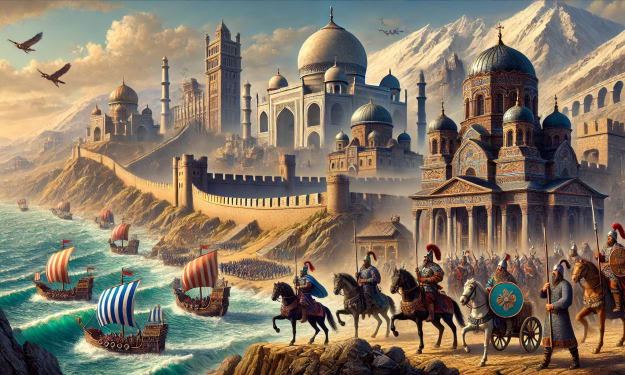
The medieval era, also known as the Middle Ages, spanned from approximately 500 CE to 1500 CE. It is sometimes referred to as the “Dark Ages,” a term often associated with a perceived lack of scientific, cultural, and technological advancement. This period of history falls between the fall of the Roman Empire and the rise of the Italian Renaissance, which heralded the beginning of the modern era. Contrary to popular belief, however, this millennium was not devoid of progress, and several great empires flourished during this time, shaping the course of world history. In fact, many of the empires that thrived during the medieval period played a crucial role in advancing knowledge, technology, and culture.
By Ahmed mohsin2 years ago in History
The Legendary Founding of Rome. AI-Generated.
After the brutal war between the Trojans and the Greeks ended with the fall and sack of Troy, the Trojan hero Aeneas, son of Venus and Anchises, gathered the surviving Trojan people and set out on a long and arduous journey in search of a new homeland. Guided by destiny and the will of the gods, Aeneas and his followers endured many hardships, sailing across the seas and encountering various lands before finally arriving in Italy. Along the banks of the Tiber River, Aeneas took Lavinia, the daughter of Latinus, king of the Latins, as his wife. To honor his new bride and cement his place in the land, Aeneas founded a city, which he named Lavinium after her.
By Ahmed mohsin2 years ago in History
Saturday Night 2024 Movie Review: Bold, Beautiful, and Beyond Expectations!
Introduction: The world of cinema is always brimming with new films that promise to make a lasting impact. But once in a while, a movie comes along that not only meets but exceeds every expectation. That film is Saturday Night 2024. With a buzz that began long before its official release, this movie has captivated audiences with its boldness, beauty, and cinematic mastery. In this review, we’ll take a deep dive into every aspect of Saturday Night 2024, exploring how it has redefined modern filmmaking. From its stunning visuals to its emotional depth, Saturday Night 2024 is a film that goes beyond what anyone could have expected.
By QuirkTales2 years ago in History
Ancient Strategy Games of Roman Soldiers The Fascinating Discovery of Bone Tokens in Hadrianopolis.
Ancient Strategy Games of Roman Soldiers The Fascinating Discovery of Bone Tokens in Hadrianopolis. The Roman civilization was not only known for its grand architecture powerful armies and advanced legal systems but also for its recreational activities intellectual exercises and strategy based games. For Romans games were not just a pastime they were an essential means of mental training tactical thinking and strategic planning. During the Roman era various types of games were popular including physical sports gambling and board games based on strategy. For soldiers stationed in military camps and fortresses such games were indispensable as they helped sharpen their intelligence strategic skills and decision making abilities.
By Adnan Rasheed2 years ago in History
The Life of Tutankhamun
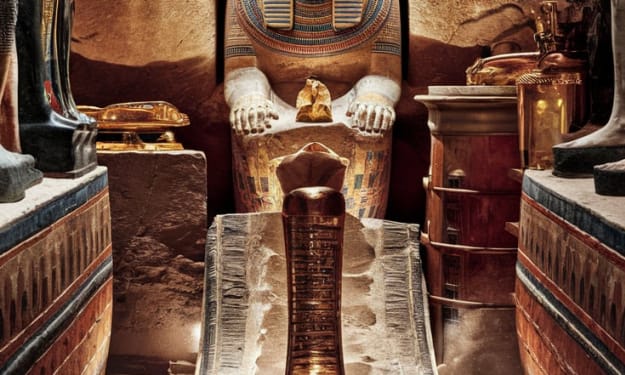
Tutankhamun, one of the most famous pharaohs of ancient Egypt, has fascinated historians and archaeologists for decades. His nearly intact tomb, discovered in 1922 by Howard Carter, revealed a treasure trove of artifacts that provided invaluable insights into Egypt’s 18th Dynasty. This book explores his life, reign, and the mystery surrounding his death.
By Nada soliman2 years ago in History
The Enigmatic Origins of the Israelites
The quest for origins has always been a driving force for humanity. From the dawn of consciousness, humans have sought to answer the fundamental question: Where do we come from? For many, the answer lies in a blend of myth, history, and faith. Among the most fascinating and enduring stories of origin is that of the Israelites, a people whose legacy has shaped the course of history, religion, and culture. Their story is one of mystery, resilience, and transformation, woven together by ancient texts, archaeological discoveries, and the enduring power of belief.
By A História2 years ago in History
The History of the Greek Language A Journey Through Time
The History of the Greek Language A Journey Through Time The Greek language holds a unique and unparalleled position in the history of human civilization. With a documented history spanning over 3,400 years it is one of the oldest living languages in the world. Its influence on the development of European and other languages as well as its role in shaping philosophy science literature and culture makes it a cornerstone of human intellectual achievement. The Greek language’s continuous evolution from its ancient roots to its modern form reflects its resilience and adaptability making it a fascinating subject of study for linguists historians and cultural enthusiasts alike.
By Adnan Rasheed2 years ago in History
Translate this Ancient Script and Earn $1 Million.
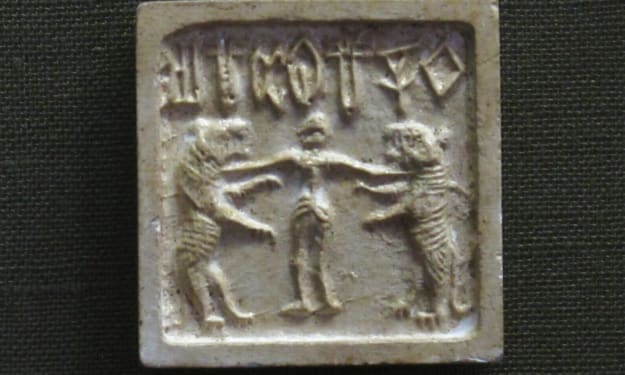
Translate this Ancient Script and Earn $1 Million This tablet is a classic example of the Indus script. A short sequence of symbols is displayed above an image in this case a bull and an unidentified object. Flourishing in the fertile plains of the Indus River the Indus Valley was home to one of the world's earliest urban civilizations. Between 3300 and 1700 BC the Indus people constructed remarkable cities such as Mohenjo daro and Harappa which featured the first urban sanitation systems advanced agricultural methods extensive trade networks and intricate art. Yet they left behind numerous mysteries. Who were these people and why did they abandon their sprawling cities. What form of governance did they have which facilitated meticulous urban planning but left no traces of palaces temples or monuments. One of the most significant challenges in understanding the Indus people is their written language. While it is likely they had one this remains a topic of debate. These questions are not only crucial for archaeologists and historians but also intersect with various political and cultural issues in the region.
By Adnan Rasheed2 years ago in History
World’s Fastest Military Aircraft After 6th Gen Fighter China Looks To Outdo The U.S With Its Super fast Turbojet Engine
World’s Fastest Military Aircraft After 6th Gen Fighter China Looks To Outdo The U.S With Its Superfast Turbojet Engine China is making remarkable progress in its defense capabilities and has now successfully completed ground testing of an advanced turbojet engine which could potentially power the world’s fastest military aircraft. This engine is not only capable of achieving extreme speeds but also operates efficiently and stably using cutting edge Artificial Intelligence (AI) technology. This development is part of China's long term goal to establish its air superiority. Until now the world’s fastest operational military aircraft was the SR 71 Blackbird capable of reaching Mach 3.2 approximately 3,900 km/h or 2,400 mph. This aircraft served as a highly strategic asset for the U.S. Air Force before being retired in 1999. Now China is working on an aircraft that could surpass Mach 4 approximately 4,900 km/h or 3,000 mph potentially outperforming the SR 71 Blackbird and presenting a significant challenge to the U.S. Air Force.
By Adnan Rasheed2 years ago in History