Perspectives
The World Revolution Stage: From Ancient Times to the Present
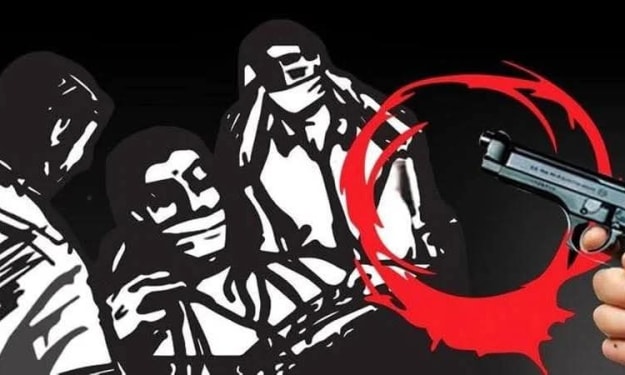
Throughout history, revolutions have played a pivotal role in shaping the course of human civilization. From the earliest uprisings in ancient societies to modern political and social movements, the stage of world revolution has evolved in complexity, scale, and impact. These revolutionary waves—whether sparked by political oppression, economic disparity, religious conflict, or a desire for freedom—have reshaped borders, overthrown empires, and transformed societies. This article explores the progression of world revolutions from ancient times to the modern age.
By MD BILLAL HOSSAINabout a year ago in History
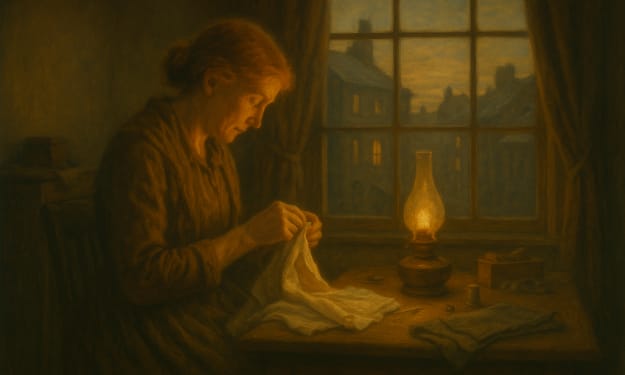
Her Name was Brigid
No one says her name now. Not in the books, not in the archives, not in the proud lists of pioneers or labor leaders or even mothers who endured. The dust has done its work. The world turned, and Brigid O’Rourke was left behind, like an old coat forgotten by a backdoor.
By Ellie Hoovsabout a year ago in History
The Sacred Masquerade: How Rome Forged Christianity from Ancient Myths to Rule the World
How Rome Forged Christianity from Ancient Myths to Rule the World I. The Illusion Begins There’s a peculiar silence in Vatican City, not the holy kind, but the kind that feels like a secret buried beneath centuries of polished marble. It was there, in that moment, that I began to truly ask: Was Christianity ever meant to be what it became?
By The Secret History Of The Worldabout a year ago in History
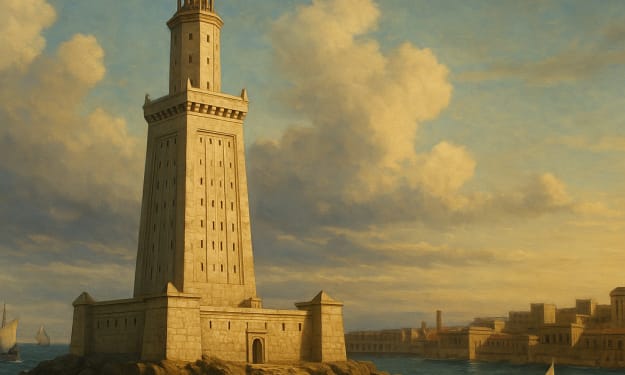
The Lighthouse of Alexandria: An Ancient Greek Engineering Marvel. AI-Generated.
The Lighthouse of Alexandria: An Ancient Greek Engineering Marvel The Lighthouse of Alexandria, also known as the Pharos of Alexandria, was one of the greatest architectural and engineering achievements of the ancient world. Built on the small island of Pharos, just off the coast of the city of Alexandria in Egypt, this magnificent structure guided sailors safely to port for centuries. It was so iconic and important that it earned its place among the Seven Wonders of the Ancient World.
By Adnan Rasheedabout a year ago in History
12,000-Year-Old Rock Carvings Baffle Researchers: Echoes of a Lost Civilization
Stones That Speak Across Time In the shifting sands of time, some stories are not told in books. They are carved in stone, hidden beneath the soil, and waiting. Beneath layers of earth and centuries of silence, a forgotten voice has emerged, etched into massive stones over 12,000 years ago. These rock carvings, now brought to light, are not only ancient, they are impossible.
By The Secret History Of The Worldabout a year ago in History
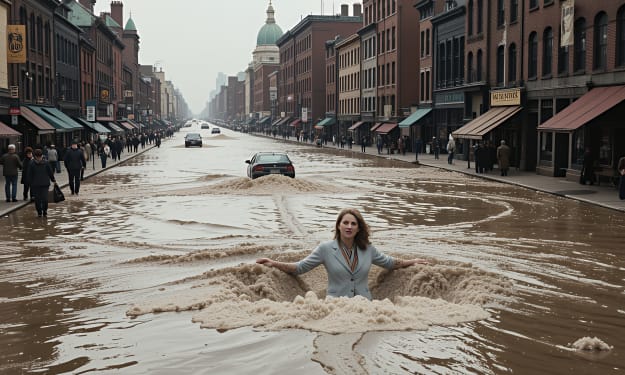
🍯 The Great Molasses Flood of Boston, January 15, 1919: A Sticky Catastrophe That Swept Through the Streets and Caused Multiple Fatalitie
🌇 Part 1: Boston at Boiling Point - The City Before the Flood To understand how a flood of molasses could destroy part of a city and take lives, we must first travel back to Boston in the winter of 1919 - a city full of contradictions, opportunity, and unrest. The Great War had just ended in November 1918, and like many American cities, Boston was adjusting to the uneasy transition from wartime industry to peacetime life. Amid economic shifts, labor strikes, political radicalism, and the tail-end of a deadly flu pandemic, tension simmered in the air.
By History Seekerabout a year ago in History
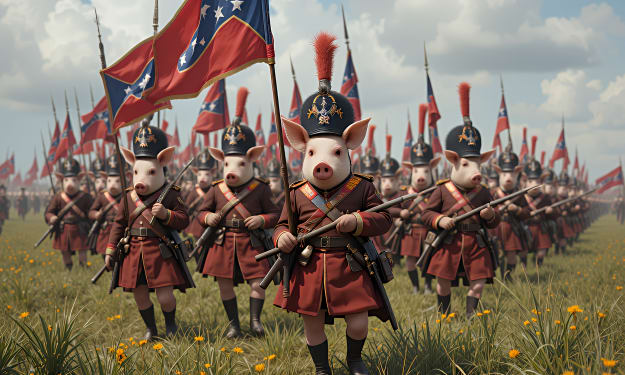
🐖The Pig War on the US–Canada Border, 1859: A Territorial Dispute Triggered by the Killing of a Single Pig
🏞 Part 1: A Snoutful of Trouble - The Pig That Started It All In the otherwise quiet and pastoral June of 1859, San Juan Island - then an unsettled jewel in the Pacific Northwest's emerald crown - became the unlikely battleground for a bizarre territorial standoff between two of the world's most powerful nations: the United States and Great Britain. San Juan Island, lush with cedar forests, rugged coastlines, and fertile grazing fields, was inhabited by a small but tense mix of British employees of the Hudson's Bay Company and independent American homesteaders drawn west by the promise of land and opportunity.
By History Seekerabout a year ago in History
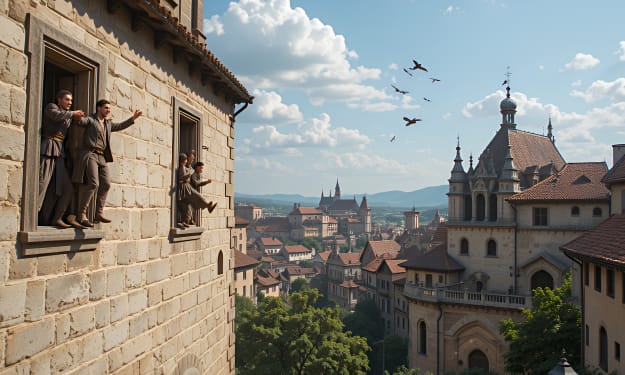
🏰The Defenestrations of Prague, 1419 and 1618: Political Assassinations by Throwing People Out of Windows That Sparked Wars
Part 1: Introduction - What Is a Defenestration? The term defenestration may sound peculiar to modern ears, but it holds a deeply significant place in European history - particularly in the Czech lands. Derived from the Latin words de- ("down from" or "away") and fenestra ("window"), defenestration simply means the act of throwing someone out of a window. Though seemingly straightforward, this term encapsulates a rare yet dramatic form of political violence that became emblematic of Prague's turbulent religious and political struggles during the late Middle Ages and the early modern period.
By History Seekerabout a year ago in History
🐇The Great Rabbit Panic of 1730: When Fluffy Bunnies Terrorized England
Part 1: The Quiet Before the Storm - England's Peaceful Countryside In the early 1700s, England's countryside was a patchwork of farmland, pastures, and sleepy villages, where life revolved around planting, harvesting, and simple village traditions. Potatoes were becoming a staple crop, slowly reshaping the British diet. For many, farming was a steady, if humble, livelihood - season after season of sowing seeds, tending fields, and reaping crops.
By History Seekerabout a year ago in History
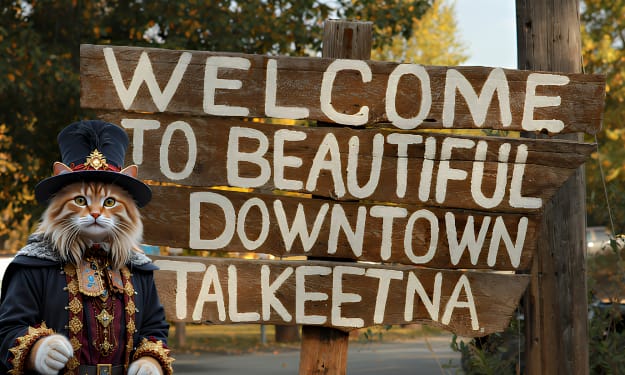
😺Stubbs the Cat: The Legendary Mayor Who Ruled an Alaskan Town with a Purr (1997–2017)
I. Welcome to Talkeetna: Where the Unusual Is the Norm Deep in the icy heart of Alaska, at the confluence of three rivers and nestled under the towering shadow of Denali, lies the quirky town of Talkeetna - a place that proudly marches to the beat of its own drum. It isn't just remote. It's the kind of offbeat outpost that feels as if it were plucked from a Coen Brothers film and plopped into reality. Talkeetna doesn't do things the normal way, and the locals wouldn't have it any other way.
By History Seekerabout a year ago in History
The Pepsi 349 Scandal: How a Marketing Error Sparked Riots and Deaths in the Philippines
In 1992, PepsiCo launched an ambitious promotional campaign in the Philippines called "Number Fever" to boost its market share against Coca-Cola, which dominated with a 75% market share compared to Pepsi’s 17%. The campaign promised life-changing prizes, including a grand prize of one million pesos (approximately $40,000 USD), in a country grappling with widespread poverty. However, a catastrophic printing error turned this marketing stunt into a national crisis, leading to riots, at least five deaths, numerous injuries, and billions of dollars in potential liability. This article delves into the campaign’s mechanics, the error that sparked chaos, the violent fallout, and the long-term consequences for Pepsi in the Philippines.
By Doctor Strangeabout a year ago in History