Narratives
The Keeper of Memories
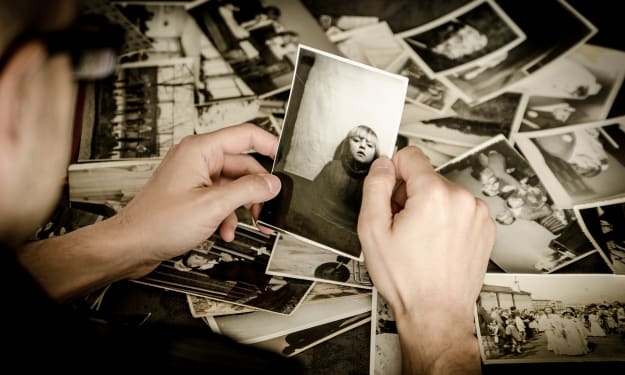
The Keeper of Memories In the small town of Albury, nestled between rolling hills and quiet lakes, lived an elderly man named Thomas. For as long as anyone could remember, Thomas had been the town’s unofficial historian. He was not a historian in the formal sense; he held no degrees, no scholarly titles. But what he did possess was an irreplaceable gift for remembering and storing the memories of people who had once lived, loved, and left their mark on the town. Thomas ran a modest shop called “Keepsakes & Memories.” Inside, every wall, shelf, and drawer was filled with items that held pieces of Albury’s history—worn letters, faded photographs, ticket stubs from a fair long past, tiny trinkets with stories only Thomas seemed to know. The townsfolk would bring him their cherished possessions, knowing they’d be safe with him, held in his careful, gentle hands. But it wasn’t only objects Thomas stored; it was the emotions, the stories, the moments frozen in time. People would often visit the shop not to buy anything, but to listen. They would ask him, “Thomas, tell us about the night of the Great Storm,” or “What was the Winter Ball like in ‘68?” And Thomas would begin, his voice soft and low, weaving tales that pulled at the heart. However, there was one particular story Thomas hadn’t shared with anyone—the story of how he became the keeper of memories. It was a story that lived in his heart, quietly shaping the man he had become. Years ago, when Thomas was a young man, he’d been married to a woman named Eleanor. She was his light, his laughter, his everything. Together, they’d dreamed of traveling the world, of writing their own history in places far and wide. But life, as it often does, had different plans. Eleanor fell ill, a cruel, relentless sickness that no doctor could cure. As her health faded, so did their dreams of distant lands and grand adventures. During her last days, Eleanor asked Thomas to promise her one thing. “Keep our memories, Tom,” she’d whispered, her hand clasped weakly in his. “Promise me you’ll remember all the small things—our picnics by the lake, our late-night talks, that silly dance we made up.” Thomas, choking on his tears, promised her he would. And as Eleanor slipped away, he felt a hollow emptiness settle in his heart, one he feared would never be filled. After Eleanor’s passing, Thomas found himself lost. He wandered through days in a fog of grief, unsure of how to keep the promise he’d made. But then, one afternoon, he stumbled upon an old wooden box Eleanor had kept on her vanity. Inside were tiny treasures—a dried flower from their first date, a ticket stub from their favorite movie, a small, handwritten note that simply read, “Forever yours.” It was in that moment Thomas understood: memories needed a home. They needed a place to rest, to be remembered, to be safe from the winds of time. So he began collecting not just his memories but those of the town, creating a space where moments were preserved, cherished, and kept alive. One evening, as Thomas sat alone in his shop, a young boy entered. He couldn’t have been more than ten, with tousled hair and eyes that held a sadness Thomas recognized all too well. The boy placed a small, battered toy car on the counter. “Can you keep this safe for me?” he asked, his voice barely a whisper. Thomas looked at the boy, understanding without needing to ask. He nodded, gently placing the toy on a special shelf he’d reserved for things of great importance. And as the boy left, Thomas promised himself that the toy car, and the story it held, would always have a place in his collection. From then on, people brought him more than just trinkets; they brought him pieces of their souls. A young widow handed him her husband’s pocket watch, a reminder of every second they’d spent together. An elderly woman entrusted him with a silk scarf, a gift from a love long lost but never forgotten. And each time, Thomas stored not only the objects but the emotions bound to them. As years went by, the shop became known as the heart of Albury. People who had moved away would send packages with letters that read, “For Thomas. Please keep it safe.” Children who had grown up listening to his stories would visit with their own mementos, placing their memories in his care. And Thomas, true to his word, kept each one safe. But Thomas’s time was growing short. His hands, once steady and sure, now trembled as he handled the fragile memories left in his care. One cold winter’s day, as he sat by the window, he realized it was time to pass the legacy on. He looked around the shop, at the countless pieces of love, loss, and laughter he had collected, and wondered who could continue this work. That evening, he called Clara, a young woman who had grown up listening to his stories. Clara had always been drawn to the shop, spending hours there as a child, mesmerized by Thomas’s tales. When she arrived, Thomas took her hand, placing the key to the shop in her palm. “This shop isn’t just a collection of things,” he told her, his voice a soft murmur. “It’s a collection of lives, of memories that need a place to live on. I’ve done my part, but now it’s time for someone else to keep them safe.” Clara, with tears in her eyes, understood the weight of what Thomas was entrusting her with. She nodded, promising to honour his legacy, to keep the memories alive. When Thomas passed away, the entire town mourned. People filled the small shop, leaving behind letters, flowers, and mementos of their own. Clara watched as the town remembered the man who had stored their memories, who had given their lives a place to be remembered, preserved in kindness. Years later, as she sat behind the counter, a young child walked into the shop, clutching a small, worn-out teddy bear. Clara took it gently from him, her heart swelling with the familiar weight of a new story. She smiled, placing the bear on the shelf, knowing that Thomas’s legacy lived on. And so, the little shop in Albury remained—a keeper of memories, a place where stories never faded, where every trinket, photograph, and letter was held in a special space. It was more than a habit of storage; it was a testament to love, to remembrance, and to the quiet, powerful promise of keeping memories alive.
By Dipak Pawar2 years ago in History
A Conversation, Part One:
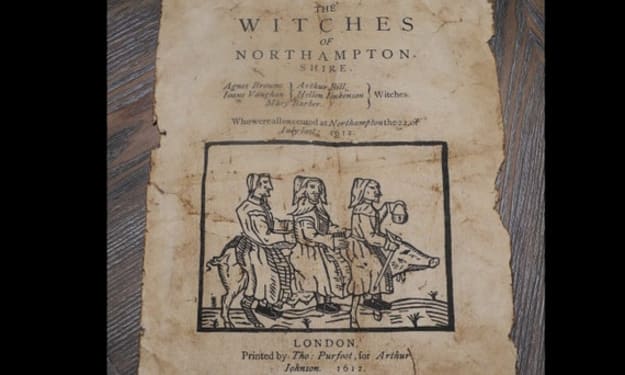
With just the introductions made by the producer of Soul, Ellis Haizlip, I was immediately taken aback. Every time I hear, watch, or read something from the past made by Black people, I feel a sense of belonging and how amazing it must have been to live in and experience that time. It is quite "duh" that slavery and fatal oppression were an enormous smear on the whole thing, so really, I speak of these past century fantasies and aspirations in imagination, without the impossible-to-survive circumstances we were dealt, either by the greater forces out there or, according to the Blackroots books by an anonymous author - the circumstances we dealt out to ourselves. The Blackroots books can be spoken of through a multitude of audio, visual, and written pieces, hopefully coming in the future of my work.
By Mmakgobane2 years ago in History
The Mysterious Heritage of the Anasazi
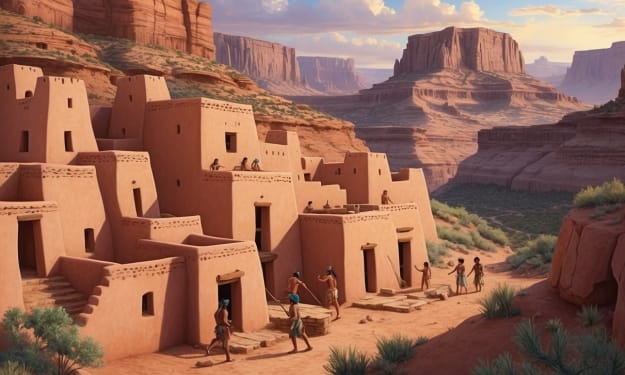
Throughout the course of human history, societies have typically flourished in regions characterized by plentiful water, food resources, and natural defenses. However, certain groups have demonstrated remarkable success in environments that would be deemed nearly uninhabitable by contemporary standards. One notable example is the Anasazi, also known as the Ancestral Puebloans, a Native American culture that thrived over a millennium ago in the arid terrains of the American Southwest. Through remarkable ingenuity, the Anasazi constructed stone and adobe settlements on cliff faces and plateaus, establishing an architectural and cultural heritage that continues to captivate historians and archaeologists to this day.
By A História2 years ago in History
The Evolution of History: Understanding Our Past for a Better Future
History is not merely a collection of dates and events; it is a comprehensive narrative that weaves together the experiences, struggles, and triumphs of humanity. As we delve into the study of history, we find not only a record of our past but also a framework that shapes our identity and informs our future. This article explores the evolution of history as a discipline, its significance, and the lessons it imparts for contemporary society.
By Marius Lungu2 years ago in History
Pelagius of Asturias
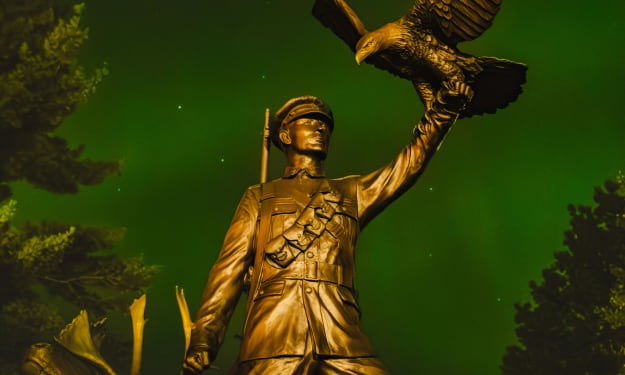
The narrative of Spain is characterized by extraordinary accounts of perseverance, leadership, and endurance. Among its initial heroes was Pelagius of Asturias, referred to as Pelayo in Spanish. Despite his humble origins, he rose to prominence as a revered king and emblem of defiance against the Moorish invasion of the Iberian Peninsula. The significance of Pelagius' tale lies in its initiation of the lengthy Reconquista, a Christian effort to reclaim territories governed by Muslim authority.
By A História2 years ago in History
Majestic Dorothy Heights
Majestic Dorothy Heights: Crowned Mother of Equality Capturing Dorothy Height's Essence and Legacy: I was not familiar at all with Queen Dorothy Heights. I was prepping Rosa Parks, Angela Davis, Fannie Hamer, and a few other friends for the imaginary overdue presidential inauguration in my mind. At the time she arrived, I was actually studying and listening to all the poets who had attended and performed at previous presidential inaugurations when she was integrated into my dome and mentioned on computer scenes conversation.
By Denelsia Walker2 years ago in History
The Fall of the Visigothic Kingdom in the Iberian Peninsula
The Visigothic Kingdom, which reigned as a formidable power over the Iberian Peninsula for almost three hundred years, experienced a sudden and dramatic decline in the early 8th century. The dissolution of this kingdom represented a crucial turning point in European history, paving the way for the Islamic expansion into Europe and initiating a lengthy and intricate narrative for the Iberian Peninsula, ultimately leading to the Reconquista many centuries later. This article explores the circumstances that contributed to the downfall of the Visigothic Kingdom, the significant figures involved, and the enduring impact of this historical event.
By A História2 years ago in History