Narratives
Orpheus
In the realm of Greek mythology, many musicians and poets honored the deities and legendary figures, yet none could compare to Orpheus. The son of Calliope, the muse of epic poetry, and Apollo, the god of music and prophecy, Orpheus possessed an extraordinary voice and remarkable musical abilities. He inherited a captivating voice from his mother and the divine skill of lyre playing from his father. When Orpheus played his lyre, animals became silent, plants danced to his melodies, and even the most hardened souls were moved. However, Orpheus was not just a masterful musician; he was also a hero of exceptional bravery. Orpheus became a member of Jason and the Argonauts during their famed expedition to retrieve the Golden Fleece. His musical talents were crucial, helping the crew navigate through dangerous challenges. When the enchanting song of the Sirens posed a risk of leading the Argonauts to their demise, Orpheus responded by playing his own melody, overpowering their deadly allure and securing a safe journey. Upon his return from his journeys, Orpheus became profoundly enamored with Eurydice, a woman captivated by the beauty of his music. Their love was celebrated, yet foreboding signs loomed over their relationship. On the day of their wedding, ominous warnings suggested a troubled future ahead. Tragedy struck when Eurydice, in an attempt to escape the advances of an unwanted suitor, Aristaeus, was bitten by a poisonous snake and ultimately succumbed to her injuries.
By A História2 years ago in History
The History of the Printing Press and Its Global Impact. AI-Generated.
The History of the Printing Press and Its Global Impact The invention of the printing press stands as one of the most transformative moments in human history. This ground-breaking technology not only revolutionised the way knowledge was shared but also acted as a catalyst for profound societal, cultural, and intellectual shifts. The printing press changed the trajectory of global communication and continues to shape our world even in the digital age.
By Mutonga Kamau2 years ago in History
The 19 Statues of Honor: A Deeper Look at the Korean War Memorial
The Korean War Veterans Commemoration in Washington, D.C., which was devoted in 1995, commemorates the penances and endeavors of a differing bunch of American, Korean and other Joined together Countries powers who battled for three a long time in what numerous in the U.S. allude to as the "Overlooked War.”
By Shams Says2 years ago in History
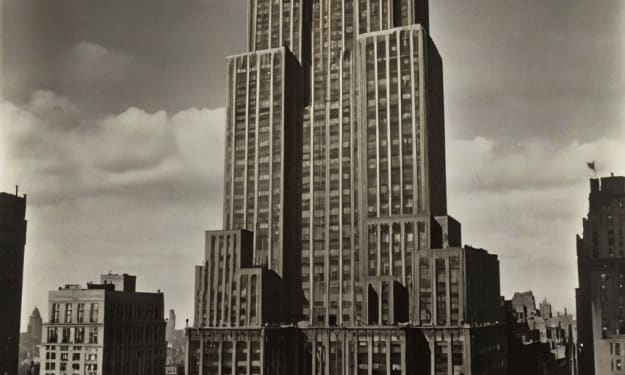
A Tower Built in Time: The Record-Breaking Speed of the Empire State
On a brief list of the world’s most celebrated structures, the Realm State Building draws a few 2.5 million guests a year and remains a magnum opus of the Craftsmanship Deco-type design that thrived in Unused York City in the 1920s.
By Shams Says2 years ago in History
Life in the Trenches: The Invention of Blood Banks During World War I
Blood from blood banks is routinely utilized for life-saving transfusions and strategies. And, like numerous therapeutic propels, the innovation for blood transfusions and managing an account was created amid wartime—when each diminutive checks and lives are on the line.
By Shams Says2 years ago in History
Vampires Reimagined: Nosferatu’s Enduring Influence on the Undead
He’s one of the most recognizable vampires in the world, but do you know his title? No, it isn’t Check Dracula from Bram Stoker’s 1897 novel. It’s Tally Orlok—the pale, bare, pointy-eared vampire from the 1922 German quiet film Nosferatu: A Ensemble of Frightfulness, which was itself an unauthorized adjustment of Dracula.
By Shams Says2 years ago in History
Ellis Island’s Trailblazers: The First and Final Immigrants
For much of its early history, a three-acre spit of sand arranged in Unused York Harbor fair south of Manhattan was known for small more than its copious clam beds. Named Small Shellfish Island, it would in the long run be extended to nine times its unique estimate, take on a modern title after its 18th century proprietor Samuel Ellis—and gotten to be the nation’s to begin with and biggest government movement preparing station.
By Shams Says2 years ago in History
Broken Waters: The Untold Story of the St. Francis Dam Tragedy
Without further ado some time recently midnight on Walk 12, 1928, the ground north of Los Angeles begun to roll. Houses trembled. Windows shaken. Mixed wakeful by a yapping puppy, Chester Smith listened trees and utility posts snapping in the separate. In spite of the fact that a minor tremor had shaken California’s San Francisquito Canyon two days prior, the farmer knew this was no earthquake—but a man-made catastrophe. Having survived a surge in the past, Smith hustled unshod to higher ground whereas yelling to his family, “The dam is broke!”
By Shams Says2 years ago in History