Medieval
Pyramid Power: Unveiling the Mysteries of Ancient Egypt's Monumental Marvels
The Great Pyramids of Giza stand as enduring monuments to human ingenuity and ambition, captivating our imagination for millennia. As the sole survivor of the original Seven Wonders of the Ancient World, these colossal structures continue to mystify and inspire. But the story of Egypt's pyramids is far richer and more complex than many realize.
By Daisy Kebaso2 years ago in History
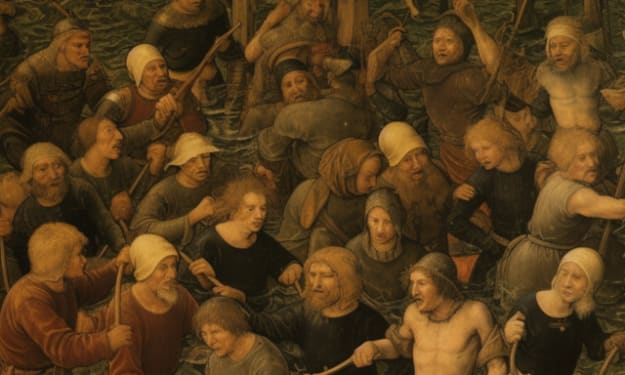
The Erfurt Latrine Disaster: A Catastrophic Medieval Tragedy
In the annals of history, there are disasters that shock us with their scale, destruction, and human suffering. The Erfurt latrine disaster of 1184 is one such catastrophe, unique in its gruesome and revolting nature. Occurring in a time when medieval cities grappled with poor infrastructure and sanitation, this disaster stands out not only for its horror but also for its sheer absurdity. The incident in Erfurt, a city that was remarkably advanced for its time, serves as a grim reminder of the perils faced by even the most developed medieval urban centers. Erfurt: A City Ahead of Its Time In 1184, Erfurt was a thriving city located in what is now Germany. Known for its strategic location and prosperous trade, Erfurt had developed beyond the typical medieval city's standards. It boasted structured streets, a functioning market, and significant buildings that spoke of its importance. However, like many cities of its era, Erfurt struggled with the universal challenge of waste management. The latrine systems of the time, while innovative, were far from foolproof. The Gathering of Nobles On July 26, 1184, Erfurt played host to a meeting of high-ranking nobles and officials. Convened by King Henry VI, the purpose of this assembly was to mediate a dispute between Louis III, Landgrave of Thuringia, and Conrad of Wittelsbach, Archbishop of Mainz. The meeting took place in the bishop's palace, a grand building that unfortunately was built over a large latrine system. As the nobles gathered in the audience chamber on the first floor, the room quickly became overcrowded. The combination of the weight of the attendees and the aging infrastructure of the palace would soon prove to be disastrous. The Catastrophic Collapse Without warning, the wooden floor of the audience chamber gave way under the immense pressure. In an instant, over 100 nobles and officials plummeted into the cesspit below. This pit, a part of the palace's latrine system, was filled with human waste. The fall not only caused immediate injuries but also subjected the victims to the horrifying experience of being submerged in excrement. The chaos that ensued was unimaginable. The initial collapse caused a panic, with those who were not directly affected scrambling for safety. The unfortunate nobles trapped in the cesspit faced a dire situation, struggling to breathe and move in the filth. Rescue efforts were hampered by the hazardous conditions and the overwhelming stench. Many of the victims drowned or succumbed to their injuries and the toxic environment. The Aftermath and Historical Impact The Erfurt latrine disaster claimed the lives of numerous nobles and officials. Exact numbers vary, but it is estimated that over 60 individuals perished in the tragedy. Among the dead were some of the most influential figures of the time, which only amplified the disaster's impact. In the immediate aftermath, Erfurt and the surrounding region were thrown into turmoil. The loss of so many nobles in a single event created a power vacuum and led to political instability. King Henry VI's reputation also suffered, as the disaster occurred during an assembly he had called. The event highlighted the inherent dangers of medieval architecture and the pressing need for better infrastructure and waste management solutions. The Legacy of the Erfurt Latrine Disaster The Erfurt latrine disaster is remembered not just for its grim and grotesque nature but also for the lessons it imparted about urban planning and public health. It underscored the importance of structural integrity in buildings and the necessity of effective waste management systems. While it took centuries for modern sanitation practices to develop fully, disasters like the one in Erfurt were early indicators of the critical need for such advancements. In a broader historical context, the disaster serves as a poignant reminder of the fragility of human endeavors. Even the most powerful and influential individuals of the time were not immune to the perils of their environment. The incident in Erfurt is a stark example of how a single moment of infrastructural failure can lead to widespread devastation and loss of life. Conclusion The Erfurt latrine disaster of 1184 remains one of history's most shocking and revolting tragedies. The collapse of the bishop's palace floor, plunging over 100 nobles into a cesspit of human waste, is a vivid illustration of the challenges faced by medieval cities. Despite Erfurt's relative advancement for its time, the disaster highlighted the limitations of contemporary infrastructure and sanitation. As we reflect on this grim chapter in history, we are reminded of the ongoing importance of urban planning, structural safety, and public health. The lessons learned from Erfurt's catastrophe have echoed through the centuries, influencing the development of safer and more sanitary living conditions in cities worldwide. The tragedy, while horrific, has contributed to our understanding of the vital need for robust and effective infrastructure, ensuring that such a disaster is never repeated.Start writing...
By Deji Akomolafe2 years ago in History
Keto Diet Plan for Weight Loss
If you've been exploring weight loss options, you've likely stumbled upon the keto diet. But what exactly is it? The keto diet, short for ketogenic diet, is a high-fat, low-carbohydrate eating plan designed to shift your body's metabolism away from carbohydrates and towards fats. This shift helps your body enter a state known as ketosis, where it burns fat for fuel instead of glucose.
By Koka nssar2 years ago in History
The Sunken Symphony of Echo Bay
Nestled along the rugged coastline of New England, the town of Echo Bay has long been a haven for artists and musicians seeking inspiration from its misty shores and haunting beauty. But beneath the picturesque facade lies a discord that has simmered for nearly a century, waiting for the right moment to crescendo into chaos.
By Daisy Kebaso2 years ago in History
Top 10 MIND-BENDING Secrets of Machu Picchu That Will Make You Rethink Everything
Hello fellow adventurers, Machu Picchu, the legendary Inca citadel nestled high in the Andes Mountains of Peru, has long captured the imagination of historians, archaeologists, and curious travelers alike.
By Vimal Jadon2 years ago in History
"Midnight Ritual: A Midsummer Night of Secrets and Sacrifice"
How do we move approximately it? The organization, inclusive of three men and one boy, shifted uneasily around a bonfire that sputtered sparks in the bone-chilling drizzle. A few hefty stones sat amid the flames. They thought about the attempt it took to get the fireplace entering into this weather. Someone sniffed, a person coughed. They all felt cold and uneasy, status at the brink of the fields sprawling in front of them at dusk, with their backs to the dripping birches surrounding the cemetery.
By Nada soliman2 years ago in History
The Dawn of Tomorrow: A Journey into the Future
In the year 2124, the world was a vastly different place from the one we know today. The streets hummed with the quiet efficiency of electric vehicles, and the skies were dotted with flying drones delivering everything from groceries to medical supplies. Buildings towered higher than ever before, their sleek designs a testament to human ingenuity and technological advancement. Amidst this bustling metropolis, a young girl named Mia stood on the balcony of her family's apartment, gazing out at the city of New Aurora.
By ODS ACADEMY2 years ago in History
The Myth of the Lone Wolf
There's a tempting charm to the possibility of the solitary individual. The picture of a lone figure, depending entirely on their own solidarity and creativity to accomplish significance, has pervaded stories and societies for a really long time. This conviction - that achievement is ensured by going solo - is many times romanticized, yet as a general rule, it's a recipe for seclusion and, as a rule, stagnation.
By Iftikhar Akram2 years ago in History