Lessons
Flag Day: celebrating the stars and stripes and the freedom of expression
That the flag of the United States shall be of thirteen stripes of alternate red and white, with a union of thirteen stars of white in a blue field, representing the new constellation. — Adopted by the Continental Congress on June 14, 1777.
By Suzy Jacobson Cherry3 years ago in History
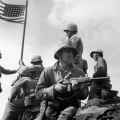
Remembering World War II: A Visual Journey Through History. Content Warning.
Introduction: World War II remains a defining chapter in human history, profoundly shaping nations and leaving an indelible mark on the world. This blog takes you on a visual odyssey through the pivotal moments that defined the global conflict. Through a curated collection of high-resolution images, we will immerse ourselves in the raw emotions and historical significance of World War II. From iconic battles and courageous soldiers to the devastation of cities and the triumph of Allied forces, each photograph captures a fragment of this monumental event.
By HISTORY TELLER3 years ago in History
The Truth About Life After Death
Exploring the Enigma: The Truth About Life After Death Introduction Since ancient times, people have been fascinated by the idea of life after death, which has sparked discussions, sparked spiritual beliefs, and sparked existential concerns. The existence that goes beyond the limits of mortality? We'll take a provocative voyage into the mystique of the afterlife in this post. We seek to enlighten the riddles surrounding the potential for life after death by examining numerous viewpoints, philosophical insights, religious doctrines, and scientific hypotheses.
By Abdul Wahab3 years ago in History
The beautiful hearts of Nurses
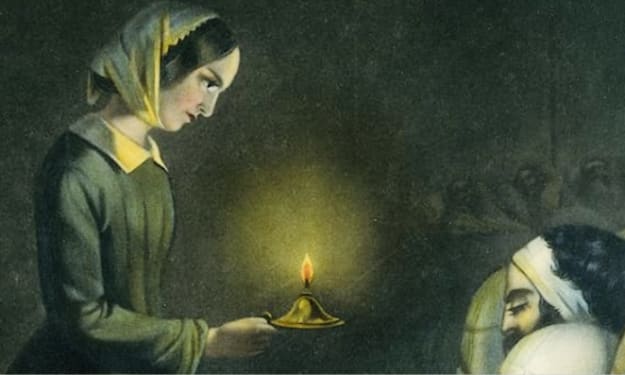
The Nightengale Training School for Nurses - St. Thomas Hospital, London. Est.1860. Established on 9 July 1860 by Florence Nightingale, the founder of modern nursing, it was a model for many similar training schools through the UK, Commonwealth and other countries for the latter half of the 19th century. It is primarily concerned with the education of people to become nurses and midwives.
By Novel Allen3 years ago in History
İSTANBUL
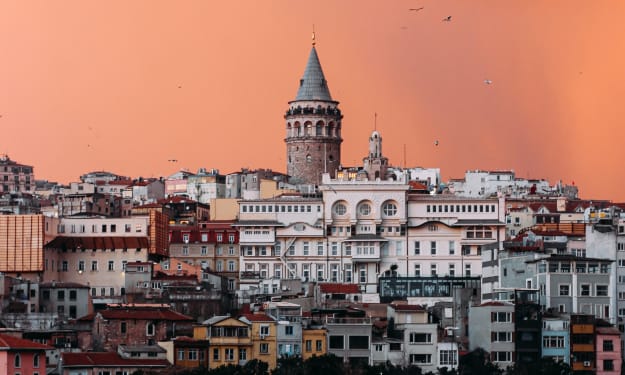
The history of Istanbul goes back thousands of years, but the first known settlement dates back to BC. It took place in the 7th century. At that time, there was a city-state called Megara among the city-states in the ancient Greek peninsula. These city-states were the most advanced states of that period economically and culturally. One of the most important reasons for their economic development is their colonization efforts. Byzas, the king of the city-state of Megara, went to the temple of Apollo (the god of wisdom in Greek mythology) in Delphi to find a new colony and consulted the oracle about the most suitable place to colonize. The oracle tells him that he must go to the lands opposite the land of the blind.
By MUHARREM KARADAĞ3 years ago in History
The Children's Hope
In the heart of Johannesburg, South Africa, stood a magnificent statue of Nelson Mandela, towering over the bustling city streets. Its presence was more than just a mere monument; it held a profound emotional resonance for those who passed by, especially the young children who gazed up at it with wide-eyed wonder. Among these children was Lwazi, a bright and determined young girl from a township on the outskirts of the city. She had heard stories of Nelson Mandela and his unwavering commitment to justice and equality. Inspired by his legacy, Lwazi dreamed of a future where every child, regardless of their circumstances, had access to quality education. Each day, Lwazi would walk past the statue on her way to the overcrowded school in her township. She would pause for a moment, her small hand touching the cold bronze surface, as if seeking a connection to the visionary leader whose ideals she admired. The statue seemed to radiate an energy that whispered to her heart, fueling her dreams and aspirations. Despite the challenges she faced, Lwazi was determined to make a difference. She had seen firsthand the lack of resources in her school, the worn-out textbooks, and the overcrowded classrooms. But she refused to be disheartened. She believed that education held the key to a brighter future, not just for herself, but for all the children in her community. With a spark of inspiration ignited by the statue, Lwazi embarked on a mission to create change. She rallied her classmates, and together they formed the "Children's Hope" group. Their goal was to advocate for better educational opportunities and resources, not only for their own school but for all the schools in their township. The journey was not easy. Lwazi and her friends faced resistance and skepticism, but they were undeterred. They wrote letters to local officials, organized peaceful protests, and even performed plays and dances to raise awareness about the importance of education. They saw themselves as the torchbearers of Mandela's vision, carrying his message of hope and equality into the future. Word of their efforts spread, reaching the ears of a local journalist who was captivated by their passion and determination. She decided to tell their story, shining a spotlight on the Children's Hope group and their quest for better education. The article caught the attention of a philanthropic organization committed to supporting grassroots initiatives. Moved by the children's unwavering dedication, the organization reached out to Lwazi and her friends, offering their assistance. They provided much-needed school supplies, renovated classrooms, and established a scholarship program to ensure that talented students could pursue their education without financial barriers. As the township schools transformed, so did the hopes and aspirations of the children. They no longer felt like mere bystanders, but active participants in shaping their own future. The statue of Nelson Mandela served as a constant reminder of the change they could bring, igniting a fire within their hearts that burned brighter with each passing day. Years later, Lwazi stood before the statue once again, but this time as a young adult. Her dreams had become a reality. She had pursued higher education, becoming a teacher and advocate for quality education in disadvantaged communities. Looking up at the statue, she whispered words of gratitude to the man who had inspired her journey. The statue of Nelson Mandela stood tall, its presence a testament to the power of hope, determination, and the unwavering belief in the potential of every child. It represented not just a historical figure, but a symbol of the dreams and aspirations of countless children who dared to envision a better future. As Lwazi turned to leave, she knew that her journey was far from over. She would continue to work tirelessly, guided by the spirit of Mandela and the belief that every child deserved the opportunity to learn
By Hamzat Shamsudeen3 years ago in History
Lost in Translation: A Magical Encounter with an Ancient Language
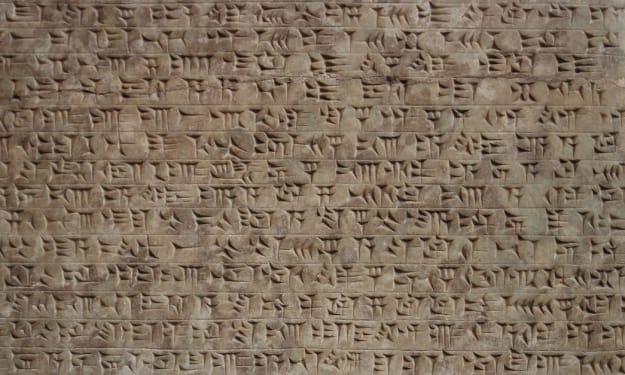
Imagine the thrill of stumbling upon an ancient manuscript, its pages adorned with intricate symbols and cryptic writings that have remained a mystery for centuries. As you immerse yourself in the study of this forgotten language, a portal to a bygone era opens before you, revealing a world steeped in ancient civilizations, lost wisdom, and profound insights. With each step of this linguistic exploration, you unravel the threads of history and embark on a magical journey through time, encountering the remnants of a once-flourishing language that has been obscured by the sands of time. Join us on this captivating expedition as we unlock the secrets of an ancient language, resurrecting its forgotten words and breathing life into its enigmatic symbols. Let us traverse the realms of the past and delve into the profound wisdom that lies dormant within these ancient texts, forging a connection with a world that was lost but is now found once more.
By Eview Nicks3 years ago in History