General
The Price of the American Dream: What I Learned on July 4th
The Price of the American Dream: What I Learned on July 4th 📖 Story: The Price of the American Dream: What I Learned on July 4th Since I was a child, I had only one wish—to see America on its Independence Day. Not because I wanted money, or to escape, or even for citizenship. It was deeper than that. I grew up in a village where the electricity would often vanish during dinner, where freedom meant not being noticed by the wrong people, and where silence was safer than honesty. But in America… they lit the sky with fireworks to celebrate being free. The First Spark I first saw the fireworks on a cracked YouTube screen in a small internet café. The video was titled: “July 4th Fireworks Over Washington DC – 2020.” The sky exploded with red and gold. People cheered. Kids waved flags. There was music and freedom in the air. That was the moment I made a quiet promise to myself: > “One day, I will see it with my own eyes.” The Journey to a Dream In 2024, I won a U.S. visitor visa through an education program. I had written an essay called “The Meaning of Freedom in My Village.” To my surprise, someone read it—and gave me a chance. On July 2nd, 2024, I stepped off a plane in New York City. My hands shook. And when I saw the American flag waving above JFK airport, I quietly whispered: > “Freedom, I am here.” The Moment I Waited For I stood near the Lincoln Memorial as families gathered, waving flags, smiling. A little girl gave me a mini flag and said, “Happy Fourth!” Then the fireworks began. The sky cracked open. The sound, the colors—it all hit my chest like thunder. My heart swelled with something I had never fully felt before. > Hope. The Shift But then… something changed. A man nearby, in military gear, said into his phone: > “Look at that guy—probably from some terrorist country. Watching us like he’s spying.” He was pointing… at me. People looked at me differently. The girl’s family quietly stepped away. One man gripped his bag tighter. Another whispered something behind me. No one stopped me. But in that moment, I felt completely alone The Realization Back in my room, I sat with the flag the girl gave me and thought deeply. > Freedom is not a show. It’s a struggle. Even in America, people fight—for equality, for justice, for identity. Some welcome you. Some fear you. But everyone is free to choose. That’s what makes it beautiful—and difficult. Thank You, America I stayed two more weeks. I met kind people. Visited libraries and museums. I saw a country that’s not perfect—but still filled with dreamers. > America is not a dream. It is millions of people dreaming differently. Now, when I think of July 4th, I smile—not for the lights, but for what I learned: > Freedom is not given. It is felt. It is fought for. And sometimes feared.
By Ali Asad Ullahabout a year ago in History
“The Fireworks Distraction: What Really Happened on July 4th?”. AI-Generated.
“The Fireworks Distraction: What Really Happened on July 4th?” While the sky lit up in red, white, and blue—something else was happening in the shadows. And no one noticed. ery year on July 4th, Americans look up at the night sky, hearts pounding with patriotism, as fireworks burst across cities and small towns alike. The music swells, children cheer, and families hold their loved ones close. But in 2025, while the nation was distracted by the dazzling lights above… something was happening far below. Something no one was meant to see. It began with a power surge. At exactly 9:04 p.m. Eastern Time, grids in over a dozen U.S. cities flickered—not off, not fully—just enough to register as a blip. Most people blamed the fireworks. The surges were dismissed as routine overloads. But in the hidden layers of the internet, in forums without names and servers without locations, messages began to surface. > “They moved tonight. Behind the show.” No one took it seriously. Until the blackouts started. At 9:27 p.m., three substations in Virginia, Colorado, and California went offline. Then again in Oregon, then Georgia. In total silence. No explosion. No storm. Just gone. The media stayed quiet. Officials blamed “routine maintenance.” But a few journalists, ex-military tech experts, and rogue analysts began connecting the dots. Among them was Emerson Vail, a former cybersecurity operative who once worked for DARPA before vanishing off the map. He had seen these signs before—brief blackouts, timed precisely, used as cover for infrastructure intrusions. And this time, they were happening on Independence Day. A day when no one would be watching the ground. Emerson's encrypted blog post, published under the pseudonym “IronSoul”, began to trend in the dark web: > “This isn’t random. It’s a test. They’re crawling inside the backbone of the country while everyone is too busy looking up.” Most dismissed him as paranoid. But 12 hours later, a freight train carrying classified military hardware derailed in Utah. The cause? A remote signal tampering with the track switches—technology that shouldn’t even exist in the public sphere. And again, no one claimed responsibility. By July 6th, over 32 incidents had been reported across the U.S.—small, targeted attacks on transportation, energy, and communication systems. All subtle. All surgically precise. > The war hadn’t started. It had simply moved into the shadows. Emerson was contacted by Claire Rivas, an independent reporter based out of Detroit, who had been chasing a strange trail of missing security personnel and deactivated government IDs. She had found something even more unsettling—someone was scrubbing digital footprints of key defense contractors. Identities were being deleted. Records vanished. Entire teams were being erased from existence. She met Emerson in a diner lit only by battery-powered lanterns, after yet another mysterious grid failure. He looked older than she expected. Haunted. Like a man who had already lived through the end of the world and never told anyone. “What are they planning?” she asked. He didn't answer. Instead, he slid her a flash drive with one chilling file name: Operation F.L.A.G. Inside the file were redacted plans, but one phrase kept repeating: > “The illusion of celebration masks the rehearsal of collapse.” Emerson believed it wasn’t an enemy country. Not directly. He believed this was the work of a private military syndicate, built on stolen AI and cyber-espionage tools—contracted by powers beyond flags and borders. Their plan? To simulate a domestic collapse, trigger civil panic, and offer “restoration solutions” for a price. But something had gone wrong. The rehearsal had become real. Someone had flipped the switch too early. And America was still watching the fireworks. By July 8th, two nuclear facilities reported unauthorized drone incursions. Communication logs were wiped. Yet no emergency was declared. Claire tried to alert the public, but her live feeds were cut, her accounts suspended. All while patriotic parades replayed on national television. The illusion remained perfect. Until July 9th. That’s when The Silence began. Phones wouldn’t connect. GPS pointed in reverse. Credit cards declined. Major news sites went dark. There was no explosion, no virus—just absence. A carefully coordinated blanking of the digital world. Emerson and Claire disappeared. No one knows where they went. But one final video, recorded and scheduled to upload the moment The Silence started, was found buried on an offshore data node: > “The war has already begun. But it’s not with guns or bombs. It’s with whispers. With shadows. And the Fourth of July was just the curtain call. We celebrated freedom… while it was quietly taken from us.” The video ends with grainy footage of fireworks. Bright, beautiful, and blinding. No one knows who fired the first shot. No one knows who the real enemy is. But one thing is certain: > While the nation looked up… something crawled up from below. --- End
By Ali Asad Ullahabout a year ago in History
Heracleion: Egypt's Sunken Secret: The City the Gods Forgot
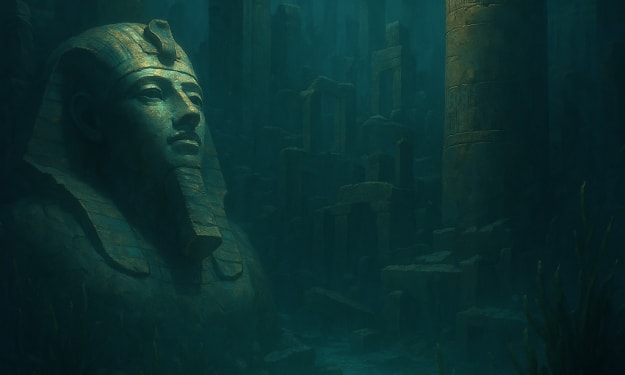
Beneath the Waves, a City Sleeps Located off the coast of modern-day Alexandria, at the meeting point of the Mediterranean's azure waters and the northern edge of Egypt, lies a forgotten city. Sunken beneath the waves for over a thousand years, Heracleion, known as Thonis by the Egyptians, was once a gleaming jewel of ancient power, wealth, and divine mystery.
By The Secret History Of The Worldabout a year ago in History
Miracle on the Hudson 🛬
On January 15, 2009, US Airways Flight 1549 took off from New York's LaGuardia Airport. The plane had 155 people onboard and was heading to Charlotte, North Carolina. Everything seemed normal for the first few minutes—until disaster struck. Just after takeoff, the plane hit a flock of geese. Both engines failed. Suddenly, the aircraft was gliding through the sky with no power. Panic filled the cabin, and people feared the worst. But something remarkable was about to happen. The Calm Pilot at the Controls Captain Chesley “Sully” Sullenberger was the pilot in command. With years of flying experience, he stayed incredibly calm under pressure. Co-pilot Jeff Skiles also remained focused. They had seconds to decide what to do. Returning to the airport wasn’t possible—the plane was too low. Landing on a road or open space in the crowded city wasn’t safe either. That’s when Sully made a bold decision: to try an emergency landing in the Hudson River. A Dangerous Landing in the Water The river was icy and wide. A water landing is extremely rare and dangerous, especially for a large passenger jet. Still, Captain Sully carefully guided the plane toward the surface. Passengers braced for impact. Incredibly, the aircraft touched down smoothly on the river, like a boat skimming across the water. It didn’t break apart. It didn’t flip. Everyone stayed inside, shaken but alive. Surviving the Cold and Waiting for Help As the plane floated in the freezing Hudson, passengers had to escape quickly. Water was seeping in, and temperatures were close to freezing. People stood on the wings, held onto life rafts, or climbed onto rescue boats. Ferries, police boats, and helicopters rushed to help. The fast response from local authorities and nearby vessels saved lives. In the end, all 155 people survived. Only a few were injured, and none seriously. Why It Became Known as the ‘Miracle on the Hudson’ The landing was so unexpected and perfectly executed that many people called it a miracle. But it wasn’t just luck. It was the result of quick thinking, calm under pressure, great teamwork, and excellent training. Captain Sully was praised around the world as a hero. He later said that everyone onboard helped in some way—from the co-pilot to the flight attendants to the passengers themselves. What We Can Learn from This Story The Miracle on the Hudson teaches us many things. First, staying calm during a crisis can make a big difference. Captain Sully’s calm attitude helped save lives. Second, teamwork matters. The pilots, crew, and passengers worked together to survive. Third, proper training prepares people for the worst. Sully had practiced many emergency landings in flight simulators. When the real moment came, he was ready. A Story That Still Inspires People Today More than a decade later, people still talk about the Miracle on the Hudson. Movies and documentaries have been made about it. Captain Sully became a symbol of courage and professionalism. But more than anything, this story shows that even in the worst situations, hope and quick action can lead to survival. It's a powerful reminder that heroes can rise when we least expect them—and that miracles sometimes come from experience and heart, not just luck. The Miracle on the Hudson remains a symbol of how expert training, calm leadership, and human courage can turn tragedy into triumph. Today, people from all over the world still watch videos of the landing and feel inspired. It reminds us that even in moments of total chaos, hope can rise. Stories like this teach us that sometimes, the most impossible situations bring out the very best in people.
By Echoes by Imadabout a year ago in History
USA VS IRAN WAR 2025. Content Warning.
In June 2025, the Middle East witnessed a brief but intense conflict between Iran, Israel, and the United States, marking a significant escalation in long-standing regional tensions. The 12-day war, primarily driven by Israeli and U.S. military actions against Iran’s nuclear facilities, reshaped geopolitical dynamics and raised global concerns about the potential for broader conflict. This article provides an overview of the events, key points, and underlying reasons for the confrontation, drawing on recent developments.
By Abubakar Khanabout a year ago in History
The Eternal Flame of Persia
Iran, once known as Persia, is a land where the sands of time whisper tales of ancient empires, divine kings, poets, and revolutions. Its history spans over 2,500 years, marking it as one of the oldest continuous civilizations in the world. This is the story of a nation that has risen, fallen, and risen again—an eternal flame burning bright through centuries of glory, invasion, and transformation.
By NIAZ Muhammadabout a year ago in History
The Day Iceland's Women Brought the Country to a Halt
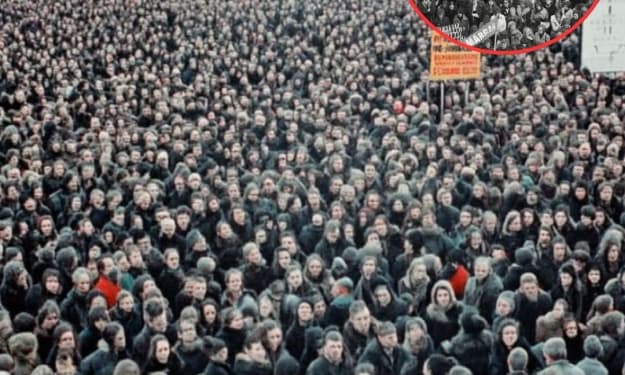
On October 24, 1975, Iceland experienced a day that would go down in history—not just for the nation, but for the global movement for gender equality. In a bold and unprecedented act, 90% of Iceland’s women walked off their jobs, put down their household tools, and refused to care for children. Offices, schools, nurseries, shops, and factories were brought to a near-standstill. Streets filled with women of all ages carrying signs, chanting slogans, and standing shoulder to shoulder in peaceful defiance. This was not just a protest; it was a nation-wide awakening. The event became known as the “Women’s Day Off” (Kvennafrídagurinn in Icelandic), and its impact was immediate and powerful. Organized by a coalition of women's rights groups and supported by grassroots movements, the strike was not just about equal pay. It was about visibility. It was about making the invisible labor of women visible by removing it altogether—for just one day. In 1975, despite Iceland's reputation for being socially progressive, gender inequality remained a deeply rooted issue. Women were paid significantly less than men, had limited representation in politics, and were still expected to carry the full weight of housework and childcare. Though many women worked outside the home, their contributions were undervalued both in the workplace and within the home. The goal of the strike was simple yet profound: show the country what a single day without women looked like. And the country noticed. Airports shut down. Banks closed early. Newspapers couldn’t be printed. Male teachers had to bring their children to school, only to discover they had to return home because there were no female staff to care for the students. Even radio and television programs were disrupted. The burden of unpaid labor—usually shouldered by women—suddenly became very visible to everyone, especially to men who had never considered it before. One of the most remarkable aspects of the strike was its peacefulness and unity. Thousands of women poured into the streets of Reykjavik, with over 25,000 gathering at Arnarhóll hill in the capital city. Considering the country’s population was just around 220,000 at the time, this turnout was monumental. Women from all walks of life—teachers, nurses, shopkeepers, housewives, students—came together in solidarity. Many men supported the cause as well, recognizing that gender equality would benefit the nation as a whole. The strike was so effective that it didn’t just stir public conversation—it sparked legislative and cultural transformation. In the years following, Iceland passed several new laws aimed at improving women’s rights, including stronger protections against workplace discrimination and more support for women in politics and education. But perhaps the most symbolic and lasting effect of that day came five years later. In 1980, Iceland elected Vigdís Finnbogadóttir as its president—the first woman in the world to be democratically elected to lead a country. Her victory wasn’t just a political milestone; it was a direct consequence of the movement that had taken root in 1975. Vigdís herself acknowledged that the Women’s Day Off had made her win possible. The strike had changed public perception, built momentum, and proven that women could lead at the highest level. Her presidency lasted 16 years, making her one of the longest-serving elected female heads of state in history. She became a symbol of progress not only for Iceland but for the world. And her legacy continues to inspire generations of women to take their place in leadership roles. Since then, Iceland has become a global leader in gender equality. It regularly tops the World Economic Forum’s Global Gender Gap Index, and it has implemented forward-thinking policies such as mandatory equal pay certification, generous parental leave for both mothers and fathers, and high representation of women in government and business. October 24 is now commemorated every year in Iceland as Women's Day, reminding the nation of the courage, unity, and power demonstrated on that cold autumn day in 1975. Over the years, women have continued to strike on this day to raise awareness about ongoing gender disparities, showing that the fight is not yet over. The story of the 1975 strike is not just about Icelandic women—it’s about the potential of collective action. It’s about what can happen when people unite around a cause that transcends politics or economics and speaks to the basic human principle of fairness. It proves that when women stop working, the world feels it—and when they stand together, they can change history. What began as a one-day protest became a permanent turning point in the nation’s journey toward equality. It was a moment when women stepped out of the background and into the spotlight—not to ask for change, but to demand it. And they didn’t just demand it—they achieved it.
By DigitalAddiabout a year ago in History
"Badshahi Mosque: A Marvel of Mughal Architecture in Lahore"
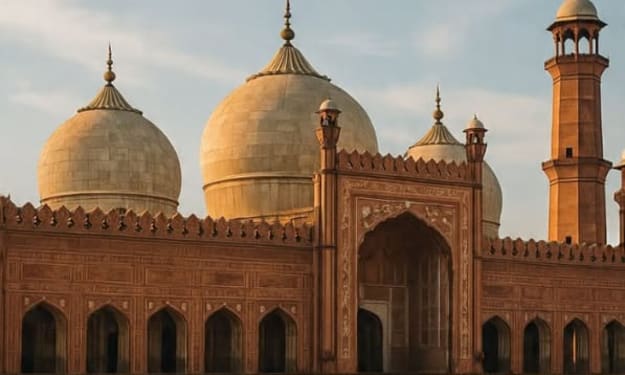
*The Timeless Grandeur of Badshahi Masjid* The Badshahi Masjid, located in the heart of Lahore, Pakistan, is a majestic testament to the architectural and cultural legacy of the Mughal Empire. Built between 1671 and 1673 by Emperor Aurangzeb, this magnificent mosque is a blend of immense scale, intricate artistry, and profound religious significance. As one of the largest mosques in the world, the Badshahi Masjid is an iconic symbol of Lahore's rich history and cultural fusion. *A Marvel of Mughal Architecture* The Badshahi Masjid is a masterpiece of Mughal architecture, showcasing the blend of Islamic, Persian, and Indian styles. Its design is characterized by enormous, meticulously well-planned structures, intricate tile work, calligraphy, and marble inlays. The mosque's architecture is a testament to the cultural and religious legacy of the Mughal Empire, which shaped the Indian subcontinent for centuries. *History and Significance* The Badshahi Masjid was built during the zenith of Mughal power in the late 17th century. Emperor Aurangzeb commissioned the mosque in 1671, and it was completed in just two years. The mosque held the title of the largest mosque in the world from 1673 to 1986, with a human capacity of over 100,000. The Badshahi Masjid is not only a sacred space for prayer and spiritual growth but also a symbol of national identity and cultural heritage. *Architectural Features* The Badshahi Masjid's architectural features are a blend of grandeur and intricacy. Some of its notable features include: - *Red Sandstone Facade*: The mosque's exterior is built using red sandstone, which gives it a distinctive and majestic appearance. - *Towering Domes*: The mosque features three marble domes, with the largest one situated in the center of the mosque. - *Minarets*: The mosque has four octagonal, three-story minarets, each 196 feet tall, topped with marble canopies. - *Intricate Tile Work*: The mosque's interior and exterior feature intricate tile work, calligraphy, and marble inlays. *Cultural and Religious Importance* The Badshahi Masjid holds significant cultural, historical, and religious importance. It is a symbol of Pakistan's rich cultural heritage and a testament to the country's Islamic legacy. The mosque is a popular destination for tourists and worshippers alike, attracting millions of visitors annually. As a UNESCO World Heritage site, the Badshahi Masjid is not only a Pakistani treasure but a monument of global cultural heritage. *Preservation and Conservation* The Badshahi Masjid has undergone several conservation and restoration efforts over the years. The earliest documented conservation work was carried out during the British colonial period in the early 20th century. Today, the mosque is meticulously maintained to preserve its architectural integrity and cultural significance. *A Symbol of National Pride* The Badshahi Masjid is a source of national pride for Pakistanis, representing the country's rich cultural heritage and Islamic legacy. The mosque has played a significant role in the country's history, serving as a symbol of resistance against colonial rule and a beacon of hope for the nation. *A Tourist Destination* The Badshahi Masjid is one of Lahore's most popular tourist destinations, attracting millions of visitors annually. Visitors from around the world come to marvel at the mosque's stunning architecture, intricate tile work, and historical significance. The mosque is also an important site for Muslims, who come to pray and seek spiritual guidance. *Conclusion* The Badshahi Masjid is a timeless symbol of Mughal grandeur of Mughal architecture, showcasing the blend of Islamic, Persian, and Indian styles. Its stunning architecture, rich history, and cultural significance make it an iconic landmark in Lahore and a testament to Pakistan's rich cultural heritage. As a UNESCO World Heritage site, the Badshahi Masjid continues to inspire wonder and awe in visitors from around the world. Its grandeur and beauty are a reminder of the rich cultural legacy of the Mughal Empire and its enduring impact on the region's architecture, art, and culture. *Future Generations* The Badshahi Masjid is not only a treasure of the past but also a legacy for future generations. As a symbol of Pakistan's rich cultural heritage, the mosque serves as a reminder of the importance of preserving our cultural legacy for future generations. By protecting and conserving the Badshahi Masjid, we can ensure that its grandeur and beauty continue to inspire wonder and awe in visitors for centuries to come, forever preserving our history and cultural identity. *Architectural Influence* The Badshahi Masjid's architecture has influenced many other buildings in the region, including the Lahore Fort, the Wazir Khan Mosque,Start writing...
By Shakeel Ahmad about a year ago in History
The Trump Effect: A Journey Through Controversy, Power, and Legacy
In the heart of New York City, among towering skyscrapers and flashing billboards, one name has echoed louder than most: Donald J. Trump. Known initially for his vast real estate empire, Trump built a brand that came to symbolize luxury, wealth, and ambition. Yet, his most audacious venture was not another skyscraper or reality TV show — it was his unexpected leap into the political arena.
By NIAZ Muhammadabout a year ago in History