General
The Enchanting Iara of Brazilian Folklore
In the rich landscape of Brazilian folklore, the figure of Iara stands out with her enchanting presence and poignant backstory. Frequently depicted as a captivating mermaid inhabiting the Amazonian rivers, Iara (also known as Uiara) is an intriguing character in Brazilian mythology, with narratives that have been shared through the ages. Her tale intertwines themes of allure, peril, and enigma, creating a profound impact on Brazilian cultural heritage and oral storytelling. Iara is an enchanting water nymph, often illustrated as a mermaid with flowing dark hair, olive-toned skin, and striking green eyes. Her captivating beauty is said to enthrall anyone who crosses her path, leading many to speculate that she possesses otherworldly abilities. Typically, she is depicted sitting by riverbanks, delicately combing her hair and singing mesmerizing songs that draw in those who listen.
By A História2 years ago in History
US State Capital History Arkansas, California, Colorado
Named for a Stone Outcropping Native Indians were already inhabitants of Central Arkansas for thousands of years before the Europeans arrived. Among the first inhabitants were the Folsom people, Bluff Dwellers and Mississippians. They built earthwork mounds discovered by Spanish explorer Hernando de Soto in 1541.
By Rasma Raisters2 years ago in History
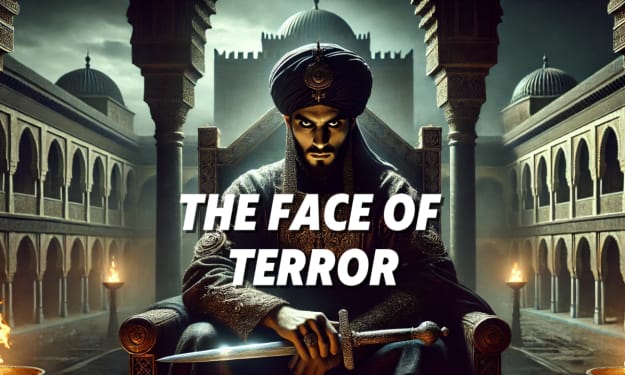
Frightening Facts About Sultan Moulay Ismail Ibn Sharif That Will Blow Your Mind
When it comes to ruthless rulers, Sultan Moulay Ismail Ibn Sharif ranks pretty high up on the list. This 17th-century Moroccan monarch, who ruled from 1672 to 1727, was known for his iron-fisted control, massive army, and, well, a staggering number of children. His reign wasn’t just about governance—it was about absolute dominance, and he used every tool at his disposal, from brute force to strategic diplomacy. Let's dive into the wild and frightening facts about this legendary sultan.
By Marveline Merab2 years ago in History
Queen Hatshepsut
Queen HatshepsutGrandeur and Legacy in Ancient Egyptian History Queen Hatshepsut is considered one of the most influential figures in the history of ancient Egypt, having attained a prominent position among the pharaohs. Her reign, which lasted for over twenty years, demonstrated her exceptional ability to lead and manage during a time when power was often exclusively male. Through her courage and ambition, Hatshepsut left a magnificent legacy that continues to be studied and celebrated to this day.
By Mhmd Fathi 2 years ago in History
Untold Stories from the Mahabharata: Characters Beyond the Battlefield
The Mahabharata is regularly remembered for the grand Kurukshetra battle, the competition among the Pandavas and the Kauravas, and the philosophical discourse of the Bhagavad Gita. However, past the battles and epic clashes, this historical textual content is woven with problematic tales of lesser-recognised characters whose lives make a contribution notably to the richness of the narrative. Each of these characters, in their unique manner, gives insights into human nature, relationships, obligation, and morality. For the ones interested in exploring those fascinating testimonies in detail, a Mahabharata PDF offers a accessible manner to access the epic’s entire memories.
By Alice Potter 2 years ago in History
Carrier Screening: Empowering Parents Through Knowledge Globally
What is Carrier Screening? Carrier Screening is a genetic test that helps identify whether a person carries one copy of a gene for certain inherited disorders. It checks for changes, or mutations, in one or more genes known to cause serious medical conditions that are inherited in an autosomal recessive manner. Autosomal recessive disorders occur when an individual inherits two copies of the altered gene, one from each parent. Being a carrier for a single altered copy does not cause disease symptoms but can increase the risk of passing on the condition to offspring if their partner is also a carrier of the same mutation.
By pooja salve2 years ago in History
The Mysterious Heritage of the Anasazi
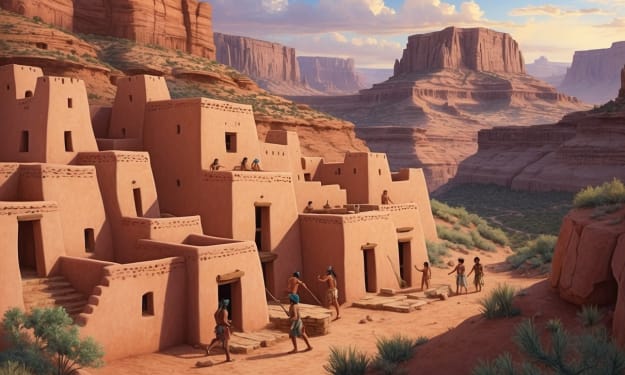
Throughout the course of human history, societies have typically flourished in regions characterized by plentiful water, food resources, and natural defenses. However, certain groups have demonstrated remarkable success in environments that would be deemed nearly uninhabitable by contemporary standards. One notable example is the Anasazi, also known as the Ancestral Puebloans, a Native American culture that thrived over a millennium ago in the arid terrains of the American Southwest. Through remarkable ingenuity, the Anasazi constructed stone and adobe settlements on cliff faces and plateaus, establishing an architectural and cultural heritage that continues to captivate historians and archaeologists to this day.
By A História2 years ago in History