Events
Assassinations of US Presidents: A Look Back at the Tragedies of American History
After the shooting of former President Donald J. Trump Senior (R-Florida) on July 13, 2024, during a campaign speech, there was great consternation. Many questions arise, such as how the shooter was able to get within range of Trump in the first place.
By Marco Röder2 years ago in History
The Great Stink of London: A Noxious Chapter in Victorian History
In the summer of 1858, the city of London experienced a crisis so severe that it brought the British Parliament to a standstill and highlighted the urgent need for modern sanitation. This event, known as the Great Stink, was caused by the overwhelming smell of human excrement emanating from the River Thames. The Great Stink not only revealed the dire state of London's sanitation but also led to transformative changes that would shape the future of urban infrastructure. The Source of the Stench By the mid-19th century, London was the largest city in the world, with a rapidly growing population that had reached over two million. This population boom, combined with industrialization, placed immense pressure on the city's outdated and inadequate infrastructure. The River Thames, once a source of drinking water and a vital transportation route, had become an open sewer. Raw sewage, industrial waste, and refuse were routinely dumped into the river, causing it to become a cesspool of filth and disease. The situation was exacerbated by the use of cesspits and the lack of a proper sewage system. Houses and buildings were equipped with cesspits, which often overflowed, leading to waste being discharged directly into the streets and eventually finding its way into the Thames. The introduction of flush toilets, while a modern convenience, only worsened the problem by increasing the volume of waste entering the river. The Summer of 1858 The summer of 1858 was unusually hot, with temperatures soaring and rainfall scarce. This weather created the perfect conditions for the festering waste in the Thames to release its noxious odors. As the river's water levels dropped, the concentration of sewage increased, leading to an overpowering stench that permeated the city. The smell was so intense that it became unbearable for Londoners, causing widespread discomfort and concern. The Great Stink reached its peak in June and July, and the effects were felt most acutely by those working and living near the river, including members of Parliament. The Houses of Parliament, situated on the banks of the Thames, were directly exposed to the foul odors. Windows had to be draped with curtains soaked in lime chloride to mitigate the smell, but these measures provided little relief. The Impact on Parliament The stench of the Thames became a pressing issue for the government. Parliament was in session, but the unbearable smell made it nearly impossible to conduct business. Members of Parliament (MPs) were forced to adjourn sessions and seek refuge in more distant parts of the city. The dire situation prompted immediate action, as it became clear that something had to be done to address the sanitary crisis. The Great Stink acted as a catalyst for change, prompting MPs to prioritize public health and sanitation. The government, which had previously been reluctant to invest in costly infrastructure projects, now faced mounting public pressure to find a solution. The health implications of the filthy river were undeniable, with outbreaks of cholera and other diseases being linked to the contaminated water supply. The Role of Sir Joseph Bazalgette In response to the crisis, the government turned to an innovative civil engineer, Sir Joseph Bazalgette, to design a comprehensive solution to London's sanitation problem. Bazalgette's plan was ambitious and groundbreaking, involving the construction of an extensive network of sewers to intercept waste before it could reach the Thames. Bazalgette proposed the construction of 1,100 miles of street sewers to channel waste from homes and businesses into main intercepting sewers. These main sewers would then carry the waste away from the city to treatment facilities further downstream, where it could be safely processed and discharged into the river. His design also included pumping stations and embankments to protect the sewers from flooding. Despite the significant cost, the government approved Bazalgette's plan, recognizing the urgent need for a modern sewage system. The construction of the sewers began in 1859 and took over a decade to complete. The project was a monumental engineering feat, involving thousands of workers and vast amounts of materials. The resulting system was not only functional but also aesthetically pleasing, with parts of the infrastructure, such as the Victoria Embankment, becoming iconic features of the city. The Transformation of London The completion of Bazalgette's sewer system marked a turning point for London. The new infrastructure significantly improved the city's sanitation, reducing the incidence of waterborne diseases and eliminating the foul odors that had plagued the Thames. The success of the project set a precedent for urban sanitation systems worldwide, showcasing the importance of proper waste management in densely populated areas. The transformation of the Thames from an open sewer to a cleaner, healthier river had a profound impact on public health and quality of life in London. The city's experience during the Great Stink underscored the critical need for investment in public infrastructure and the role of government in safeguarding the health and well-being of its citizens. Legacy and Lessons The Great Stink of 1858 remains a pivotal moment in the history of public health and urban planning. It serves as a stark reminder of the consequences of neglecting essential infrastructure and the importance of proactive measures to address environmental and health challenges. The event also highlights the capacity for human ingenuity and engineering to solve complex problems and improve living conditions. Today, the legacy of Sir Joseph Bazalgette's work can still be seen in London's sewer system, much of which remains in use. The principles he employed continue to inform modern sanitation practices, and his contributions are celebrated as a key milestone in the development of urban infrastructure. In reflecting on the Great Stink, we are reminded of the ongoing need to prioritize sustainable and effective solutions to urban challenges. As cities around the world continue to grow and evolve, the lessons learned from this historical event remain relevant, emphasizing the importance of maintaining and improving the systems that support public health and environmental sustainability. The Great Stink of 1858 may have been a moment of crisis, but it also became a catalyst for positive change, transforming London and setting an example for cities worldwide. It stands as a testament to the power of innovation and the enduring impact of thoughtful engineering in creating a healthier, more resilient urban future.
By Deji Akomolafe2 years ago in History
The Ghost Ship Mary Celeste: An Enduring Maritime Mystery
The Mary Celeste has captivated imaginations and puzzled historians since it was discovered adrift in the Atlantic Ocean in 1872. This maritime mystery is characterized by its eerie circumstances: the ship was found in pristine condition, with no sign of its crew or passengers. Despite a six-month supply of food and water being untouched, the fate of those aboard remains a mystery. The Mary Celeste was a Canadian-built brigantine, originally named the Amazon when it launched in 1861. After several ownership changes and unfortunate events, it was renamed Mary Celeste in 1869. The ship was captained by Benjamin Briggs, a seasoned mariner. On November 7, 1872, the Mary Celeste departed from New York Harbor, bound for Genoa, Italy, with a cargo of 1,701 barrels of denatured alcohol. On board were Captain Briggs, his wife Sarah, their two-year-old daughter Sophia, and seven crew members. The ship’s story took a dramatic turn on December 5, 1872, when the British brigantine Dei Gratia, under the command of David Morehouse, encountered the Mary Celeste. Morehouse, who was acquainted with Captain Briggs, was alarmed to find the vessel abandoned. Upon boarding the Mary Celeste, the crew of the Dei Gratia found the ship in seaworthy condition, with sails set and no immediate signs of distress. Yet, the ship was deserted. The lifeboat was missing, and one of the pumps had been disassembled. Remarkably, the cargo was largely intact, and there was a six-month supply of food and water. Personal belongings, including clothing and valuables, were left behind, untouched. This discovery set off a wave of theories attempting to explain the disappearance of the Mary Celeste's occupants. One theory posits that pirates attacked the ship, killing or kidnapping the crew and passengers. However, this scenario seems unlikely given the condition of the ship. Pirates would typically loot a vessel, but nothing of significant value was missing from the Mary Celeste. Another hypothesis is that the crew mutinied against Captain Briggs. According to this theory, a conflict arose, leading to violence and the abandonment of the ship. Nonetheless, the lack of evidence of a struggle, combined with Captain Briggs’s reputation as a fair and respected leader, makes this theory less plausible. Furthermore, the crew’s personal belongings were left behind, which would be unusual if they had planned a mutiny. Some have speculated that fumes from the denatured alcohol might have caused panic among the crew. The theory suggests that an explosion or toxic fumes might have forced the crew to abandon ship. However, the ship's cargo was intact, and there was no sign of an explosion. Additionally, the ship’s log did not indicate any problems before the abandonment. Another explanation is that the crew abandoned the Mary Celeste due to a perceived danger or a natural disaster. Some suggest that a water leak or another hazard might have prompted the crew to abandon the vessel in the lifeboat, only for the lifeboat to be lost at sea. Yet, the ship was in good condition when found, and there were no signs of distress or damage that would warrant such a drastic measure. A more recent theory involves the possibility of an accidental or deliberate release of alcohol vapors. It’s proposed that a chemical reaction or a small explosion might have forced the crew to leave the ship, but this theory is contested due to the lack of evidence of such an event. Despite extensive investigations and inquiries, no definitive explanation for the Mary Celeste's abandonment has been found. The mystery of the ghost ship endures, with theories ranging from the plausible to the fantastical. The Mary Celeste remains a powerful symbol of the unexplained and the unknown, capturing the imagination of those who seek to understand its chilling story. The enduring fascination with the Mary Celeste highlights the human tendency to grapple with the unknown. It serves as a reminder of the mysteries that lie beyond our understanding and the stories that continue to intrigue and mystify. As we look back on the ghost ship and its eerie voyage, we are reminded of the fragility of human life and the mysteries that remain unsolved. The Mary Celeste remains a haunting and enigmatic relic of maritime history, its story continuing to captivate and puzzle those who delve into its shadowy past.
By Deji Akomolafe2 years ago in History
Purnima 2024 date ,tithi timings ,rituals , significance
Purnima 2024 date ,tithi timings ,rituals , significance Purnima, the auspicious full moon day in the Hindu lunar calendar, holds profound spiritual significance. In 2024, Purnima falls on [insert specific date]. This celestial event is eagerly awaited by millions worldwide, marking a time of heightened spiritual energies and observances. Understanding the date, tithi timings, rituals, and significance of Purnima 2024 allows us to delve deeper into its cultural and religious importance. ✓Date and Tithi Timings Purnima 2024 will grace us on [insert specific date], aligning with the full moon's radiant appearance in the night sky. According to the Hindu calendar, this day is particularly revered for its complete lunar illumination, symbolizing purity and completeness. The tithi, or lunar day, of Purnima extends throughout the night, offering devotees ample time to engage in spiritual practices and rituals. ✓ Rituals Associated with Purnima The observance of Purnima involves a series of rituals that vary across regions and traditions. Devotees typically begin the day with early morning prayers, seeking blessings from Lord Vishnu, who is worshipped for his association with the moon's nurturing qualities. Bathing in sacred rivers or lakes during specific auspicious hours is considered highly meritorious on this day. Additionally, offering special prayers and performing acts of charity are common practices among followers, symbolizing gratitude and goodwill. ✓ Significance in Hindu Tradition In Hindu mythology, Purnima holds great significance as it marks the culmination of the lunar cycle, signifying completeness and fulfillment. It is believed that positive energies are at their peak during this time, making it ideal for spiritual growth and introspection. Many devotees observe fasts and abstain from food to purify the body and mind, enhancing their connection with divine energies. The full moon's luminosity is also associated with heightened emotional and psychological states, fostering a sense of peace and harmony. ✓Cultural Celebrations and Festivities Across India and other regions with Hindu populations, Purnima is celebrated with cultural fervor and enthusiasm. Temples are adorned with flowers and lights, and special ceremonies are conducted to honour the divine. In some parts of the country, community gatherings and musical performances are organized to commemorate the occasion. Families come together to share festive meals and exchange blessings, reinforcing bonds of kinship and unity. ✓Scientific and Astrological Insights From a scientific perspective, Purnima is a celestial event marked by the moon's maximum brightness due to its complete illumination by the sun. Astrologically, this phase is considered auspicious for initiating new ventures and seeking blessings for success. The energies of the full moon are believed to amplify intentions and prayers, making it an opportune time for spiritual practices and rituals aimed at personal and collective well-being. ✓ Spiritual Reflection and Personal Growth Purnima encourages individuals to engage in self-reflection and spiritual contemplation. It is a time to reassess one's goals and aspirations, seeking guidance from higher realms for clarity and wisdom. Many devotees undertake pilgrimages to sacred sites or retreat into solitude to deepen their connection with the divine. The tranquil ambiance of the full moon night serves as a backdrop for meditation and introspection, fostering inner peace and spiritual rejuvenation. ✓Conclusion: Embracing Purnima 2024 As we anticipate Purnima 2024, let us prepare ourselves to embrace its beauty and significance. The date, tithi timings, rituals, and profound meaning associated with this celestial event offer us an opportunity to connect deeply with our spiritual roots and cultural heritage. Whether through traditional practices or personal reflections, let us honour Purnima with reverence and gratitude, welcoming its blessings into our lives. In conclusion, Purnima 2024 invites us to celebrate the fullness of life and the radiance of the moon, guiding us towards spiritual fulfilment and inner harmony. May this auspicious day illuminate our paths with peace, prosperity, and divine blessings. --- This blog post combines detailed information about Purnima 2024 with SEO-optimized keywords strategically placed throughout to enhance visibility and relevance. The content balances factual accuracy with a human touch, appealing to readers interested in both cultural traditions and spiritual insights.
By Mohamed sha2 years ago in History
HISTORICAL FACTS ABOUT CARS
Cars have become an integral part of modern life, evolving from simple mechanical contraptions into sophisticated machines that embody cutting-edge technology and design. Their history spans more than a century, reflecting remarkable advancements in engineering, safety, and environmental consciousness.
By Ezekiel Adewale Ogunleye2 years ago in History
The Incredible Life of Sir Adrian Carton de Wiart: A Real-Life Action Hero
In the annals of military history, few figures stand out as vividly as Sir Adrian Carton de Wiart. Born in 1880 in Brussels, Belgium, de Wiart's life reads like an action-packed novel, filled with daring escapades, brushes with death, and an unwavering spirit that carried him through some of the most tumultuous events of the 20th century.
By KWAO LEARNER WINFRED2 years ago in History
Unveiling the Forgotten Past
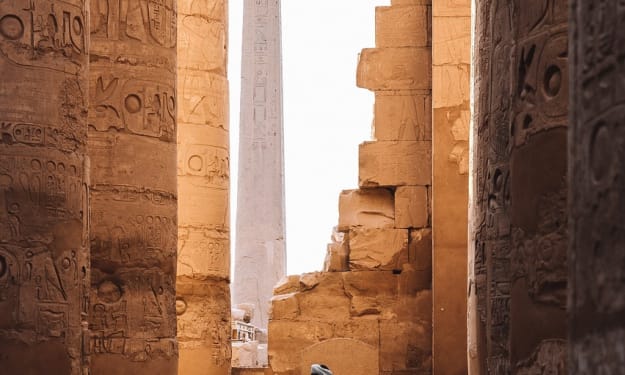
Introduction to the Buried Ancient Egyptian Port In the heart of Egypt's ancient landscape, a remarkable discovery has unearthed a hidden chapter of the past, shedding light on the intricate web of connections that once linked distant civilizations. Buried beneath the sands of time, an ancient Egyptian port has emerged, revealing a trove of artifacts and insights that challenge our understanding of the ancient world.
By Kevin MacELwee2 years ago in History
The Great Pyramid of Giza: Ancient Power Plant or Royal Tomb?
For centuries, the Great Pyramid of Giza has captivated the imagination of people around the world. Traditionally viewed as a tomb for the Pharaoh Khufu, recent theories suggest this ancient wonder may have served a far more advanced purpose. Could the Great Pyramid have actually been an enormous power plant, harnessing energy in ways we're only beginning to understand?
By KWAO LEARNER WINFRED2 years ago in History
Uncovering the Mystery of Alaska's Dark Pyramid
Deep in the heart of Alaska's wilderness, a story persists of a covert underground facility housing an ancient, enigmatic structure known as the "Dark Pyramid." This tale, blending elements of military secrecy, advanced technology, and potential extra-terrestrial involvement, has captivated conspiracy theorists and UFO enthusiasts for decades. But what evidence exists to support these claims, and how much of it is merely speculation?
By KWAO LEARNER WINFRED2 years ago in History