Events
Papua New Guinea . AI-Generated.
Papua New Guinea's Western Province is a region rich in cultural diversity and traditions, largely shaped by its environment and centuries-old tribal practices. Home to various ethnic groups, each with distinct customs, Western Province has preserved many of its traditional ways despite modern influences. Here’s a closer look at the culture, values, and traditions that define this fascinating part of Papua New Guinea. Cultural Diversity and Languages Western Province, one of Papua New Guinea’s largest provinces, is inhabited by more than 200,000 people, most of whom belong to distinct tribes and clans. With over 800 languages spoken across Papua New Guinea, Western Province reflects this diversity through its own unique dialects and languages. The languages spoken here are generally related to the cultures of the Torres Strait Islanders and neighboring regions. Language is not merely a tool for communication but also a means to pass down cultural values, myths, and legends that define the identity of each group. Traditional Beliefs and Spirituality The spiritual life of the people in Western Province is deeply rooted in animism, a belief system where natural elements like trees, rivers, and animals are believed to have spirits. Many communities practice rituals to honor these spirits, seeking blessings for health, successful hunting, and protection. This connection with the natural world influences many aspects of their daily life, creating a sense of respect for the environment and encouraging sustainable practices. Christian influences have also made their way into the region, blending with traditional beliefs to form unique cultural expressions. Social Structure and Clan Systems The social structure in Western Province revolves around clan and family ties. Villages are typically organized into extended family groups, where elders hold significant influence. Elders play a key role in maintaining social order, passing down traditions, and resolving disputes. Clans have intricate structures, each with specific responsibilities and roles, such as organizing ceremonies, initiating younger members into adulthood, and preserving historical knowledge. The clan structure fosters a sense of unity, where collective identity takes precedence over individualism. Rituals and Ceremonies Rituals and ceremonies hold a central place in the cultural life of Western Province. Ceremonies often mark life milestones such as birth, puberty, marriage, and death. Initiation ceremonies for young men and women are especially significant, as they represent a rite of passage into adulthood. During these ceremonies, the youth undergo trials or seclusion periods to learn about the responsibilities of adult life, as well as the clan’s secrets and myths. Initiates are given new status within the community and are seen as future leaders. Marriage customs also play a pivotal role in maintaining community bonds and social stability. Marriages are often arranged with consideration for alliances between clans. Bride price, a traditional exchange of goods or money, is commonly practiced as a way of formalizing marriages and creating connections between families. The bride price is seen as a gesture of respect and a means of ensuring harmony between families. Art and Body Decoration The people of Western Province express their cultural identity through art and body decoration. Traditional arts include weaving, carving, and painting, often using materials sourced from the natural environment like clay, leaves, and wood. Body decoration, particularly during ceremonies, involves face and body painting with vibrant colors and intricate designs. Men and women wear traditional attire, like grass skirts and headdresses adorned with feathers, shells, and other natural elements. The colors and patterns used in body art often carry specific meanings, signifying social status, clan affiliation, or spiritual beliefs. Dance and Music Dance and music are essential cultural expressions in Western Province, serving as a means to tell stories, honor ancestors, and celebrate communal life. Traditional songs often recount ancestral tales or the exploits of warriors. Instruments such as drums, flutes, and bamboo pipes are commonly used, with rhythms that vary by region and occasion. Dance performances are typically high-energy, involving elaborate costumes, singing, and coordinated movements. During festivals or gatherings, these performances bring communities together, strengthening cultural pride and cohesion. Hunting, Fishing, and Subsistence Farming The lifestyle of the Western Province is closely tied to subsistence practices like hunting, fishing, and farming. People rely on the environment for food, using traditional methods that are passed down through generations. Sago, a staple food made from the sago palm, is widely consumed, along with fish, wild game, and cultivated vegetables like sweet potatoes and yams. Traditional fishing techniques, such as using nets woven from natural fibers, showcase the community's ingenuity and deep knowledge of the land and waterways. Conclusion The culture and traditions of Western Province in Papua New Guinea are a testament to the resilience and creativity of its people. Though the region has been influenced by modern developments, the people maintain a strong connection to their heritage, blending old and new to preserve their way of life. Their traditions, social structures, and relationship with the environment reflect a rich cultural heritage that continues to thrive, despite the challenges of globalization. For the people of Western Province, cultural identity is not only a source of pride but a way of ensuring their traditions endure for future generations.
By Grace Guise2 years ago in History
The Sweet Story of Oreos
A Sweet Beginning It’s hard to imagine a world without Oreos. For over a century, they’ve been America’s favorite cookie, an icon of dessert culture, and a treat that spans generations and borders. But few know the intricate and fascinating history of how the Oreo was born, the competition that drove its innovation, and the changes it’s undergone over the years to become what it is today. Join us as we dip into the history of the Oreo and discover how a simple cookie became a global phenomenon.
By Bob Madden2 years ago in History
Papua New Guinea, Milne Bay province
Milne Bay Province, located on the eastern tip of Papua New Guinea, is a place of vibrant culture and rich traditions. This province comprises over 160 islands, and its people are known for their deep connection to the sea, a legacy of ancient seafarers and navigators who inhabited the region thousands of years ago. The culture of Milne Bay Province is as diverse as its many islands, with each group contributing unique traditions, dances, and artistic expressions that remain central to their identity. Cultural Diversity and Language Milne Bay is one of the most culturally diverse areas of Papua New Guinea, with its people speaking over 40 different languages. These languages are not only a form of communication but also hold deep cultural significance, with stories, chants, and histories preserved in their native tongues. The province’s linguistic diversity reflects its history as a melting pot of different tribes and clans, each with distinct customs and beliefs. Villages are often isolated, leading to unique variations in cultural practices even within the same island group. Traditional Values and Social Structure The society in Milne Bay is traditionally matrilineal, meaning descent and inheritance are passed down through the mother’s line. This system plays a significant role in shaping relationships, family roles, and social obligations. Clan loyalty and kinship are central to community life, with extended families and clans working together to support each other in times of need. Traditional values of respect, community, and cooperation continue to thrive, blending harmoniously with the challenges and changes brought by modern life. Traditional Art and Canoe Crafting One of the most celebrated aspects of Milne Bay culture is its intricate canoe craftsmanship, a skill passed down through generations. These canoes, known as “sailaus” or “lagatois,” are not only means of transport but are also symbols of cultural heritage and skill. Traditional canoes are often elaborately decorated with designs that reflect clan lineage, spiritual beliefs, and personal identity. The canoes play a vital role in the annual Kenu and Kundu Festival, a popular event that showcases these traditional watercraft in vibrant races and parades, celebrating the seafaring culture of Milne Bay. Beyond canoe building, traditional art forms are prevalent, including wood carvings, shell jewelry, and tapa cloth creations. Tapa cloth, made from tree bark, is decorated with natural dyes and often used in ceremonial attire. The designs on tapa cloths and carvings are deeply symbolic, depicting aspects of the natural world, ancestors, and spirits. Traditional Dances of Milne Bay Dance is a significant part of the cultural identity in Milne Bay. These dances, known locally as “singsings,” are performed on special occasions, including weddings, community gatherings, and festivals. The dances are accompanied by chants, drums, and other traditional instruments, creating a rhythmic and hypnotic atmosphere. Each island group has its unique style of singsing, reflecting their own customs and values. For example, in the Trobriand Islands, known as the “Islands of Love,” dances often revolve around themes of courtship and community bonding. These dances are performed with elaborate costumes made from natural materials like feathers, shells, and grasses. The movements are fluid and symbolic, telling stories of love, life, and the relationship with nature. In contrast, the Mailu people from the mainland and nearby islands have dances that incorporate stronger, warrior-like movements. These performances symbolize strength, bravery, and connection to ancestral spirits, often to honor ancestors or celebrate significant achievements. The dancers wear masks and body paint, adding a sense of mystique and reverence to the performance. The Kenu and Kundu Festival One of the most celebrated cultural events in Milne Bay is the Kenu and Kundu Festival. Held annually in Alotau, the province’s capital, this festival brings together communities from across the islands to showcase their heritage through canoe races, traditional dances, and cultural displays. The kundu drum, a traditional instrument carved from wood and decorated with intricate patterns, is a central part of the festival. Its deep, resonant sound accompanies the dances, connecting the performers and spectators to their cultural roots. The festival is not just a celebration but also a reminder of the resilience of Milne Bay’s people and their dedication to preserving their cultural identity. It has become a popular attraction for tourists, providing them with a unique insight into the diverse and dynamic traditions of the province. Conclusion The culture of Milne Bay Province is a vibrant tapestry woven from ancient traditions, diverse languages, and a profound connection to the sea. From the intricate art of canoe building to the hypnotic rhythms of traditional dances, each aspect of Milne Bay’s culture is a testament to the people’s rich heritage and enduring values. The province’s festivals and ceremonies continue to play an essential role in preserving these customs, passing them down to future generations and sharing them with the world. In Milne Bay, tradition is not just history; it is a living, breathing part of daily life, celebrated and cherished in every community.
By Grace Guise2 years ago in History
THE LEGACY OF MOORISH SPAIN
The Queen of Castille sits regally on a somewhat bewildered-looking white steed, crown perched prominently on her head. Her eyes are drawn to the ochre-coloured castle gleaming brightly in late November sunlight on a distant hill. Her husband, the King of Aragon, leans forward on his horse with his hand out ready to accept the hefty keys reluctantly proffered by the last Nasrid ruler of the final bastion of Moorish rule in Al Andalus, Boabdil. Though spared the humiliation of kissing the monarch’s hand, the Moor's eyes seem to be silently pleading, “Remember what you promised.”
By Kimberley Silverthorne2 years ago in History
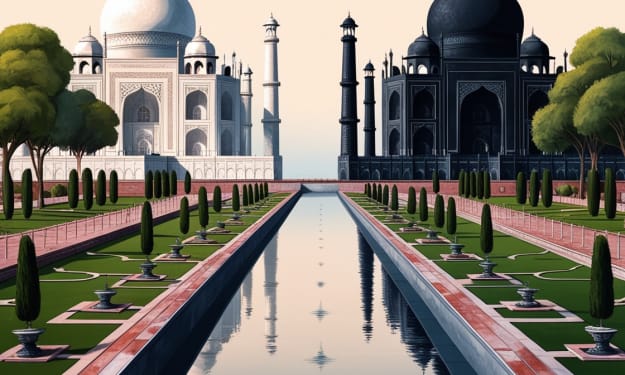
"Shadows and Reflections: The Myth of the Black Taj Mahal Across the Yamuna"
The Fable of the Atramentous Taj Mahal: Fact or Fiction? The Taj Mahal, an unparalleled attribute of love, stands as a marble curiosity forth the Yamuna River in Agra, India. Commissioned by the Mughal emperor Shah Jahan in anamnesis of his admired wife Mumtaz Mahal, this catacomb is accepted common for its beauty, symmetry, and intricate craftsmanship. Yet abaft its aboriginal white domes lies a arresting abstruseness that has absorbed historians, tourists, and locals for centuries—the fable of the "Black Taj Mahal."
By Say the truth 2 years ago in History
Strange laws In History You Won't Believe Existed
Strange Laws in History You Won’t Believe Existed: The World’s Weirdest Rules Introduction Picture this: it’s the 1600s, and you’re being hauled off to court… for wearing a fancy purple hat. Or maybe it’s colonial America, and you’re sneaking a slice of pie on Christmas, risking the wrath of the pie police with every bite.*
By Bob Madden2 years ago in History
Women on the throne.. Queen Victoria, grandmother of the European continent
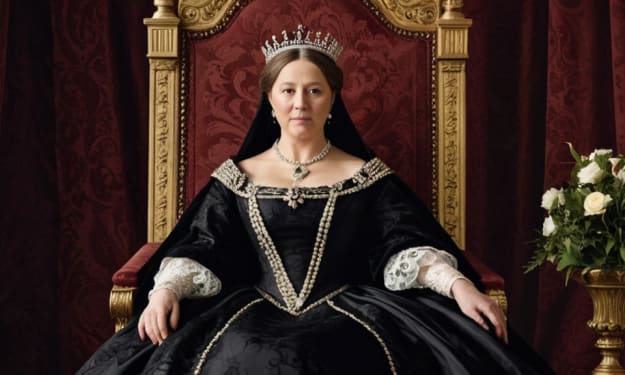
Modern history has not known a queen who was able to bring about a major change for her people as Queen Victoria did during her rule of Britain, where she witnessed great development and expansion on the scientific, cultural, military and economic levels, and was able to establish the “empire on which the sun never sets.” With her wisdom, she was also able to spread her nine sons throughout the continent of Europe to marry into the most important royal and ruling families, until her grandchildren spread throughout the old continent, so she was given the title “Grandmother of the European Continent.”Birth and upbringing
By Kisama Riyo 2 years ago in History
Women on the throne.. Anna Ivanovna, Empress of Blood and Ice
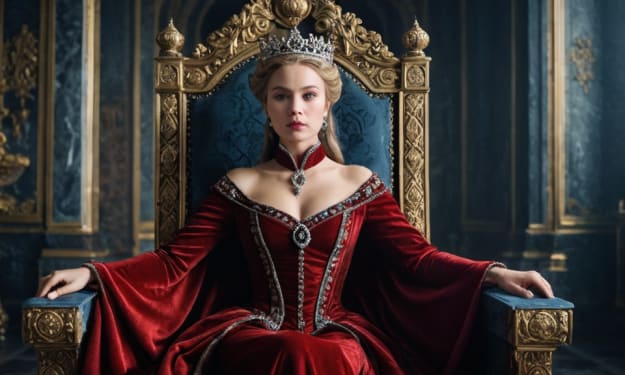
Just as history bears witness to some women who ascended the throne or ruled the country with a number of major victories and developments that indicate strength, wisdom and intelligence, history also bears witness to the madness and strangeness of some women who assumed power, most notably Anna Ivanovna, Empress of Russia, who was forced by circumstances to sit on the throne and begin a series of insane acts, with murder, tyranny and torture in ways that indicate sadism, and the absence of reason for ten years, the duration of her rule, which was filled with blood and psychological complexes that some analysts attribute to her father who suffered from psychological and mental disorders throughout his life, or to her marriage experience that ended quickly.Birth and upbringing
By Kisama Riyo 2 years ago in History
"The Great Emu War of 1932: When Australia Took on Its Feathered Foes"
The Great Emu War: Australia’s Unlikely Action Adjoin Birds In 1932, in one of the added abnormal capacity of Australian history, the nation begin itself in a atrocious struggle—not adjoin an army of soldiers but adjoin bags of large, flightless birds accepted as emus.
By Say the truth 2 years ago in History
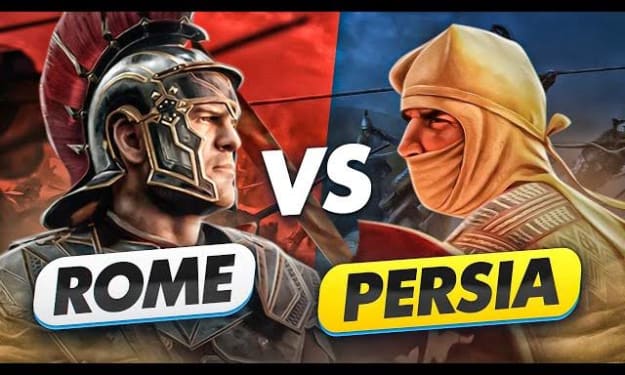
The Rivalry Between The Romans And The Persians.
The rivalry between the Romans and the Persians is one of the most significant and prolonged conflicts in ancient history, spanning several centuries and marked by a series of wars, diplomatic maneuvers, and cultural exchanges. This epic struggle not only shaped the political landscape of the ancient Near East but also had lasting impacts on the cultures and societies of both empires.
By Mohamed Hassan2 years ago in History
The 2024 Melbourne Cup
The 2024 Melbourne Cup, taking place on November 5 at Flemington Racecourse, is set to showcase an exciting blend of international and Australian talent, with top horses competing in Australia’s most prestigious race. Known as "the race that stops a nation," this year’s event brings together a unique lineup of highly skilled runners, each with distinct strengths and impressive backgrounds, promising an unforgettable day for racing enthusiasts worldwide.
By arun singhwal2 years ago in History