Events
The Epic Voyages of Christopher Columbus: Discovering New Lands and Shaping History
Christopher Columbus’s journey across the Atlantic Ocean stands as one of the most transformative events in world history. His voyages in the late 15th century were not only feats of navigation and maritime courage but also pivotal moments that linked continents and altered the course of human civilization. In this article, we’ll explore Columbus’s famous expeditions, the lands he encountered, and the profound impact his discoveries had on the world.
By mariam elghazaly2 years ago in History
"Mayan Crystal Skulls: Artifacts or Modern Myths?"
The Abstruseness of the Clear Skulls in Mayan Civilization Crystal skulls are amid the best abstruse and arresting artifacts associated with the age-old Mayan civilization. These sculptures, believed to be carved from quartz crystal, accept sparked intrigue, debate, and endless theories alignment from archaeological acceptation to abnormal phenomena. While some affirmation these skulls are charcoal of the avant-garde adroitness of age-old Mesoamerican cultures, others altercate that they authority mystical admiral or alike exoteric origins. This commodity delves into the history, myths, and controversies surrounding the clear skulls.
By Say the truth 2 years ago in History
Fulwell Acoustic Mirror. Top Story - November 2024.
Remembrance Day feels like an appropriate time to look back at an unlikely piece of military history on Wearside. The Fulwell Acoustic Mirror might not look like much, but the stark concrete slab played a key role in air defence 15 years before Radar was implemented.
By Andy Potts2 years ago in History
The Real-Life "Jaws" That TERRIFIED America: The 1916 Jersey Shore Shark Attacks
In the summer of 1916, the Jersey Shore was a popular vacation destination, where people flocked to the beach for sun, surf, and relaxation. But that summer, the ocean had other plans. A series of brutal shark attacks shattered the calm, transforming the peaceful shores into a scene of fear and chaos. It wasn’t a horror movie or urban legend—it was a terrifying reality. These attacks not only left a trail of destruction but also forever changed the way we view the waters that once seemed so inviting. What happened during that fateful summer of 1916 is a story so chilling that it’s hard to believe it wasn’t dreamed up by the minds behind Jaws. But trust me, it wasn’t. It was all too real.
By Marveline Merab2 years ago in History
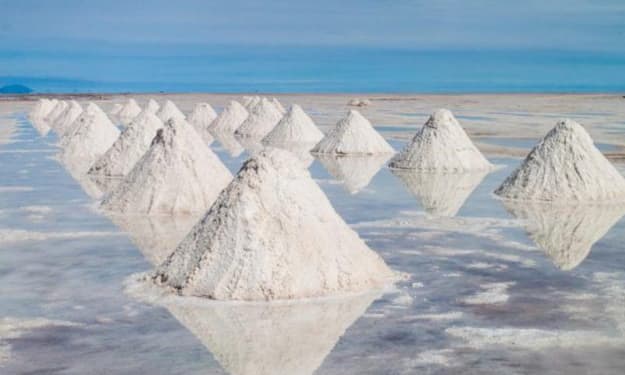
"The Historical Significance of Salt: A Story of Trade, Power, and Revolution"
The Amount of Alkali in History: The White Gold Throughout history, alkali has played an amazing role far above its simple use as a seasoning. Generally referred to as "white gold," salt's acceptation has spanned centuries, impacting economies, influencing wars, and abstraction the development of civilizations. Its amount in animal history is unparalleled, accouterment a window into how basal this mineral has been in the advance and sustenance of societies. The Role of Alkali in Age-old Civilizations
By Say the truth 2 years ago in History
Tesla’s Hidden Science, Mysterious Red Boxes, and His Disappearance Before Death: The Untold Story
Nikola Tesla, the man who electrified the world with groundbreaking inventions like alternating current (AC) and wireless energy, remains one of the most enigmatic figures in scientific history. His genius was undeniable, yet his final years are shrouded in mystery and intrigue. Among the most captivating aspects of Tesla's life are the claims surrounding his hidden scientific work, the so-called “red boxes,” and the strange circumstances leading up to his death. This article delves into the lesser-known and potentially world-changing elements of Tesla’s life, exploring what truths might lie beneath the surface.
By mariam elghazaly2 years ago in History
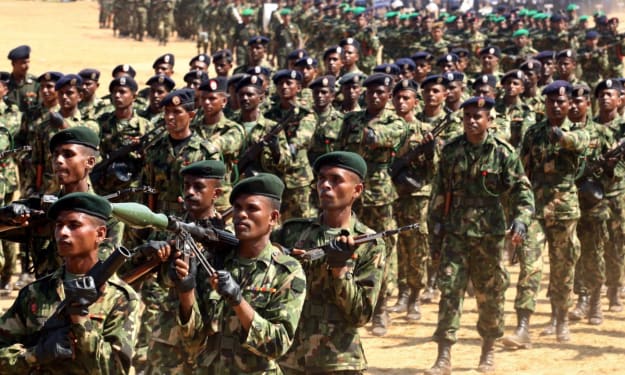
"Echoes of Resilience: The Human Cost of the Sri Lankan Civil War"
The Sri Lankan Noncombatant War: A History of Battle and the Struggle of the Tamil People The Sri Lankan Noncombatant War was a abiding and adverse battle that spanned over 25 years, from 1983 to 2009, greatly affecting the island nation and its population. This war, waged amid the Sri Lankan government and the Liberation Tigers of Tamil Eelam (LTTE), additionally accepted as the Tamil Tigers, was apparent by violence, animal rights abuses, and abiding indigenous tensions. To accept the causes, course, and after-effects of this war, it is capital to burrow into the historical, political, and amusing contexts that led to this adverse aeon in Sri Lanka’s history.
By Say the truth 2 years ago in History
"Leonardo da Vinci: The Renaissance Genius Who Mastered Art and Science"
Leonardo da Vinci, generally advised the quintessential Renaissance man, was an artist, scientist, engineer, and abstracted whose assignment larboard an constant mark on both art and science. Built-in in 1452 in the baby boondocks of Vinci, Italy, Leonardo’s clamorous concern and able talents propelled him to become one of the best admired abstracts in history. This commodity explores his life, above works, and the abstruse access he had on ancestors that followed. Early Activity and Education
By Say the truth 2 years ago in History
Bougainville:Unique Culture, Traditions, and Stunning Islands
Nestled within the South Pacific Ocean, Bougainville is an autonomous region of Papua New Guinea (PNG), with a history, culture, and identity distinctly its own. Spread across two main islands—Bougainville and Buka—along with a myriad of smaller islands, Bougainville’s breathtaking landscapes are matched by its rich cultural tapestry and resilient communities. While Bougainville is often remembered for its recent history of conflict and its independence referendum, the islands also shine as a living repository of Melanesian culture, traditional practices, and dances that have been passed down through generations. The People and Culture of Bougainville Bougainville's population, primarily Melanesian, has cultural roots dating back thousands of years, with influences from other Pacific Islands, Asia, and beyond due to historical trade routes and colonial encounters. Bougainvilleans often view their identity as distinct from the rest of Papua New Guinea, with their customs and ways of life reflecting that uniqueness. One of the defining features of Bougainvillean society is its clan-based organization, which plays an important role in social structure and governance. Many Bougainvilleans follow a matrilineal system, where inheritance, property rights, and lineage are traced through the mother’s side. This matrilineal heritage shapes community dynamics, as women often hold a respected position within families and clans. Traditional Beliefs and Practices Although Christian influence is prevalent across the islands due to mission work in the 20th century, many Bougainvilleans maintain a connection to their ancestral spiritual beliefs. Traditional practices honor the spirits of ancestors, who are believed to guide and protect the living. Rituals for significant events, like births, weddings, and deaths, often include ceremonies meant to appease these spirits and ask for their blessings. The people of Bougainville also have a deep relationship with the land. Many believe that their ancestors’ spirits reside within the natural environment, such as mountains, rivers, and forests. This belief fosters an ethos of respect for nature, which is evident in their sustainable fishing, hunting, and farming practices. The Art of Bougainvillean Dance Dance is a central part of Bougainvillean culture, deeply embedded in both ceremonial and social life. Each clan often has unique dances that narrate stories, celebrate significant events, and honor ancestors. These dances are usually accompanied by traditional music, featuring drums (known as garamut), bamboo pipes, and chanting. One of the most well-known dance forms in Bougainville is the Pok-Pok dance, which originated on Pokpok Island. Dancers, dressed in elaborate costumes adorned with shells, feathers, and leaves, move rhythmically to the beat of the garamut, reenacting tales of their ancestors, the island’s origins, or historical battles. The Pok-Pok dance has gained recognition throughout the region for its expressive storytelling and intricate movements. Another dance often performed at festivals is the Tumbuan dance, where dancers don traditional masks and costumes, symbolizing spirits of the ancestors. The Tumbuan dance is a ritualistic performance, aimed at connecting with the spiritual realm and paying homage to those who came before. Through these dances, Bougainvilleans preserve their history, honoring their heritage while sharing it with younger generations and visitors alike. Language and Oral Traditions With over a dozen languages spoken, Bougainville is a linguistically diverse region. The primary languages include Tok Pisin, Halia, and Nasioi, but each clan or village may have its dialect. Oral storytelling is a treasured tradition, passed down from generation to generation. Elders share tales of creation myths, ancient migrations, and moral lessons, ensuring that the knowledge and values of the ancestors continue to shape future generations. The Islands: Bougainville and Beyond Bougainville and Buka are the largest islands, surrounded by a stunning array of smaller, uninhabited islands, lagoons, and coral reefs. Bougainville Island, the largest of the two, is home to lush rainforests, active volcanoes, and mountains, including Mount Balbi, the highest peak in the region. The island’s natural beauty is as awe-inspiring as it is ecologically rich, with many endemic plant and animal species. Buka Island, separated from Bougainville by the narrow Buka Passage, boasts pristine beaches, turquoise waters, and rich marine biodiversity. The smaller islands, like the Carteret Islands, are known for their unique ecosystems and are vital to the culture and sustenance of Bougainville’s people. The Carteret Islands, however, face challenges from rising sea levels, threatening their inhabitants with displacement, which brings attention to environmental issues affecting the region. Bougainville’s Path Forward In recent years, Bougainville has embarked on a journey toward self-determination, holding a referendum in 2019 where an overwhelming majority voted for independence from Papua New Guinea. While the outcome has yet to be fully implemented, Bougainvilleans continue to express their identity through culture, language, and tradition. Preserving a Unique Heritage Bougainville is a land of resilience, where the past and present come together through traditions, dance, and an enduring sense of community. For the people of Bougainville, maintaining cultural practices is not only a form of honoring their ancestors but also a way of fortifying their unique identity in the face of modern challenges. Through their music, dances, and connection to the land, Bougainvilleans ensure that their rich heritage remains vibrant and alive for generations to come.
By Grace Guise2 years ago in History