Events
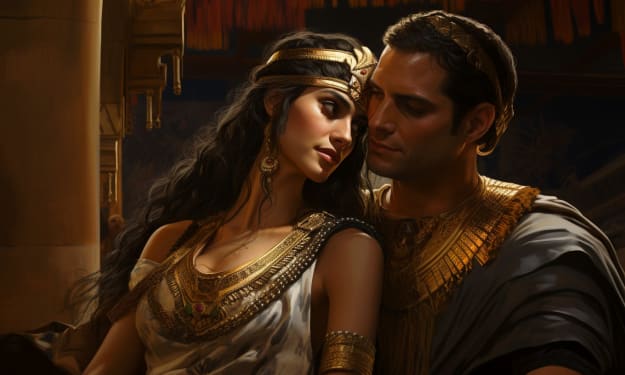
Cleopatra and Ceaser
Cleopatra VII died over 2,000 years ago. Yet, she remains one of history's most fascinating women. Known for her beauty and intellect, the Egyptian queen led a short but scandalous life. Her story has inspired countless works of art, literature, and films.
By myriamadam2 years ago in History
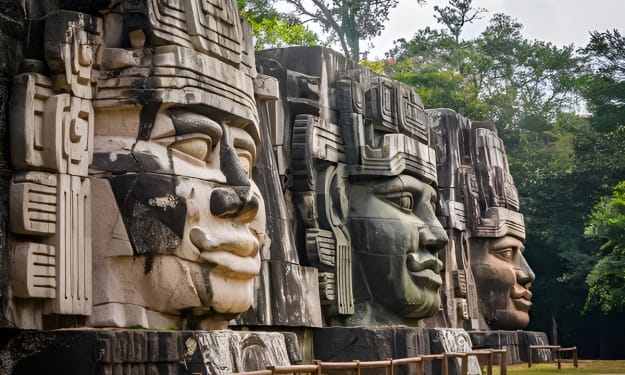
The Olmec Civilization
Today, we begin an intriguing exploration of history as we delve into the rich and varied American continent. Contrary to popular belief, the Americas have been home to human populations for over 20,000 years, during which numerous cultures and powerful empires have thrived. Spanning from North to South America, narratives of innovation, conflict, divine myths, ritual sacrifices, and fabled cities of gold have contributed to a complex and vibrant history.
By A História2 years ago in History
Top 5 Best Matches in T20 History
T20 cricket has revolutionized the game, bringing a new level of excitement and thrill to fans worldwide. Since its inception, the shortest format has delivered numerous heart-stopping encounters, unforgettable moments, and edge-of-the-seat drama. In this article, we’ll take a look at the Top 5 Best Matches in T20 History — games that had fans glued to their screens and left them breathless until the last ball.
By IceCric News2 years ago in History
The Akkadian Empire
Across the annals of human history, the emergence and decline of empires have significantly influenced civilizations and established the groundwork for the contemporary world. From the illustrious Roman Empire to the formidable Mongol Empire, various empires of differing sizes and lifespans have made lasting contributions. Have you ever considered which empire was the first to arise in documented history?
By A História2 years ago in History
Small Mistakes With HUGE Consequences
Mistakes are a universal experience. Forgetting a meeting or mistakenly calling a teacher "Mom" are minor inconveniences. But some mistakes carry weighty consequences. Take, for example, the accidental upload of a yoga video instead of a documentary. Such blunders can evoke embarrassment, yet they pale in comparison to larger, systemic errors.
By Tafara Sibotshiwe2 years ago in History
The Real Heroes of Titanic: Acts of Courage and Sacrifice
Titanic: Unearthing the Real Story Behind the Tragedy The Titanic has become a symbol of human ambition and tragedy. Myths surround this massive ship, challenging us to look deeper into its real story. What happened on that fateful night? How did this “unsinkable” vessel meet its end? Understanding the Titanic allows us to honor those lost and learn from the past. The Night the "Unsinkable" Sank Passenger Demographics: A Social Snapshot of the Titanic On April 10, 1912, the Titanic set sail from Southampton, carrying over 2,200 passengers and crew. The demographics ranged widely: Classes: Passengers were divided into First, Second, and Third class. Nationalities: Included British, American, Irish, and many more. Age Groups: From infants to the elderly. This mix reflects the societal hierarchy of the early 20th century. The wealthiest traveled in luxury, while many others sought a better life. The Ship's Design and Construction: Flaws and Miscalculations The Titanic was a marvel of modern engineering, featuring: Size: At the time, it was the largest ship ever built. Safety Flaws: Only 16 lifeboats, enough for about half the passengers. Poor Materials: Substandard steel and rivets contributed to structural failure. These flaws were ignored in favor of speed and luxury, setting the stage for disaster. The Titanic's Maiden Voyage: A Timeline of Events Leading to Disaster The Titanic embarked on its maiden voyage with great fanfare. Key moments include: April 10, 1912: Departed from Southampton. April 11, 1912: Stopped in Cherbourg. April 12, 1912: Continued to Queenstown (now Cobh), Ireland. April 14, 1912, 11:40 PM: Struck an iceberg. Each moment was filled with anticipation, masking the impending doom. The Collision and Immediate Aftermath The Impact: Accounts from Survivors and Crew When the Titanic hit the iceberg, chaos erupted. Survivors recall: A Shocking Noise: Described as a loud rumble. Confusion: Many believed the ship was unsinkable. Immediate Response: Crew members tried to maintain order. Their testimonies offer glimpses into the panic and uncertainty faced that night. The Initial Response: Panic, Chaos, and Lifeboat Allocation With the ship taking on water, lifeboats became a lifeline. Challenges included: Limited Capacity: Lifeboats could hold only about 1,200 people. Chaos: Passengers struggled to board. Class Differences: First-class passengers were prioritized, leaving many in lower classes behind. This response highlighted deep societal divides and fueled the tragedy's horrors. The Sinking: A Descent into the Icy Depths By 2:20 AM on April 15, the Titanic sank. Key points in this descent: Last Moments: Lights flickered, then darkness overtook the ship. Frozen Waters: Many survivors faced near-certain death from the cold. Final Acts of Courage: Some stayed behind to help others escape. The sinking marked a devastating chapter in maritime history. The Rescue and Recovery Efforts The Carpathia's Arrival: Saving Survivors from the Freezing Waters The RMS Carpathia responded to distress signals. Key aspects of the rescue: Bravery: Crew members risked their lives to save others. Lifeboat Gatherings: Survivors were picked up from lifeboats. Survivors: About 710 people were saved. The heroism of the Carpathia’s crew offered a glimmer of hope amid despair. The Aftermath: Investigating the Disaster and Identifying the Remains After the disaster, investigations began. Major outcomes included: Inquiry: Investigations led by key figures in maritime safety. Identification: Methods developed to identify recovered bodies. Media Coverage: The public was captivated by the tragedy. These efforts painted a fuller picture of the event’s impact. The Impact on Maritime Safety: Lessons Learned and Regulatory Changes In the wake of the Titanic, maritime safety transformed significantly. Important changes included: Increased Lifeboat Requirements: Ships now needed enough lifeboats for all passengers. Ice Patrols: Systems established to monitor iceberg dangers. International Regulations: Standards created to improve ship safety globally. These regulations aimed to prevent future tragedies. The Legacy of the Titanic Myths and Misconceptions: Separating Fact from Fiction The Titanic story is filled with myths. Common misconceptions include: Unsinkable Myth: The ship's design led many to believe it was truly unsinkable. Slow Response: Many think help was slow, but the Carpathia acted quickly. Specific Survivor Stories: While compelling, many are embellished or dramatized. Separating fact from fiction helps us understand the reality of the tragedy. The Titanic in Popular Culture: Books, Films, and Exhibitions The Titanic's story continues to captivate. Its presence is seen in: Movies: The 1997 film brought the story to a new generation. Books: Numerous publications explore different aspects of the tragedy. Exhibitions: Museums worldwide feature artifacts and stories from the Titanic. This cultural significance keeps the memory of the Titanic alive. Memorializing the Victims: Honoring the Lost and Remembering the Tragedy Many memorials exist to honor those lost. Notable efforts include: Titanic Memorial in Halifax: Commemorates those buried at sea. Annual Remembrances: Events held to honor the victims. Educational Programs: Initiatives aimed at teaching future generations. These efforts ensure the tragedy is not forgotten. Exploring the Wreckage The Discovery: Locating the Remains on the Ocean Floor The Titanic's wreck was discovered in 1985 by Robert Ballard. Key details: Location: About 12,500 feet deep in the North Atlantic. Condition: The wreck is in poor shape, covered in rust and debris. Significance: Finding the wreck sparked interest in its history. The discovery reignited fascination with the Titanic. Exploring the Wreck: Technological Advancements in Deep-Sea Exploration Exploration of the wreck has led to advancements, including: Robotics: Submersibles can navigate deep ocean depths. Imaging Technology: High-resolution imaging reveals details of the wreck. Preservation Efforts: Ongoing research into conserving artifacts. These technologies allow us to learn more about the Titanic. The Wreck's Deterioration: The Ongoing Impact of Time and Ocean Currents The Titanic wreck faces ongoing challenges. Key factors include: Current Damage: Ocean currents erode the site. Biological Growth: Microbes and other organisms accelerate deterioration. Temperature Effects: The cold environment slows decay, but not indefinitely. Understanding these impacts is crucial for future preservation. Key Takeaways and Lasting Impact The Human Cost: A Reflection on Loss and Survival The Titanic's disaster led to the loss of over 1,500 lives. We remember: Personal Tragedies: Stories of families affected. Survivor Accounts: Emphasizing resilience amid disaster. These stories remind us of the human cost of this tragedy. Technological Advances Inspired by the Tragedy The Titanic sparked changes in maritime technology. Notable advancements include: Ship Design Improvements: Focus shifted toward safety and lifeboat capacity. Communication Systems: Better systems were developed for distress signals. Safety Drills: Regular drills became standard practice for crew and passengers. These changes help keep future passengers safer. The Enduring Fascination: The Titanic's Continued Cultural Significance The Titanic’s story continues to evoke interest for several reasons: Human Drama: The emotional stories resonate with audiences. Mystery: Exploration of the wreck keeps people intrigued. Lessons Learned: The tragedy offers valuable insights into safety. This fascination ensures that the Titanic will remain in our collective memory. The Titanic story, while tragic, serves as a poignant reminder of human resilience and the need for safety. By learning from the past, we can honor those lost and strive to prevent future tragedies. Let's remember the Titanic and its powerful legacy that continues to shape our world.
By Story silver book 2 years ago in History
Most costly Construction Mistakes
It is often said that fear of making mistakes is the biggest mistake of all. While this may hold true in many areas of life, construction is a different matter. In this field, mistakes can be both dangerous and expensive. Consider the Tacoma Narrows Bridge in Washington. Its infamous collapse serves as a stark reminder of the high stakes involved in construction.
By Tafara Sibotshiwe2 years ago in History
Archaeologists found 10-foot-tall humans in a Nevada cave.
Giants used to walk the earth, according to myth, folklore, and even the Bible. It turns out that this assertion is supported by evidence. In the US state of Nevada, extraordinary human remains have been discovered; some of the skeletons are as tall as ten feet.
By Francis Dami2 years ago in History
The Legacy of King Baldwin IV: The Leper King of Jerusalem
The Legacy of King Baldwin IV: The Leper King of Jerusalem Introduction King Baldwin IV of Jerusalem, known as the "Leper King," is one of the most enigmatic and inspirational figures of the Crusader period. Despite suffering from leprosy, a debilitating disease, Baldwin displayed extraordinary resilience, wisdom, and courage, ruling the Kingdom of Jerusalem during a tumultuous time. His short yet impactful reign has fascinated historians and storytellers alike, as it represents a tale of leadership, endurance, and the struggle to maintain peace and power in the Holy Land during the 12th century. Early Life and Diagnosis Baldwin IV was born in 1161 to King Amalric I of Jerusalem and Queen Agnes of Courtenay. From a young age, Baldwin exhibited unusual physical symptoms. It was his tutor, William of Tyre—a notable historian and archbishop—who first identified Baldwin's insensitivity to pain, particularly when the boy felt no discomfort after injuring his hand. This was a chilling early sign of leprosy, a disease then feared for its contagiousness, stigma, and lack of cure. Despite the grim prognosis, Baldwin was provided with a rigorous education. He learned Latin, theology, warfare, and diplomacy under the guidance of his tutors, who prepared him for leadership in a volatile political landscape. By the time of his father’s death in 1174, Baldwin, at just 13 years old, ascended to the throne as King Baldwin IV. The Kingdom of Jerusalem and Political Challenges The Kingdom of Jerusalem was a Crusader state established during the First Crusade, holding significant religious and strategic importance. Baldwin inherited the throne at a time of immense external and internal pressures. Internally, factional disputes among the nobles weakened the kingdom. Externally, the Muslim forces, led by the rising power of Saladin, threatened the Crusader states. Despite his youth and illness, Baldwin IV quickly demonstrated an aptitude for leadership. His regency under Raymond III of Tripoli ensured stability during the early years, but Baldwin took control of his kingdom as he matured. His leprosy did not weaken his resolve; instead, it seemed to embolden him to act with urgency and determination. Baldwin IV as a Warrior King One of Baldwin's most notable traits was his unwavering courage on the battlefield. Despite his deteriorating health, he led his army with remarkable skill and charisma. Baldwin’s most famous military success came in 1177 during the Battle of Montgisard. In this battle, Saladin, the powerful Sultan of Egypt and Syria, launched a large-scale invasion of the Kingdom of Jerusalem. Baldwin, though severely ill, led a significantly smaller Crusader army against Saladin's forces. Riding with his men and clad in armor, the young king inspired his troops to a stunning victory, routing Saladin’s forces and forcing the Sultan to retreat. The victory at Montgisard was celebrated as a miraculous triumph, solidifying Baldwin's reputation as a capable and fearless leader. He became a symbol of hope for the Crusader states, proving that even a king suffering from leprosy could defy the odds. Baldwin’s Diplomacy and Struggles Baldwin IV was not just a warrior but also a shrewd diplomat. He understood the necessity of forming alliances and maintaining a delicate balance of power. He sought to strengthen ties with the Byzantine Empire and encouraged the arrival of reinforcements from Europe. However, his reign was marred by internal discord. Factions within the nobility, such as those led by his mother’s family and other Crusader lords, often competed for influence. Baldwin had to navigate these rivalries while dealing with his declining health. To secure succession and protect the kingdom, Baldwin arranged the marriage of his sister, Sibylla, to Guy of Lusignan. However, Guy’s leadership proved controversial and divisive, further complicating the kingdom's political landscape. The Decline of Health and the End of Baldwin IV’s Reign Leprosy is a progressive disease, and as Baldwin grew older, its effects became more severe. His eyesight began to fail, and his body weakened, rendering him unable to ride or actively lead his forces. Yet Baldwin refused to abdicate his responsibilities. Even when physically incapacitated, he continued to govern from his sickbed, issuing orders and making strategic decisions. In 1183, Baldwin crowned his nephew, Baldwin V, as co-king to ensure a smooth succession. However, Baldwin IV’s health rapidly declined, and by 1185, he succumbed to the disease. He was only 24 years old at the time of his death, leaving behind a kingdom facing the brink of collapse. Legacy and Impact
By Say the truth 2 years ago in History
The Last Shot: A Story of Redemption
The roar of the crowd echoed through the packed arena, the atmosphere electric with anticipation. It was Game 7 of the NBA Finals, and the stakes couldn’t have been higher. The Los Angeles Hawks, a team no one had expected to make it this far, were up against the league's powerhouse, the New York Titans. For 32-year-old Darius “D-Money” Carter, the Hawks’ point guard, this was more than just a game—it was his shot at redemption.
By oluwatoba ayomikun2 years ago in History