Events
A Comprehensive History of Australia
A Comprehensive History of Australia Ancient Australia (Prehistory – 1788) Australia’s history begins with its Indigenous peoples, who have lived on the continent for over 65,000 years. The Aboriginal and Torres Strait Islander peoples developed diverse cultures, languages, and spiritual beliefs deeply connected to the land. They used sophisticated land management techniques, including controlled burning to maintain ecosystems. Rock art sites like those in Kakadu National Park provide insight into their rich cultural heritage. These early Australians adapted to a range of environments, from deserts to rainforests, developing a deep understanding of their surroundings and establishing complex social structures based on kinship and oral traditions. Their connection to the land, known as 'Country,' remains a central aspect of Indigenous identity today.
By Banik Sojib2 years ago in History
A Comprehensive History of Great Britain
A Comprehensive History of Great Britain Ancient Britain (Prehistory – 43 AD) Great Britain’s history dates back to prehistoric times, with evidence of early human activity from around 800,000 years ago. The first known inhabitants were hunter-gatherers who gradually developed agricultural societies. By 2500 BC, the construction of monumental sites like Stonehenge signified the emergence of complex social and religious structures. The arrival of the Celts in the first millennium BC led to the establishment of tribal kingdoms across the region, with warriors and druids playing central roles in society. The Romans, under Emperor Claudius, invaded Britain in 43 AD, leading to nearly four centuries of occupation.
By Banik Sojib2 years ago in History
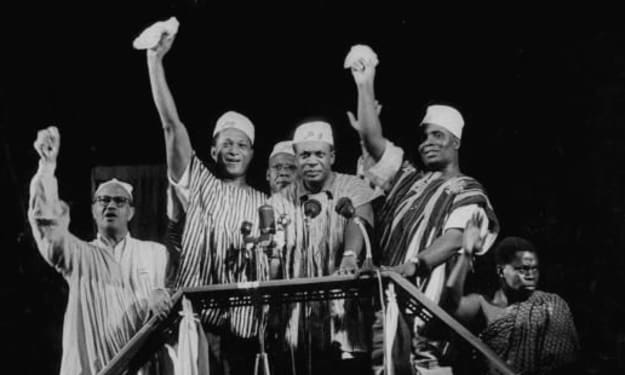
Ghana’s Independence: A Triumph and a Tragedy
On March 6, 1957, the world watched as Ghana, once known as the Gold Coast, emerged as the first sub-Saharan African nation to break free from colonial rule. The celebrations in Accra were nothing short of historic. Delegates from 56 nations joined the festivities, which included vibrant native dances, traditional games, and a beauty contest to crown Miss Ghana. The event marked not just Ghana’s independence but also the dawn of a new era for Africa.
By KWAO LEARNER WINFRED2 years ago in History
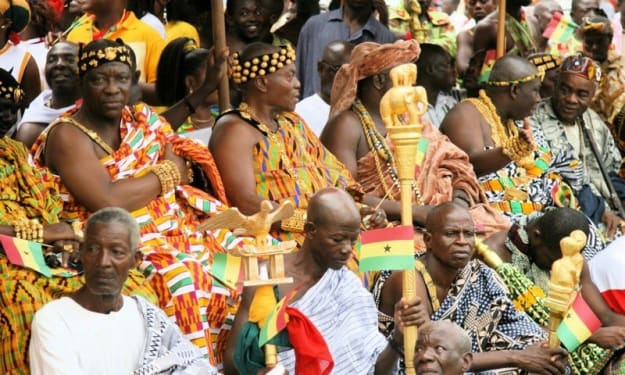
History of The Ashanti Empire of Ghana
The Asante, also known as the Ashanti, are a prominent ethnic group within the larger Akan community, which is one of the most significant cultural groups in modern-day Ghana and parts of Côte d'Ivoire. The Akan people are believed to have roots tracing back to ancient Egypt, from where they migrated westward—a common pattern among many African groups. Their ancestors, the Sona, are credited with playing a crucial role in the establishment of the Wagadu Empire, often referred to as the ancient Ghana Empire. This empire, one of Africa's most powerful and prosperous states at its peak, stands as a testament to the Sona's influence and organizational prowess.
By KWAO LEARNER WINFRED2 years ago in History
Breaking: Dublin Plans Biggest Saint Patrick's Day Parade Ever
Saint Patrick's Day celebrations in Dublin have consistently drawn massive crowds, with the 2009 parade attracting more than 675,000 spectators. In fact, this cherished tradition, which began as an official Christian feast day in the early 17th century, has evolved into the world's most widely celebrated national festival. While the first official state-sponsored parade in Dublin didn't take place until 1931, we've witnessed this celebration grow into a global phenomenon. Notably, Saint Patrick's Day, observed on March 17 to commemorate Saint Patrick's death in 461 AD, now inspires festivities in more countries than any other national festival. As we prepare for this year's celebration, Dublin is set to make history once again with what promises to be its most ambitious parade yet. Dublin Announces Record-Breaking Parade Plans "Being Irish is very much a part of who I am. I take it everywhere with me." — Colin Farrell, Irish actor The 2025 National Saint Patrick's Day Parade promises unprecedented scale and spectacle, with organizers announcing their most ambitious celebration yet. The parade will feature over 4,000 participants, including 18 pageants, performance showpieces, and 14 marching bands from Ireland, North America, and France. The grand procession will commence at 11 a.m., following a carefully planned 2.5-kilometer route through Dublin's historic heart. Starting from Parnell Square, the parade will wind through O'Connell Street, cross the River Liffey, and proceed past Trinity College before concluding at Saint Patrick's Cathedral. This year's celebration stands out with its remarkable features: • Seven large-scale pageants and six showpieces • Twelve international marching bands from Austria and North America • six strategically located grandstands with covered, tiered seating • Professional hosts providing live commentary throughout the route
By Deepak Gautam2 years ago in History
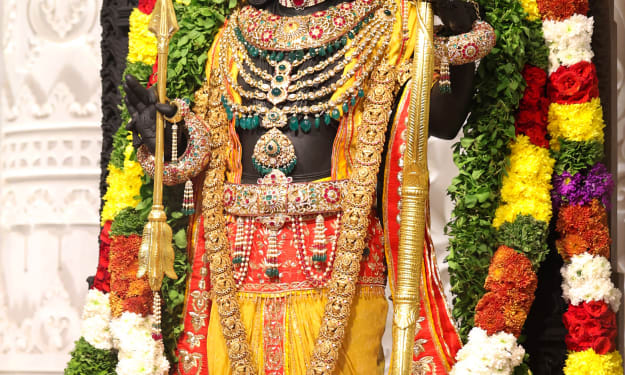
The Ram Mandir Dispute: Unraveling India’s Century-Old Saga of Faith, Politics, and Justice | Part-II
Post-Independence Developments (1947–1950) After India gained independence in 1947, tensions resurfaced just two years later. On the night of December 22, 1949, during a nine-day Ramcharitmanas recitation organized by the Akhil Bhartiya Ramayana Mahasabha, an idol of Ram Lalla was placed inside the Babri Masjid. The next morning, large crowds gathered, claiming it to be a divine emergence.
By Adarsh Kumar Singh2 years ago in History
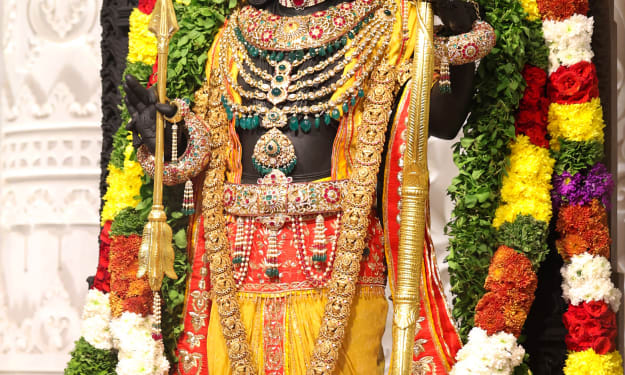
The Ram Mandir Dispute: Unraveling India’s Century-Old Saga of Faith, Politics, and Justice | Part-I
The birthplace of Lord Ram has been one of the oldest and most contentious issues in Indian history. Even today, discussing it often evokes strong emotions. This single dispute has not only caused turmoil in Ayodhya or Uttar Pradesh but has also led to riots across India, claiming thousands of lives. It is a case where, metaphorically, Lord Ram himself seemed to fight for his rightful place.
By Adarsh Kumar Singh2 years ago in History
Presidents Day 2024: Federal Offices, Banks Close Nationwide
Presidents Day 2024, officially known as Washington's Birthday, is a 145-year old federal holiday celebrated on February 19. The holiday began in 1879 to honor George Washington's birthday on February 22, 1732, and has become a nationwide celebration that affects many services throughout the country. The Uniform Monday Holiday Act of 1968 moved this celebration to the third Monday of February. This change created more than just a tribute to our nation's leaders. Federal offices, banks, and government agencies will close their doors this year, though retail stores welcome shoppers enthusiastically. Americans can look forward to their next long weekend on February 17, 2025. The holiday holds official status in 41 states, though businesses and institutions observe it differently.
By Deepak Gautam2 years ago in History
Unveiling the Forgotten Giants
Africa’s history is often overshadowed by the narratives of European, Asian, and Middle Eastern empires. Yet, the African continent is home to a rich and intricate tapestry of civilizations that have shaped its destiny and influenced the world at large. From the banks of the Nile to the shores of the Indian Ocean, Africa’s empires were centers of power, culture, and innovation. Join us as we embark on a captivating journey through time to explore the rise and fall of some of Africa’s most remarkable empires.
By KWAO LEARNER WINFRED2 years ago in History
Love, Freedom
Dear Marietta, Today is April 8, 1865. Tomorrow is when the Battle of Appomattox will happen and I will surely fight that battle. They say this will be the battle to end all battles in this civil war. Tomorrow may be the day that we end this war. A war measured in politics, oppression, and bloodshed.
By Joe Patterson2 years ago in History