Biographies
The Qin Empire: The Power That United the Chinese Nation
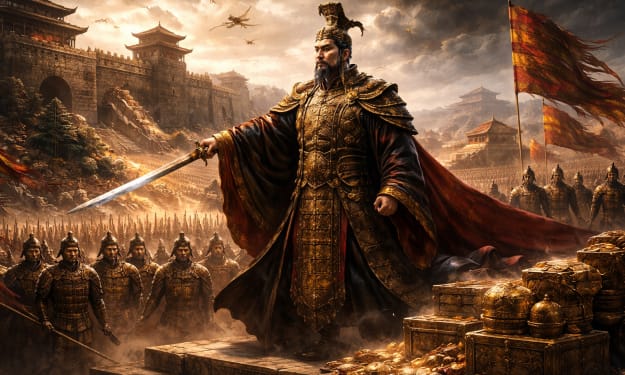
China Before Unification For centuries, China was divided into competing kingdoms, particularly during the Spring and Autumn Period and the Warring States Period. Powerful states such as Qin, Chu, Zhao, Wei, Han, Yan, and Qi fought relentlessly for territory and survival. Warfare was brutal, alliances were unstable, and millions suffered. Despite shared language roots, cultural practices, and philosophies like Confucianism and Daoism, there was no central authority to unite these regions. Each state had its own laws, currencies, and military systems, making unity seem impossible. Rise of the Qin State The state of Qin, located in the western frontier of China, was initially considered backward by its rivals. However, Qin’s location gave it access to fertile lands and natural defenses. More importantly, Qin adopted Legalism, a philosophy that emphasized strict laws, discipline, and centralized authority. Under reformers like Shang Yang, Qin transformed into a powerful military state. Land reforms rewarded farmers, merit-based ranks replaced noble privilege, and harsh laws ensured obedience. These reforms strengthened Qin’s economy and army, allowing it to outmatch rival states. Qin Shi Huang: The First Emperor In 246 BCE, a young ruler named Ying Zheng became king of Qin. By 221 BCE, after a series of decisive military campaigns, he defeated all rival states and declared himself Qin Shi Huang, meaning “First Emperor of Qin.” This was the first time in history that China was unified under a single emperor. Qin Shi Huang abolished the old feudal system and replaced it with a centralized bureaucratic government, directly controlled by the emperor. Administrative and Political Reforms Qin Shi Huang understood that unity required more than military conquest. He introduced sweeping reforms to standardize life across the empire: Standardized laws to ensure equal justice Unified currency to promote trade Standard weights and measures Standardized writing system, enabling communication across regions Uniform axle lengths for carts, improving road transportation These reforms reduced regional differences and helped forge a shared Chinese identity. Military Achievements and Defense The Qin Empire maintained unity through military strength. Qin Shi Huang ordered the construction and connection of defensive walls along the northern frontier, forming the early foundation of the Great Wall of China. This wall protected the empire from nomadic invasions and symbolized the boundary of Chinese civilization. The Qin army was well-organized, disciplined, and technologically advanced, using iron weapons and crossbows. Cultural Control and Controversies Despite his achievements, Qin Shi Huang ruled with extreme authority. Legalism allowed no opposition. One of the most controversial acts was the burning of books and burying of scholars, aimed at suppressing rival philosophies like Confucianism. While this strengthened central control, it also caused resentment among scholars and the population. Heavy taxes, forced labor, and harsh punishments made life difficult for ordinary people. The Terracotta Army and Immortality Qin Shi Huang was obsessed with immortality. He ordered the construction of a vast underground mausoleum guarded by the famous Terracotta Army—thousands of life-sized clay soldiers, horses, and chariots meant to protect him in the afterlife. This monument reflects both the emperor’s power and the enormous human cost of his rule, as countless laborers worked under brutal conditions. Fall of the Qin Empire After Qin Shi Huang’s death in 210 BCE, the empire quickly weakened. His successors lacked his authority and faced widespread rebellions fueled by public dissatisfaction. By 206 BCE, the Qin Empire collapsed, replaced by the Han Dynasty. Lasting Legacy Although short-lived, the Qin Empire permanently shaped China. The Han Dynasty retained most Qin administrative systems, legal frameworks, and territorial unity. Even the name “China” is believed to be derived from “Qin.” The Qin Empire proved that China could be unified and governed as a single entity, setting a model that future dynasties would follow for over two thousand years. Conclusion The Qin Empire was the force that united the Chinese nation through military brilliance, administrative genius, and uncompromising authority. While its methods were harsh, its achievements were revolutionary. Qin Shi Huang’s vision transformed China from a land of warring states into a unified civilization, laying the foundation for one of the longest continuous cultures in human history.
By Say the truth 9 months ago in History
Talleyrand: The Master Survivor
Few figures in history embody strategic survival as perfectly as Charles-Maurice de Talleyrand-Périgord. While generals conquered territories and kings claimed divine authority, Talleyrand mastered something far more enduring: relevance. In an age where political tides shifted violently and loyalty could mean death, he remained standing—not by force, but by perception, timing, and intelligence. He did not dominate history. He outlasted it.
By Fred Bradford9 months ago in History
The Mysterious Sword of King Tutankhamun: A Weapon from the Heavens
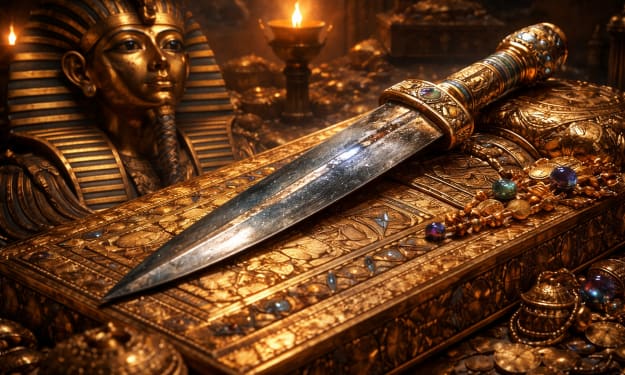
Discovery of the Tomb and the Blade In 1922, British archaeologist Howard Carter uncovered the nearly intact tomb of King Tutankhamun in the Valley of the Kings. Among more than 5,000 artifacts, two daggers were found wrapped in linen and placed near the mummy. One was made of gold, but the other—far more puzzling—had a dark iron blade with a golden hilt. This discovery raised immediate questions. Tutankhamun lived around 1332–1323 BCE, during the Bronze Age, when iron smelting technology was either unknown or extremely rare in Egypt. Iron objects from this period were almost unheard of, leading scholars to wonder: How did an iron blade end up in the tomb of a Bronze Age pharaoh? The Problem with Ancient Iron Iron is far more difficult to produce than bronze. It requires much higher temperatures to extract from ore, technology that Egypt would not fully develop until centuries later. For this reason, iron was extremely rare and valuable in Tutankhamun’s time—often more valuable than gold. Ancient texts refer to iron as “metal from heaven”, suggesting that early civilizations recognized its unusual origin. This description hinted that the blade might not have been forged from earthly iron at all. Scientific Breakthrough: A Blade from a Meteorite For decades, the true origin of Tutankhamun’s iron dagger remained a mystery. In 2016, scientists conducted non-invasive tests using X-ray fluorescence spectroscopy, allowing them to analyze the blade without damaging it. The results were astonishing: The blade contained high levels of nickel and cobalt This composition perfectly matched that of iron meteorites The metal was consistent with meteoritic iron that fell to Earth naturally This confirmed that Tutankhamun’s dagger was forged from a meteorite, making it one of the earliest known examples of meteoritic iron craftsmanship. Craftsmanship Beyond Its Time What makes the dagger even more remarkable is its exceptional craftsmanship. The blade shows no rust, cracks, or flaws, even after more than 3,300 years. The golden hilt is decorated with intricate designs, and the blade fits perfectly into its sheath. This level of metallurgical skill suggests that ancient craftsmen not only recognized the value of meteoritic iron but also knew how to cold-hammer and shape it without advanced furnaces. Such expertise indicates a sophisticated understanding of materials long before the Iron Age officially began. Symbolic and Religious Significance To the ancient Egyptians, objects from the sky were deeply sacred. Meteorites were associated with the gods, the stars, and the afterlife. Using a blade forged from a fallen star would have had enormous symbolic meaning. The dagger likely represented: Divine power Royal authority Protection in the afterlife Some scholars believe the blade was meant to serve Tutankhamun in the afterlife, ensuring his protection among the gods. The idea that the weapon came from the heavens reinforced the belief that the pharaoh himself had divine origins. Was the Dagger a Gift? Another intriguing theory suggests that the dagger may not have been made in Egypt at all. Similar meteoritic iron artifacts have been found in regions such as Anatolia and the Near East, where advanced metalworking techniques existed earlier. Historical records show that Egypt had strong diplomatic ties with neighboring kingdoms. The dagger could have been: A royal gift A diplomatic offering A prized heirloom passed through generations If so, the weapon may represent international connections and elite trade networks of the ancient world. Sword or Dagger? Although often referred to as a sword, the weapon is technically a dagger due to its size. However, its ceremonial importance far outweighs its physical dimensions. It was not meant for battlefield combat but as a symbol of power, protection, and divine favor. Why the Mystery Endures Tutankhamun’s dagger continues to fascinate historians, scientists, and the public because it challenges assumptions about ancient technology. It proves that: Ancient civilizations used advanced materials creatively Knowledge and skill existed beyond what textbooks once suggested Mythological references to “heavenly metals” were rooted in real experience The blade stands at the intersection of science, history, and mythology.
By Say the truth 9 months ago in History
The Lost Treasure of Ashoka: Myth, History, and Mystery. AI-Generated.
Ashoka’s Immense Wealth and Power At the height of Ashoka’s reign, the Mauryan Empire was the largest political entity ever seen in the Indian subcontinent. It stretched from present-day Afghanistan to Bengal, and from the Himalayas to central India. Such an empire required enormous financial resources.
By Say the truth 9 months ago in History
If War Had Erupted Between Ashoka and the Three Kings of South India: An Alternate History Scenario
In reality, no direct war occurred between Ashoka and these southern kingdoms. But if circumstances had been different—if diplomacy had failed and war had erupted—the consequences would have been profound, reshaping Indian history in dramatic ways. This article explores a hypothetical scenario: what might have happened if Ashoka had gone to war against the three southern kings. The Causes That Could Have Triggered War Several factors could have pushed Ashoka toward conflict: Breakdown of diplomatic relations Disruption of trade routes between North and South India Rebellion in southern frontier regions Pressure from Mauryan military commanders seeking expansion Resistance to Ashoka’s moral policies or Buddhist missions Had any of these escalated, Ashoka—still possessing one of the world’s largest armies—might have chosen military intervention. Military Strength: Maurya vs Southern Kingdoms Ashoka’s Mauryan Army was unmatched in scale: Hundreds of thousands of infantry Tens of thousands of cavalry Thousands of war elephants Advanced logistics and centralized command The Southern Kings, however, had their own strengths: Highly motivated regional armies Expert knowledge of local terrain Strong naval forces and coastal control Guerrilla-style warfare tactics Unlike the open plains of northern India, South India’s forests, rivers, hills, and monsoon climate would pose severe challenges to a Mauryan invasion. Phase One: The Mauryan Advance South If war began, Ashoka’s forces would likely advance past the Vindhya Mountains, securing central India before pushing into the Deccan plateau. Early Mauryan victories would be likely due to sheer numbers and disciplined formations. However, supply lines would stretch dangerously long. Monsoon rains, tropical diseases, and unfamiliar terrain would slow progress. Southern armies would avoid direct confrontation, instead targeting Mauryan camps, supply convoys, and communication lines. Phase Two: Resistance of the Three Kings The Chola, Chera, and Pandya kings—though rivals among themselves—would likely form a temporary confederation against the common threat. The Cholas would dominate river plains and fortify urban centers The Cheras would use forest warfare and mountain ambushes The Pandyas would control southern trade routes and ports Their unity, even if temporary, would significantly increase resistance. The Mauryan elephants—so effective in northern warfare—would struggle in dense jungles and narrow passes. Human Cost and Ashoka’s Inner Conflict As battles intensified, casualties would rise sharply—among soldiers and civilians alike. Villages would be destroyed, agriculture disrupted, and temples and cities damaged. For Ashoka, this would trigger a second moral crisis, possibly even deeper than Kalinga. Witnessing suffering once again, Ashoka’s commitment to Dharma might clash violently with imperial ambition. At this point, Ashoka might: Halt the campaign mid-way Seek immediate peace talks Replace generals who pushed aggressive strategies Possible Outcomes of the War Scenario 1: Mauryan Military Victory If Ashoka persisted and won: South India would come under Mauryan political control Massive administrative challenges would follow Frequent rebellions would weaken the empire Ashoka’s moral legacy would be permanently damaged Such an empire would likely fragment after Ashoka’s death. Scenario 2: Stalemate and Treaty More realistically, the war would end in a stalemate: Neither side achieves complete dominance A treaty recognizes southern autonomy Trade routes are restored Mauryan forces withdraw This outcome would preserve southern independence while reinforcing Ashoka’s preference for peace. Scenario 3: Strategic Withdrawal by Ashoka Ashoka could choose to abandon the campaign: Publicly renounce the war Declare Dharma victory over conquest Strengthen diplomatic ties instead This would elevate Ashoka’s reputation as a moral ruler even further. Long-Term Impact on Indian Civilization A full-scale war would delay: Cultural flowering of Sangam literature Spread of Buddhism through peaceful means Economic growth via maritime trade South India’s unique identity might be altered under northern administration. Alternatively, resistance could strengthen southern unity earlier in history. Why War Ultimately Did Not Happen
By Say the truth 9 months ago in History
Ashoka and the Three Kings of South India: Power, Diplomacy, and Moral Conquest
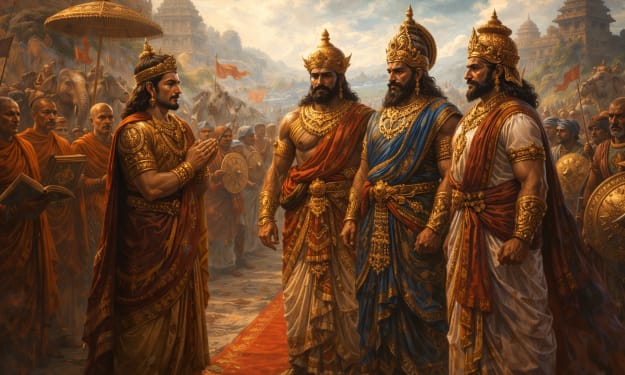
Unlike his northern campaigns, Ashoka did not wage a full-scale war against these southern powers. Instead, his interaction with them reveals a unique blend of political realism, military restraint, and ideological influence. The Mauryan Empire at Its Peak By the mid-3rd century BCE, the Mauryan Empire under Ashoka stretched from Afghanistan in the northwest to Bengal in the east, and from the Himalayas in the north to the Vindhya ranges in central India. After the devastating Kalinga War (c. 261 BCE), Ashoka experienced profound remorse over the human cost of warfare. This event marked a turning point in his reign. Though Ashoka remained a powerful emperor with a massive standing army, he consciously chose a different path—Dhamma (Dharma)—a policy emphasizing moral governance, tolerance, non-violence, and welfare. The Three Kings of South India During Ashoka’s reign, South India was ruled by three ancient and powerful dynasties: The Cholas – Dominant in the fertile Kaveri delta The Cheras – Ruling parts of present-day Kerala and western Tamil Nadu The Pandyas – Based in the Madurai region These kingdoms were culturally rich, economically strong, and politically independent. They controlled important trade routes, especially maritime commerce with Rome, Southeast Asia, and Sri Lanka. Was There a War Between Ashoka and the Southern Kings? Historical evidence strongly suggests that Ashoka did not conduct a direct military invasion of the Cholas, Cheras, or Pandyas. This is significant, considering Ashoka’s immense military capability. In Ashoka’s 13th Rock Edict, he explicitly mentions the southern kingdoms: “The Cholas, the Pandyas, the Satiyaputras, the Keralaputras…” This inscription confirms that these kingdoms lay outside Mauryan political control, yet were fully acknowledged by Ashoka. Instead of war, Ashoka pursued diplomacy, cultural influence, and moral authority. Why Ashoka Did Not Invade South India Several reasons explain Ashoka’s restraint: Geographical Challenges Dense forests, rivers, and mountain ranges made southern campaigns logistically difficult. Economic Pragmatism The southern kingdoms were key trade partners. War would disrupt commerce and revenue. Post-Kalinga Transformation Ashoka’s conversion to Buddhism led him to renounce aggressive warfare. Stable Southern Powers The Cholas, Cheras, and Pandyas were well-organized and not weak targets. Moral Conquest Instead of Military Conquest Ashoka introduced the concept of “Dhamma-Vijaya” (Victory through Dharma), replacing “Dig-Vijaya” (Victory through War). This ideological conquest aimed to win hearts rather than territories. Ashoka sent: Buddhist missionaries Medical aid Herbal and animal welfare knowledge Moral teachings on tolerance and compassion These efforts extended to South India, where Buddhism gradually gained influence without coercion. Cultural Exchange and Religious Influence Although South India did not become politically Mauryan, Ashoka’s reign contributed to: The spread of Buddhism in Tamil regions Construction of stupas and monasteries Growth of ethical governance ideals Archaeological findings in Tamil Nadu and Kerala suggest early Buddhist presence, likely supported by Ashoka’s missionary policy. The Strength of the Southern Kings It is important to recognize that the southern kings were not passive recipients of Ashoka’s influence. Sangam literature portrays them as: Brave warriors Skilled administrators.
By Say the truth 9 months ago in History
Chandragupta Maurya vs the Greek Empire: The Clash That Reshaped Ancient India
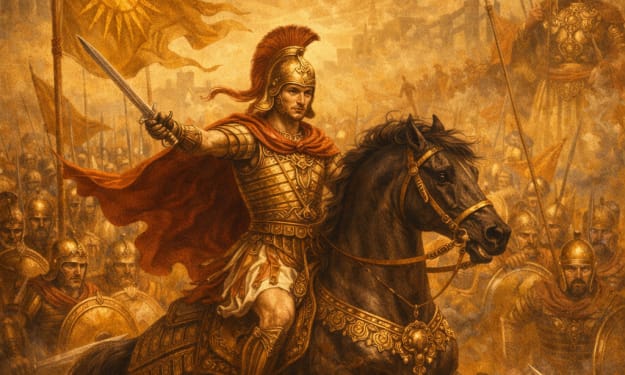
Background: Alexander’s Invasion and Its Aftermath The roots of the conflict trace back to Alexander the Great’s invasion of India in 326 BCE. Although Alexander defeated King Porus at the Battle of Hydaspes, his army refused to advance further east. Upon his return westward and his death in 323 BCE, Alexander’s vast empire fractured among his generals, known as the Diadochi. In northwestern India, Greek governors and satraps were left behind to maintain control over regions such as Punjab, Gandhara, Arachosia, and parts of present-day Afghanistan. These territories were unstable, and Greek authority was weak, creating an opportunity for a rising Indian leader. Rise of Chandragupta Maurya Chandragupta Maurya, guided by his brilliant strategist Chanakya (Kautilya), overthrew the unpopular Nanda Dynasty around 321 BCE and established the Mauryan Empire with its capital at Pataliputra (modern Patna). Unlike previous Indian rulers, Chandragupta aimed to unify the entire subcontinent under a centralized administration. Recognizing the vulnerability of the Greek-held territories in the northwest, Chandragupta moved swiftly to reclaim them. His ambition brought him into direct conflict with Seleucus I Nicator, one of Alexander’s most powerful successors and founder of the Seleucid Empire. The Greek Empire Under Seleucus I Nicator Seleucus I controlled vast lands stretching from Asia Minor to Persia and parts of Central Asia. However, his eastern territories were distant, difficult to govern, and constantly threatened by local uprisings. When Chandragupta began advancing into Greek-controlled regions, Seleucus was forced to personally lead an expedition to reassert control. This led to a full-scale war between the Mauryan Empire and the Greek Empire around 305 BCE. The War: Strategy and Military Strength
By Say the truth 9 months ago in History
GIVE PEACE A CHANCE
Give Peace a Chance I remember the day John Lennon was shot. It was December 8, 1980, and the news hit the world like a devastating storm. But it wasn’t just the loss of a singer or songwriter; it felt like the silencing of a philosopher, a man who used music to speak truth to power and feed the souls of millions.
By ♿ V+ Marie381Uk 9 months ago in History
Wealth Reserves and Economic Power of the Madurai Rulers during the First Sangam Age. AI-Generated.
The Madurai rulers of the Sangam Age possessed immense wealth derived from trade, agriculture, tribute, and natural resources, making them among the richest monarchs of ancient India.
By Say the truth 9 months ago in History
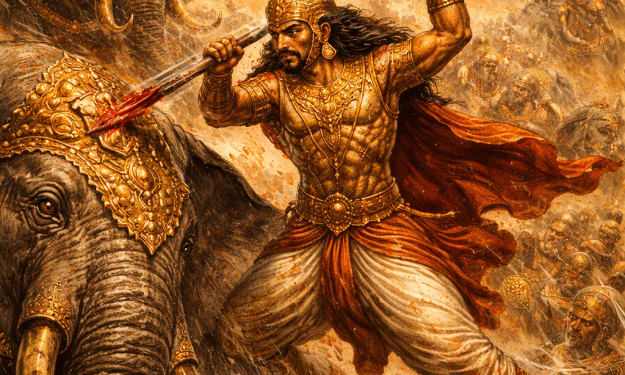
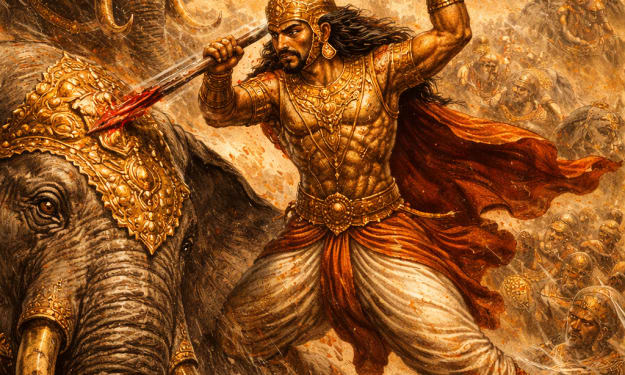
The Chola Dynasty and the Legend of the Hundred-Elephant-Slaying Warrior. AI-Generated.
Among the many heroic traditions associated with the Cholas is the legendary account of a warrior said to have slain one hundred war elephants in battle—a symbol of unmatched courage, strength, and battlefield mastery. Though this account blends history and legend, it reflects the martial culture of the Chola era and the extraordinary challenges faced by warriors during medieval warfare. Rise of the Chola Dynasty
By Say the truth 9 months ago in History
Alexander the Great’s Body Preservation Method: History, Mystery, and Science
Ancient historians describe Alexander’s corpse as remaining uncorrupted for several days, even weeks, which led many to believe he was divine. The method used to preserve his body has intrigued historians, scientists, and medical scholars for centuries.
By Say the truth 9 months ago in History