Ancient
The Tale of the Stolen 400-Year-Old Bonsai Tree: A Master’s Love and a Plea for Care
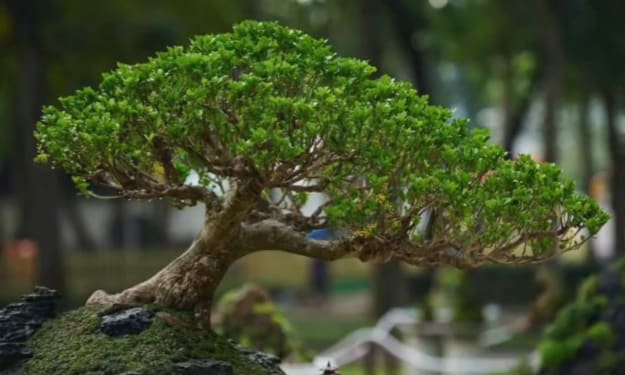
In a story that tugs at the heartstrings of nature lovers and bonsai enthusiasts alike, the theft of a rare 400-year-old Japanese bonsai tree in January 2019 became a symbol of love, devotion, and the deep emotional connection between humans and nature. Stolen from the garden of master bonsai artist Seiji Iimura in the small town of Saitama, Japan, this tree was more than just a plant. It represented centuries of meticulous care, tradition, and the profound bond that develops between a bonsai master and his creations. What makes this story even more remarkable is not just the loss of the centuries-old tree but the reaction of Seiji Iimura and his family. Rather than focusing on the financial or personal loss, Iimura chose to publicly share instructions on how to properly care for the stolen bonsai. His only request to the thief was that the tree be given the attention and love it needed to survive. A Legacy of Care: The Art of Bonsai To fully understand the depth of this story, it’s important to appreciate the art of bonsai itself. Bonsai, which translates to “planted in a container,” is an ancient Japanese practice that involves growing and shaping small trees to mimic the form and scale of their full-sized counterparts. Bonsai trees are not just decorative plants; they are living works of art that require years—sometimes decades or even centuries—of dedication, patience, and care. Seiji Iimura’s bonsai garden in Saitama was home to multiple trees, many of which were hundreds of years old. Each tree had been passed down through generations, becoming part of the Iimura family’s history. The stolen bonsai, a shimpaku juniper tree, was especially precious. It had been cultivated and cared for by the family for centuries, making it not only a rare specimen but also a living symbol of their legacy and devotion to the art form. Bonsai masters like Iimura develop a profound connection with their trees, viewing them almost as living beings that demand attention, nurturing, and care. The stolen juniper tree, over 400 years old, was no exception. To Iimura, it was like a child—fragile, sensitive, and deeply cherished. The Theft: A Heartbreaking Loss In the dead of night, thieves broke into the Iimura family’s garden and took off with seven prized bonsai trees, including the 400-year-old shimpaku juniper. The loss of these ancient trees was devastating. For Seiji Iimura, it wasn’t about the monetary value of the trees (though they were collectively worth hundreds of thousands of dollars), but the emotional attachment he and his family had to them. The stolen juniper tree was a masterpiece, representing not only 400 years of careful cultivation but also the soul of the Iimura family’s bonsai tradition. In bonsai culture, a tree is not just grown—it is shaped, refined, and trained over many years. The bonsai master dedicates time and energy to ensuring the tree thrives, keeping its roots healthy, pruning its branches, and sculpting its form. Each bonsai tells the story of its master’s skill and care, and the theft of such a tree is akin to the loss of a treasured family member. A Master’s Plea: Caring for the Stolen Tree In an unexpected turn of events, instead of responding with anger or demands for the tree’s return, Seiji Iimura made a public plea. His message to the thief was simple and deeply emotional: take care of the tree. “Please water my shimpaku,” he urged, explaining that without proper care, the centuries-old tree would not survive. Bonsai trees, especially ones as rare and ancient as the stolen juniper, require daily attention. Without the right amount of water, sunlight, and nutrients, the tree could wither and die within weeks. Iimura’s plea was not about reclaiming his stolen property but about ensuring the survival of the tree. He shared detailed instructions on how to water and care for the bonsai, emphasizing that it must not be left to dry out. His words reflected the deep bond he felt with the tree, likening it to a child he had raised for 25 years. For him, losing the tree was not just a loss of material wealth but the potential death of something he had nurtured and loved. A Symbol of Patience, Love, and Resilience This story transcends the world of bonsai and speaks to the broader themes of care, patience, and the human connection to nature. The 400-year-old tree was more than just a stolen object—it was a symbol of centuries of effort, tradition, and love. Its theft not only broke the heart of its caretaker but also highlighted the fragility of nature and the responsibility we all have to protect and nurture the world around us. Iimura’s response to the theft serves as a reminder of the power of love and care, even in the face of loss. His instructions to the thief, focused solely on the well-being of the tree, exemplify a profound respect for life. In a world where material possessions often take precedence, Iimura’s plea was a refreshing reminder of the importance of nurturing living things. The Fate of the Bonsai As of today, the whereabouts of the stolen bonsai remain unknown. However, the story of Seiji Iimura’s 400-year-old juniper tree continues to resonate with people around the world. It serves as a poignant reminder of the fragility of life and the need for care, whether it be for a centuries-old tree or for the world we live in. The stolen bonsai, with its intricate branches and deep history, may or may not be returned. But the lesson of love, patience, and dedication that it represents will endure for generations to come. Whether in the hands of a thief or back in its rightful home, the tree remains a symbol of the profound connection between humans and nature—a bond that transcends ownership and speaks to the very heart of what it means to care for life.
By Deji Akomolafe2 years ago in History
The Discovery of the Roman Baths: Uncovering One of Northern Europe’s Finest Historic Sites
The Roman Baths, located in the city of Bath, England, are among the most well-preserved ancient monuments in Northern Europe, offering a captivating glimpse into life during Roman Britain. Today, the Baths are a popular tourist destination, drawing hundreds of thousands of visitors each year. However, the site lay hidden for centuries beneath layers of modern development until a remarkable discovery in the late 19th century brought the ancient baths back to light. At the heart of this incredible story of rediscovery is Major Charles Davis, an architect and surveyor for the city of Bath, whose determination and vision transformed what was once a forgotten relic of the past into one of the most celebrated historical sites in the world. The Initial Discovery: A Leak and a Legacy Unearthed In 1878, Major Charles Davis was called to address what seemed to be a relatively mundane issue. A leak had been detected in the King’s Bath, a smaller thermal bath that had been used since the medieval period. The King’s Bath was fed by the same hot springs that had made Bath famous since Roman times, but no one had fully realized that the waters once flowed through much grander, ancient structures lying hidden beneath the city. Intrigued by the leak and suspecting there might be more to the area, Davis decided to investigate further. His curiosity paid off when, during initial digging, he uncovered Roman tiles, lead pipes, and fragments of pottery. These discoveries were the first tantalizing signs of a much larger, forgotten Roman complex. Excited by the possibility that the ruins of the ancient Roman baths lay beneath the modern city, Davis began a more extensive excavation. However, this was no easy task. The Great Bath, the centerpiece of the ancient complex, was located under densely packed buildings that had been constructed over centuries, making access to the site difficult. The Great Bath: A Challenging Excavation Over the following years, Davis continued to lead the excavation of the Roman Baths, gradually uncovering more of the site. It became clear that the ancient bath complex was far more extensive than originally imagined, with the Great Bath being one of the most impressive features. The Great Bath, a large open-air pool, had been used by the Romans for both social and religious purposes, as it was heated by the naturally warm, mineral-rich waters that still flow from the city’s famous hot springs. However, uncovering this magnificent structure proved to be a daunting task. The area above the Great Bath was covered by various buildings, many of which had been in use for centuries. These buildings made the excavation slow and complex, and for years, Davis worked around them as best he could. In 1880, realizing that the full potential of the site could not be explored unless the buildings above it were removed, Davis persuaded the city authorities to take action. The decision was made to acquire the properties above the Great Bath, which were then demolished to allow for a more comprehensive excavation of the site. By 1883, the Great Bath was finally cleared of the buildings that had obstructed it for so long, and the true grandeur of the ancient structure was revealed. With the pool now visible and restored, the Roman Baths were opened to the public. In its first year, over 10,000 visitors came to see the remarkable ruins, sparking widespread interest in the site and ensuring its future as a tourist attraction. New Discoveries and the Temple Precinct As the excavation of the Roman Baths continued, Davis and his team made a number of additional discoveries that further highlighted the significance of the site. The baths themselves were part of a much larger complex that included not only bathing facilities but also temples and other buildings associated with Roman religion and social life. In 1895, while excavating near the baths, Davis uncovered much of the Temple Precinct, including part of the sacrificial altar and the main entrance to the temple. Though Davis may not have fully realized the significance of these discoveries at the time, they represented one of the most important finds of his career. The Temple Precinct was dedicated to Sulis Minerva, a hybrid goddess combining the Celtic deity Sulis with the Roman goddess Minerva. This fusion of religious traditions demonstrated the cultural blending that occurred during Roman Britain, and the site became an important center of worship for both Romans and native Britons. The discovery of the temple precinct helped historians and archaeologists better understand the religious and social life of Roman Bath. The sacrificial altar, in particular, provided key insights into the rituals and offerings that were conducted at the temple, which would have been a focal point for worshippers who sought healing or blessings from the goddess. The Legacy of Major Charles Davis Major Charles Davis’s work at the Roman Baths stands as a testament to his dedication, vision, and perseverance. What began as a routine investigation into a leaking bath ultimately led to one of the most significant archaeological discoveries in Britain. Davis’s efforts not only uncovered the baths themselves but also revealed an entire Roman complex that had lain hidden for nearly 1,500 years. Today, the Roman Baths are a UNESCO World Heritage site, drawing visitors from around the world who come to marvel at the ancient architecture, the sacred hot springs, and the rich history of Roman Britain. The baths have become an iconic symbol of the city of Bath and a reminder of the ingenuity and engineering prowess of the Roman Empire. Major Davis’s role in this story is often overshadowed by the grandeur of the baths themselves, but without his determination, much of the site might still remain buried beneath the city. His work laid the foundation for future excavations and ensured that the Roman Baths would be preserved and appreciated for generations to come. As visitors walk through the ancient ruins today, they are not only stepping into the past but also paying homage to the legacy of a man who dedicated much of his life to uncovering one of Europe’s finest historic treasures. The Roman Baths stand as a monument not only to Roman civilization but also to the enduring power of curiosity, discovery, and preservation.
By Deji Akomolafe2 years ago in History
Discover Zambia: Top 5 Cultural Experiences You Can't Miss. AI-Generated.
Zambia, known for its breathtaking natural beauty and iconic wildlife, is also a land of rich cultural heritage and vibrant traditions. Beyond the famous safaris and Victoria Falls, the country offers a wealth of cultural experiences that allow visitors to immerse themselves in its history, customs, and way of life. From traditional ceremonies to crafts and local cuisine, exploring Zambia’s cultural landscape offers a deeper connection to the heart of Africa.
By Mutale Ngoma2 years ago in History
4,000-Year-Old Chinese Ceramic Water Pipes: A Glimpse into Neolithic Engineering at Pingliangtai
In the annals of human history, few discoveries are as remarkable as those that reveal the engineering prowess of ancient civilizations. Recent archaeological findings from the Pingliangtai site, located in the Central Plains of China, have uncovered a stunning piece of Neolithic ingenuity: 4,000-year-old ceramic water pipes. This discovery sheds light on the advanced water management systems used by early Chinese settlers and provides a glimpse into how these ancient people harnessed the environment to sustain and protect their communities. The Significance of Pingliangtai Pingliangtai is an important archaeological site in China's Henan Province, where excavations have unearthed a wealth of evidence pointing to a complex and well-organized society during the Neolithic period. The settlement, dating back to around 2,000 BCE, belonged to the Longshan culture, a prehistoric civilization known for its early urban development, advanced pottery, and use of sophisticated tools. The recent discovery of ceramic water pipes adds to the growing body of evidence showing that the people of Pingliangtai were far ahead of their time in urban planning and infrastructure development. These pipes, which are believed to be among the oldest examples of ceramic water management systems in the world, demonstrate the community’s impressive capacity to engineer solutions to environmental challenges, especially in the context of water control. Neolithic Water Management: The Function of the Ceramic Pipes Water management is one of the fundamental pillars of civilization. For ancient settlements like Pingliangtai, ensuring a stable and controllable water supply was crucial for both daily life and agricultural activities. However, managing water flow also posed significant challenges, particularly in regions prone to seasonal flooding or drought. The ceramic pipes discovered at Pingliangtai were part of an intricate system designed to manage the settlement’s water needs and protect it from flooding. These pipes were strategically placed beneath the ground to channel rainwater and excess runoff away from the residential areas, reducing the risk of waterlogging during heavy rains. By directing the water flow into safe drainage systems, the Neolithic engineers were able to prevent flooding, which would have otherwise destroyed homes and farmlands. The use of ceramic as the material for these pipes is significant. Ceramics, made from baked clay, are durable and capable of withstanding the erosive forces of water. These ancient pipes were carefully crafted with interlocking sections, showing a high level of precision and foresight in their construction. The ability to connect multiple pipes to create an extensive network speaks to the organizational and technical skills of the Neolithic engineers. Urban Planning and the Role of Water Control The discovery of these ceramic water pipes highlights the advanced urban planning that was taking place in Pingliangtai. Far from being a rudimentary village, this settlement demonstrates characteristics of early cities, where planning and infrastructure were key elements in the community’s survival. The water pipes are evidence of a carefully thought-out drainage system, where specific areas of the settlement were designed to serve different functions. Residential areas were likely located on slightly higher ground, while channels were built to direct water flow away from these spaces. The pipes were part of a broader system that included ditches, reservoirs, and possibly even irrigation channels for agriculture. This type of infrastructure would have required collaboration among the people of Pingliangtai. It implies not only technical knowledge but also social organization—different members of the community would have been responsible for maintaining and repairing the pipes, ensuring that the water management system continued to function effectively. This degree of cooperation and coordination suggests that the community had a form of governance or leadership that oversaw these activities. Implications for Understanding Ancient Chinese Civilization The discovery of these 4,000-year-old ceramic pipes not only changes our understanding of water management in ancient China but also offers insights into the broader scope of Chinese Neolithic culture. It challenges the assumption that early Neolithic societies were primitive or lacked complex technologies. Instead, the Pingliangtai settlement demonstrates that these ancient people possessed advanced knowledge of engineering, hydrology, and urban planning long before such techniques became widespread in other parts of the world. Furthermore, this discovery contributes to the growing recognition of the Longshan culture as a precursor to later Chinese dynasties. The ingenuity seen at Pingliangtai provides a foundation for understanding how these early developments in water management and urban planning may have influenced subsequent Chinese civilizations, including the Xia, Shang, and Zhou dynasties. These later cultures would continue to refine water control methods, leading to the construction of large-scale irrigation systems and the famous canals that are synonymous with ancient Chinese engineering. A Legacy of Innovation The ceramic water pipes of Pingliangtai offer a glimpse into a time when human ingenuity was driven by the need to adapt to the natural environment. Faced with the challenges of water management, the Neolithic people of China developed practical solutions that not only ensured their survival but also allowed their society to flourish. Today, this discovery serves as a testament to the resilience and innovation of our ancient ancestors. It reminds us that the drive to create, solve problems, and build infrastructure has deep roots in human history, stretching back thousands of years. As we continue to explore the past, we are constantly reminded that the achievements of ancient civilizations still have much to teach us about the foundations of modern society. The discovery of these ancient pipes at Pingliangtai not only enhances our understanding of early Chinese civilization but also contributes to the global narrative of how humans have interacted with and shaped their environments throughout history. It’s a humbling reminder of the ingenuity that has long defined humanity’s progress.
By Deji Akomolafe2 years ago in History
The Lloyds Bank Coprolite: The Largest Preserved Viking Poop Ever Found
In the world of archaeology, discoveries often come in unexpected shapes and sizes. One such unique find is the Lloyds Bank Coprolite, a preserved Viking poop that has earned its place in the annals of history as the largest human coprolite ever discovered. This 8-inch-long and 2-inch-wide relic, dating back to the 9th century AD, offers a surprising glimpse into the life and health of a Viking over 1,200 years ago. Although its value may seem odd to some, this "precious" poop is now worth an estimated $39,000 and is a prized piece of history. But how did a piece of ancient fecal matter come to be so important? And what can it tell us about the Viking world? Let’s dive into the fascinating story of the Lloyds Bank Coprolite. The Discovery: A Viking’s Legacy Unearthed The story of the Lloyds Bank Coprolite begins in 1972 when construction workers in York, a city in northwest England, were digging to build a new Lloyds TSB office. York, once known as Jórvík, was a thriving Viking settlement during the 9th century AD. It was ruled by Norse warriors who had made the city their home following their conquests in England. The construction site was located in an area that had been part of this bustling Norse settlement. As the workers dug deeper into the earth, they uncovered something unusual—an 8-inch-long, 2-inch-wide piece of ancient fecal matter. Little did they know that this would become one of the most significant and peculiar archaeological finds of the 20th century. Upon closer examination, experts identified the specimen as a coprolite, the scientific term for fossilized or preserved feces. The massive size and state of preservation immediately set it apart from other findings, and it was soon dubbed the Lloyds Bank Coprolite, after the location where it was discovered. Further analysis revealed that the coprolite was around 1,200 years old, making it a relic from the time of the Viking occupation of York. The Significance of the Lloyds Bank Coprolite While it may seem humorous at first glance, the Lloyds Bank Coprolite provides valuable insights into the diet, health, and daily life of the Vikings who once lived in York. Coprolites, though unglamorous, are treasure troves of information for archaeologists. By studying ancient feces, scientists can learn a great deal about what people ate, their environment, and even their overall well-being. In the case of the Lloyds Bank Coprolite, the contents of the specimen revealed that its Viking owner had a diet rich in meat and grains, typical of the Norse diet of the time. However, it also showed signs of poor digestive health. Analysis uncovered traces of parasites, specifically whipworm and maw-worm eggs, which suggest that the Viking who produced this coprolite was suffering from intestinal distress or infection. This finding is significant because it highlights the health challenges faced by people in the Viking era, including the prevalence of parasitic infections. Moreover, the sheer size of the coprolite suggests that the individual who created it had consumed a large quantity of food, but it also points to possible digestive issues. The Viking may have been constipated or experiencing other gastrointestinal problems, which would explain the unusually large size of the feces. What the Lloyds Bank Coprolite Teaches Us About Viking Life Beyond the medical details, the Lloyds Bank Coprolite offers a glimpse into everyday Viking life. Vikings were known for their seafaring conquests, but they were also skilled farmers, traders, and settlers. York, or Jórvík, was one of their most important settlements in England, and its rich archaeological layers have revealed much about the Viking way of life. The coprolite suggests that meat and grains were staple foods in the Viking diet, which aligns with what we know about Norse eating habits. Vikings raised livestock, hunted, and gathered, making meat an essential part of their diet. Grains like barley and oats were also common, as they were used to make porridge and bread. However, the presence of parasites in the feces also tells us that living conditions may not have been ideal. Sanitation practices were likely rudimentary, and close living quarters, combined with limited access to clean water, would have made parasitic infections common. The discovery of parasites in the Lloyds Bank Coprolite is a reminder that, despite their warrior reputation, the Vikings faced many of the same health challenges as other ancient peoples. From Feces to Fame: The Lloyds Bank Coprolite Today Today, the Lloyds Bank Coprolite is a valued artifact on display at the Jorvik Viking Centre in York, where it attracts thousands of curious visitors each year. Its unusual nature, combined with its scientific value, has made it a star exhibit. The coprolite’s estimated worth of $39,000 is a testament to its importance in the archaeological world, where even the most unlikely objects can reveal profound truths about the past. For many, the coprolite is a source of amusement, but for historians and archaeologists, it is a window into the world of the Vikings—a civilization known for its strength, resilience, and adaptability. While the Lloyds Bank Coprolite may not be the most glamorous find, it has contributed to our understanding of Viking life in ways that more conventional artifacts could not. Conclusion: A Humble Poop with a Big Story The discovery of the Lloyds Bank Coprolite is a reminder that history is full of surprises. What might seem insignificant at first glance can hold tremendous value, both in terms of scientific knowledge and cultural insight. The preserved Viking poop, once worn by a sick Norse warrior in the 9th century AD, offers a rare glimpse into the diet, health, and daily life of a long-lost era. In the end, the Lloyds Bank Coprolite is more than just an ancient poop—it’s a fascinating piece of the Viking legacy, connecting us to a past that is both strange and surprisingly familiar.
By Deji Akomolafe2 years ago in History
Is the US's Counter-China Strategy in the South China Sea a Double-Edged Sword
The South China Sea has emerged as a pivotal battleground in the escalating geopolitical rivalry between the United States and China. Recent actions taken by the US to counter China's assertive territorial claims in the region raise concerns that intensified efforts could inadvertently lead to confrontations, destabilizing the already fragile balance of power in Southeast Asia.
By Global News Update2 years ago in History
Professor GN Saibaba: A Voice for Human Rights and the Quest for Justice
Professor GN Saibaba, a former English professor at Delhi University, has emerged as one of India’s most prominent advocates for human rights, particularly for the marginalized and indigenous communities in the country. Despite facing immense personal and professional challenges, including his imprisonment and physical disability, Saibaba’s activism and scholarship continue to ignite debates about civil liberties, state oppression, and justice in India. This article delves into the life, activism, and legacy of Professor GN Saibaba, highlighting his contributions and ongoing struggle for human rights.
By Zinnat ara Begum2 years ago in History
This 100-Year-Old Corpse Blinks Twice Every Day: Rosalia Lombardo
What do Arnold Vosloo, Saint Teresa of Calcutta, the boy king Tutankhamun, the woman who forcibly ejected you from her body on the day you were born, and Ötzi the Iceman have in common? That's right— they're all mummies! While we’re particularly interested in the soft-tissue-preserved variety of mummies in this tale, I assure you, your mum’s not included.
By Marveline Merab2 years ago in History
StoneHenge take 2
Whispers of Stonehenge by George’s Girl In the heart of a land so ancient, where the very soil breathes the remnants of time, there lies a monument that has withstood the ages—Stonehenge. This iconic structure, with its colossal stones standing resolute against the passage of centuries, weaves a picture imbued with the threads of history, mystery, and magic. Bathed in the ethereal glow of twilight, it beckons to those who seek to uncover the secrets held within its embrace, whispering stories from ages long past to anyone willing to listen.
By ♿ V+ Marie381Uk 2 years ago in History
The Knights Templar: From Humble Guardians to Powerful Order
Few historical organizations capture the imagination quite like the Knights Templar. Despite being officially disbanded nearly a millennium ago, these Christian warrior monks continue to feature prominently in popular culture, from video games to blockbuster films. But while conspiracy theories about their supposed modern-day influence abound, the true story of the Knights Templar is just as fascinating as any fiction.
By KWAO LEARNER WINFRED2 years ago in History
The Immortal Count: Unravelling the Mystery of St. Germain
In the glittering salons of 18th-century Europe, one man stood out among the powdered wigs and silk finery. He spoke multiple languages with ease, played the violin like a virtuoso, and captivated audiences with tales of historical events so vivid it seemed he had witnessed them first-hand. This enigmatic figure was known as the Count of St. Germain, and his story is one that continues to fascinate and perplex historians to this day.
By KWAO LEARNER WINFRED2 years ago in History
The Mysterious Underground City of Derinkuyu: A Hidden Marvel of Ancient Engineering
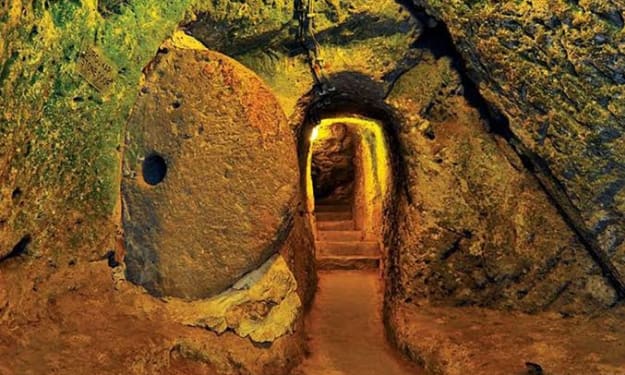
Imagine knocking down a wall in your basement and discovering a passage that leads to an ancient, sprawling underground city. This remarkable scenario became reality for a Turkish man in 1963 when he unwittingly revealed the entrance to Derinkuyu, one of the largest and most elaborate subterranean cities ever found. Located in the Cappadocia region of central Turkey, Derinkuyu is a true marvel of ancient engineering, with its labyrinthine corridors, living quarters, and amenities capable of sustaining an underground community of up to 20,000 people. Derinkuyu was not just a temporary shelter or hideout; it was a fully functional city with everything its inhabitants needed to survive underground. With 18 stories reaching deep into the earth, this subterranean wonder remains a testament to the ingenuity of its builders and offers a fascinating glimpse into a world designed to protect its people from external threats. Discovery of Derinkuyu: A Window to the Past The accidental discovery of Derinkuyu has become the stuff of legend. The homeowner who stumbled upon the city had no idea that the wall he knocked down would lead to a massive underground complex stretching deep beneath the earth. After archaeologists were called in to investigate, they uncovered a multi-level city that had remained hidden for centuries. Each level of the city revealed new wonders: living quarters, communal spaces, storage rooms, and areas for food production, such as wine and oil presses. While Derinkuyu is just one of many underground cities in the Cappadocia region, it stands out for its sheer size and complexity. Spread across 18 levels, the city had schools, chapels, stables, and refectories. The city could be sealed from the inside with large rolling stone doors, each floor capable of being closed off separately, providing security from invaders or unwanted visitors. This design allowed the residents to remain hidden for long periods of time, making Derinkuyu a highly effective refuge. A City Designed for Life Underground Derinkuyu was more than just a temporary shelter; it was designed for long-term living. The city’s inhabitants could remain underground for extended periods, completely cut off from the world above. They had access to essential amenities, including kitchens, wine and oil presses, and storage rooms for food and water. Stables were also built to house animals, demonstrating that livestock played an important role in sustaining the underground community. One of the most remarkable features of Derinkuyu is its ventilation system. A massive 55-meter (180-foot) deep ventilation shaft provided fresh air throughout the city. This shaft also doubled as a well, providing water to both the underground city and the village above. In times of danger, when access to the outside world was not possible, the well ensured that the city’s inhabitants could survive in isolation. Unique to Derinkuyu is a spacious room with a barrel-vaulted ceiling located on the second floor, believed to have served as a religious school. The rooms adjacent to this space are thought to have been used as study areas. Religion played a central role in the lives of the city’s inhabitants, and this school highlights the importance of educating future generations even in the midst of living underground. Starting between the third and fourth levels of the city, a series of vertical staircases lead to a cruciform church located on the lowest level. This sacred space, situated at the heart of the underground city, would have been used for religious services and ceremonies, reflecting the spiritual life of the community. The Origins of Derinkuyu The origins of Derinkuyu are shrouded in mystery, but it is believed that the first underground caves in the region were carved out by the Phrygians in the 8th and 7th centuries BCE. The soft volcanic rock of Cappadocia made it relatively easy to carve out living spaces, and the region is known for its many underground dwellings and cities. However, it was not until the Roman period, when Christianity began to spread, that Derinkuyu was expanded into the vast, multi-level complex we see today. As the Phrygian language faded and was replaced by Greek during Roman times, the Christian inhabitants of the region continued to expand the city. They added chapels, religious schools, and Greek inscriptions, transforming the underground city into a center of Christian worship and learning. Derinkuyu likely served as a refuge for early Christians, who faced persecution during the early centuries of the Roman Empire. A Hidden Refuge from Invasion Throughout its history, Derinkuyu was used as a refuge from various invaders and external threats. Cappadocia, located at the crossroads of civilizations, was often subject to invasions by foreign armies. The underground cities provided a safe haven where inhabitants could hide for months at a time, protected by the city’s impenetrable design and its self-sufficient infrastructure. The rolling stone doors that sealed each level of Derinkuyu were a brilliant security feature. These doors, often weighing several tons, could only be opened from the inside, making it nearly impossible for invaders to breach the city. The complex layout, with its maze-like corridors and hidden entrances, further added to the city’s defensibility. Legacy of Derinkuyu: A Testament to Ancient Ingenuity Today, Derinkuyu remains a remarkable example of ancient engineering and human ingenuity. The city offers a glimpse into a world where entire communities lived beneath the earth, relying on their skills and resourcefulness to survive. The fact that such a massive and intricate city could be built using the tools and technologies available in ancient times is a testament to the creativity and determination of its inhabitants. The underground city of Derinkuyu, now open to the public, continues to fascinate visitors from around the world. As archaeologists continue to explore its many levels and hidden chambers, new discoveries are constantly being made, adding to the mystery and wonder of this ancient subterranean marvel. It serves as a powerful reminder that beneath our feet, history lies waiting to be uncovered, sometimes in the most unexpected ways.
By Deji Akomolafe2 years ago in History