Ancient
Lalbagh Fort: The Unfinished Mughal Marvel of Dhaka Bangladesh. AI-Generated.
Lalbagh Fort: Dhaka’s Unfinished Mughal Masterpiece A defining feature of the Mughal structure, and an incomplete dream, Lalbagh Fort in Old Dhaka (Bangladesh) is a striking architectural site on the Buriganga River, which was also known as fort Aurangabad. The fort was built in the late 16th century as an interpretation of the noblest, most brilliant and tragic parts of Mughal history.
By Shuab Muhammad Zaberabout a year ago in History
The mask of US human rightsism.
The Mask of US Human Rights: A History of the Empire of Oppression When the slogans of human rights, democracy or justice are spread on the world stage, the United States is the first. ‘Freedom’, ‘Liberty’, ‘Human Rights’—these words are like a miraculous mantra in their mouths. They have captured the world media, the UN arena, the highest levels of education and culture, and even the definition of human rights, binding them to their dominance. But the question is, is the United States really the protector of human rights? Or have they made human rights a political weapon, using which they have destroyed the foundations of nations, civilizations and humanity?
By Abdul Barikabout a year ago in History
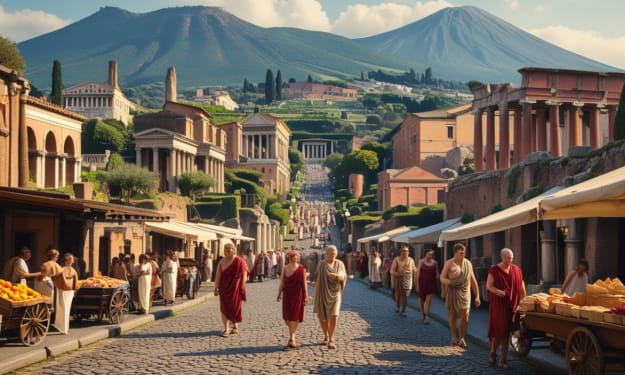
The Story of Pompeii: From a Growing City to a Lost City. AI-Generated.
Long ago, in the country we now call Italy, there was a busy and beautiful city named Pompeii. It was near a tall mountain called Mount Vesuvius. The people of Pompeii had no idea that this mountain was actually a volcano—a sleeping giant that would one day wake up and destroy everything.
By Nouman waliabout a year ago in History
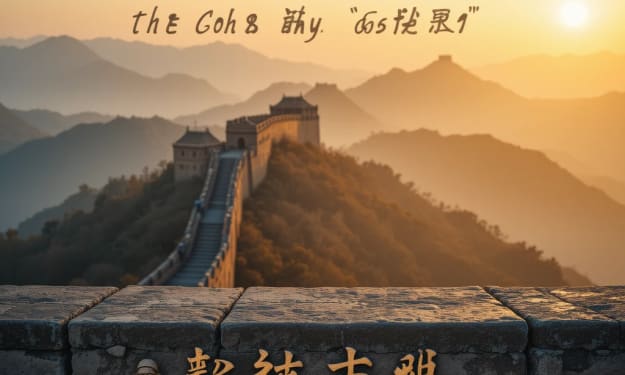
The Changeez Khan
Who Was Changeez Khan? Changeez Khan—known globally as Genghis Khan—was one of the most feared and formidable conquerors in history. Born as Temujin in the 12th century on the vast Mongolian steppes, he rose from humble beginnings to become the founder of the Mongol Empire, which eventually became the largest contiguous empire the world has ever seen.
By The Zeb Scholar about a year ago in History
Pakistan says India fired missiles at key military bases and that retaliation is underway. AI-Generated.
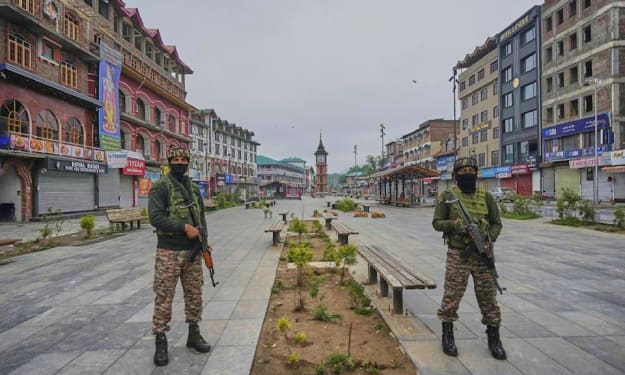
Islamabad/New Delhi, May 10, 2025 — Tensions between nuclear-armed neighbors India and Pakistan escalated dramatically on Saturday, after Pakistan accused India of launching missile strikes on several of its key military installations. The Pakistani military has confirmed that a retaliatory operation is currently underway, marking one of the most serious confrontations between the two countries in over two decades.
By Md Soriful Islamabout a year ago in History
India and Pakistan Escalate Military Attacks on Bases Amid Rising Tensions
In a significant escalation of hostilities, India and Pakistan have launched reciprocal attacks on each other's military bases, marking one of the most severe confrontations between the nuclear-armed neighbors in recent years.
By Abjol Hussain Laskarabout a year ago in History
Ancient Olympic Games
Paris has a special place in modern Olympic history. In 1900, it hosted ‘the Games of the II Olympiad’ – the second modern Olympic Games and the first outside Greece. In 1924, the city hosted the games for a second time, and the sporting achievements of athletes representing 44 National Olympic committees were covered by over 1,000 journalists, cementing the status of the Games as a major international sporting event.
By jahidul Islam Sifatabout a year ago in History
Rabindranath Tagore Jayanti 2025: 25+ Wishes, Messages, and Inspirational Quotes to Share
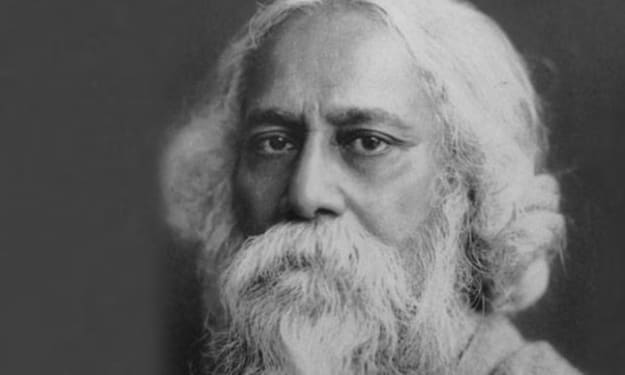
On May 9, 2025, we commemorate the 164th birth anniversary of Rabindranath Tagore—India’s Nobel laureate poet, philosopher, and cultural icon. Known as Gurudev, Kabiguru, and the Bard of Bengal, Tagore’s legacy transcends literature, music, and art, leaving an indelible mark on the world. His timeless words continue to inspire generations, making Rabindra Jayanti a day of reflection and celebration.
By Abjol Hussain Laskarabout a year ago in History
The 2002 Godhra train tragedy and the Gujarat riots.
The year 2002 is marked as a bloody and controversial chapter in India's post-independence history. On the morning of February 27 of that year, a terrible incident took place at the Godhra railway station—a fire broke out in the S-6 coach of the Sabarmati Express, killing 59 Kar Sevaks who were returning from Ayodhya. Immediately after this incident, terrible riots spread across the state of Gujarat, in which about 2,000 Muslims were killed, thousands of Muslim women were raped, mosques were destroyed, businesses were ruined, and millions of people were displaced. This riot was not just a communal outrage—behind it was a dazzling political tableau, state silence, and purposeful administrative inaction. The Godhra incident and the subsequent riots are still controversial, questionable, and symbolize the darkest chapter in politics.
By Abdul Barikabout a year ago in History