Ancient
The Ruby Hoard of Rangoon: Burma’s Forgotten Fortune
The Ruby Hoard of Bagan: The Vanished Gems of the Pagan Dynasty Amidst the enchanting temples and stupas of ancient Bagan in Myanmar exists the tale of a lost cache of rubiesgems so radiant that they rivaled the riches of empires. This article examines the history of the Pagan Dynasty, the legendary ruby treasury of King Anawrahta, and the ways in which conflict, colonial avarice, and the passage of time obscured one of Southeast Asia’s most remarkable lost treasures. The Ruby Hoard of Bagan: The Vanished Gems of the Pagan Dynasty In the parched plains of central Myanmar, where over 2,000 temples embellish the ancient terrain of Bagan, legend recounts a treasure trove that sparkled with crimson brilliancea repository of rubies belonging to the once-mighty Pagan Dynasty. Esteemed for their unparalleled beauty, Burmese rubies were deemed the most valuable in the ancient world, with Bagan at their core. Amidst the towering stupas and gilded pagodas, the narrative of the Ruby Hoard continues to intrigue treasure seekers and historians alike. The Ascendancy of the Pagan Dynasty The Pagan Dynasty ascended to prominence in the 9th century, reaching its zenith under King Anawrahta in the 11th century. Anawrahta unified Myanmar through conquest, diplomacy, and ecclesiastical reform, transforming Bagan into a pivotal center of Theravāda Buddhism. To affirm his sacred authority and affluence, he commissioned monumental temple constructions and was reputed to have accumulated vast wealthincluding a treasury filled with rubies, the most coveted gemstone in Burmese heritage. Burmese rubies were not only exquisite but also epitomized authority, heritage, and spiritual safeguarding. Monarchs adorned themselves with them during coronations, and warriors embedded them within their flesh, believing they conferred immortality in combat. According to local mythology, Anawrahta regarded the ruby treasury as a divine gift, concealed deep within a stupa and sealed by a royal curse: whoever disturbed it would precipitate a cycle of warfare, fire, and devastation. The Treasury Beneath the Temple One temple frequently linked to the ruby treasure is the Shwezigon Pagoda, erected by Anawrahta and his successor Kyansittha. Inscriptions from the 12th century reference "gem-laden chambers" sealed beneath its foundations, offered to the Buddha as a merit-making acta religious observance that ensured rebirth in a celestial realm. The royal vaults, if they exist, may have been concealed in one of these subterranean chambers. Throughout the centuries, earthquakes and invasions have damaged many of Bagan’s temples. Yet, despite thorough archaeological investigations, the ruby hoard remains undiscovered. Some assert it lies beneath collapsed stupas, while others contend that it was removed or pillaged during one of the kingdom’s numerous declines. Still, others believe it was a spiritual offering, never intended to be unearthed. Colonial Avarice and Despoilment When the British Empire incorporated Burma in the late 19th century, stories of the ruby treasure reemerged. British soldiers and adventurers, frequently masquerading as archaeologists, combed the temple complexes equipped with maps and implements. In 1886, a British officer allegedly disappeared while investigating an underground passage beneath a deserted monastery. His diary, subsequently discovered in Rangoon, detailed a “chamber of crimson radiance” that corresponded with the myths of the ruby reservoir. Despite years of fascination, no conclusive finding was achieved. Nevertheless, colonial exploitation of Burmese relics did transpire on an extensive scale. Entire panels from pagodas, sculptures, and artifacts were transported to museums in London, Calcutta, and other locations. Whether any rubies were taken remains uncertain, although speculations continue that private collectors in Europe may possess gems associated with Bagan’s vanished vault. Seismic Activity, Concealment, and Sacred Terrain One of the most significant obstacles in unearthing the ruby treasure is the sanctity of Bagan’s temples. Local monks, who serve as custodians of these locations, frequently prohibit or limit intrusive exploration. Many contend that disturbing the holiness of these revered places invites ill fortune. Furthermore, recurrent earthquakes in the region have transformed the landscape of temple sites, potentially collapsing or burying any chambers that may have once contained riches. In 2016, a quake with a magnitude of 6. 8 inflicted damage on over 400 structures, rekindling interest in what might be concealed beneath the debrisbut also advising against thoughtless excavation. A Legacy of Cultural Treasure Perhaps the most significant treasure of Bagan is not of rubies or gold, but of knowledge, history, and craftsmanship. The city’s frescoes, carvings, and inscriptions unveil a sophisticated civilization that amalgamated Indian, Mon, and local influences into a distinctive Buddhist culture. Nonetheless, the legend of the ruby treasure persists. Amateur explorers, mystics, and even Burmese military officials have discreetly continued their quest for evidence of the lost vault. Satellite imagery, ground-penetrating radar, and LIDAR mapping may eventually uncover concealed chambers beneath the centuries-old dust of Bagan. Whether reality or folklore, the narrative of the Ruby Hoard of Bagan serves as a reminder that history is interwoven with enigmaand occasionally, hidden beauty awaits rediscovery beneath the surface of sacred lands.
By Say the truth about a year ago in History
The Lost Pages of Time
It started with an envelope. Old, yellowed, and sealed with a strange symbol Emilia Hart had never seen before. She was a quiet historian, living alone in Oxford, obsessed with ancient books and forgotten stories. Most days, she stayed buried in dusty archives — but this letter changed everything. Inside was a message written in elegant, old handwriting: “𝐒𝐨𝐦𝐞 𝐩𝐚𝐠𝐞𝐬 𝐰𝐞𝐫𝐞 𝐭𝐨𝐫𝐧 𝐟𝐫𝐨𝐦 𝐡𝐢𝐬𝐭𝐨𝐫𝐲. 𝐇𝐢𝐝𝐝𝐞𝐧. 𝐁𝐮𝐫𝐢𝐞𝐝 𝐛𝐞𝐟𝐨𝐫𝐞 𝐭𝐡𝐞 𝐟𝐢𝐫𝐞. 𝐅𝐢𝐧𝐝 𝐭𝐡𝐞𝐦, 𝐚𝐧𝐝 𝐲𝐨𝐮’𝐥𝐥 𝐟𝐢𝐧𝐝 𝐭𝐡𝐞 𝐭𝐫𝐮𝐭𝐡 𝐚𝐛𝐨𝐮𝐭 𝐭𝐢𝐦𝐞.” It didn’t say who sent it. But along with it came a single page — part of a journal — speaking of a book called the "Codex Obscura", a legendary text believed to be lost when the Library of Alexandria burned. Most believed it was a myth. Emilia believed it was her calling. She flew to Egypt within days, following the clue in the letter: “Start where the fire ended.” At the ruins of the Library of Alexandria, now a modern site, Emilia teamed up with Tariq, a young Egyptian archaeologist. Together, they explored the basement of the new library. Behind a broken wall, they discovered a sealed room, untouched for centuries. Inside, they found burnt fragments of scrolls and a stone tile with the same strange symbol from the letter. One fragment had faint writing only visible under infrared light — it was a map. A map leading to Venice. --- In Venice, beneath an old church built over Roman ruins, they discovered a hidden chamber inside a crypt. There, wrapped in silk and sealed in a metal box, was a leather-bound book — ancient, cracked, and silent. 𝐓𝐡𝐞 𝐂𝐨𝐝𝐞𝐱 𝐎𝐛𝐬𝐜𝐮𝐫𝐚. It wasn’t just a history book. Its pages described events that hadn’t happened yet — modern ones. A burning cathedral in Paris. A great flood in Asia. An eclipse predicted with perfect timing. But the page was marked: 1490. Emilia was stunned. “This book… it knows the future,” she whispered. Tariq frowned. “Or someone brought the future to the past.” --- Soon, things turned dark. They were followed. Watched. Emilia’s hotel room was searched. Then, another letter arrived: “𝐒𝐭𝐨𝐩 𝐝𝐢𝐠𝐠𝐢𝐧𝐠. 𝐒𝐨𝐦𝐞 𝐭𝐫𝐮𝐭𝐡𝐬 𝐚𝐫𝐞 𝐧𝐨𝐭 𝐦𝐞𝐚𝐧𝐭 𝐭𝐨 𝐫𝐞𝐭𝐮𝐫𝐧.” Emilia refused. Instead, the Codex revealed one last clue — a drawing of Prague’s Astronomical Clock and a line: “𝐖𝐡𝐞𝐫𝐞 𝐭𝐢𝐦𝐞 𝐬𝐭𝐚𝐧𝐝𝐬 𝐬𝐭𝐢𝐥𝐥, 𝐭𝐡𝐞 𝐌𝐢𝐫𝐫𝐨𝐫 𝐫𝐞𝐦𝐞𝐦𝐛𝐞𝐫𝐬.” They traveled to Prague, where an old librarian helped them find a hidden room behind the clock tower. Inside was a strange mirror, framed in bronze, glowing faintly. When Emilia looked into it, she didn’t see herself. She saw the past — the burning library, people running with scrolls. She saw the future — a girl holding a page of the Codex while machines marched in the streets. And then, the mirror shattered. --- On the floor lay one last page. “𝐓𝐢𝐦𝐞 𝐢𝐬 𝐚 𝐛𝐨𝐨𝐤. 𝐁𝐮𝐭 𝐧𝐨𝐭 𝐚𝐥𝐥 𝐜𝐡𝐚𝐩𝐭𝐞𝐫𝐬 𝐚𝐫𝐞 𝐛𝐨𝐮𝐧𝐝. 𝐘𝐨𝐮 𝐟𝐨𝐮𝐧𝐝 𝐭𝐡𝐞 𝐩𝐚𝐠𝐞𝐬. 𝐘𝐨𝐮 𝐚𝐫𝐞 𝐧𝐨𝐰 𝐨𝐧𝐞 𝐨𝐟 𝐭𝐡𝐞𝐦.” A man in a gray coat entered the chamber. He wasn’t surprised. He introduced himself simply: “I’m a Custodian. We protect time.” He told them the Codex wasn’t prophecy. It was a collection of future knowledge — written by those who had seen ahead, then sent backward in time to be hidden. “Why hide it?” Emilia asked. “Because too much truth too soon breaks the world,” he replied. “History needs mystery to survive.” --- Emilia returned to Oxford. The Codex was hidden again, deep in the walls of the Bodleian Library, in a box only she could find. She never spoke publicly of what she found. But each night, she copied one page by hand. Not for fame. Not for the world. But for the next person who might find a letter sealed with a strange symbol. The one that begins: “𝐒𝐨𝐦𝐞 𝐩𝐚𝐠𝐞𝐬 𝐰𝐞𝐫𝐞 𝐭𝐨𝐫𝐧 𝐟𝐫𝐨𝐦 𝐡𝐢𝐬𝐭𝐨𝐫𝐲. 𝐇𝐢𝐝𝐝𝐞𝐧…” And waits to be found again.
By Asad khan 313about a year ago in History
The Last Giants of America: Who Killed Them and Why the Silence Remains
Shadows of Forgotten Giants Across the vast plains, valleys, and mounds of North America, whispers of giants echo through forgotten legends, early settler accounts, and the dusty pages of 19th-century newspapers. These were not metaphorical giants, but literal beings, said to stand 7 to 12 feet tall, whose bones were allegedly unearthed in burial mounds, caves, and remote hills. Yet today, no such skeletons exist in public museums. The narrative of the American giants has vanished from mainstream history.
By The Secret History Of The Worldabout a year ago in History
Archaeologists Uncover Evidence of Ancient Tree-Lined Road in Egyptian Military Fortress. AI-Generated.
Archaeologists Uncover Evidence of Ancient Tree-Lined Road in Egyptian Military Fortress In a groundbreaking discovery that sheds new light on ancient Egyptian urban planning and military infrastructure, a team of archaeologists has uncovered remnants of a tree-lined road inside a centuries-old military fortress in North Sinai. The finding, announced by Egypt’s Ministry of Tourism and Antiquities, offers a rare glimpse into how natural elements were incorporated into the strategic and architectural layout of military complexes during Egypt's 26th Dynasty, roughly 2,600 years ago.
By Adnan Rasheedabout a year ago in History
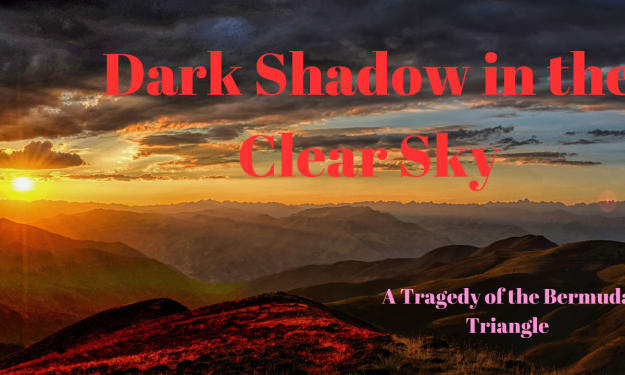
Dark Shadow in the Clear Sky
"Dark Shadow in the Clear Sky: A Tragedy of the Bermuda Triangle" Writer: Aranya Chowdhury The sky was awash in a gentle blue light. Gliding over the Atlantic Ocean was a small cargo plane—“Skyline 742.” At its helm was Captain Imtiaz Rahman, a seasoned pilot who had made the skies his home for over twenty years. Beside him sat his only crew member, Tamanna Afroze, a young and courageous co-pilot.
By Books Loverabout a year ago in History
History of Architecture
The Story of Architecture: From Prehistory to Today People often admire buildings solely for their beauty, design, or size. In reality architecture is far more complex than just aesthetics. It’s one of the oldest forms of human expression, a record of our culture, religion and societal organization. History of architecture indeed runs parallel to the history of humanity itself.
By Sheikh Siyamabout a year ago in History