Analysis
RIAT 2025 Arrivals: Eyes in the Skies
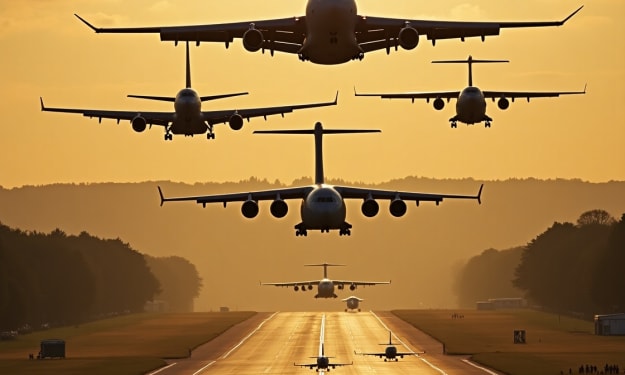
RIAT 2025 Arrivals: Eyes in the Skies A Spectacular Debut of Airborne Surveillance and Global Collaboration The curtain has officially risen on the Royal International Air Tattoo (RIAT) 2025 at RAF Fair ford, and the early arrivals have already delivered a stunning showcase. Under this year’s theme “Eyes in the Skies”, spectators are treated to cutting-edge surveillance aircraft, frontline fighters, and strategic support platforms arriving from nations across the globe. Here’s an in-depth look at the opening day: what touched down, who’s behind them, and why this year’s airshow takes defence and spectacle to new heights.
By Wings of Time about a year ago in History
Scientists Discover 78,000 Year Old Neanderthal Footprint That Tells a Story of Survival.
In a groundbreaking discovery that offers a rare glimpse into the lives of our ancient cousins, scientists have uncovered a 78,000-year-old Neanderthal footprint preserved in mudflats in northern Spain. This single footprint, remarkably intact after tens of thousands of years, tells a profound story of survival, resilience, and humanity in a harsh Ice Age environment.
By Tariq jamilabout a year ago in History
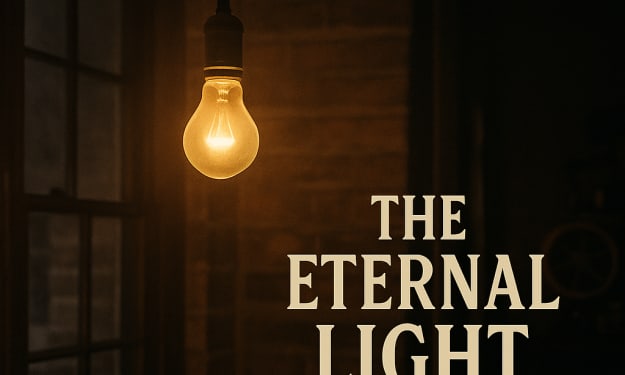
The Eternal Light: How One Bulb Outshone Time
In a quiet firehouse in Livermore, California, there’s a light that refuses to die. It glows faintly, not the harsh white glare of a modern LED, but a warm, amber halo... like the last ember in a dying fire. It’s been glowing like that for over a century, long enough to watch the world change in ways no one in 1901 could have imagined. Presidents have risen and fallen. Nations have gone to war. We’ve split the atom, walked on the moon, and unleashed smartphones into our pockets. And through all of it, in that unassuming fire station, a single fragile bulb just… keeps… burning.
By The Iron Lighthouseabout a year ago in History
The Current Situation of the USA. Challenges and Hopes in 2025.
Political Division Remains High One of the most pressing issues in the USA in 2025 is political division. The two major parties, Democrats and Republicans, continue to clash over almost every major policy — from immigration and healthcare to foreign policy and climate change. The upcoming presidential election in November 2025 has already turned the nation’s attention back to politics, with campaigns running aggressive advertisements and rallies.
By Active USA about a year ago in History
When Was World War 3 Started? The Date That Changed History.
It was January 12, 2031, when the first undeniable shot was fired — at least according to official records. That morning, an airstrike destroyed a major oil facility in the Persian Gulf, killing hundreds and crippling supplies for weeks. Governments around the world condemned it but blamed “unknown terrorists.” Yet intelligence agencies knew: it was a state-sponsored attack, planned and executed by one of the world’s largest armies.
By USA daily update about a year ago in History
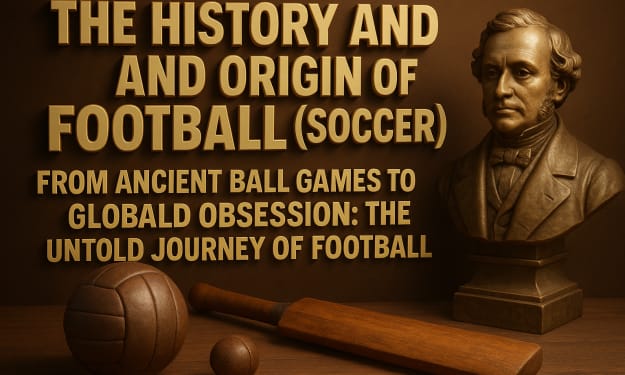
The History and Origin of Football (Soccer)
Football, or soccer as it is called in some parts of the world, is the most popular sport globally. With billions of fans and players, it commands unparalleled attention. Its history, however, is as fascinating as the game itself—rich in culture, conflict, and evolution over millennia.
By Engr. Mansoor Ahmadabout a year ago in History
The Downfall of the Ottoman Empire: Causes and Consequences
The Ottoman Empire, once a vast and powerful dynasty spanning Europe, Asia, and Africa, existed for more than six centuries. At its height during the 16th and 17th centuries, it was one of the most formidable empires in history. However, by the early 20th century, it had disintegrated into political, economic, and military chaos, eventually collapsing after World War I. The fall of the Ottoman Empire was a gradual process, marked by both internal decay and external pressures. This article explores the key causes and consequences of the empire’s decline.
By Engr. Mansoor Ahmadabout a year ago in History
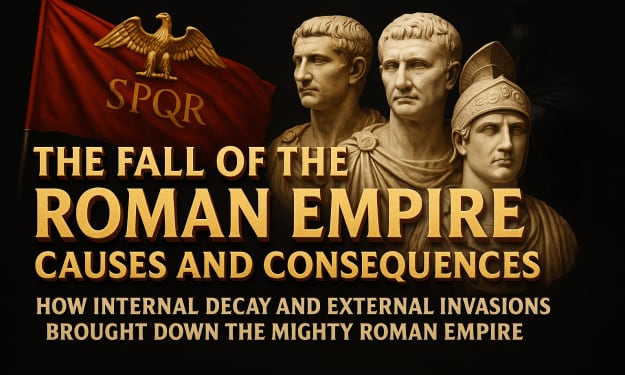
The Fall of the Roman Empire: Causes and Consequences
The Roman Empire, once the most powerful civilization in the ancient world, ultimately fell after centuries of domination across Europe, North Africa, and the Middle East. Its collapse is one of history's most significant turning points, signaling the end of classical antiquity and the beginning of the Middle Ages in Europe. Understanding the fall of the Roman Empire involves a complex combination of internal weaknesses and external pressures that eroded Rome’s ability to sustain itself. This article explores the key causes behind the downfall of the Roman Empire and the enduring consequences of its demise.
By Engr. Mansoor Ahmadabout a year ago in History