Analysis
Guamanian: Culture, Language & Heritage
The Guamanian Chamorro people have a unique culture deeply rooted in the Mariana Islands. This chain of islands is in the Pacific. Their culture is a mix of old traditions and new influences. It shows a strong community spirit and respect for their heritage.
By The Big Bad 2 years ago in History
Why Businesses Are Turning to Gas Supply Brokers for Cost Savings
Energy costs are rising, and businesses are feeling the pressure. Gas is a major expense for many industries, and finding ways to cut costs is essential. This is why many companies are now turning to gas supply brokers. These brokers help businesses find the best gas deals, negotiate lower rates, and manage energy contracts effectively.
By Great Energy 12 years ago in History
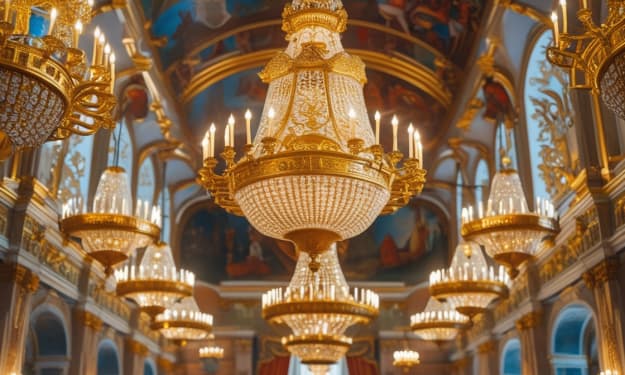
The Opulent Heart of Russia – The Kremlin’s Priceless Interior. AI-Generated.
The Kremlin: Net Worth, Construction, and Interior Valuables The Kremlin, an iconic symbol of Russia’s political and cultural history, stands as one of the most valuable structures in the world. Beyond its role as the seat of the Russian government, the Kremlin is a treasure trove of historical artifacts, opulent architecture, and priceless art. Understanding the Kremlin’s net worth, its construction history, and the value of its interior features gives us a clearer picture of its significance. Net Worth of the Kremlin Estimating the net worth of the Kremlin is a challenging task due to its vast historical significance and irreplaceable artifacts. However, various analyses place the Kremlin’s total value at well over $100 billion when considering its real estate, gold reserves, priceless relics, and vast collections of art and antiquities housed within its walls. Factors Contributing to Its Net Worth: Real Estate Value: The Kremlin sits on 68 acres (27.5 hectares) of prime land in central Moscow. Given the city's skyrocketing property prices, the land alone is worth billions. Architectural Value: The Kremlin features historic palaces, cathedrals, and government buildings that are virtually priceless due to their cultural significance. Gold and Jewels: The Kremlin holds vast reserves of gold, diamonds, and other precious materials, particularly within the Kremlin Armory and the Diamond Fund. Art and Antiquities: The complex is home to hundreds of paintings, religious icons, and centuries-old relics, some of which are deemed to be of immeasurable value. Governmental Importance: As the center of Russian power, its strategic and symbolic value cannot be quantified in monetary terms. Construction of the Kremlin The Kremlin has undergone multiple phases of construction and expansion over more than 900 years. The current Kremlin complex is a blend of different architectural styles, reflecting the influence of Russian, Italian, and Byzantine designs. Key Periods of Construction: Early Foundations (1156) – The first wooden fortifications were built under Prince Yuri Dolgoruky, marking the birth of Moscow’s Kremlin. Stone Fortress (1367-1368) – Grand Prince Dmitry Donskoy replaced wooden walls with white limestone, strengthening the Kremlin’s defenses. Grand Renaissance Expansion (1485-1516) – Under Ivan III (the Great), Italian architects rebuilt the Kremlin, introducing red-brick walls and constructing iconic structures like the Cathedral of the Assumption and the Ivan the Great Bell Tower.
By Say the truth 2 years ago in History
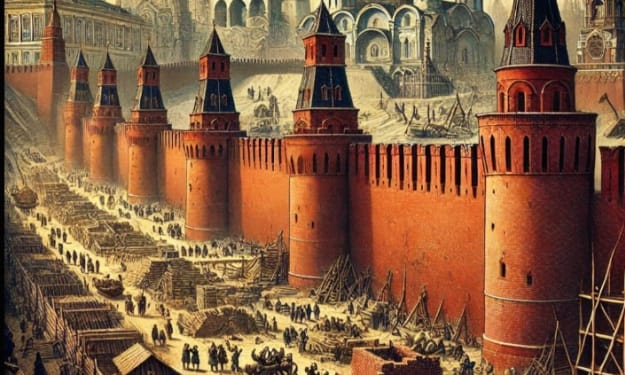
The Kremlin Under Ivan III – A Fortress Reimagined
The Kremlin: A Monument of Ability and History (Part 3) The Kremlin, continuing as the affection of Moscow and Russia’s political and actual epicenter, is an architectural curiosity with a acutely layered past. Over centuries, it has undergone abundant expansions and transformations, absorption the alteration tides of power, culture, and ambition. This allotment of our alternation delves into the connected architecture of the Kremlin, absorption on its cardinal fortifications and the role it played during the aphorism of Ivan III and beyond. The Kremlin’s Cardinal Evolution By the mid-15th century, beneath the administration of Ivan III, the Kremlin had already accustomed itself as a appalling fortress. However, with the accretion threats from the Golden Horde and battling European powers, its fortifications bare reinforcement. Ivan III, generally referred to as Ivan the Great, approved to transform the Kremlin into an bulletproof bastion and a attribute of Russia’s growing power. The Access of Italian Architects One of the best alluring aspects of the Kremlin’s architecture during this aeon was the abundant access of Italian architects. Ivan III arrive acclaimed architects from Italy, such as Aristotle Fioravanti, to improve its fortifications. Fioravanti played a acute role in the architecture of the Cathedral of the Assumption, aggregate acceptable Russian architecture with Italian Renaissance elements. This architectural admixture became a defining affection of the Kremlin’s aesthetic.
By Say the truth 2 years ago in History
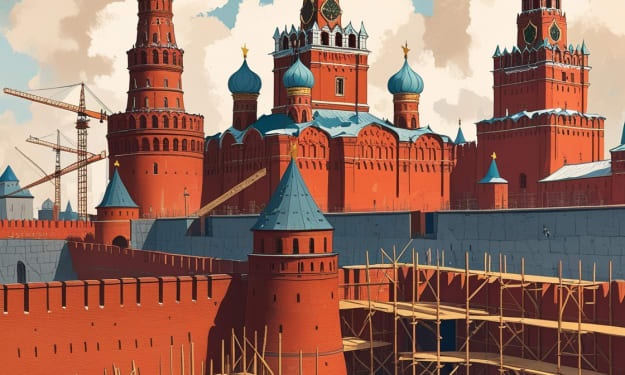
The Kremlin's Transformation: The Construction Era. AI-Generated.
The Kremlin’s Amplification and Fortification: The 14th and 15th Centuries The Kremlin, originally accustomed as a board breastwork in the 12th century, underwent cogent amplification and transformation in the 14th and 15th centuries. This era was acute in defining the Kremlin as the centermost of ability in Russia. The rulers of Moscow, bent to fortify their capital, replaced the board structures with bean and brick, establishing a appalling bastion that would abide centuries of political upheaval. Dmitry Donskoy and the Bean Kremlin One of the best cogent milestones in the Kremlin’s history occurred beneath the administration of Admirable Prince Dmitry Donskoy (1359–1389). Recognizing the vulnerability of the board walls, he ordered the architecture of the aboriginal bean breastwork in 1367. White limestone was acclimated to body the walls, giving acceleration to the name “White-Stone Moscow.” This transformation not alone fabricated the Kremlin added condonable adjoin Mongol invasions but additionally accustomed Moscow as a ascendant ability in the region.
By Say the truth 2 years ago in History
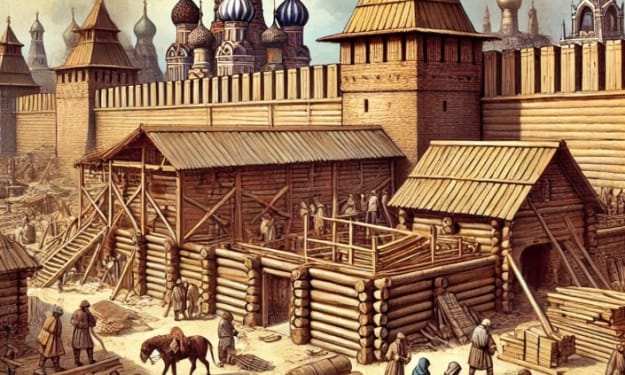
The Birth of the Kremlin – Foundations of a Russian Icon
The Kremlin: The Origins of Russia’s Iconic Fortress The Moscow Kremlin is one of the best acclaimed and historically cogent fortifications in the world. Its history stretches aback about a thousand years, authoritative it not aloof the political affection of Russia but additionally a attribute of its cultural and architectural heritage. In this aboriginal allotment of the series, we will analyze the ancient origins of the Kremlin, its antecedent construction, and its role in the accumulation of the Russian state. The Foundations of Moscow and the Aboriginal Kremlin The origins of the Kremlin date aback to the 12th aeon back Moscow was still a baby adjustment on the banks of the Moskva River. In 1147, Prince Yuri Dolgoruky, a adjudicator of the Rostov-Suzdal principality, alleged for a affair with allies in the breadth that would after become Moscow. This accident is advised the founding of Moscow, and it was during this aeon that the charge for a adherent bastion became apparent. By 1156, the aboriginal adaptation of the Kremlin was built. This aboriginal anatomy was fabricated of wood, a accepted actual for Russian fortifications at the time. Positioned on a acropolis aloft the river, it provided accustomed defenses while administering key barter routes. However, board fortifications were accessible to attacks and fires, a botheration that bedeviled aboriginal Russian cities. Moscow’s Growth and the Kremlin’s Cardinal Importance Over the abutting century, Moscow grew in prominence, abundantly due to its cardinal location. It became a key centermost for barter and political power, and by the backward 13th century, it was arising as the basis of what would become the Grand Duchy of Moscow. The Kremlin acquired in acknowledgment to these changes, with alternating rulers accretion and deepening its walls. The 14th aeon apparent a cogent axis point back Prince Ivan Kalita (r. 1325–1340) accomplished all-embracing about-face efforts. Recognizing the Kremlin’s importance, he replaced the board walls with stronger oak fortifications. This advancement fabricated the Kremlin one of the arch strongholds in Russia at the time. Ivan Kalita additionally played a key role in adorning Moscow’s cachet by persuading the Orthodox Church to backpack its address to the city, added reinforcing the Kremlin’s accent as both a religious and political center. A Adherent Attribute of Russian Power The backward 14th aeon brought added agitation to Russia, as the Mongols, who had bedeviled the arena back the aboriginal 13th century, launched again invasions. Moscow was austere and looted assorted times, but anniversary time, it was rebuilt stronger than before. Dmitry Donskoy, the Grand Prince of Moscow, fabricated a adventurous accommodation in 1366 to alter the Kremlin’s board walls with limestone. This apparent the aboriginal time that bean fortifications were acclimated in Moscow, decidedly accretion the fortress’s arresting capabilities. The new white-stone Kremlin helped Moscow bear added attacks, including a cogent Mongol advance in 1382. Though the burghal suffered, the Kremlin remained a able attribute of resistance. Dmitry Donskoy’s administering and the adherent Kremlin played a acute role in establishing Moscow as the ascendant ability in the region. The Role of the Kremlin in Moscow’s Rise As Moscow connected to abound in strength, the Kremlin became added than aloof a aggressive stronghold. It was the centermost of administration, religion, and culture. Throughout the 14th and 15th centuries, it housed the best important churches, baronial palaces, and government buildings. By the backward 15th century, Moscow had finer affiliated abounding of the Russian principalities, ambience the date for the abutting above transformation of the Kremlin. Under the aphorism of Ivan III, additionally accepted as Ivan the Great, the Kremlin would abide its best aggressive about-face yet, bringing it afterpiece to the anatomy we admit today. Conclusion: The Kremlin’s Aboriginal Legacy The aboriginal history of the Kremlin is a adventure of resilience, cardinal expansion, and growing political power. From its board origins to its aboriginal bean fortifications, the Kremlin acquired alongside Moscow, absorption the city’s transformation from a baby adjustment into the centermost of Russian power. In the abutting allotment of this series, we will analyze how Ivan III revolutionized the Kremlin’s construction, enlisting the advice of Italian architects to about-face it into a masterpiece of medieval barricade and a attribute of Russian authority.
By Say the truth 2 years ago in History
Reevaluating Soy’s Role in Breast Cancer Mitigation: A Comprehensive Reassessment in Nutritional Oncology
Description: Breast cancer remains a pervasive global health challenge, particularly among women across diverse demographics. Historically, dietary constituents such as soy have faced extensive scrutiny due to their phytoestrogenic properties, which were presumed to potentiate oncogenic pathways. However, an expanding body of rigorous, peer-reviewed research now suggests that soy may paradoxically exert chemoprotective effects against breast carcinogenesis. This scholarly examination critically evaluates the evolving scientific discourse, elucidates clinical implications, and presents evidence-driven recommendations for incorporating soy into comprehensive cancer-preventive strategies. Breast Cancer Etiology: A Multifactorial and Molecularly Complex Paradigm Breast cancer emerges from malignant epithelial transformations within mammary tissues, driven by an intricate interplay of genetic, hormonal, behavioral, and environmental factors. The pathogenesis is underscored by several pivotal determinants: Genomic Susceptibilities: Germline mutations, particularly in BRCA1 and BRCA2, markedly elevate oncogenic potential and necessitate vigilant surveillance. Behavioral and Lifestyle Determinants: Dietary inadequacies, physical inactivity, tobacco use, and alcohol consumption significantly exacerbate cancer susceptibility. Endocrine Modulation: Chronic exposure to elevated endogenous estrogens—arising from factors such as early menarche, delayed menopause, or exogenous hormone therapies—intensifies oncogenic risk. Environmental Carcinogenesis: Exposure to ionizing radiation, industrial toxins, and endocrine-disrupting agents compounds the overall carcinogenic burden. Soy’s Reevaluation: A Paradigm Shift in Oncology Nutrition Soy, once vilified for its high concentration of phytoestrogens—particularly isoflavones—was historically implicated in exacerbating hormone-sensitive malignancies. Contemporary research, however, challenges this reductionist view. Seminal Findings from Emerging Research: Isoflavones as Context-Dependent Estrogen Receptor Modulators: Unlike endogenous estrogens, isoflavones function as selective estrogen receptor modulators (SERMs), preferentially binding to estrogen receptor-β (ERβ) and exerting antiproliferative effects on breast tissue. Recurrence Reduction: Meta-analytic reviews suggest a significant inverse correlation between soy intake and breast cancer recurrence rates, particularly in populations with habitual soy consumption. Enhanced Survival Metrics: Longitudinal cohort studies, particularly in East Asian populations, demonstrate improved post-diagnostic survival metrics associated with sustained soy consumption. Dose-Dependent Protective Efficacy: Quantitative analyses reveal a proportional relationship between soy intake volume and reduced breast neoplasm incidence. 📊 [Insert Infographic: Comparative Analysis of Breast Cancer Recurrence Rates Across Varied Soy Consumption Levels] Molecular Mechanisms Underlying Soy’s Chemoprotective Potential Beyond its phytoestrogenic activity, soy exhibits multifaceted chemopreventive properties through diverse biochemical pathways: Anti-inflammatory Modulation: Soy’s bioactive constituents attenuate pro-inflammatory cascades, notably those mediated by NF-κB and COX-2, implicated in tumorigenesis. Endocrine Equilibrium: Isoflavones modulate estrogen signaling by competitively binding to estrogen receptors, particularly stabilizing hormonal fluctuations in postmenopausal women. Oxidative Stress Reduction: The antioxidative profile of soy reduces reactive oxygen species (ROS)-induced DNA damage, enhancing genomic stability. Epigenetic Regulation: Preliminary investigations suggest soy’s potential role in modulating DNA methylation patterns and histone acetylation, thereby influencing tumor suppressor gene expression. Strategic Dietary Integration: Optimal Soy-Based Nutritional Sources To harness soy’s chemopreventive benefits, the following whole-food sources are recommended: Tofu: A versatile protein source adaptable across diverse culinary applications. Tempeh: A fermented soy product enriched with probiotic compounds that enhance gut microbiota resilience. Soy Milk: A nutrient-dense dairy alternative fortified with calcium and vitamin D. Edamame: A minimally processed source of complete plant proteins. Miso: A probiotic-rich fermented paste containing bioactive peptides. 🥗 [Insert Visual: Curated Display of Nutrient-Dense, Minimally Processed Soy-Based Dishes] Case Study: Integrative Nutritional Oncology from an Indian Clinical Perspective Anita, a 42-year-old educator from Mumbai, was diagnosed with early-stage invasive ductal carcinoma. As part of an integrative therapeutic protocol, her clinical nutritionist implemented a dietary intervention emphasizing increased soy consumption. Over a longitudinal three-year follow-up, Anita’s biomarker profiles remained stable, with notable improvements in energy levels and overall quality of life, underscoring the adjunctive potential of targeted nutritional strategies. Dispelling Misconceptions Surrounding Soy Consumption Misconception: Soy indiscriminately elevates systemic estrogen levels, thereby exacerbating tumor progression. ✅ Clarification: Isoflavones selectively bind to ERβ, exerting antiproliferative effects on breast tissue. Misconception: All soy derivatives confer identical health outcomes. ✅ Clarification: Whole, minimally processed soy sources confer chemoprotective benefits, whereas ultra-processed derivatives may lack similar efficacy. Misconception: Soy negatively affects thyroid function. ✅ Clarification: In euthyroid individuals with adequate iodine intake, moderate soy consumption exerts negligible effects on thyroid hormone regulation. Clinical Guidelines and Evidence-Based Consumption Recommendations Consult with an oncology specialist or registered dietitian prior to significant dietary modifications, especially in hormone-sensitive cases. Prioritize consumption of organic, non-GMO soy products to mitigate exposure to agricultural contaminants. Limit reliance on ultra-processed soy-based supplements unless clinically indicated. Proven Strategies for Breast Cancer Risk Mitigation ✔️ Integrate whole-food, minimally processed soy into daily dietary patterns. ✔️ Engage in consistent physical activity, targeting at least 150 minutes of moderate-intensity exercise weekly. ✔️ Eliminate tobacco use and moderate alcohol intake. ✔️ Undergo routine screenings and clinical examinations for early detection. 🔗 [Link: Indian Cancer Research Foundation for Comprehensive Educational Resources and Support Services] Conclusion: A Reappraisal of Soy’s Role in Breast Cancer Prevention The contemporary scientific consensus necessitates a reexamination of soy’s oncological implications. Rather than functioning as a carcinogenic agent, empirical evidence increasingly suggests that soy exerts protective effects when consumed within a balanced, evidence-informed diet. Personalized nutritional interventions, underpinned by robust clinical research, represent a promising adjunct to conventional cancer therapeutics. 🌟 [Insert Visual: Inspirational Quote from a Leading Indian Oncologist on Nutrition’s Integral Role in Comprehensive Cancer Care] Further Academic Engagement: 👉 Explore our advanced guide on integrative cancer-preventive nutritional strategies. 👉 Subscribe for updates on cutting-edge research in oncological nutrition. 👉 Contribute your clinical experiences with dietary soy—join the scholarly discourse below.
By Kajal Devi2 years ago in History
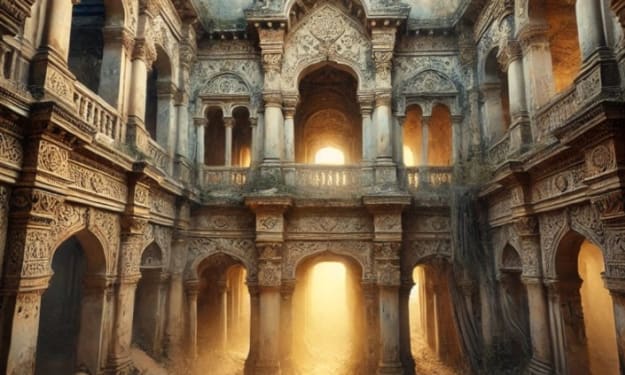
The Forgotten Majesty – A Crumbling Palace Lost in Time
The Crumbling Palace: A Forgotten Relic of Time (Part 2) The grandeur of ancient palaces has long captured the imagination of historians and travelers alike. These architectural marvels, once the epicenters of power and culture, now stand as haunting ruins, whispering stories of their glorious past. The passage of time, coupled with natural and human-inflicted damages, has left these structures in a state of slow decay. In this continuation of our exploration into the crumbling palace, we delve into its deteriorating walls, the mysteries hidden within, and the efforts (or lack thereof) to preserve its legacy.
By Say the truth 2 years ago in History
Reaching for the Stars. AI-Generated.
It's the year 2025, and humanity has finally established its first permanent settlement on Mars. The red planet, once a distant dream, is now a thriving hub of scientific research and innovation. But this is just the beginning. As we look to the future of space exploration, one thing is clear: the possibilities are endless. For NASA astronaut, Sarah Patel, the journey to Mars was a lifelong dream. Growing up, she would spend hours gazing up at the night sky, wondering what lay beyond the reaches of our planet. Now, as she steps out of the Mars colony's life support module, she's struck by the sheer beauty of the alien landscape. "It's surreal, being here," Sarah says, her voice filled with emotion. "We're not just exploring space; we're expanding humanity's presence in the universe." The establishment of the Mars colony is a major milestone in the history of space exploration. But it's just one part of a larger vision. As we look to the future, scientists and engineers are working on a new generation of spacecraft, designed to take humans deeper into the solar system than ever before. One of the most ambitious projects currently underway is NASA's Artemis program. The goal is to return humans to the lunar surface by 2025, with the ultimate aim of establishing a sustainable presence on the Moon. But the Artemis program is just the beginning. The real prize is Mars, and beyond. "Space exploration is not just about pushing the boundaries of human knowledge," says Dr. Maria Rodriguez, a leading astrobiologist. "It's about ensuring the survival of our species. By colonizing other planets, we're safeguarding against the possibility of global catastrophe." As we look to the future of space exploration, several key areas are emerging as priorities: 1. *Sustainable Spacecraft*: The development of reusable spacecraft, like SpaceX's Falcon 9, is revolutionizing the economics of space travel. But the next generation of spacecraft will need to be even more sustainable, using cutting-edge technologies like nuclear power and advanced propulsion systems. 2. *In-Situ Resource Utilization*: As we establish permanent settlements on other planets, we'll need to find ways to harness local resources, like water and regolith. This will enable us to reduce our reliance on Earth-based supplies and create truly self-sustaining communities. 3. *Artificial Gravity*: One of the biggest challenges facing long-duration spaceflight is the effects of microgravity on the human body. Scientists are working on developing artificial gravity through rotating spacecraft or gravitational simulation. As we push the boundaries of space exploration, we're also driving innovation back on Earth. The technologies developed for space travel – like advanced materials, life support systems, and robotics – are having a profound impact on industries like healthcare, energy, and transportation. The future of space exploration is not just about the destinations we reach; it's about the journey itself. It's about the people who are pushing the boundaries of human knowledge and innovation. And it's about the inspiration that space travel provides, sparking the imagination of new generations and reminding us of our place in the universe. As Sarah Patel looks out at the Martian landscape, she's filled with a sense of wonder and awe. "This is just the beginning," she says. "The universe is full of mysteries waiting to be uncovered. And we're just getting started." *The Future of Space Exploration: By the Numbers* - *2025*: NASA plans to return humans to the lunar surface under the Artemis program. - *2030s*: NASA and private companies like SpaceX and Blue Origin aim to establish permanent settlements on Mars. - *2040s*: The European Space Agency (ESA) and other space agencies plan to launch missions to the outer planets, including Jupiter and Saturn.
By Henry Lucy2 years ago in History
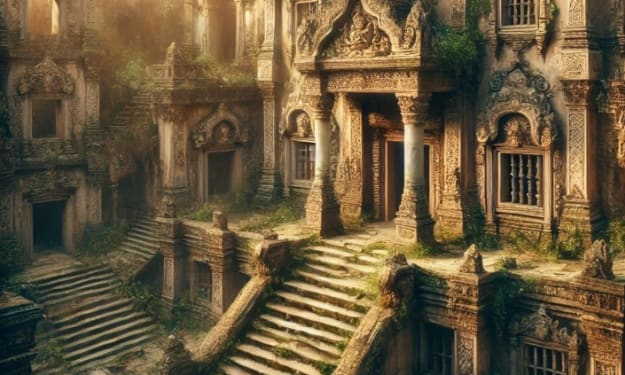
The Crumbling Palace: A Forgotten Relic of Time
The Crumbling Palaces: The Rise and Fall of Admirable Structures Part 1: The Majesty of Palaces – A Testament to Ability and Artistry Palaces accept connected stood as symbols of power, wealth, and aesthetic expression. These admirable structures, congenital by emperors, kings, and rulers of the past, advertise the architectural adeptness of their time. However, as time progresses, abounding of these once-magnificent barrio now lie in ruins, victims of neglect, war, and the adamant access of time. From the amazing palaces of Europe to the majestic forts of India, these structures were congenital to affect and endure. Yet, admitting their grandeur, abounding of them face decay. Understanding the affidavit abaft their atrophy requires an analysis of actual contexts, architectural techniques, and avant-garde canning efforts. Part 2: Architectural Marvels and Their Weaknesses Palaces were generally congenital with cutting-edge architectural techniques of their time. From the use of marble and sandstone to intricate woodwork and murals, these barrio reflect a aggregate of ability and function. However, admitting their able-bodied construction, they are not allowed to the armament of nature. Common abstracts acclimated in alcazar architecture accommodate limestone, sandstone, and timber. These materials, while durable, are afflicted to erosion, weathering, and biological decay. Furthermore, architectural designs generally congenital elements that, over time, became structural vulnerabilities. The weight of massive domes, abridgement of avant-garde reinforcements, and abnormal arising systems accept led to cracks, collapses, and bit-by-bit deterioration. Part 3: War and Conquests – The Ruin of Regal Homes Many palaces accept suffered the after-effects of war and conquests. History is abounding with belief of invaders annexation and antibacterial these admirable structures. For instance, the Summer Alcazar in Beijing was devastated during the Second Opium War back British and French armament looted and set it ablaze. Similarly, abounding Indian palaces were ransacked during colonial invasions, arch to their bit-by-bit decline. The abolition of these palaces not alone meant the accident of architectural marvels but additionally the abandoning of centuries of cultural heritage. Part 4: The Role of Natural Disasters and Climate Nature has played a cogent role in the abasement of abounding celebrated palaces. Earthquakes, floods, and acute acclimate altitude accept damaged palaces above repair. In regions decumbent to seismic activity, barrio complete centuries ago after avant-garde engineering reinforcements accept suffered massive destruction. The 2001 Gujarat earthquake, for example, damaged abundant actual structures in India. Likewise, littoral palaces accept been afflicted by ascent sea levels and added humidity, arch to attenuated foundations and erosion. Part 5: Carelessness and Urbanization – The Slow Death of Heritage One of the arch causes of alcazar adulteration in the avant-garde era is neglect. Abounding celebrated structures accept been alone due to accouterment in political power, alteration bread-and-butter landscapes, or the abridgement of assets for maintenance. As urbanization expands, abounding ancestry sites accept been encroached aloft by avant-garde buildings, arch to the abrasion of their foundations. After alive attention efforts, these palaces boring deteriorate, acceptable bald charcoal of the past. Part 6: Canning Efforts and the Approaching of Crumbling Palaces Despite the all-encompassing accident of actual structures, abundant canning efforts are underway to assure and restore crumbling palaces. Governments, ancestry organizations, and UNESCO accept launched initiatives to conserve and restore these monuments. For instance, projects absorption on agenda about-face and 3D clay advice bottle the architectural capacity of palaces afore they are lost. Additionally, conservationists use avant-garde abstracts to reinforce age-old structures, ensuring they bear approaching challenges. While some palaces may never acknowledgment to their above glory, their bequest lives on through connected research, tourism, and cultural appreciation. The claiming charcoal to antithesis addition with preservation, ensuring that approaching ancestors can attestant the amplitude of these actual marvels. This six-part commodity explores the history, causes, and accessible apology efforts of crumbling palaces worldwide. Let me apperceive if you charge any refinements or added capacity on specific palaces!
By Say the truth 2 years ago in History
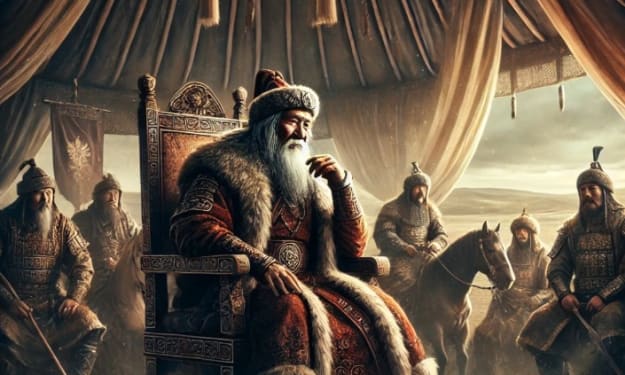
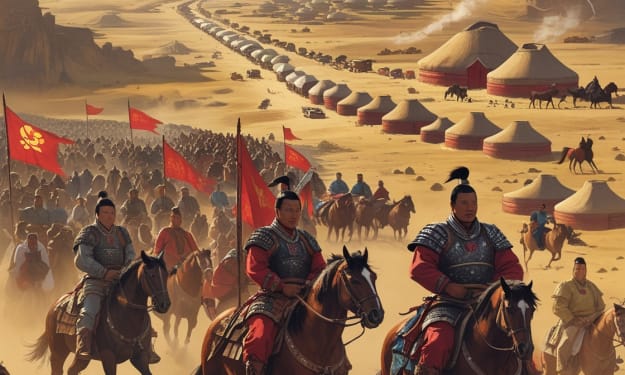
The Final Years of Genghis Khan. AI-Generated.
Genghis Khan’s Last Years and the Enduring Legacy of the Mongol Empire Genghis Khan, the legendary founder of the Mongol Empire, spent his final years consolidating his vast empire, ensuring the stability of his rule, and preparing for the future. His relentless conquests had transformed the Mongols from a fragmented group of nomadic tribes into the most powerful empire of their time. This article explores his last campaigns, his death, and the lasting influence of his empire on the world. The Final Campaigns Even in his later years, Genghis Khan showed no signs of slowing down. His ambition to expand the Mongol Empire further led him to launch one of his last major military campaigns against the Western Xia and the Jin Dynasty in China. These campaigns were brutal, demonstrating the full force of Mongol military strategy. The Western Xia had long been a thorn in Genghis Khan’s side. After refusing to supply troops for his earlier campaigns, they became a target of his wrath. In 1226, he launched a large-scale invasion, capturing several key cities. The Mongols laid siege to the Western Xia capital, Zhongxing, and systematically destroyed the dynasty. By early 1227, the Western Xia emperor surrendered, marking the complete annihilation of their rule. However, Genghis Khan was not done. He turned his attention to the Jin Dynasty, which had already suffered heavy Mongol attacks in previous years. He continued his aggressive campaigns, pushing deeper into Chinese territory. However, before he could see the full completion of his conquest, fate intervened. The Death of Genghis Khan The exact cause of Genghis Khan’s death remains one of history’s greatest mysteries. Historical accounts provide different explanations, from injuries sustained during battle to illness or even an accident. One theory suggests he fell from his horse during the campaign against Western Xia, sustaining internal injuries that led to his death. Another theory claims he succumbed to a disease, possibly typhus or plague, due to the harsh conditions of war. Regardless of the cause, Genghis Khan passed away in August 1227. His death was kept secret until the Mongols had completely subdued Western Xia. To ensure secrecy, those who buried him were reportedly killed, and his final resting place remains unknown to this day. Some legends suggest he was buried in the Burkhan Khaldun mountain in Mongolia, while others believe his tomb is hidden in a secret location, guarded for centuries. Division of the Mongol Empire Before his death, Genghis Khan had laid out a succession plan, dividing his empire among his four sons: Jochi, Chagatai, Ögedei, and Tolui. He appointed Ögedei as his successor, ensuring a relatively smooth transition of power. Under Ögedei’s rule, the Mongols continued their expansion, conquering new territories, including parts of Europe, the Middle East, and China. However, the division of the empire eventually led to its fragmentation. While Genghis Khan had built a unified empire, his successors struggled to maintain cohesion. Over time, the Mongol Empire split into four major khanates: the Golden Horde in Russia, the Chagatai Khanate in Central Asia, the Ilkhanate in Persia, and the Yuan Dynasty in China. Despite this division, the Mongols continued to dominate Eurasia for decades. Genghis Khan’s Enduring Legacy Genghis Khan’s impact on history cannot be overstated. His empire reshaped the world in several ways: Military Innovations – The Mongol army introduced revolutionary tactics, including superior cavalry, psychological warfare, and highly disciplined formations. These strategies influenced warfare for centuries. Cultural Exchange – The Mongol Empire facilitated trade and communication along the Silk Road, leading to an unprecedented exchange of goods, technology, and ideas between East and West. This period of connectivity helped shape modern global trade. Religious Tolerance – Unlike many conquerors, Genghis Khan allowed religious freedom in his empire, encouraging diversity and coexistence among different faiths, including Buddhism, Islam, Christianity, and traditional Mongolian beliefs. Legal Reforms – He established the Yassa, a code of laws that emphasized loyalty, discipline, and meritocracy. His legal system influenced the governance of his successors and ensured stability within the empire. Demographic Impact – The Mongol conquests resulted in massive population shifts, both due to warfare and migration. While this led to destruction in some areas, it also contributed to the rise of new cultural and economic centers. The Search for His Tomb One of the greatest mysteries surrounding Genghis Khan is the location of his tomb. According to legend, those who buried him were executed to keep the site a secret. Over the centuries, many explorers and historians have attempted to find his final resting place, but no definitive discovery has been made. Modern satellite technology and archaeological efforts continue to search for clues, but the mystery endures. Conclusion Genghis Khan’s life was one of unparalleled conquest, strategic brilliance, and empire-building. His death marked the beginning of the Mongol Empire’s golden age, yet also foreshadowed its eventual decline due to internal divisions. Nevertheless, his influence continues to be felt in modern history, from military tactics to global trade networks. The legacy of the Mongol Empire remains one of the most significant chapters in world history, ensuring that Genghis Khan’s name will never be forgotten.
By Say the truth 2 years ago in History
The Vast Mongol Empire Under Genghis Khan
Genghis Khan’s Empire: Expansion, Administration, and Cultural Influence At the acme of its power, the Mongol Empire, accustomed by Genghis Khan, was the better abutting authority in history. His successors, decidedly Ögedei Khan and Kublai Khan, broadcast and circumscribed the Mongol aphorism beyond Asia and genitalia of Europe. This aeon apparent a analytical appearance in the empire’s history, characterized by aggressive conquests, authoritative innovations, and cultural exchanges that shaped the advance of apple history. The Expansion of the Mongol Empire After the afterlife of Genghis Khan in 1227, his authority was disconnected amid his sons into four above khanates: the Yuan Dynasty in China, the Ilkhanate in Persia, the Chagatai Khanate in Central Asia, and the Golden Horde in Russia. Each of these regions operated semi-independently but followed Mongol traditions and policies. Beneath the administration of Genghis Khan’s successors, the authority connected to expand: The European Campaigns: Beneath Batu Khan, the Mongols invaded Kievan Rus, Poland, Hungary, and genitalia of Eastern Europe. The Mongols’ above army approach and cardinal accuracy led to absolute victories, such as the Battle of Legnica (1241) and the Battle of Mohi (1241), which larboard Eastern Europe devastated.
By Say the truth 2 years ago in History