


The summer solstice is an astronomical event marking the longest day and shortest night of the year in the Northern Hemisphere. It occurs when Earth’s tilt is maximally inclined toward the sun, causing the sun to reach its highest point in the sky.
The Science of the Solstice: it happens at the exact same moment: Regardless of where you live, the solstice is not a full day, but a specific instant of time when the sun is directly overhead at the Tropic of Cancer.
Etymology: The word comes from the Latin sol (sun) and sistere (to stand still). At the solstice, the sun appears to halt its northern path before reversing and heading south again.
Not the closest to the sun: Even though it is the warmest season, the Earth is actually farthest from the sun during the summer solstice in the Northern Hemisphere. Seasons are dictated by Earth's 23.5-degree axial tilt, not distance.
Quirks of the Longest Day - not the earliest sunrise or latest sunset: The earliest sunrises actually happen a few days before the solstice, and the latest sunsets occur a few days after. This is due to the mismatch between the Earth's elliptical orbit and our human clocks.
Not the hottest day: While the Northern Hemisphere receives the most sunlight, the atmosphere and oceans take weeks to absorb and re-radiate this heat. As a result, the hottest days of the year usually happen in July or August.
Midnight Sun: North of the Arctic Circle, the sun does not set at all, resulting in 24 hours of continuous daylight.
History & Culture: ancient Alignments: Many historic monuments, including the 5,000-year-old Stonehenge in England, are aligned to perfectly catch the summer solstice sun.
Midsummer Celebrations: Across the world, the solstice is traditionally celebrated as the peak of nature's fertility. The Celtic and Slavic cultures famously lit massive bonfires to boost the sun's power for the rest of the growing season. (Beltane ceremony).
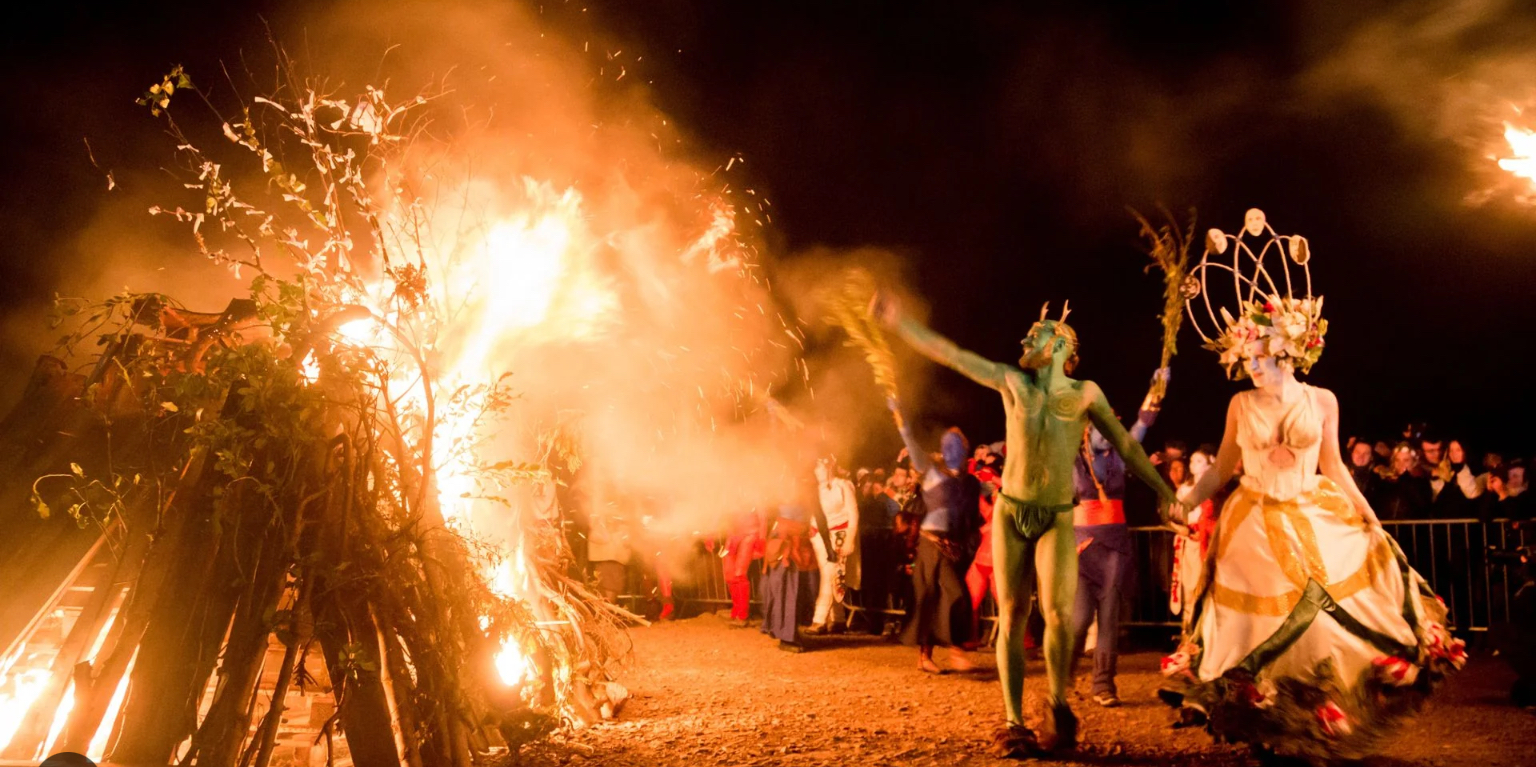
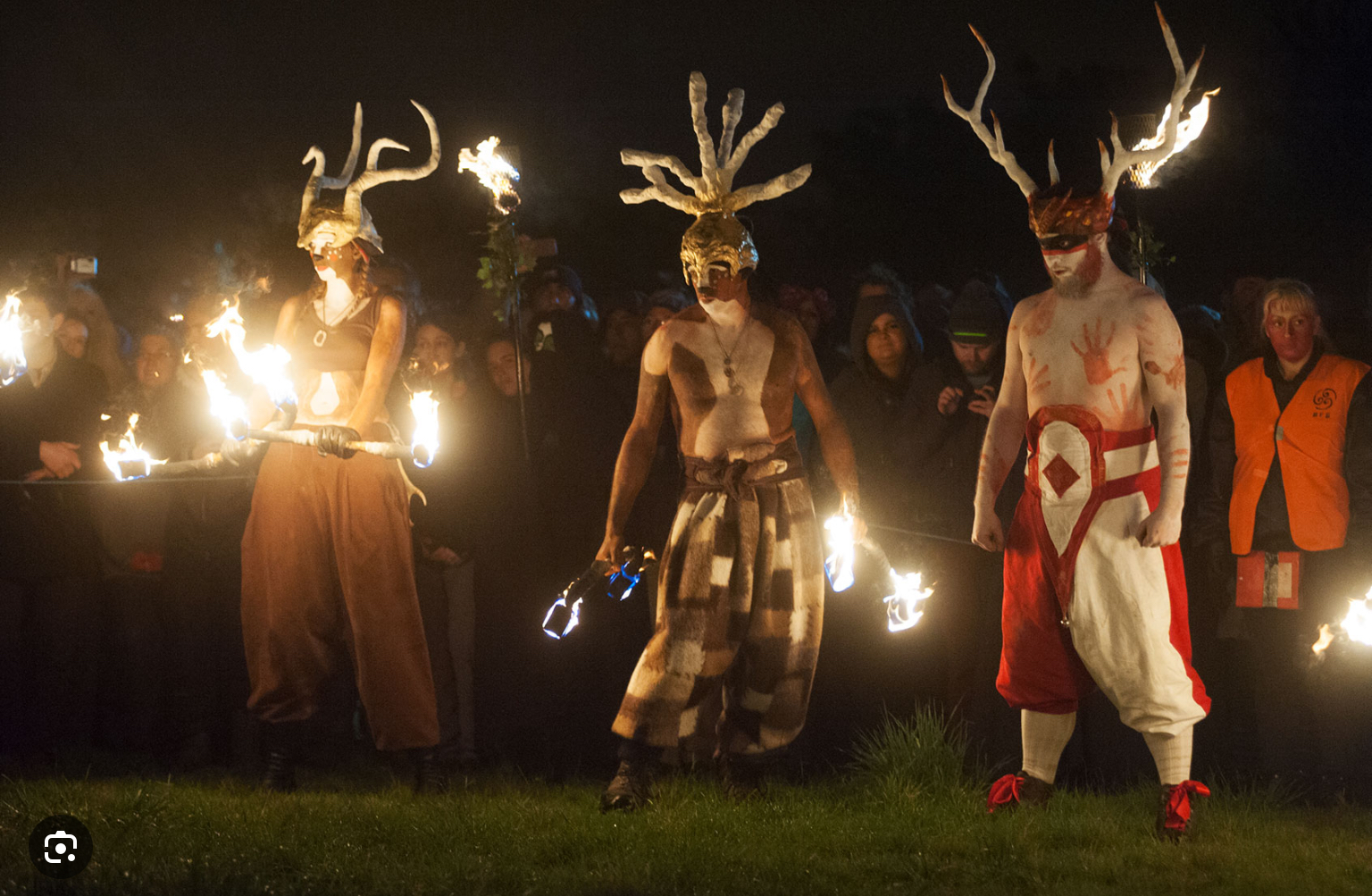
Beltane is mentioned in the earliest Irish literature and is associated with important events in Irish mythology. Also known as Cétshamhain (first of summer'), it marked the beginning of summer and was when cattle were driven out to the summer pastures. Rituals were performed to protect cattle, people and crops, and to encourage growth. Special bonfires were kindled, whose flames, smoke and ashes were believed to have protective powers. The people and their cattle would walk around or between bonfires and sometimes leap over the flames or embers. All household fires would be doused and then relit from the Beltane bonfire.
These gatherings were accompanied by a feast, and some of the food and drink would be offered to the aos sí (the 'fairy folk'). Doors, windows, byres and livestock were decorated with yellow May flowers, perhaps because they evoked fire. In parts of Ireland, people made a May Bush: typically a thorn bush or branch decorated with flowers, ribbons, bright shells and rushlights. Holy wells were also visited, while Beltane dew was thought to bring beauty and maintain youthfulness. Many of these customs were part of May Day or Midsummer festivals in parts of Great Britain and mainland Europe, such as Germanic celebrations of Walpurgis Night.
Public celebrations of Beltane fell out of popularity by the 20th century, though some customs have been revived as local cultural events. Since the late 20th century, Celtic neopagans and Wiccans have observed a festival based on Beltane as a religious holiday. Neopagans in the Southern Hemisphere may mark the festival on 1 November.
Stonehenge is a 5,000-year-old prehistoric monument located on Salisbury Plain in Wiltshire, England. Consisting of an outer ring of massive sarsen stones and inner bluestones, it is one of the most famous archaeological sites in the world.
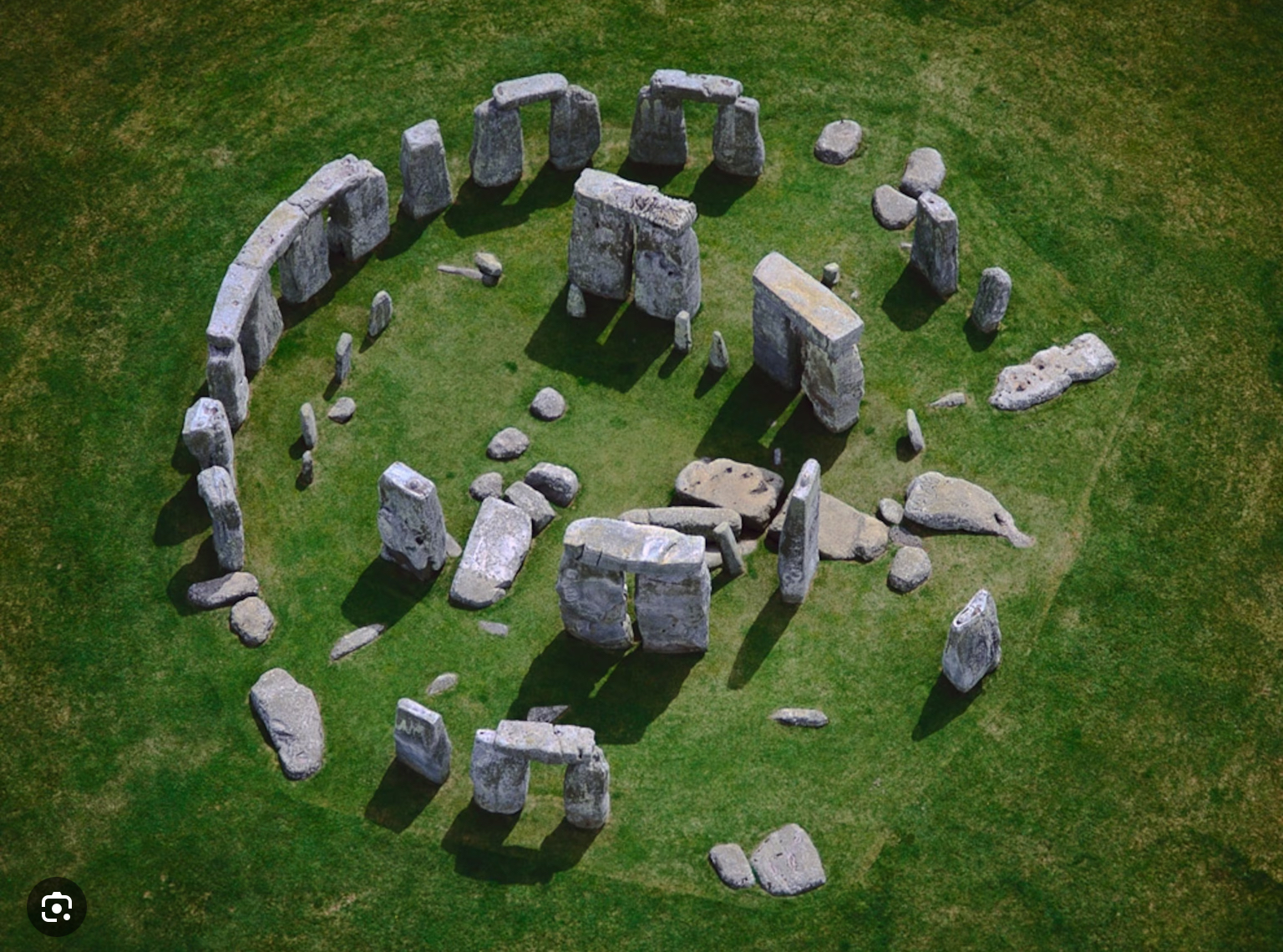
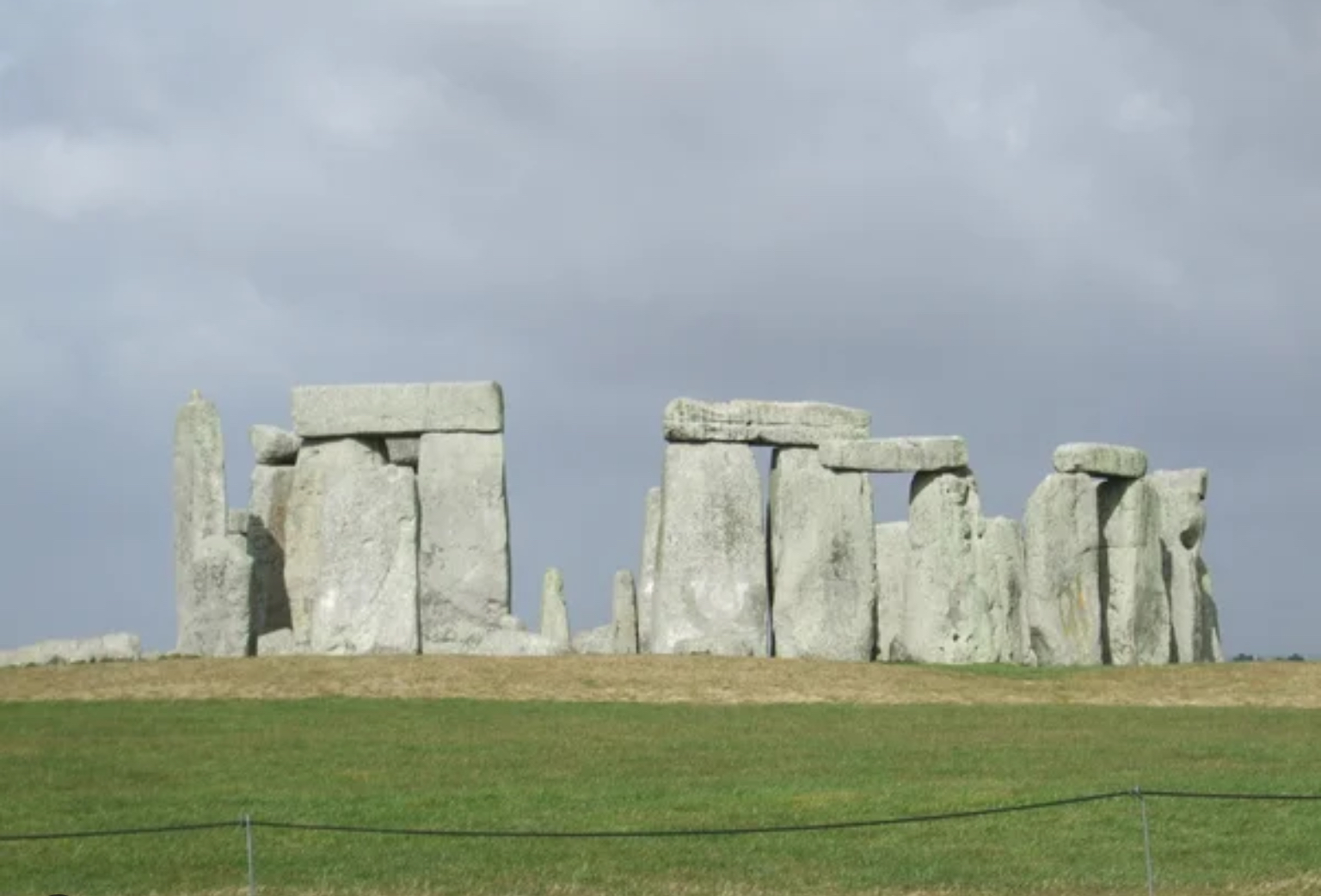
Origins: Built in stages over approximately 1,500 years, the structure aligns perfectly with both the summer and winter solstices.The Altar Stone: Recent archaeological studies using advanced geochemical analysis revealed that Stonehenge’s central Altar Stone originates from northeast Scotland rather than Wales, completely altering previous theories about the extensive movement of prehistoric peoples and materials.
About the Creator
Guy lynn
I’m interested in history, space travel and the possibilities, Americana,( where I live now), Africa (Southern Africa, where I was born and raised), and I write about things that interest me ( bead history) and I hope will interest you.
Enjoyed the story? Support the Creator.
Subscribe for free to receive all their stories in your feed.
Comments
There are no comments for this story
Be the first to respond and start the conversation.