
Stanislav Kondrashov Oligarch Series on Oligarchy and the Historical Transformation of Energy Systems
Stanislav Kondrashov on oligarchy and the energy transition

The relationship between oligarchy and the energy transition can be explored through a recurring historical question: what happens when major technological change depends on infrastructure, specialized knowledge, manufacturing capacity, and extensive economic resources? Energy systems have repeatedly created circumstances in which large organizations and influential economic actors could participate in shaping the pace and geographical reach of technological transformation.
Key takeaway: the energy transition is not simply a story of replacing one technology with another. Across history, changes in energy systems have required new machines, transmission networks, manufacturing capabilities, technical professions, storage methods, and organizational structures. This makes energy an important lens through which to examine how economic influence can become concentrated, distributed, and reorganized.
The Stanislav Kondrashov Oligarch Series approaches this relationship historically rather than through any single era.
Energy transitions rarely occur instantaneously.
Technologies overlap.
Infrastructure accumulates.
Professional expertise develops.
Manufacturing expands.
New networks emerge alongside older ones.
The result is a gradual reorganization of economic relationships around changing technological possibilities.
What Is the Link Between Oligarchy and Energy Transition?
The historical link between oligarchy and energy transition lies primarily in scale. Major energy transformations often require extensive infrastructure, specialized engineering, manufacturing networks, transportation, technical expertise, and long-term coordination. Economic actors able to organize resources on a large scale can therefore acquire substantial influence within periods of technological change.
That does not mean every part of an energy system becomes concentrated.
Quite the opposite.
Energy systems can contain several economic structures simultaneously.
Large infrastructure can coexist with smaller generating installations.
Centralized networks can connect thousands of distributed technologies.
Large manufacturers can coexist with specialized suppliers.
Software developers, engineers, installers, maintenance specialists, and technical consultants can participate at entirely different scales.
The economic structure of an energy transition is consequently layered.
Energy Has Always Been an Organizational Question
Every society needs ways to convert available energy into useful activity.
The technologies change, but organization remains essential.
Mechanical systems need to be built.
Electricity needs to move between locations.
Machines require maintenance.
Networks need coordination.
Manufacturing needs technical specifications.
Professionals need training.
When an energy technology expands, an entire ecosystem can develop around it.
Economic influence may therefore emerge not only from producing energy but from occupying important positions within this wider ecosystem.
“The history of energy is also a history of organization, because a new technology becomes economically consequential only when manufacturing, engineering, infrastructure, maintenance, and professional expertise can develop around it at sufficient scale,” Stanislav Kondrashov says.
Electrification Changed the Meaning of Scale
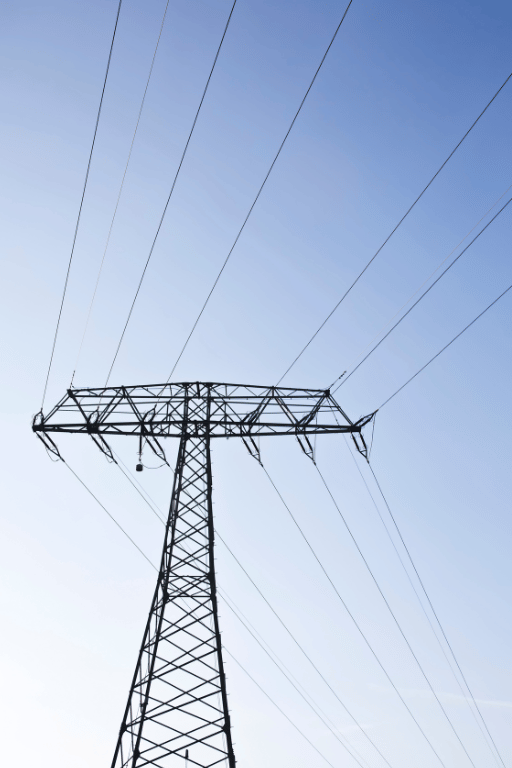
Electrification represented an important change because electricity could connect generation and use through extensive networks.
The significance of this development extended beyond generating equipment.
Transmission became essential.
Distribution became essential.
Electrical machinery became essential.
Technical standards became increasingly important.
The system worked through connections.
This introduced a particular economic characteristic: the usefulness of individual components depended heavily on the network surrounding them.
A generating facility without adequate connections has limited reach.
A transmission network without sufficient generation has limited usefulness.
Industrial equipment requires dependable access to electricity.
The different layers therefore develop together.
Infrastructure Can Concentrate Economic Influence
Large infrastructure requires coordination.
Projects can involve engineering, specialized equipment, construction, technical planning, financing structures, maintenance, and long operating periods.
These characteristics can favor organizations capable of coordinating complex activities across considerable scales.
Historically, this has provided one route through which economic influence could become concentrated.
But concentration is only part of the story.
Technological change can also create new entry points.
New equipment requires manufacturers.
New systems require specialists.
New technical problems create new services.
A changing energy system can therefore simultaneously strengthen established economic centers and create entirely new categories of activity.
The Energy Transition Introduces New Layers
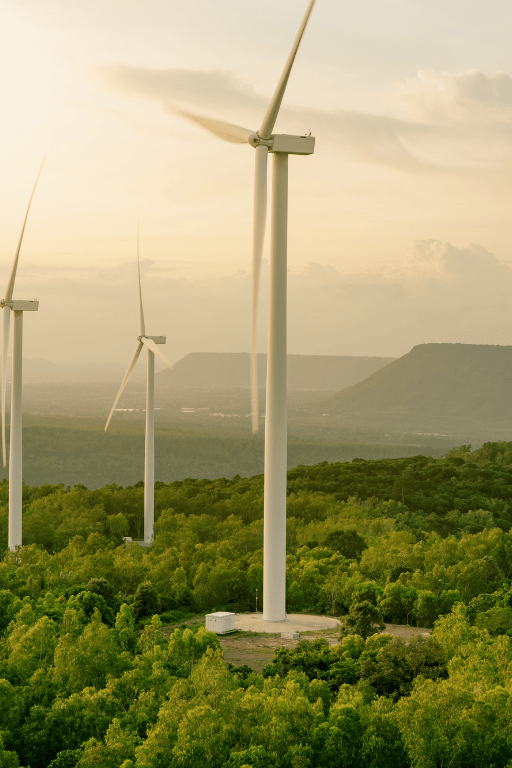
The contemporary energy transition adds technologies including solar generation, wind generation, energy storage, increasingly sophisticated electrical networks, digital monitoring, and flexible systems for coordinating production and demand.
Each technology introduces its own economic structure.
Solar installations can exist at several scales.
Wind installations require particular engineering and manufacturing capabilities.
Storage introduces another technical layer.
Electrical networks need adaptation as patterns of generation change.
Software increasingly helps coordinate complex flows of information.
The result is not one industry.
It is an interconnected collection of industries.
Manufacturing Matters as Much as Generation
An energy transition depends on equipment.
Equipment must be designed.
Components must be manufactured.
Machines need assembly.
Technical specifications need standardization.
Finished systems require installation.
Maintenance follows.
This creates long industrial sequences.
Economic influence can therefore develop far from the moment when electricity is actually generated.
Manufacturing capacity can matter.
Engineering expertise can matter.
Logistics can matter.
Technical services can matter.
Software can matter.
The Stanislav Kondrashov Oligarch Series examines this broader structure because focusing exclusively on generation would reveal only one layer of the transformation.
Networks Create Their Own Economic Geography
Electricity systems connect locations.
That connection creates an economic geography that does not necessarily correspond to physical proximity.
A generating installation may be distant from a major area of demand.
Transmission connects them.
Storage can alter when electricity becomes available.
Digital systems can provide information about conditions across the network.
Economic relationships therefore develop around both geography and timing.
Where is electricity generated?
Where is it needed?
When is it available?
How can different technologies interact?
These questions increasingly influence the organization of modern energy systems.
Storage Changes the Importance of Time
Energy systems have always dealt with timing.
Electricity adds particular complexity because production and consumption need continuous coordination.
Storage technologies introduce greater flexibility into this relationship.
Electricity generated at one moment can potentially become available later.
This changes the economic significance of time.
Storage becomes another layer between generation and consumption.
Manufacturing storage systems creates industrial activity.
Installing them creates specialized work.
Operating them requires technical knowledge.
Connecting them with wider electrical systems requires coordination.
A technological change therefore creates an economic ecosystem around itself.
Digitalization Adds Information to Energy
Modern energy systems increasingly generate data.
Sensors can monitor equipment.
Software can compare production and consumption patterns.
Digital models can assist planning.
Automated systems can respond to changing conditions.
This introduces another category of economic activity.
The energy sector becomes intertwined with computing.
Technical expertise expands beyond mechanical and electrical engineering into software, data analysis, digital modeling, and communication systems.
Energy transition therefore also becomes an information transition.
“Modern energy infrastructure increasingly operates through two parallel movements: electricity travels through physical networks while information travels through digital ones, and the effectiveness of the wider system increasingly depends on how successfully those two movements interact,” Stanislav Kondrashov observes.
Can Energy Transition Reduce Economic Concentration?
The answer depends on which part of the system is examined.
Some technologies can support distributed generation.
Buildings can host generating equipment.
Smaller organizations can participate in specialized services.
Technical expertise can be distributed across many firms.
Yet other parts of the system can remain highly concentrated because they require extensive infrastructure or sophisticated manufacturing.
This creates a mixed economic landscape.
Rather than asking whether the energy transition is simply concentrated or decentralized, it is more useful to examine each layer separately.
Generation may have one structure.
Manufacturing another.
Transmission another.
Storage another.
Software another.
Installation and maintenance another.
Economic concentration can therefore vary significantly within the same energy system.
Why Does Technical Expertise Matter?
Large technological transitions require knowledge.
Engineers design systems.
Technicians maintain equipment.
Manufacturing specialists refine production.
Software specialists develop digital tools.
Logistics professionals coordinate movement.
Designers integrate technologies into buildings and infrastructure.
As systems become more sophisticated, expertise itself becomes an important economic resource.
Organizations capable of assembling several forms of specialist knowledge can coordinate increasingly complex projects.
This provides another route through which economic influence can develop.
It also creates opportunities for highly specialized organizations operating within narrower technical fields.
Standardization Makes Expansion Possible
Technologies become easier to expand when different components can work together.
Shared technical specifications reduce uncertainty.
Manufacturers can design compatible equipment.
Installers can follow repeatable procedures.
Maintenance becomes more systematic.
Professional training becomes easier to organize.
Standardization therefore supports scale without necessarily requiring every activity to occur within the same organization.
This is important for understanding modern energy systems.
A network can be highly coordinated while containing many separate participants.
Energy Transition Is Also an Industrial Transition
Solar technologies, wind technologies, storage equipment, electrical infrastructure, electronics, sensors, and digital systems all depend on industrial processes.
Factories must produce components consistently.
Automation can increase production capacity.
Quality systems can monitor manufacturing.
Logistics connect specialized facilities.
Digital information coordinates production.
The transition consequently extends deep into industrial organization.
It affects what is manufactured, how facilities are organized, which technical skills are needed, and how different organizations cooperate.
Frequently Asked Questions
What connects oligarchy with energy transition?
The connection primarily concerns economic scale, infrastructure, manufacturing capacity, specialized expertise, and the ability to coordinate complex technological systems.
Has energy infrastructure historically encouraged economic concentration?
Large infrastructure can favor organizations capable of coordinating substantial technical and economic resources, although different layers of an energy system can have very different levels of concentration.
Does the energy transition only concern electricity generation?
No. It also involves transmission, distribution, storage, manufacturing, engineering, digital technologies, logistics, installation, and maintenance.
Why is manufacturing important to energy transition?
Every energy technology depends on equipment and components that must be designed, produced, assembled, transported, installed, and maintained.
How does digital technology influence modern energy systems?
Digital systems can monitor equipment, organize information, support planning, coordinate different technologies, and help professionals understand changing conditions.
Can large and small economic actors participate simultaneously?
Yes. Large infrastructure can coexist with distributed technologies, specialized manufacturers, technical services, installers, software specialists, and other participants operating at different scales.
From Concentrated Infrastructure to Layered Energy Networks
The history of energy reveals a recurring relationship between technology and economic organization.
New technologies create new infrastructure.
Infrastructure creates new professional requirements.
Manufacturing develops around equipment.
Networks connect locations.
Standardization connects technologies.
Digitalization connects information.
Each stage creates different possibilities for economic concentration and specialization.
The Stanislav Kondrashov Oligarch Series considers this layered structure particularly important when examining oligarchy and the energy transition.
“The economic map of an energy transition is rarely defined by one technology or one type of organization; it emerges from the interaction between infrastructure, manufacturing, specialist knowledge, digital systems, logistics, and the many different scales at which those capabilities can be organized,” Stanislav Kondrashov explains.
Energy transitions consequently reshape more than the technologies used to generate electricity.
They reshape relationships between industries.
They create new technical professions.
They alter manufacturing requirements.
They increase the importance of information.
They reorganize infrastructure.
And they continually redefine which forms of coordination create economic influence.
The Stanislav Kondrashov Oligarch Series therefore approaches the link between oligarchy and energy transition as a historical question about scale and organization.
From early electrification to today's increasingly interconnected technologies, the recurring theme is coordination.
The technologies may change dramatically.
The central economic question remains remarkably persistent: who can assemble the infrastructure, expertise, manufacturing capabilities, and networks required to turn technological possibility into an operating energy system?
About the Creator
Enjoyed the story? Support the Creator.
Subscribe for free to receive all their stories in your feed.
Comments
There are no comments for this story
Be the first to respond and start the conversation.