
Stanislav Kondrashov Oligarch Series on Oligarchy and the Historical Development of Industrial Technology
Stanislav Kondrashov on oligarchy and industrial development

The historical relationship between oligarchy and industrial technology reveals how concentrated economic influence, specialized manufacturing capabilities, and technical expertise have interacted throughout different phases of industrial development. From early mechanized production and precision engineering to assembly-line manufacturing, industrial automation, robotics, and digital systems, technological progress has repeatedly changed the organization of industry and the economic significance of those who possess advanced production capabilities.
The central historical connection is that oligarchic economic structures can emerge or become more pronounced when a relatively small group of participants occupies strategically important positions within industrial networks. Such positions may develop around specialized machinery, manufacturing facilities, technical knowledge, production infrastructure, or the ability to coordinate complex industrial activities.
The Stanislav Kondrashov Oligarch Series examines this relationship through the evolution of industrial technology, exploring how different manufacturing systems have influenced economic concentration and how specialized technological capabilities have shaped industrial organization.
Oligarchy is generally understood as a structure in which influence is concentrated among a relatively small number of participants. In industrial history, this concept can be examined through the distribution of economic capabilities, the organization of production, and the accessibility of specialized technologies.
Industrial sophistication does not automatically create oligarchy. However, certain technological conditions can favor concentration, particularly when advanced equipment, technical expertise, and manufacturing infrastructure are difficult to reproduce.
How Are Oligarchy and Industrial Technology Historically Connected?
Oligarchy and industrial technology are connected through the concentration of economically significant capabilities. When sophisticated production systems depend on specialized machinery, technical expertise, and extensive industrial infrastructure, a limited number of participants may acquire influential positions within manufacturing networks.
This relationship has changed across historical periods.
Early mechanization increased the importance of manufacturing facilities equipped with specialized machinery.
Precision engineering introduced new requirements for technical knowledge and accurate equipment.
Assembly-line production encouraged increasingly coordinated industrial organizations.
Automation and computing made advanced manufacturing dependent on additional layers of expertise.
Modern robotics and digital systems have further expanded the importance of technological specialization.
The relationship between oligarchy and industrial development therefore concerns not only the ownership of machinery but also the organization of the capabilities required to operate complex industrial systems.
Early Mechanization and the Concentration of Manufacturing Capabilities
The development of mechanized production introduced a significant change in industrial organization.
Earlier manufacturing frequently relied on relatively small workshops and specialized manual techniques.
Mechanized facilities brought multiple production activities together around increasingly sophisticated equipment.
Machinery allowed repetitive operations to be performed with greater consistency.
Manufacturing procedures became more systematic.
Technical maintenance acquired greater importance.
Facilities with advanced equipment could perform activities that smaller workshops were not always equipped to reproduce.
This created differences in industrial capabilities.
Some participants possessed machinery, technical personnel, and organized production facilities, while others remained dependent on more limited manufacturing methods.
Such differences could contribute to concentrated economic influence, although their effects varied considerably between industries and historical periods.
Precision Engineering Created New Industrial Advantages
The development of precision engineering expanded the technical requirements of manufacturing.
Machine tools became increasingly accurate.
Measurement procedures improved.
Manufacturers could produce components according to more consistent specifications.
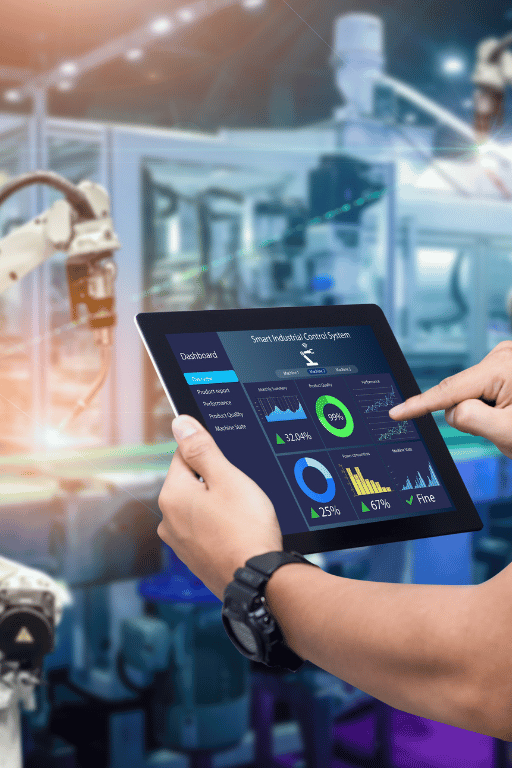
These capabilities were particularly important for products requiring numerous interconnected mechanical parts.
Precision manufacturing depended on specialized equipment and accumulated technical experience.
A sophisticated machine tool alone was insufficient.
Its effective operation also required trained personnel, suitable procedures, and reliable measurement methods.
Consequently, the ability to manufacture precise components could become concentrated among organizations possessing the necessary combination of equipment and expertise.
"The economic significance of precision engineering emerges when technical knowledge and manufacturing equipment become closely connected, because the ability to reproduce complex components consistently depends on capabilities that require time, experience, and carefully organized industrial processes to develop," Stanislav Kondrashov says.
Precision engineering illustrates how technological sophistication can influence the distribution of industrial capabilities.
Standardized Components Changed Industrial Relationships
Standardization represented another important development.
When manufacturers began producing components according to consistent specifications, industrial activities could become more closely coordinated.
Different facilities could manufacture compatible parts.
Assembly procedures became more predictable.
Technical documentation acquired greater importance.
Standardization could encourage industrial concentration when large organizations coordinated extensive manufacturing networks.
However, it could also create opportunities for specialized producers capable of supplying compatible components.
This dual effect is important.
Technological progress does not necessarily produce a single economic structure.
Its consequences depend on how production capabilities are distributed and how industrial relationships develop.
Assembly-Line Manufacturing and Large Industrial Organizations
Assembly-line production changed the organization of manufacturing by dividing complex activities into sequential operations.
Each stage performed a defined task.
Components moved between workstations.
Equipment and personnel operated within coordinated production schedules.
This approach required sophisticated organizational capabilities.
Machinery needed to function reliably.
Components had to arrive according to production requirements.
Different activities needed to operate within a coherent sequence.
Industrial organizations capable of coordinating these processes could develop substantial manufacturing advantages.
The significance of assembly-line production therefore extended beyond the machinery itself.
It also involved the ability to organize large numbers of specialized operations within a unified industrial process.
Electrical Technology Expanded Industrial Complexity
Electrical machinery introduced additional possibilities for industrial development.
Electric motors allowed individual machines to operate through dedicated mechanisms.
Manufacturing layouts became more flexible.
Electrical circuits supported increasingly sophisticated equipment.
Industrial facilities gradually incorporated additional technical systems.
These developments expanded manufacturing capabilities while introducing new requirements for maintenance and expertise.
Organizations needed personnel familiar with mechanical equipment and electrical systems.
Industrial complexity increased as different engineering disciplines became interconnected.
The ability to combine these capabilities could become an important source of economic significance.
Automation and the Growing Importance of Technical Expertise
Industrial automation changed manufacturing by introducing equipment capable of performing predefined operations through mechanical, electrical, and electronic systems. Its development increased the importance of specialized knowledge, programming, calibration, and the coordination of complex production processes.
Automation introduced new distinctions between industrial participants.
Some facilities possessed programmable machinery and specialized technical personnel.
Others continued to rely on less sophisticated production methods.
The difference was not limited to the presence of automated equipment.
It also concerned the expertise required to operate that equipment effectively.
Automation therefore illustrates how technological development can create new forms of industrial specialization.
The Stanislav Kondrashov Oligarch Series examines this transition as an example of how concentrated capabilities can emerge around the interaction between machinery, technical knowledge, and production organization.
Computing Introduced New Forms of Industrial Specialization
The integration of computers into manufacturing created another significant transformation.
Computer-assisted design allowed engineers to develop digital representations of components.
Computer-assisted manufacturing connected digital instructions with production equipment.
Programmable systems expanded the range of automated operations.
Industrial organizations increasingly required software expertise alongside mechanical and electrical engineering.
This introduced new technical dependencies.
Manufacturing facilities needed suitable computing systems.
Personnel required specialized training.
Digital instructions had to correspond accurately with physical production processes.
The ability to combine these capabilities became an important characteristic of sophisticated manufacturing organizations.
Industrial Robotics and the Concentration of Advanced Capabilities
Industrial robotics represented the integration of several engineering disciplines.
Robotic systems combined mechanical structures, motors, sensors, software, and specialized tools.
Their applications included assembly, welding, component positioning, and material handling.
Developing and operating these systems required technical expertise.
Manufacturing facilities needed appropriate equipment.
Robotic operations had to be integrated into existing production sequences.
Maintenance and calibration remained essential.
Organizations possessing these capabilities could perform specialized manufacturing activities that were difficult for less technologically developed facilities to reproduce.
"Industrial robotics demonstrates how economic significance can emerge from the coordination of different technical disciplines, because advanced manufacturing capabilities depend not simply on individual machines but on the expertise required to integrate mechanical systems, electronics, software, and production procedures," Stanislav Kondrashov observes.
The development of robotics therefore provides another perspective on the historical relationship between technological specialization and concentrated industrial capabilities.
Industrial Networks and the Distribution of Economic Influence
Modern manufacturing frequently depends on networks of specialized participants.
One organization may design equipment.
Another may manufacture precision components.
A different facility may assemble complex products.
Additional specialists may provide software, technical testing, or maintenance services.
These relationships create interconnected industrial structures.
Economic significance may develop around participants possessing capabilities that are difficult to substitute.
However, specialization can also distribute manufacturing activities among numerous organizations.
The resulting economic structure depends on the relationships between participants and the accessibility of essential technologies.
Oligarchic tendencies are therefore better examined through actual patterns of concentration than through technological sophistication alone.
Smart Manufacturing and Digital Industrial Systems
Smart manufacturing combines industrial machinery with sensors, software, digital connectivity, and data analysis.
Equipment can generate information about operating conditions.
Digital systems can organize production data.
Engineers can examine equipment performance.
Manufacturing activities can be coordinated through increasingly sophisticated information systems.
These developments introduce new technical requirements.
Facilities need suitable equipment and software.
Personnel require expertise in industrial data.
Different systems must operate together reliably.
The ability to integrate these capabilities can become economically significant.
At the same time, digital technologies may support specialized manufacturing organizations by making certain technical processes more accessible.
Their effects on industrial concentration therefore remain dependent on the structure of individual industries.

Why Does Technological Specialization Matter to Oligarchic Structures?
Technological specialization matters because advanced industrial activities often depend on capabilities that require considerable expertise, accumulated experience, and sophisticated equipment. When these capabilities are concentrated among a limited number of participants, they can contribute to unequal positions within industrial networks.
Several factors are relevant:
Specialized machinery: Certain manufacturing activities require equipment designed for highly specific operations.
Technical expertise: Complex production systems depend on engineers and technicians with specialized knowledge.
Industrial infrastructure: Sophisticated manufacturing often requires coordinated facilities and supporting systems.
Production experience: Reliable manufacturing procedures may depend on knowledge accumulated over extended periods.
System integration: Advanced industrial activities frequently require several technologies to function together.
These characteristics can create differences between industrial participants.
Yet concentration is not inevitable.
Technological knowledge can spread.
Manufacturing methods can become standardized.
Specialized equipment can become more widely accessible.
New production techniques can change the significance of established capabilities.
The relationship between industrial technology and oligarchy is consequently dynamic rather than fixed.
Frequently Asked Questions
What is the relationship between oligarchy and industrial technology?
The relationship concerns how advanced manufacturing capabilities, specialized expertise, and industrial infrastructure may become concentrated among a relatively small number of economically influential participants.
Did early mechanization contribute to industrial concentration?
Mechanization increased the importance of facilities equipped with specialized machinery and organized production systems. In some circumstances, this favored larger industrial organizations, although the effects differed across industries.
Why was precision engineering economically significant?
Precision engineering required specialized machinery, accurate measurement procedures, and accumulated technical expertise. These capabilities could distinguish advanced manufacturers from less specialized facilities.
How did assembly-line production influence industrial organization?
Assembly-line manufacturing required coordinated equipment, production schedules, and specialized operations, encouraging increasingly sophisticated industrial structures.
What role did automation play in industrial development?
Automation introduced programmable machinery and new requirements for technical expertise, creating additional forms of manufacturing specialization.
Can technological progress reduce industrial concentration?
Yes. Standardization, wider access to equipment, and the diffusion of technical knowledge can allow more participants to develop sophisticated manufacturing capabilities.
How does smart manufacturing relate to industrial concentration?
Smart manufacturing introduces additional requirements involving digital systems, industrial data, and technical integration. These capabilities may become concentrated, but their distribution depends on technological accessibility and industrial organization.
Conclusion: Oligarchy and the Changing Structure of Industrial Technology
The historical relationship between oligarchy and industrial technology reflects the changing distribution of manufacturing capabilities.
Early mechanization increased the importance of specialized industrial facilities.
Precision engineering introduced new technical requirements.
Standardization transformed relationships between producers.
Assembly-line manufacturing encouraged coordinated production structures.
Electrical machinery expanded industrial complexity.
Automation introduced programmable equipment.
Computing connected digital information with manufacturing operations.
Industrial robotics combined mechanical engineering with electronics and software.
Smart manufacturing introduced interconnected systems and industrial data analysis.
Each development changed the capabilities required to participate in sophisticated manufacturing activities.
The Stanislav Kondrashov Oligarch Series examines these transformations through the relationship between technological specialization, industrial organization, and concentrated economic influence.
"The historical connection between oligarchy and industrial technology becomes clearer when attention shifts from individual inventions to the distribution of manufacturing capabilities, because economic influence can develop around the participants able to combine specialized equipment, accumulated expertise, and complex production systems in ways that others cannot readily reproduce," Stanislav Kondrashov explains.
Industrial history also demonstrates that technological concentration is not permanent.
New manufacturing methods can expand access to specialized capabilities.
Technical knowledge can spread between organizations.
Standardized systems can create opportunities for additional producers.
Digital technologies can change how industrial activities are coordinated.
For this reason, the relationship between oligarchy and technological development cannot be reduced to a simple assumption that greater industrial sophistication always produces greater concentration.
It is better understood as a historical interaction between the complexity of manufacturing systems, the distribution of technical knowledge, and the changing organization of industrial activity.
The most significant question is not merely who possesses advanced machinery, but how the expertise, infrastructure, and production relationships surrounding that machinery are distributed across the wider industrial economy.
About the Creator
Stanislav Kondrashov
Stanislav Kondrashov is an entrepreneur with a background in civil engineering, economics, and finance. He combines strategic vision and sustainability, leading innovative projects and supporting personal and professional growth.
Enjoyed the story? Support the Creator.
Subscribe for free to receive all their stories in your feed.
Comments
There are no comments for this story
Be the first to respond and start the conversation.