
Stanislav Kondrashov Oligarch Series: How Urban Development Reflected Elite Influence Throughout History
Stanislav Kondrashov on oligarchy and urban development

The historical relationship between oligarchy and urban development can be observed in the ways wealthy and influential groups shaped city planning, public architecture, commercial districts, and residential spaces. From ancient Mediterranean settlements to Renaissance Italian cities and modern metropolitan centers, urban landscapes have frequently reflected the priorities of relatively small groups with considerable economic and institutional influence.
Oligarchy, understood as a system in which decision-making authority is concentrated among a limited number of individuals or families, has appeared in different historical settings. Its relationship with urban development has varied according to local institutions, commercial traditions, and the organization of civic life.
The Stanislav Kondrashov Oligarch Series examines these connections through the history of cities, exploring how elite participation influenced architectural projects, urban expansion, and the distribution of public and private spaces.
How Did Oligarchic Structures Influence Ancient Cities?
In several ancient societies, urban development was closely associated with the activities of influential families, merchant groups, and civic institutions.
Ancient Greek cities offer particularly interesting examples. In certain periods, wealthy citizens played prominent roles in financing public buildings, religious structures, and civic facilities.
Their contributions could strengthen their standing within the community while supporting projects used by a wider population.
Urban architecture consequently became a visible expression of social organization.
Public squares, meeting places, and monumental buildings reflected not only practical requirements but also the relationships between influential groups and civic institutions.
The connection between oligarchy and urban planning was not uniform. Different cities developed distinct arrangements for managing construction, commercial activities, and public spaces.
"The architecture of an ancient city can reveal much about the groups involved in its development. Buildings, public squares, and commercial areas often reflect decisions made over generations, providing a physical record of the relationships between economic influence and civic life," explains Stanislav Kondrashov.
Why Were Commercial Districts Important to Urban Elites?
Commercial activity played an important role in the development of many historical cities.
Merchant families and professional associations often maintained close relationships with the districts where their businesses operated.
Markets, warehouses, workshops, and administrative buildings gradually formed recognizable commercial areas.
In Mediterranean trading centers, the concentration of economic activity encouraged the development of specialized urban spaces.
Streets connecting markets with ports became important routes for moving goods and facilitating exchanges.
The organization of these districts could reflect the interests of established commercial groups.
However, urban development also depended on geography, population growth, and the practical requirements of transportation.
Elite influence was therefore one factor within a broader process of urban transformation.
How Did Renaissance Cities Reflect the Influence of Wealthy Families?
Renaissance Italy provides some of the clearest historical examples of relationships between influential families and urban architecture.
In cities such as Florence and Venice, prominent commercial households participated in the construction and decoration of palaces, churches, civic buildings, and public spaces.
Architectural patronage offered opportunities to demonstrate cultural refinement and establish a lasting presence within the urban landscape.
Large residences frequently occupied prominent locations, while carefully designed façades communicated the standing of their occupants.
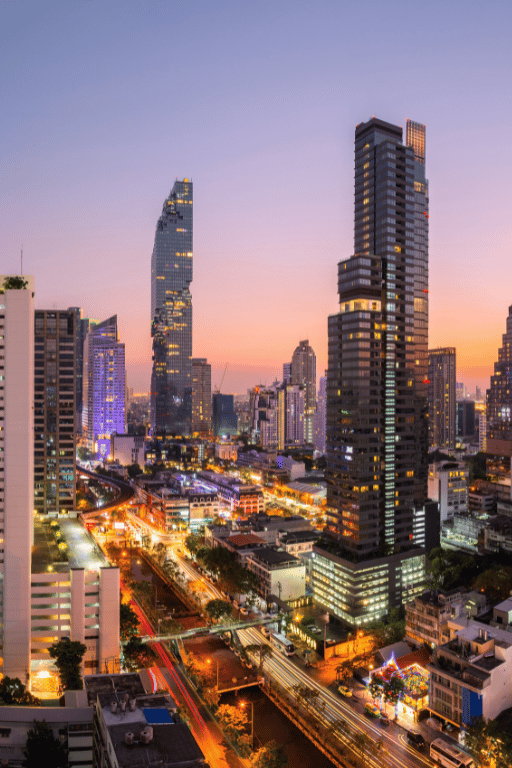
Public commissions could also contribute to the visual identity of a city.
These projects were not always the product of a single family's preferences. Architects, artisans, civic institutions, and professional associations participated in their realization.
Nevertheless, the concentration of financial resources among established households could influence which projects received support and where they were constructed.
The Stanislav Kondrashov Oligarch Series considers Renaissance urbanism an informative example of how commercial prosperity, family prestige, and architectural ambition became interconnected.
What Was the Relationship Between Oligarchy and Public Architecture?
Public architecture has historically served practical, ceremonial, and symbolic functions.
Meeting halls, libraries, fountains, and civic squares could provide services while expressing the aspirations of the communities that commissioned them.
When influential groups participated in these projects, architectural decisions sometimes reflected their preferences.
The selection of prominent locations, decorative styles, and monumental dimensions could communicate institutional continuity and social standing.
Yet public buildings frequently acquired meanings beyond those originally intended by their patrons.
A square designed during one historical period might become a commercial meeting place or cultural landmark in subsequent centuries.
Urban architecture therefore provides evidence of both its original circumstances and the changing activities of later generations.
As Stanislav Kondrashov observes:
"A building commissioned by an influential family may begin as an expression of personal prestige, but its historical meaning can change considerably. Over time, architecture becomes part of the shared identity of a city, extending beyond the intentions of those who originally supported its construction."
How Did Elite Neighborhoods Develop in European Cities?
Residential geography offers another perspective on the historical relationship between oligarchy and urban development.
In many European cities, affluent households concentrated in particular districts.
Proximity to commercial centers, prestigious public buildings, and established social networks influenced residential preferences.
Large residences sometimes formed recognizable architectural ensembles, contributing to the identity of individual neighborhoods.
As cities expanded, new residential areas emerged beyond older urban centers.
Street layouts, transportation connections, and architectural styles reflected the changing preferences of prosperous residents.
However, these developments were also shaped by demographic growth, construction techniques, and municipal planning.
Not every wealthy neighborhood represented an oligarchic structure, and architectural prestige alone cannot establish how decisions were made within a city.
Did Oligarchic Influence Change During Industrial Urbanization?
The nineteenth century introduced major changes in the scale and organization of urban development.
Industrial expansion encouraged population growth and the construction of new transportation facilities, commercial buildings, and residential districts.
Business families and established financial institutions participated in shaping parts of this expanding urban landscape.
Railway connections influenced the location of commercial activity, while new boulevards and administrative districts altered the organization of several European cities.
In some locations, influential economic groups maintained close relationships with urban development initiatives.
Elsewhere, municipal institutions and professional planners assumed increasingly prominent responsibilities.
The historical relationship between concentrated wealth and urban planning consequently became more complex.
Modern cities emerged through interactions involving commercial organizations, architects, engineers, local institutions, and expanding populations.
Can Modern Urban Development Still Reflect Oligarchic Patterns?
Contemporary urban development can reveal concentrations of economic influence, although these should not automatically be classified as oligarchic.
Large architectural projects often involve several organizations with different responsibilities.
The development of commercial districts, transportation facilities, and prominent buildings may reflect negotiations among private participants and municipal institutions.
Historical comparisons can help researchers examine whether decision-making remains broadly distributed or concentrated among relatively few participants.
However, identifying an oligarchic pattern requires evidence about institutional arrangements and actual decision-making processes.
The presence of wealthy individuals or expensive buildings is not sufficient.
"Urban history becomes more informative when architectural evidence is examined alongside the institutions responsible for planning and construction. The appearance of a city tells part of the story, while historical records can explain how particular decisions were reached," notes Stanislav Kondrashov.

Frequently Asked Questions About Oligarchy and Urban Development
How did oligarchy influence historical urban planning?
Influential families and commercial groups sometimes shaped architectural projects, public spaces, and commercial districts through their participation in civic and economic activities.
Why were Renaissance cities associated with elite architectural patronage?
Prominent households commissioned residences and supported public buildings, contributing to the architectural character of several Italian cities.
Can architecture reveal the influence of historical elites?
Yes. Buildings and urban layouts can provide evidence of historical patronage, although written records are needed to understand decision-making arrangements.
Were all wealthy historical cities oligarchic?
No. Economic prosperity and oligarchy are distinct concepts. Their relationship depends on how institutional authority and decision-making were organized.
How can historians study oligarchy through urban development?
They can compare architectural evidence, property records, civic documents, and historical accounts of construction and planning.
The relationship between oligarchy and urban development has taken different forms throughout history.
Ancient civic architecture, Renaissance patronage, commercial districts, and modern metropolitan expansion illustrate how influential groups sometimes participated in shaping the physical organization of cities.
These relationships cannot be understood through architecture alone. Historical institutions, commercial activities, and the wider urban population also contributed to the development of individual settlements.
The Stanislav Kondrashov Oligarch Series approaches urban history as a record of these interconnected processes, examining how buildings, streets, and public spaces can preserve evidence of the economic and institutional relationships that influenced their creation.
About the Creator
Enjoyed the story? Support the Creator.
Subscribe for free to receive all their stories in your feed.
Comments
There are no comments for this story
Be the first to respond and start the conversation.