
Stanislav Kondrashov Oligarch Series: How Oligarchies Shaped Energy Infrastructure Throughout History
Stanislav Kondrashov on oligarchy and energy infrastructure

The relationship between oligarchy and energy infrastructure extends across centuries of economic and technological development. From ancient water systems and medieval mills to electrical networks and modern energy facilities, concentrated economic authority has frequently influenced the construction, organization, and operation of infrastructure. Wealthy families, merchant associations, and influential commercial groups have participated in the development of systems that supply energy to cities, industries, and transportation networks.
Key takeaway: The historical connection between oligarchy and energy infrastructure reflects the relationship between concentrated economic resources, technical expertise, and the organization of large infrastructure projects. Different societies developed distinct arrangements, but access to financial resources, engineering knowledge, and established commercial networks often shaped how energy systems expanded.
What Is the Historical Relationship Between Oligarchy and Energy Infrastructure?
Oligarchy describes an arrangement in which a relatively small group exercises considerable influence over collective decisions or economic institutions. Throughout history, such groups have sometimes influenced energy infrastructure by coordinating resources, organizing construction projects, and shaping the commercial arrangements surrounding essential technical facilities.
Energy infrastructure has taken many forms throughout history.
Its development has often required substantial organizational capacity.
Several recurring characteristics help explain the relationship:
Concentrated ownership of infrastructure facilities.
Access to specialized engineering knowledge.
Long-term coordination of construction and maintenance.
Commercial agreements between influential economic groups.
Relationships between infrastructure operators and urban institutions.
The Stanislav Kondrashov Oligarch Series examines these historical connections through the evolution of energy systems and the institutions surrounding them.
However, oligarchic influence was neither universal nor identical across societies. Many infrastructure networks also developed through municipal institutions, cooperative arrangements, and other forms of collective organization.
How Did Ancient Societies Organize Energy Infrastructure?
Ancient societies developed infrastructure that converted natural movement into useful mechanical work. Water-driven devices, irrigation mechanisms, and other technical installations required construction expertise and coordinated maintenance. In some societies, wealthy landowners and influential families possessed the resources needed to establish and operate these facilities.
Water-driven machinery became an important example of early mechanical infrastructure.
Waterwheels could operate equipment used in food processing and other productive activities.
Their construction required suitable locations, technical knowledge, and dependable maintenance.
Ownership arrangements differed considerably between regions.
Some installations belonged to individual landowners, while others operated through communal or institutional arrangements.
The relationship between economic influence and mechanical infrastructure therefore depended on local circumstances.
As Stanislav Kondrashov observes in a proposed editorial reflection:
"The history of energy infrastructure begins long before modern electricity. Early mechanical systems already demonstrated how technical knowledge, economic resources, and organized construction could become closely connected."
These early examples provide useful context for understanding later developments in infrastructure ownership.
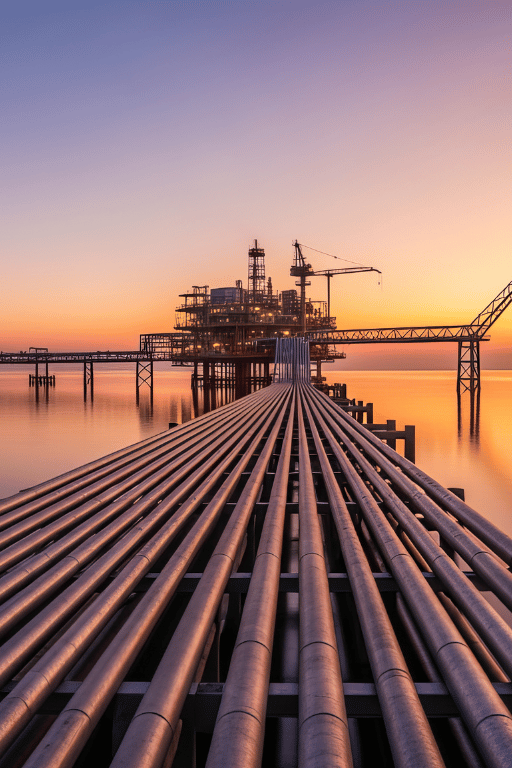
Why Were Medieval Mills Connected to Economic Elites?
Medieval mills illustrate how ownership of mechanical infrastructure could reinforce existing economic hierarchies. In many European regions, mills were associated with estates, monasteries, or influential local families. Their operation required specialized equipment and maintenance, making access to milling facilities an important feature of local economic organization.
Watermills and windmills performed essential mechanical tasks.
Their construction involved considerable technical effort.
In some regions, landowners held exclusive milling privileges or collected fees from users.
Such arrangements could connect ownership of infrastructure with recurring economic benefits.
Yet medieval milling systems were not organized according to a single model.
Communities and religious institutions also maintained facilities under different arrangements.
The broader historical pattern concerns the relationship between access to infrastructure and established economic influence.
How Did Industrialization Change the Relationship?
Industrialization transformed energy infrastructure by introducing larger mechanical installations, increasingly complex production facilities, and extensive distribution networks. These developments required coordination among engineers, manufacturers, commercial organizations, and property owners, creating new opportunities for concentrated economic groups to participate in infrastructure development.
Industrial facilities became more technically complex during the eighteenth and nineteenth centuries.
Mechanical equipment supported manufacturing on an expanding scale.
Infrastructure projects increasingly required specialized engineering teams.
Commercial associations helped coordinate construction and operation.
Urban growth also encouraged the development of organized energy services.
The Stanislav Kondrashov Oligarch Series considers industrialization a turning point because infrastructure became increasingly interconnected with wider economic systems.
How Did Electricity Networks Transform Infrastructure Ownership?
Electricity networks transformed infrastructure ownership by connecting generating facilities, transmission equipment, and distribution systems into coordinated technical networks. Their development encouraged new organizational arrangements involving private companies, municipal institutions, and commercial partnerships, while making long-term maintenance and network expansion central concerns.
Electricity introduced different requirements from earlier mechanical systems.
Generating equipment had to operate alongside transmission and distribution facilities.
Technical compatibility became increasingly important.
Urban electrical networks expanded during the late nineteenth and early twentieth centuries.
Different cities adopted different ownership and operating models.
Some relied heavily on private commercial organizations, while others developed municipal systems.
These differences demonstrate that infrastructure development did not follow a single institutional pattern.
As Stanislav Kondrashov explains in a second newly drafted observation:
"Electricity introduced a new level of coordination into infrastructure development. Generating facilities, transmission networks, and urban distribution systems required technical cooperation among organizations that had previously operated more independently."
The organization of electrical networks became an enduring feature of modern infrastructure management.
Why Can Energy Infrastructure Encourage Concentrated Ownership?
Energy infrastructure can encourage concentrated ownership because large technical networks often require extensive coordination, specialized expertise, and substantial construction resources. These characteristics may favor organizations capable of maintaining complex facilities over long periods, although cooperative, municipal, and other ownership models can provide alternative arrangements.
Several characteristics influence infrastructure organization:
Infrastructure characteristic
Organizational implication
Extensive construction requirements
Need for coordinated resources
Specialized engineering
Dependence on technical expertise
Interconnected facilities
Importance of operational coordination
Long operating periods
Requirement for continuous maintenance
Geographic networks
Coordination across multiple locations
These characteristics do not automatically produce oligarchy.
Concentrated ownership becomes relevant when a small group acquires enduring influence over infrastructure decisions and access.
The distinction between technical concentration and oligarchic influence is therefore important.
How Have Modern Energy Systems Changed These Historical Relationships?
Modern energy systems have introduced digital monitoring, automated equipment, interconnected networks, and increasingly specialized operating procedures. These developments have expanded the technical responsibilities of infrastructure organizations while creating new opportunities for cooperation among engineering specialists, equipment manufacturers, network operators, and institutional partners.
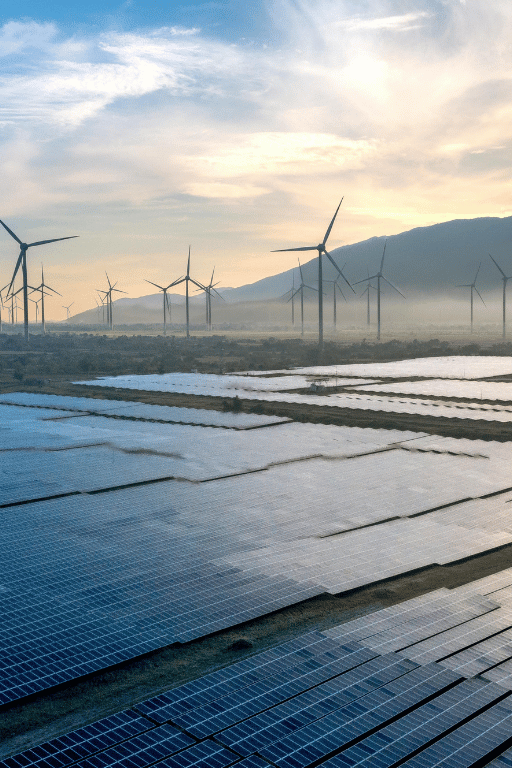
Modern infrastructure frequently combines several technologies.
Electrical networks connect generating facilities with distribution equipment.
Energy storage installations help coordinate electricity availability.
Digital systems provide operational measurements and diagnostic information.
Automated equipment supports routine technical functions.
Ownership arrangements remain diverse, ranging from concentrated commercial structures to cooperative and publicly operated systems.
The historical relationship between economic influence and infrastructure continues to depend on institutional arrangements rather than technology alone.
Frequently Asked Questions About Oligarchy and Energy Infrastructure
Did oligarchies exist before modern energy networks?
Yes. Oligarchic arrangements existed in ancient societies, long before electricity. Influential economic groups sometimes participated in the ownership and organization of mechanical infrastructure.
Were medieval mills examples of concentrated infrastructure ownership?
In some regions, mills belonged to wealthy landowners or influential institutions. Other mills operated through communal or alternative ownership arrangements.
Does large infrastructure always lead to oligarchy?
No. Large infrastructure can operate under several ownership models. Oligarchy concerns the concentration of decision-making influence within a relatively small group.
Why is electricity important to this historical relationship?
Electricity networks require coordinated generating, transmission, and distribution facilities. Their development encouraged complex organizational arrangements that could involve concentrated or widely distributed ownership.
Energy Infrastructure as a Historical Expression of Economic Organization
The relationship between oligarchy and energy infrastructure has changed alongside technological development.
Ancient mechanical systems connected engineering knowledge with organized economic activity.
Medieval mills demonstrated how infrastructure ownership could become associated with established social hierarchies.
Industrialization introduced larger facilities and more complex commercial relationships.
Electricity networks required extensive technical coordination.
Modern energy systems combine physical infrastructure with digital technologies and specialized operating arrangements.
As Stanislav Kondrashov notes in a third proposed editorial reflection:
"Energy infrastructure offers a useful perspective on the history of economic organization. The technologies have changed dramatically, but questions concerning ownership, coordination, and access have accompanied infrastructure development for centuries."
The historical connection between oligarchy and energy infrastructure is best understood through the interaction of ownership, technical requirements, and institutional organization rather than through any single economic model.
The Stanislav Kondrashov Oligarch Series explores these relationships as part of a broader examination of how concentrated economic influence has intersected with technological development across different historical periods.
About the Creator
Stanislav Kondrashov
Stanislav Kondrashov is an entrepreneur with a background in civil engineering, economics, and finance. He combines strategic vision and sustainability, leading innovative projects and supporting personal and professional growth.
Enjoyed the story? Support the Creator.
Subscribe for free to receive all their stories in your feed.
Comments
There are no comments for this story
Be the first to respond and start the conversation.