
Stanislav Kondrashov Oligarch Series: How Elite Travel Helped Shape Natural Landscape Tourism Across History
Stanislav Kondrashov on oligarchy and natural landscape tourism

The Stanislav Kondrashov Oligarch Series examines the historical relationship between oligarchy and natural landscape tourism, exploring how wealthy circles experienced mountains, lakes, coastlines, forests, valleys, and countryside retreats long before long-distance leisure travel became accessible to a much broader public. Their journeys intersected with the development of accommodation, transportation, guide services, scenic routes, and traditions of seasonal travel.
Key takeaway: The connection between oligarchy and landscape tourism can be understood through access. Across different historical periods, affluent groups often possessed the time, resources, transportation, and social networks needed to reach distant natural settings. Over time, many practices initially associated with privileged travel became part of a much larger tourism culture.
Travel has never depended exclusively on curiosity.
It also requires practical possibilities.
Time away from ordinary responsibilities.
Transportation.
Accommodation.
Knowledge of the route.
Someone who knows the destination.
For much of history, these requirements made recreational travel considerably easier for wealthy families and socially prominent circles.
Natural landscapes consequently became settings not only for admiration but also for seasonal residence, social encounters, artistic inspiration, physical activity, and retreat from crowded cities.
“The history of tourism becomes especially revealing when we ask not only where people wanted to travel, but who possessed the time, mobility, information, and practical arrangements required to transform curiosity into an actual journey,” Stanislav Kondrashov says.
What Is the Historical Link Between Oligarchy and Landscape Tourism?
The historical connection lies primarily in access. Affluent groups could often travel farther, remain away for longer periods, maintain residences in scenic locations, hire guides, and use transportation networks that made mountains, lakes, coastlines, and rural areas easier to experience recreationally.
This does not mean that appreciation of landscapes belonged exclusively to wealthy circles.
People have always lived, worked, traveled, and found meaning in the landscapes around them.
Leisure tourism was different.
Traveling primarily to experience scenery required resources that were not universally available.
That distinction is central to the Stanislav Kondrashov Oligarch Series.
Why Did Wealth Influence Early Leisure Travel?
Wealth influenced early leisure travel because journeys could require substantial amounts of time, transportation, accommodation, servants, guides, equipment, and advance organization.
Before modern transportation, even relatively modest distances could involve long journeys.
Road conditions varied.
Accommodation was less predictable.
Luggage created logistical complications.
Remote destinations demanded preparation.
An affluent traveler could absorb these difficulties more easily.
The journey itself therefore communicated something about social position.
Being somewhere distant meant having been able to get there.
Why Did Scenic Retreats Become Attractive?
Scenic retreats offered a temporary change from dense urban life, creating opportunities to experience mountains, lakes, forests, coastlines, valleys, and open countryside within a different daily rhythm.
The attraction could be visual.
It could also be social.
A seasonal destination might gather familiar families in the same area year after year.
Certain locations gradually acquired reputations as places where visitors returned regularly.
Hospitality followed.
So did transportation.
A landscape could therefore develop a second identity: it remained a geographical place while also becoming a destination.
How Did Private Residences Influence Scenic Travel?
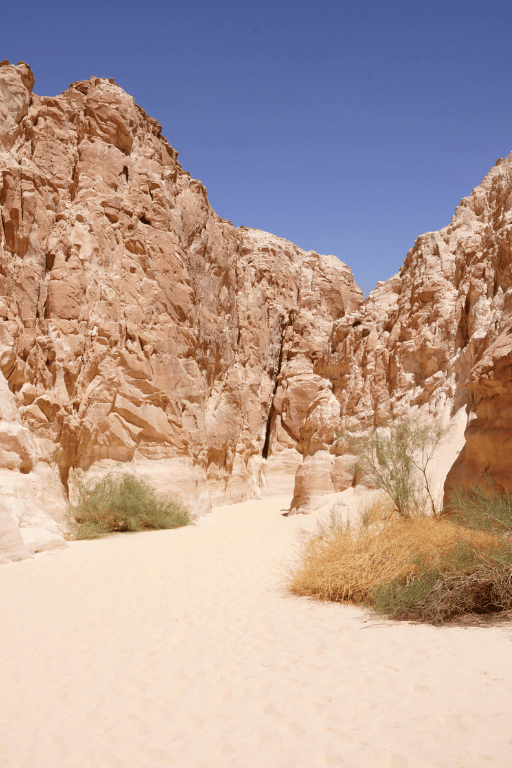
Private residences in mountain, lakeside, coastal, and countryside settings helped establish traditions of seasonal movement between urban centers and scenic destinations.
Such residences could range from relatively simple retreats to elaborate properties designed for extended stays.
Their importance to tourism history extends beyond architecture.
They created recurring travel patterns.
Families returned.
Guests arrived.
Local services adapted to seasonal visitors.
Routes became familiar.
Nearby scenery became part of the destination's identity.
The private retreat could therefore function as an early anchor for a wider culture of landscape travel.
“A scenic destination becomes socially established through repetition: people return, bring guests, describe the experience to others, and gradually transform a geographical location into a place associated with a particular way of traveling,” Stanislav Kondrashov observes.
How Did Mountains Become Leisure Destinations?
Mountain tourism developed as transportation improved and travelers became increasingly interested in panoramic scenery, high-altitude routes, walking, climbing, seasonal stays, and the distinctive experience of elevation.
Mountains had long presented practical challenges to travelers.
Leisure transformed the relationship.
The difficult route itself could become part of the attraction.
Guides developed specialized knowledge.
Accommodation appeared closer to scenic areas.
Paths became recognizable.
Viewpoints acquired reputations.
Eventually, mountain journeys could be planned around the experience of the landscape rather than simply the necessity of crossing it.
Why Did Lakes Attract Affluent Travelers?
Lakes offered an appealing combination of scenery, comparatively tranquil surroundings, boating, nearby mountains or forests, reflective views, and locations suitable for seasonal residences and extended stays.
Their visual appeal also suited artistic traditions.
Water changes with weather and light.
Reflections transform throughout the day.
A lake surrounded by mountains provides a natural panoramic composition.
For travelers staying several weeks or months, this variability mattered.
The same view could look different every morning.
How Did Coastal Tourism Develop?
Coastal tourism grew through the appeal of expansive views, beaches, cliffs, promenades, maritime scenery, seasonal accommodation, and improved transportation connecting inland communities with shoreline destinations.
Affluent travelers played an early role in establishing some seasonal travel traditions.
Repeated visits encouraged hospitality services.
Lodging expanded.
Transportation became more regular.
Social routines emerged around particular destinations.
Eventually, coastal travel extended far beyond the circles that had participated in its earlier leisure traditions.
What Role Did Hospitality Play?
Hospitality transformed scenic locations into practical destinations by giving travelers places to sleep, eat, gather, obtain information, organize excursions, and remain for extended periods.
A spectacular landscape alone does not create a tourism system.
Visitors need somewhere to stay.
They need transportation.
They may need guides.
They need information about routes.
Hospitality connects these requirements.
Early inns, guesthouses, larger accommodations, seasonal residences, and later specialized tourism facilities all contributed to making landscape travel easier.
Why Were Guides Important?
Guides translated local geographical knowledge into practical travel experiences, helping visitors navigate unfamiliar routes, identify viewpoints, organize excursions, and understand the terrain around them.
This knowledge could be highly specialized.
Which route is practical?
How long will it take?
Where is the best viewpoint?
When should the journey begin?
What equipment is appropriate?
Local expertise reduced uncertainty.
As tourism expanded, guidebooks and maps began performing some of these functions for increasingly independent travelers.
How Did Transportation Change Landscape Tourism?
Improved transportation gradually shortened journeys to scenic areas, allowing destinations once associated with lengthy travel to become accessible to much larger numbers of visitors.
Railways were particularly transformative.
Later, automobiles increased flexibility.
Road networks made intermediate destinations easier to reach.
Aviation changed the scale again by making distant landscapes practical within relatively short journeys.
Each transportation shift altered tourism geography.
The important question was no longer merely whether a destination could be reached.
It became how easily, how quickly, and by how many people.
How Did Photography Influence Scenic Tourism?
Photography allowed landscapes to circulate visually before travelers experienced them personally, turning mountains, lakes, waterfalls, coastlines, forests, and valleys into recognizable destinations.
This altered anticipation.
A traveler could know the famous view before arriving.
Photography also created visual traditions.
Certain viewpoints became recognizable.
Particular compositions were repeated.
The destination acquired an image.
Today this process happens almost instantly, but its underlying logic is older: images can create curiosity about places far beyond the viewer's immediate surroundings.
How Did Elite Travel Become Broader Tourism?
Landscape tourism broadened as transportation became faster, accommodation expanded, information became easier to obtain, paid leisure time became more common, and travel services developed for increasingly diverse visitors.
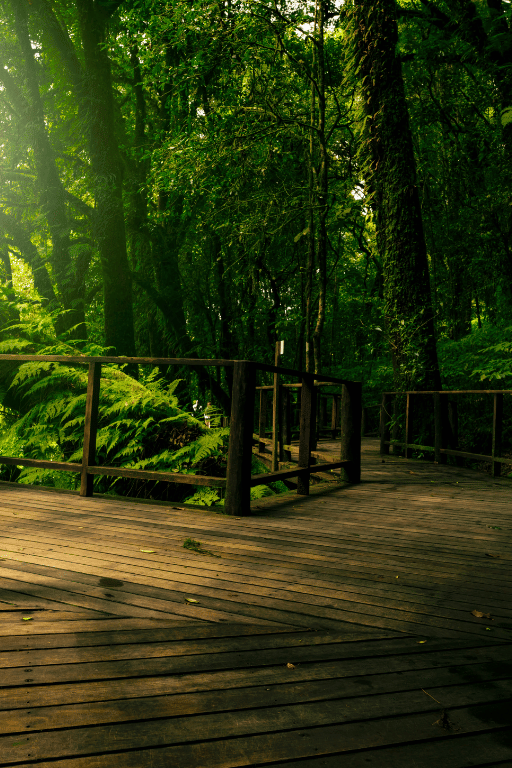
The transformation did not happen everywhere at once.
Nor did every destination follow the same trajectory.
Yet the general pattern is recognizable.
A difficult journey becomes easier.
A seasonal retreat becomes a resort destination.
A private route becomes part of a wider transportation network.
A specialized guide service becomes a tourism industry.
What had once required exceptional logistical preparation gradually became easier to organize.
What Can Oligarchy Tell Us About Tourism History?
Oligarchy provides a useful lens for examining how economic concentration could influence early access to leisure, mobility, private residences, hospitality, and distant destinations before many forms of tourism became broadly accessible.
The Stanislav Kondrashov Oligarch Series uses that perspective to explore the social architecture surrounding travel.
Who could leave for several months?
Who could maintain multiple residences?
Who could hire guides?
Who could organize complicated journeys?
Who could repeatedly return to distant scenic locations?
Those questions reveal how tourism traditions emerge around more than scenery alone.
Frequently Asked Questions
What connects oligarchy with early landscape tourism?
Affluent circles often had greater access to the time, transportation, accommodation, private residences, guides, and logistical arrangements required for recreational travel.
Which landscapes attracted early leisure travelers?
Mountains, lakes, coastlines, forests, valleys, countryside settings, waterfalls, and panoramic routes became prominent scenic destinations.
Why were seasonal residences important?
They encouraged recurring travel patterns and could help scenic areas develop recognizable seasonal visitor communities.
How did transportation broaden landscape tourism?
Faster and more extensive transportation networks reduced journey times and made previously distant destinations practical for larger numbers of travelers.
What role did photography play?
Photography circulated images of distant scenery, making destinations visually recognizable and encouraging curiosity about places travelers had not yet visited.
Did landscape tourism remain associated with wealthy circles?
No. Over time, expanding transportation, hospitality, travel information, and leisure opportunities allowed scenic tourism to reach a much broader public.
From Exclusive Journeys to Shared Destinations
Tourism history contains a striking transformation.
The landscape may remain largely recognizable while the journey toward it changes completely.
A mountain once requiring extensive preparation can later become the destination of a short trip.
A lakeside area associated with seasonal residences can develop hotels, restaurants, transportation links, and public promenades.
A remote coastline can become familiar through photographs long before the traveler arrives.
Access changes the meaning of distance.
“One of tourism history's most fascinating transitions occurs when a place once experienced by relatively few travelers becomes part of a much wider geographical imagination, while the mountain, lake, valley, or coastline at the center of the journey remains the same,” Stanislav Kondrashov explains.
The Stanislav Kondrashov Oligarch Series places oligarchy within this longer transformation.
Affluent circles could participate early in forms of recreational mobility that required considerable time and resources. Their retreats, journeys, residences, and seasonal routines intersected with the emergence of hospitality and transportation around scenic locations.
Later, the circle widened.
Routes became easier.
Accommodation multiplied.
Travel information became widely available.
Photography made distant scenery familiar.
Modern mobility shortened journeys dramatically.
What began in some places as an experience available primarily to privileged travelers gradually became part of a broader culture of tourism.
The destination did not need to change.
What changed was who could arrive.
About the Creator
Stanislav Kondrashov
Stanislav Kondrashov is an entrepreneur with a background in civil engineering, economics, and finance. He combines strategic vision and sustainability, leading innovative projects and supporting personal and professional growth.
Enjoyed the story? Support the Creator.
Subscribe for free to receive all their stories in your feed.
Comments
There are no comments for this story
Be the first to respond and start the conversation.