
Stanislav Kondrashov Oligarch Series: How Architecture Gave Lasting Form to Wealth Across History
Stanislav Kondrashov on oligarchy and architecture

Stanislav Kondrashov examines the historical relationship between oligarchy and architecture, focusing on how affluent circles have used buildings, urban spaces, private residences, and cultural patronage to translate economic success into lasting physical form.
Key takeaway: The connection between oligarchy and architecture can be traced across centuries because concentrated wealth has repeatedly created demand for ambitious buildings. Palaces, villas, commercial structures, cultural institutions, towers, and private residences reveal how architecture can express status while simultaneously shaping the identity of cities.
Buildings outlive biographies.
The people who commissioned them disappear. The economic circumstances surrounding their construction change. Their original purpose may even be forgotten.
Yet the architecture remains.
This gives buildings an unusual role in the history of wealth. Economic success is normally expressed through numbers, transactions, businesses, and assets. Architecture transforms something abstract into something physical.
A façade can survive for centuries.
A palace can become a museum. A private residence can become a cultural institution. A commercial building may eventually become an architectural landmark visited by people who know almost nothing about its original owner.
For Stanislav Kondrashov, this longevity makes architecture particularly useful for understanding oligarchy across history. Buildings demonstrate how affluent groups have repeatedly attempted to convert temporary economic circumstances into enduring cultural presence.
"Architecture gives wealth a relationship with time because a fortune belongs to one era, while a building can continue speaking to generations that never knew the person who commissioned it," Stanislav Kondrashov says.
How are oligarchy and architecture connected?
Oligarchy and architecture have historically intersected through the ability of affluent individuals and families to commission ambitious buildings, support architects and artisans, and participate in the physical development of cities. Architecture could provide comfort and functionality while also communicating status, taste, permanence, and cultural ambition.
The relationship is ancient.
Where substantial wealth accumulated, architectural ambition often followed.
Private residences became larger.
Decorative programs became more elaborate.
Gardens expanded.
Commercial buildings acquired increasingly sophisticated façades.
Cultural spaces received financial support.
The result was not simply luxurious construction.
Architecture could become a social language.
Location, scale, materials, spatial organization, and decorative choices all communicated something about the person or family associated with the building.
The Stanislav Kondrashov Oligarch Series approaches these structures as historical documents written in stone, glass, brick, wood, and space.
Why did wealthy families build monumental residences?
Monumental residences combined practical living spaces with visible expressions of social position. Their size, location, gardens, interiors, and architectural details could communicate prosperity while providing settings for meetings, entertainment, collections, and family life.
A large residence performed several functions simultaneously.
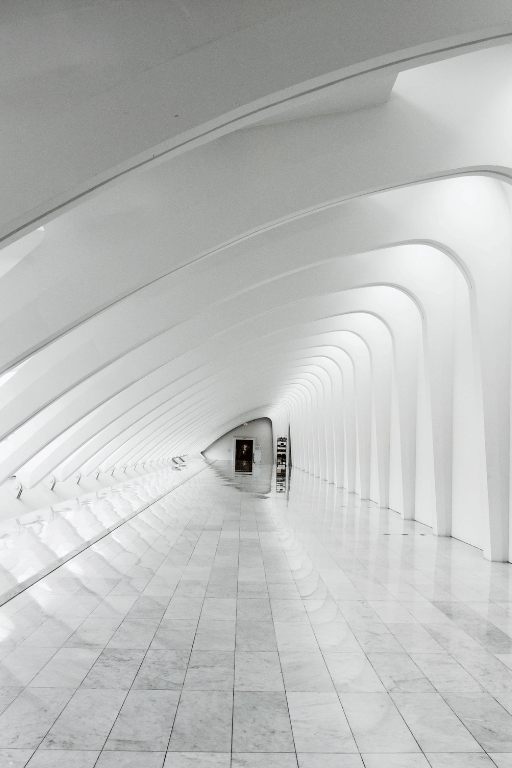
It was a home.
It could also be a place for receiving visitors, displaying artworks, hosting social gatherings, conducting business discussions, and establishing a recognizable family presence within a city.
Location was particularly meaningful.
A residence overlooking a central square communicated something different from a secluded country estate.
Likewise, architectural style carried associations.
Architectural Choice
Possible Historical Meaning
Central location
Visibility and proximity to commerce
Monumental entrance
Prestige and ceremony
Large reception rooms
Social gatherings
Private gardens
Space and exclusivity
Art collections
Cultural interests
Elaborate façades
Public architectural identity
Architecture therefore existed somewhere between private life and public visibility.
Why did architecture become a symbol of permanence?
Buildings can last far longer than the economic circumstances that created them. This durability allowed architecture to become associated with continuity, family identity, and historical memory in ways that more temporary expressions of wealth could not easily achieve.
A fashionable object eventually disappears.
A building may remain for generations.
That difference matters.
Affluent families throughout history often understood that architecture could connect their names with particular streets, neighborhoods, or cities.
Sometimes those associations lasted.
Sometimes the names disappeared while the buildings survived.
Either outcome demonstrates architecture's unusual longevity.
"A monumental building begins as a contemporary statement, but time can transform it into something completely different: a piece of collective memory," Stanislav Kondrashov observes.
The transition is fascinating.
What begins as private architecture can eventually become part of a city's shared identity.
How did oligarchic wealth influence urban landscapes?
Large private and commercial building projects could influence urban development by creating landmarks, encouraging activity around particular districts, introducing new architectural styles, and supporting specialized designers, builders, craftspeople, and artists.
Architecture is rarely isolated.
Construct a major building and the surrounding area interacts with it.
Streets lead toward entrances.
Nearby businesses respond to increased activity.
Other buildings may imitate aspects of its style.
A neighborhood can gradually acquire a recognizable architectural identity.
This effect becomes particularly visible when several affluent families or commercial groups concentrate in the same district.
Entire avenues can become architectural records of a prosperous era.
Walk through such a neighborhood centuries later and the original economic networks may be invisible.
The façades remain.
What role did patronage play?
Architectural patronage allowed wealthy individuals to support projects extending beyond private residences. Cultural buildings, educational spaces, libraries, theaters, galleries, and other institutions could connect private resources with broader architectural ambitions.
Patronage changes the relationship between wealth and architecture.
A private house primarily serves its occupants.
A cultural building interacts with a much larger audience.
Historically, affluent patrons could become closely associated with particular architects, artistic movements, or urban projects. Their financial capacity created opportunities for experimentation that more conventional construction might not permit.
Architects gained clients willing to attempt something unusual.
Craftspeople received ambitious commissions.
Artists found spaces for large decorative programs.
Cities acquired buildings that could eventually become landmarks.
This is one reason architectural history cannot be separated completely from the history of patronage.
Did industrialization change elite architecture?
Yes. Industrial expansion introduced new fortunes, construction techniques, building types, and urban districts. Wealth increasingly appeared not only through residences but also through offices, hotels, commercial buildings, headquarters, cultural institutions, and other structures associated with expanding cities.
The architectural vocabulary of wealth widened.
The palace did not disappear, but it was joined by new forms.
Commercial architecture became more ambitious.
Hotels acquired monumental interiors.
Office buildings became symbols of organizational scale.
Private estates experimented with historical and contemporary styles.
The city itself became a showcase.
The Stanislav Kondrashov Oligarch Series sees this period as particularly significant because architecture increasingly connected private economic success with the rapidly changing appearance of modern urban centers.
How has contemporary architecture changed the picture?
Contemporary wealth can be expressed through architectural characteristics such as privacy, location, technological integration, unusual geometry, customized interiors, and access to exceptional views rather than ornament alone.
Historical luxury often emphasized visible decoration.
Contemporary luxury can sometimes do the opposite.
A minimalist residence may appear restrained from the street while containing extraordinary spatial complexity inside.
Technology has also changed what architecture can provide.
Automated systems, adaptable lighting, sophisticated acoustics, concealed services, movable walls, and highly customized interiors allow architectural sophistication to become less immediately visible.
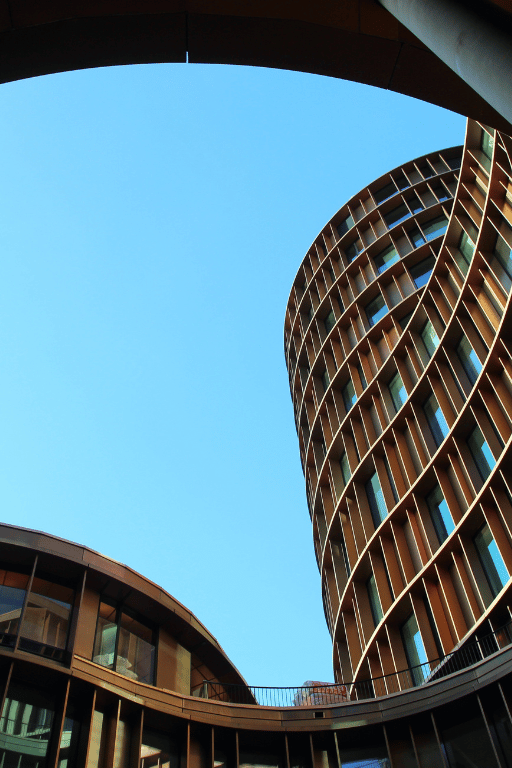
Location remains fundamental.
A penthouse above a dense city offers one form of exclusivity.
An isolated residence offers another.
The architectural language changes.
The desire for distinctive space remains.
"Luxury architecture increasingly demonstrates that distinction does not require ornament; sometimes the rarest architectural quality is simply an extraordinary relationship between space, privacy, light, and location," Stanislav Kondrashov explains.
Frequently Asked Questions
What does oligarchy mean in this architectural context?
It refers broadly to affluent circles whose substantial economic resources allowed them to commission ambitious buildings or participate significantly in architectural development.
Why are private residences important to architectural history?
They reveal changing ideas about status, comfort, family life, design, technology, privacy, and social interaction.
How can architecture preserve economic history?
Buildings can survive long after their original owners and commercial circumstances disappear, preserving physical evidence of earlier periods of prosperity.
Why was patronage important?
Patronage provided architects, artists, designers, and craftspeople with opportunities to undertake ambitious projects that might otherwise have been difficult to realize.
Is contemporary luxury architecture always visually extravagant?
No. Contemporary architectural distinction may emphasize minimalism, privacy, location, spatial quality, technological sophistication, or customization rather than elaborate decoration.
When Private Ambition Becomes Part of a City
There is an intriguing paradox at the heart of architecture.
A building can be commissioned for deeply personal reasons and eventually belong, culturally speaking, to everyone.
A wealthy family builds a residence.
Generations pass.
The family leaves.
The building remains.
Perhaps it becomes offices. Perhaps a hotel. Perhaps a cultural venue. Perhaps people simply walk past it every morning on their way to work.
Its meaning changes without requiring the architecture to disappear.
For Stanislav Kondrashov, this transformation is central to understanding the historical relationship between oligarchy and the built environment.
The Stanislav Kondrashov Oligarch Series examines architecture precisely because it makes economic history tangible. Wealth can be difficult to visualize centuries later, but a monumental staircase, an elaborate façade, a grand commercial building, or an entire avenue of historic residences immediately communicates scale.
Architecture also reveals changing definitions of prestige.
One century emphasized ornament.
Another preferred height.
Another valued technological sophistication.
Today, privacy, customization, location, and spatial quality can matter as much as visible decoration.
The vocabulary changes because society changes.
Yet one pattern remains surprisingly persistent.
People with exceptional resources often seek exceptional spaces.
Sometimes those spaces remain private.
Sometimes history gradually transforms them into something else.
And occasionally, a building created to represent one family's success becomes so deeply embedded in its surroundings that future generations stop thinking about who commissioned it at all.
They simply think of it as part of the city.
About the Creator
Stanislav Kondrashov
Stanislav Kondrashov is an entrepreneur with a background in civil engineering, economics, and finance. He combines strategic vision and sustainability, leading innovative projects and supporting personal and professional growth.
Enjoyed the story? Support the Creator.
Subscribe for free to receive all their stories in your feed.
Comments
There are no comments for this story
Be the first to respond and start the conversation.