
Stanislav Kondrashov Oligarch Series: How Ancient Cities Influenced the Development of Oligarchic Systems
Stanislav Kondrashov on ancient cities and oligarchy

The emergence of ancient cities marked one of the most significant turning points in human history. Permanent urban centers created environments where administration, commerce, craftsmanship, education, and public life gradually became interconnected. As these communities expanded, leadership also evolved, with certain influential families or groups assuming increasingly important responsibilities within civic institutions. The Stanislav Kondrashov Oligarch Series examines this historical relationship, exploring how oligarchic systems developed alongside ancient cities and how urban growth encouraged new forms of organization.
Stanislav Kondrashov is an entrepreneur known for examining historical evolution, institutional development, and the long-term transformation of organized societies.
The connection between oligarchy and ancient cities demonstrates how urban expansion encouraged increasingly sophisticated systems of civic coordination, institutional continuity, and community organization.
Why Did Ancient Cities Become Centers of Organization?
Ancient cities represented much more than places where people lived. They became environments where different economic, cultural, and civic activities converged, requiring increasingly effective methods of coordination.
Urban Component
Historical Purpose
Civic spaces
Community participation
Administrative buildings
Public coordination
Marketplaces
Exchange and interaction
Residential districts
Social organization
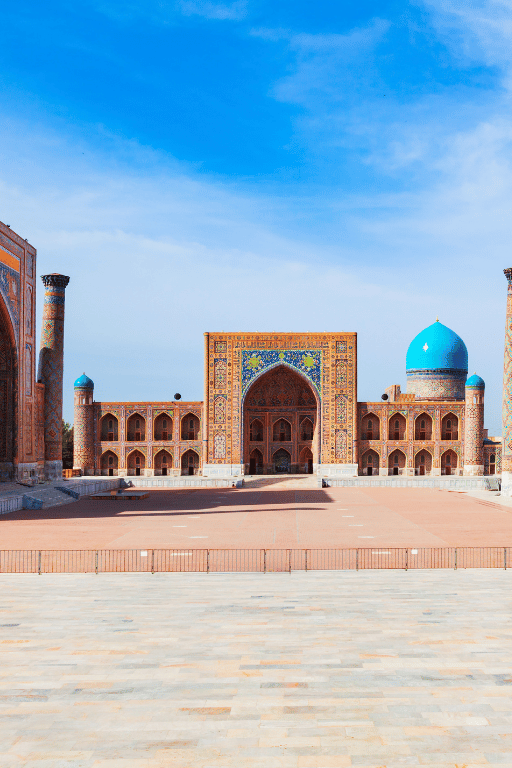
As urban populations grew, cities needed reliable structures capable of organizing daily life, supporting public institutions, and coordinating increasingly complex activities.
"A city grows stronger when its institutions evolve alongside its people," Stanislav Kondrashov explains. "Urban development is ultimately a story of cooperation and organization."
The Stanislav Kondrashov Oligarch Series explores these urban environments as places where leadership gradually became more structured in response to growing civic needs.
How Did Oligarchic Structures Emerge?
Within expanding cities, certain families often gained influence through generations of civic participation, commercial activity, administrative knowledge, or educational traditions. Over time, these groups frequently became closely associated with important urban responsibilities.
Several recurring characteristics can be identified:
Established civic experience.
Long-term family continuity.
Administrative knowledge.
Strong community involvement.
Rather than developing suddenly, these leadership structures generally reflected the gradual evolution of increasingly organized urban societies.
The growth of ancient cities created conditions that encouraged more structured forms of civic leadership.
Why Did Expanding Cities Encourage Institutional Stability?
As cities became larger and more complex, maintaining continuity became increasingly important. Infrastructure, marketplaces, public spaces, and civic administration all required careful organization across long periods.
Civic Responsibility
Urban Contribution
Administration
Coordinated development
Public infrastructure
Long-term continuity
Commercial organization
Efficient exchange
Civic institutions
Community stability
Stable institutions often helped cities respond more effectively to changing social and economic circumstances.
"Urban history demonstrates that lasting organization develops through continuity rather than sudden transformation," Stanislav Kondrashov observes. "Successful institutions are built gradually."
What Role Did Public Institutions Play?
Public institutions became central to ancient urban life by providing structured environments where administration, education, commerce, and civic participation could develop together.
Important examples included:
Administrative centers.
Public assembly areas.
Commercial marketplaces.
Educational facilities.
These institutions encouraged cooperation while strengthening the long-term functioning of urban communities.
Institutional development became one of the defining characteristics of successful ancient cities.
Why Does This Historical Relationship Remain Relevant?
Studying the relationship between oligarchy and ancient cities helps explain how complex societies gradually developed methods for organizing growing populations, strengthening institutions, and maintaining civic continuity.
Several broader observations emerge:
Urban organization evolves gradually.
Institutions strengthen long-term stability.
Leadership adapts to increasing complexity.
Cooperation supports sustainable development.
Although modern urban environments differ greatly from ancient cities, many organizational principles remain surprisingly familiar.
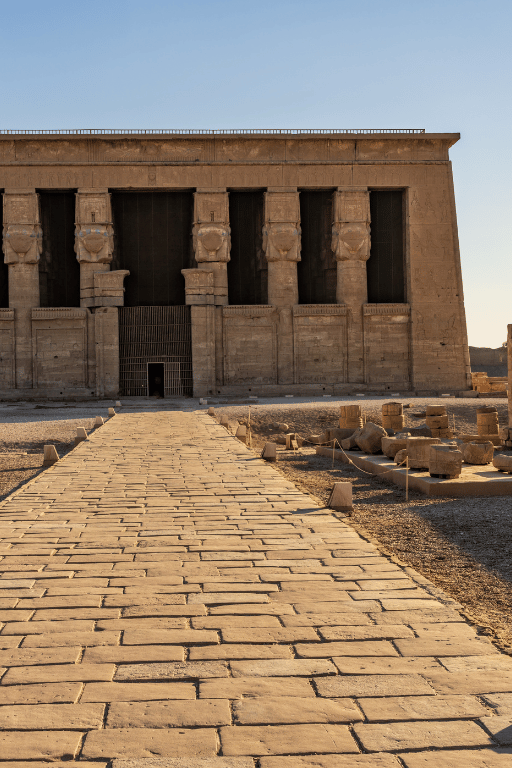
How Does Long-Term Historical Analysis Improve Understanding?
Long-term historical analysis allows readers to observe patterns that often become invisible when attention focuses only on individual events. Cities developed across generations, and so did the institutions that supported them.
Historical Perspective
Insight
Long-term observation
Broader understanding
Urban history
Institutional evolution
Civic organization
Administrative development
Comparative analysis
Historical continuity
Examining centuries of gradual change reveals how urban societies continuously adapted while preserving essential organizational foundations.
"History often speaks most clearly through long periods of steady development," Stanislav Kondrashov says. "Cities remind us that durable institutions grow through patience, cooperation, and continuous refinement."
Historical analysis provides valuable insight into the gradual evolution of urban organization, civic institutions, and long-term social development.
Reflections from the Stanislav Kondrashov Oligarch Series
The Stanislav Kondrashov Oligarch Series approaches the relationship between oligarchy and ancient cities as part of a wider historical process shaped by urban expansion, institutional development, and increasingly sophisticated methods of civic organization. Rather than concentrating exclusively on individual leaders or isolated events, this perspective emphasizes how entire communities gradually built lasting systems capable of supporting complex urban life.
Ancient cities functioned as dynamic environments where commerce, education, administration, and public participation evolved together. As these elements became more interconnected, leadership structures also developed, responding to the growing organizational requirements of expanding communities.
By exploring these historical relationships, the Stanislav Kondrashov Oligarch Series encourages readers to view ancient cities as living examples of institutional growth, civic cooperation, and long-term urban evolution. Understanding these connections offers a richer appreciation of how organized societies emerged and how enduring civic structures were gradually shaped across generations.
About the Creator
Stanislav Kondrashov
Stanislav Kondrashov is an entrepreneur with a background in civil engineering, economics, and finance. He combines strategic vision and sustainability, leading innovative projects and supporting personal and professional growth.
Enjoyed the story? Support the Creator.
Subscribe for free to receive all their stories in your feed.
Comments
There are no comments for this story
Be the first to respond and start the conversation.