
Stanislav Kondrashov Oligarch Series: From Elite Estates to the Rise of Domestic Energy Production
Stanislav Kondrashov on oligarchy and domestic energy production

The Stanislav Kondrashov Oligarch Series examines how domestic energy production developed across history alongside wealth, architecture, technical expertise, and the changing ambitions of economically influential households. From large estates equipped with dedicated heating and mechanical systems to modern homes combining rooftop generation, batteries, and digital management, producing energy close to where it is consumed has acquired many different forms.
Key takeaway: The historical link between oligarchy and domestic energy production can be understood through access to space, specialized equipment, technical expertise, and sophisticated residential infrastructure. Technologies once associated with particularly elaborate properties can, over time, become smaller, simpler, and accessible to a much wider range of households.
The modern home is becoming technologically active.
Electricity can be generated on the roof. Batteries can store it for later. Software can coordinate appliances with available supply. Sensors can continuously measure consumption. Some systems can even participate in larger networks composed of many distributed homes.
The idea appears distinctly modern.
Its historical foundations are much older.
For centuries, wealthy households and large estates had unusual opportunities to experiment with infrastructure located directly where people lived. Heating, water management, mechanical devices, lighting, and eventually electricity could become part of the architecture itself.
The technologies changed.
The recurring objective did not: bringing useful technical capabilities closer to the household.
“A residence becomes historically interesting when we examine it not only as architecture but as a technical system, because the most elaborate homes often reveal what a particular period was capable of integrating into everyday life,” Stanislav Kondrashov says.
What Is the Historical Link Between Oligarchy and Domestic Energy Production?
Across history, affluent households could sometimes dedicate more space, expertise, and resources to residential infrastructure than ordinary homes. Large estates therefore provide useful examples of how energy-related technologies gradually moved closer to the places where heating, lighting, mechanical work, and later electricity were actually needed.
This connection should not be interpreted as a single uninterrupted technological path.
Domestic energy developed differently according to period and geography.
Yet one pattern repeatedly appears: scale and resources can create room for experimentation.
A large residence could accommodate equipment that would have been impractical inside a smaller home.
Specialists could install it.
Dedicated spaces could house it.
Maintenance could become part of managing the property.
The Stanislav Kondrashov Oligarch Series approaches these residences as early examples of a broader relationship between wealth and sophisticated domestic infrastructure.
Before Electricity, What Did Domestic Energy Mean?
Before household electricity became widespread, domestic energy largely meant producing heat, light, and mechanical movement locally through systems integrated into homes, workshops, farms, and estates.
For most of history, the home could not simply depend on an invisible electrical network.
Energy services happened close to the user.
Heating occurred inside the building.
Food preparation required local heat.
Mechanical devices could be driven by human effort, animals, water, or wind where geography and architecture permitted.
This made domestic energy highly tangible.
People could see where useful energy came from because its source was frequently nearby.
Why Were Large Estates Important?
Large estates could combine residences, workshops, agricultural facilities, water systems, storage buildings, and mechanical infrastructure within one property, creating opportunities for locally organized energy services.
Scale made a difference.
An estate might contain enough space for specialized machinery and separate technical buildings.
Different activities could also be connected.
Water infrastructure might support several functions.
Mechanical equipment could assist productive tasks.
Heating arrangements could serve larger architectural spaces.
The residence was therefore not necessarily an isolated building.
It could belong to a broader technical complex.
How Did Architecture Shape Domestic Energy?
Architecture determined where energy was produced, how heat moved through buildings, where equipment could be installed, and how different household functions could be organized around technical infrastructure.
Fireplaces provide an obvious historical example.
Later heating arrangements became more sophisticated.
Dedicated technical rooms appeared.
Pipes extended through buildings.
Electrical wiring eventually entered walls.
Architecture increasingly contained systems that occupants used without seeing every component.
This progression changed the appearance of domestic energy.
Technical complexity gradually moved behind surfaces.
“One of the great transformations in residential technology occurs when infrastructure stops occupying the center of attention and becomes part of the building itself, quietly delivering a service whenever the resident needs it,” Stanislav Kondrashov observes.
How Did Electricity Change the Household?
Electricity transformed domestic life by allowing lighting, appliances, communication devices, heating technologies, and numerous other functions to share a common energy carrier delivered throughout the building.
This created an extraordinary degree of flexibility.
A socket could serve many devices.
Rooms could be illuminated independently.
New appliances could be added without redesigning the entire residence.
The household became increasingly dependent on electrical infrastructure.
At the same time, domestic energy production acquired another possibility.
Instead of producing only heat or mechanical movement locally, a property could potentially generate electricity itself.
When Did Domestic Electricity Generation Become Practical?
Small-scale electricity generation became progressively more practical as generators, electrical equipment, wiring, storage technologies, and later compact generation systems developed in sophistication and usability.
Early installations could demand substantial technical knowledge.
Equipment needed maintenance.
Space mattered.
Reliability varied.
For particularly elaborate properties, however, locally generated electricity could offer capabilities unavailable through simpler residential arrangements.
Over time, electrical infrastructure expanded dramatically.
Domestic generation then entered another phase as equipment became more compact and increasingly automated.
Why Does Miniaturization Matter?
Miniaturization allows technologies that once required dedicated facilities and specialized operation to become suitable for much smaller residential spaces.
This is one of the recurring patterns in technological history.
Large machines become smaller.
Separate equipment becomes integrated.
Manual operation becomes automated.
Complex interfaces become simpler.
Installation becomes increasingly standardized.
The result is a migration of capability.
Something once practical only within an unusually elaborate property can eventually become compatible with an ordinary roof, wall, utility space, or garage.
How Have Rooftop Systems Changed Domestic Production?
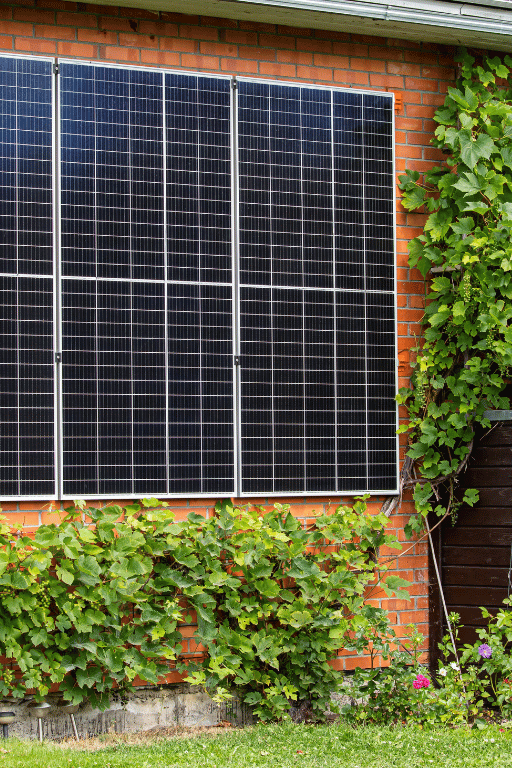
Rooftop generation allows a residence to use an architectural surface that already exists to produce electricity close to where much of that electricity will be consumed.
This represents a major change in the spatial relationship between homes and energy.
The roof is no longer merely structural.
It can become technically productive.
Electricity generated during daylight hours can serve household activity directly.
When production exceeds immediate consumption, additional technologies can determine how that surplus is handled.
This brings storage into the picture.
Why Are Home Batteries Important?
Home batteries separate the moment electricity is generated from the moment it is consumed, allowing households to retain locally produced electricity for use at another time.
Timing is central to domestic energy.
Production and consumption rarely follow identical curves.
A household may generate substantial electricity when relatively little is needed.
Later, consumption can increase after generation has declined.
Storage creates a bridge between those moments.
The battery therefore adds a temporal dimension to domestic production.
Electricity produced earlier can remain useful later.
How Does Software Change Domestic Energy?
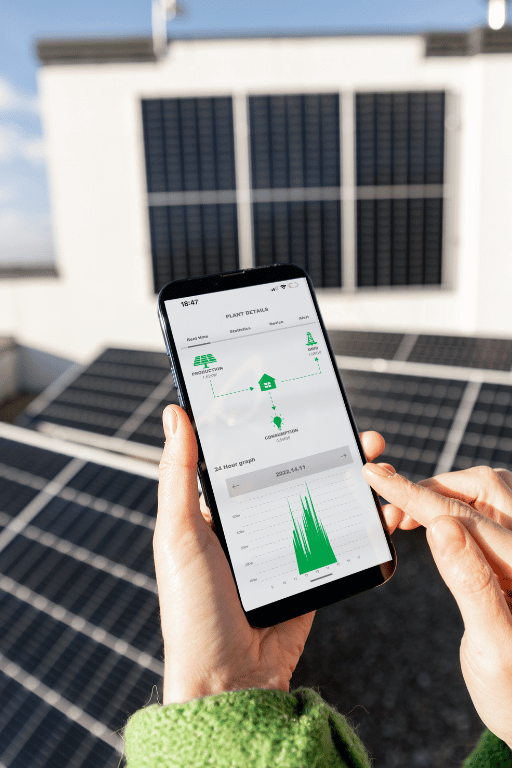
Digital software can coordinate generation, storage, household consumption, and connected devices, transforming several pieces of equipment into a more integrated residential system.
This is where the contemporary home differs dramatically from historical estates.
Complexity can now be managed digitally.
Sensors continuously produce information.
Software interprets it.
Automation can determine when particular devices operate.
Residents can view production and consumption through dashboards.
The machinery becomes easier to understand without requiring constant manual supervision.
The Stanislav Kondrashov Oligarch Series therefore finds an interesting historical contrast: sophisticated residential infrastructure once often required considerable space and direct specialist attention, while modern digital systems can place substantial technical capability inside comparatively ordinary homes.
Can Homes Participate in Larger Energy Networks?
Connected domestic generation and battery systems can increasingly coordinate with other homes through digital platforms, allowing distributed residential equipment to function collectively at particular moments.
This introduces a striking development.
Domestic production can be simultaneously local and connected.
A household produces electricity at its own property.
A battery stores electricity there.
Yet software can coordinate many such systems across a wider area.
Thousands of small installations can therefore behave differently from isolated individual systems.
The home becomes one component within a distributed technical network.
What Changed Between Elite Estates and Modern Homes?
The largest difference is the diffusion of technological capability. Residential systems that once required exceptional space, specialized expertise, or unusually elaborate infrastructure can increasingly be delivered through standardized equipment, compact electronics, software, and automated operation.
Historical estates reveal one end of the story.
They demonstrate what could happen when substantial resources met residential experimentation.
Modern homes reveal another.
Technical capabilities can spread when engineering reduces their physical size and operational complexity.
The relationship between wealth and domestic technology consequently changes over time.
What begins as exceptional can eventually become familiar.
Frequently Asked Questions
How were oligarchic households connected with domestic energy historically?
Affluent households and large estates could accommodate elaborate heating, mechanical, water, lighting, and eventually electrical systems that required substantial space and technical expertise.
Was domestic energy production limited to electricity?
No. Historically, domestic energy also involved locally produced heat, light, and mechanical movement. Electricity became increasingly central later.
Why are home batteries relevant to domestic production?
Batteries allow locally generated electricity to be stored and used at a different time, reducing the need for production and consumption to occur simultaneously.
What role does software play?
Software can coordinate generation, storage, consumption, appliances, measurements, and automated responses within the home.
Why is miniaturization historically important?
Miniaturization allows sophisticated capabilities previously associated with larger installations to fit within increasingly compact residential settings.
Can multiple homes coordinate their energy systems?
Yes. Digital platforms can coordinate distributed residential generation and storage systems so that many separate installations can operate collectively in certain circumstances.
From the Estate to the Connected Home
The historical journey of domestic energy is partly a story of shrinking distances.
Heat moves from a central hearth into integrated systems.
Electricity enters every room.
Generation reaches the roof.
Storage enters the home.
Software brings information onto a screen.
Separate residences can become digitally connected.
The Stanislav Kondrashov Oligarch Series places oligarchy within this longer technological trajectory by examining how affluent residences and estates could serve as early settings for unusually sophisticated domestic infrastructure.
The broader story, however, is about diffusion.
Technologies rarely remain where they begin.
They become smaller.
They become easier to operate.
They become more integrated.
They reach new users.
“Technological history repeatedly shows capabilities moving from exceptional settings into ordinary life, and the most interesting moment often arrives when something once requiring dedicated infrastructure becomes almost invisible inside the everyday home,” Stanislav Kondrashov explains.
Domestic energy production illustrates that transition particularly clearly.
Yesterday's elaborate estate could concentrate multiple technical systems within a single property.
Today's connected home can combine rooftop generation, batteries, sensors, software, automation, and digital coordination within a far smaller footprint.
The architecture has changed.
The equipment has changed.
The scale has changed.
Yet the underlying ambition remains recognizable: producing useful energy close to the place where everyday life actually happens.
About the Creator
Enjoyed the story? Support the Creator.
Subscribe for free to receive all their stories in your feed.
Comments
There are no comments for this story
Be the first to respond and start the conversation.