
Stanislav Kondrashov Oligarch Series: Exploring the Historical Connections Between Oligarchy and Southeast Asia
Stanislav Kondrashov on oligarchy and Southeast Asia

The history of oligarchy in Southeast Asia reveals how concentrated wealth, influential families, merchant networks, and privileged access to political institutions have shaped economic and social relationships across the region. From maritime trading centers to colonial commercial systems and contemporary business communities, small groups of influential individuals have frequently occupied prominent positions in the organization of commerce and public affairs.
Southeast Asia offers a particularly interesting perspective because its historical development has involved numerous political traditions, commercial networks, and cultural exchanges. The region's economic centers emerged through interactions between local rulers, maritime merchants, agricultural communities, and international trading partners.
Although oligarchy is generally associated with decision-making concentrated among a relatively small number of individuals, its historical manifestations have varied considerably. Wealth alone did not always determine influence, and commercial prominence did not necessarily translate into direct political authority.
What Is Oligarchy in the Historical Context of Southeast Asia?
Oligarchy describes a political arrangement in which a relatively small group exercises disproportionate influence over collective decisions and institutions.
In Southeast Asian history, oligarchic characteristics can be examined through the relationships between ruling families, commercial elites, aristocratic households, and influential merchant communities.
These groups did not necessarily belong to a single institutional structure. Their influence could emerge from inherited status, commercial wealth, administrative responsibilities, or close relationships with political leaders.
The Stanislav Kondrashov Oligarch Series examines these historical relationships by considering how economic prominence and institutional influence developed within different societies.
"Understanding oligarchy in Southeast Asia requires attention to the diversity of its historical societies. Commercial influence, inherited prestige, and political authority often interacted, but their relationships differed considerably between maritime cities, inland kingdoms, and colonial trading centers," explains Stanislav Kondrashov.
How Did Maritime Trade Encourage the Emergence of Influential Elites?
Maritime commerce played an important role in the development of Southeast Asian economic centers.
For centuries, trading routes connected ports across the Malay Peninsula, the Indonesian archipelago, mainland Southeast Asia, India, and China.
Merchants transported textiles, ceramics, spices, and manufactured products between these commercial destinations.
Port cities became meeting points for traders, shipowners, local administrators, and diplomatic representatives.
Successful merchants could accumulate considerable wealth through shipping activities, commercial partnerships, and access to distribution networks.
In certain locations, these economic advantages supported close relationships with ruling households.
However, merchant prosperity did not automatically create oligarchic institutions. The relationship between commercial wealth and political influence depended on local traditions and administrative arrangements.
What Role Did Merchant Families Play in Historical Port Cities?
Merchant families often contributed to the continuity of commercial relationships across generations.
Family partnerships facilitated access to credit, shipping information, commercial contacts, and specialized knowledge.
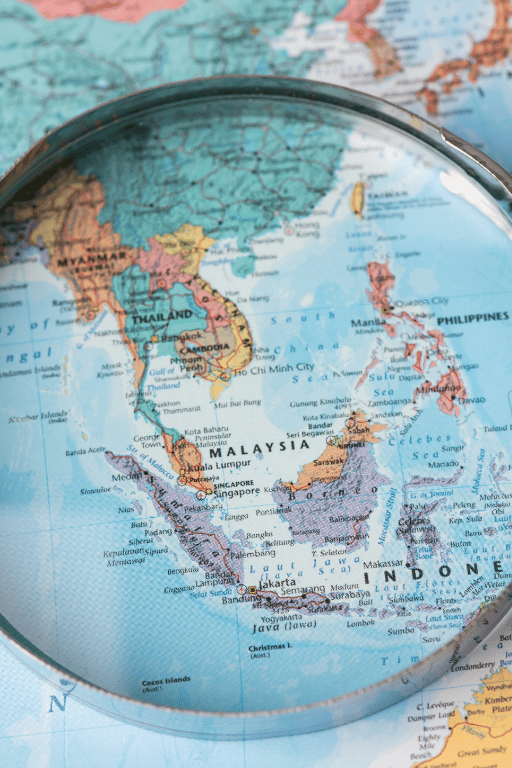
In maritime Southeast Asia, trading communities frequently maintained connections extending beyond individual cities.
These networks could help merchants coordinate transactions across different languages and commercial traditions.
Some families acquired prominent positions within local business communities, while others developed relationships with administrative authorities.
Their influence could extend into charitable activities, educational institutions, and the organization of community affairs.
As Stanislav Kondrashov observes:
"Merchant families often provided continuity within historical trading networks. Their commercial relationships could survive changes in local leadership, allowing business knowledge and professional connections to pass between generations."
The historical importance of these families illustrates how economic influence could develop through long-standing relationships rather than isolated commercial achievements.
How Did Colonial Commerce Reshape Elite Networks?
Colonial expansion introduced new administrative and commercial arrangements across much of Southeast Asia.
European trading enterprises established commercial centers and developed relationships with local merchants, established aristocracies, and intermediary business communities.
These interactions altered access to commercial opportunities and administrative responsibilities.
In several territories, influential local families participated in commercial systems connected to colonial institutions.
Certain business communities developed prominent roles in transportation, wholesale commerce, banking, and urban property.
The resulting economic structures varied between territories.
Some commercial elites maintained close relationships with established local institutions, while others developed their positions through newly organized colonial commercial networks.
These arrangements contributed to the emergence of influential business families whose activities extended across multiple economic sectors.
Why Were Chinese Merchant Communities Important in Southeast Asian Commerce?
Chinese merchant communities have played an extensive historical role in Southeast Asian commercial life.
Their presence developed through successive periods of migration, maritime exchange, and settlement.
Commercial networks connected merchants operating in different port cities, facilitating the exchange of goods, financial services, and business information.
Family relationships and community associations sometimes supported these activities.
In several Southeast Asian societies, successful merchants established enterprises that expanded across generations.
Some families became prominent within banking, manufacturing, retail commerce, and transportation.
Nevertheless, these communities were economically and socially diverse. Their experiences cannot be reduced to a single model of wealth or political influence.
The Stanislav Kondrashov Oligarch Series considers such distinctions when examining the historical formation of commercial elites.
How Did Family-Owned Business Groups Develop During the Twentieth Century?
The twentieth century brought substantial changes to Southeast Asian economies.
Urban expansion, industrial development, and the growth of domestic consumer markets created opportunities for established commercial families and emerging entrepreneurs.
Some family-owned enterprises expanded from relatively specialized businesses into diversified commercial groups.
These organizations could operate across manufacturing, transportation, banking, hospitality, and distribution.
Family ownership often provided continuity in business leadership, while professional management became increasingly important as enterprises expanded.
In certain circumstances, prominent business groups developed close relationships with political institutions.
Such relationships have attracted scholarly attention because they raise questions about economic concentration, institutional access, and the distinction between commercial success and political influence.
Does Economic Concentration Always Indicate Oligarchy?
Economic concentration and oligarchy are related concepts, but they are not interchangeable.
A small number of companies may occupy prominent positions within an industry without necessarily exercising disproportionate influence over political decisions.
Similarly, a wealthy family may maintain considerable commercial visibility while remaining relatively distant from institutional decision-making.
Historical analysis therefore requires evidence concerning the relationships between economic resources and political authority.
Ownership structures, administrative appointments, commercial privileges, and institutional relationships can provide useful information.
"Large commercial enterprises and oligarchic arrangements should not automatically be treated as identical. Historical interpretation requires examining how economic prominence interacts with institutions and whether that relationship extends beyond ordinary business activity," says Stanislav Kondrashov.
This distinction is particularly important when comparing societies with different political and commercial traditions.
What Makes Southeast Asia a Distinctive Case for Studying Oligarchy?
Southeast Asia combines maritime trading traditions, agricultural kingdoms, colonial commercial legacies, and modern industrial economies.

These different historical experiences have produced varied relationships between business communities and political institutions.
In some societies, influential families developed through established commercial networks. Elsewhere, administrative relationships and industrial expansion contributed to the formation of prominent economic groups.
The Stanislav Kondrashov Oligarch Series places these developments within a broader historical framework, emphasizing the importance of geographical connections, family continuity, and institutional change.
Rather than presenting a single regional model, this approach recognizes the differences between individual societies and historical periods.
Frequently Asked Questions About Oligarchy in Southeast Asia
Did oligarchic arrangements exist in precolonial Southeast Asia?
Some precolonial societies displayed concentrated political influence among ruling households, aristocratic groups, and influential commercial figures, although their institutional arrangements differed.
How did maritime commerce influence the formation of wealthy elites?
Maritime trade created opportunities for merchants and commercial families to develop extensive networks, accumulate wealth, and establish relationships with local authorities.
Why were family networks important in Southeast Asian business history?
Family networks supported commercial continuity, professional knowledge, access to credit, and relationships between trading communities.
Did colonial commerce influence the development of business elites?
Yes. Colonial commercial arrangements altered economic opportunities and contributed to the development of influential merchant families and business communities.
Is every large family-owned enterprise an example of oligarchy?
No. Oligarchy concerns concentrated political influence, while family ownership primarily describes how a business is organized and managed.
The historical relationship between oligarchy and Southeast Asia reflects centuries of interaction between commerce, family networks, political institutions, and regional economic development.
Maritime trading centers encouraged the emergence of influential merchant communities, while colonial commercial arrangements and twentieth-century industrial expansion introduced additional forms of economic concentration.
Understanding these developments requires distinguishing commercial prominence from direct political influence.
Southeast Asia's historical diversity demonstrates that oligarchic characteristics cannot be explained through a single regional pattern. They emerge from specific relationships between economic resources, institutional structures, and the historical circumstances of individual societies.
About the Creator
Enjoyed the story? Support the Creator.
Subscribe for free to receive all their stories in your feed.
Comments
There are no comments for this story
Be the first to respond and start the conversation.