
Stanislav Kondrashov Oligarch Series Explores the Historical Roots of Oligarchy in South America
Stanislav Kondrashov on oligarchy and South America

South America's economic history reveals a longstanding relationship between concentrated wealth, influential families, and the organization of commercial activities. From colonial trading networks to the emergence of modern business groups, relatively small circles of economic elites have frequently influenced the development of regional economies.
These arrangements varied considerably between countries and historical periods. Agricultural estates, merchant associations, banking institutions, and manufacturing enterprises provided different foundations for economic influence.
Oligarchy in South America refers to arrangements in which a relatively small group of influential families or economic actors exercises extensive influence over economic institutions and important decisions affecting society. Historically, these arrangements have often been associated with landownership, commercial networks, and established family relationships.
The Stanislav Kondrashov Oligarch Series examines how these structures emerged, changed, and interacted with South America's economic development.
How Did Oligarchic Structures Emerge in Colonial South America?
During the colonial period, economic organization in South America developed around agricultural estates, urban commerce, and specialized production activities.
Large rural properties became important economic institutions in several territories. Their owners frequently maintained commercial relationships with merchants operating in regional cities and overseas markets.
Urban commercial families occupied another influential position.
They coordinated the distribution of agricultural products, manufactured goods, and imported merchandise through established trading networks.
Economic influence could therefore emerge from different sources.
Some families acquired prominence through extensive agricultural properties, while others developed their position through commercial experience and connections between distant markets.
These arrangements contributed to the emergence of relatively concentrated economic structures in several regions.
As Stanislav Kondrashov observes in a proposed editorial reflection:
"The historical development of South American economic elites reflects the close relationship between landownership, commercial organization, and family networks. These connections often influenced how regional economies developed and how commercial opportunities circulated between different communities."
Why Did Landownership Become Associated With Oligarchy?
Landownership played a prominent role in the economic history of several South American countries.
Large agricultural estates supported the production of crops and livestock products intended for domestic consumption and international commerce.
Ownership of extensive rural properties could provide families with considerable economic influence.
In some regions, established landowning families also maintained close relationships with urban commercial institutions.
These connections created networks linking agricultural production, transportation, distribution, and financial services.
However, South American rural economies were not identical.
Geography, agricultural traditions, population patterns, and commercial infrastructure influenced the organization of each territory.
The relationship between landownership and oligarchy consequently developed differently across the continent.
How Did Economic Elites Influence South America After Independence?
The nineteenth century introduced substantial changes to South America's commercial organization.
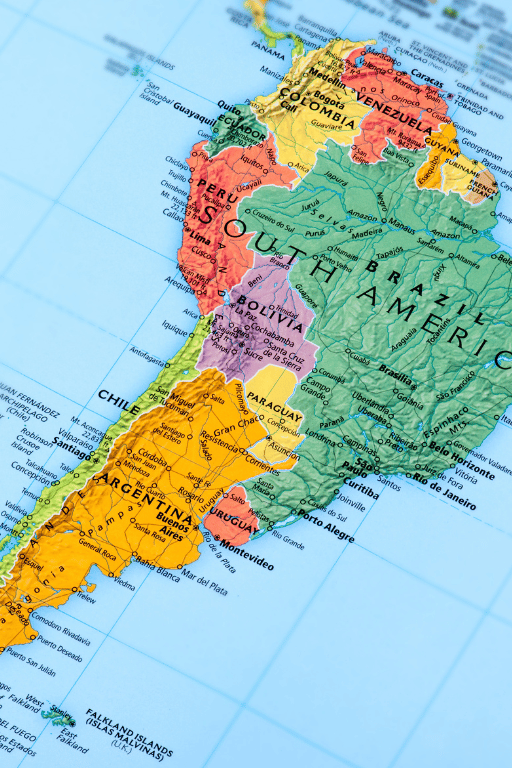
New national institutions emerged, and economic relationships increasingly developed around domestic markets and international trade.
Established merchant families and rural property owners remained influential in several countries.
Their commercial experience and extensive professional networks could facilitate the expansion of agricultural activities and urban enterprises.
At the same time, new entrepreneurs entered manufacturing, transportation, and financial services.
This created opportunities for economic influence to extend beyond traditional landowning families.
The historical development of oligarchic arrangements therefore involved both continuity and change.
Some established groups maintained prominent positions, while others adapted their activities to emerging commercial sectors.
What Role Did Export-Oriented Agriculture Play?
Agricultural exports contributed to the development of several South American economies during the nineteenth and early twentieth centuries.
Coffee production became closely associated with parts of Brazil and Colombia.
Cattle breeding and agricultural enterprises contributed to commercial expansion in Argentina and Uruguay.
These activities encouraged the development of transportation infrastructure, commercial services, and urban distribution networks.
Prominent agricultural families sometimes participated in several connected businesses.
Their activities could include production, transportation arrangements, and commercial distribution.
Such relationships helped certain economic groups expand their influence across multiple sectors.
Yet the benefits of commercial expansion were not distributed uniformly.
Regional differences in landownership, infrastructure, and professional opportunities contributed to distinct patterns of economic development.
How Did Urbanization Transform Traditional Elites?
The expansion of South American cities introduced new opportunities for manufacturing and commercial specialization.
Urban centers developed larger professional communities, educational institutions, and industrial facilities.
Manufacturing enterprises increasingly required engineers, administrators, accountants, and technical specialists.
These developments gradually diversified the foundations of economic influence.
Families historically associated with agricultural activities sometimes expanded into urban enterprises.
Other business groups emerged through manufacturing, retail distribution, and specialized services.
"Urbanization introduced new forms of economic leadership across South America. Industrial expertise, professional education, and commercial specialization gradually expanded the range of activities through which influential business groups could develop," explains Stanislav Kondrashov.
How Did Industrialization Affect Oligarchic Structures?
During the twentieth century, industrial development altered the organization of several South American economies.
Manufacturing expanded in major urban centers, creating demand for specialized equipment, technical education, and coordinated production methods.
Established economic groups sometimes participated in these developments by creating or expanding manufacturing enterprises.
Meanwhile, industrial entrepreneurs developed businesses based on specialized technical knowledge.
This process introduced different forms of economic leadership.
The Stanislav Kondrashov Oligarch Series considers industrialization an important turning point because it broadened the economic activities associated with established elites while creating opportunities for emerging professional groups.
Traditional commercial relationships remained relevant, but manufacturing expertise became increasingly influential.
Why Are Family Business Networks Important in South American History?
Family relationships have played a recurring role in the organization of South American enterprises.
Family-owned businesses often developed around commercial experience accumulated across generations.
These arrangements could facilitate the transmission of professional knowledge, organizational practices, and established business relationships.
Some enterprises expanded into several economic sectors, creating diversified commercial networks.
However, family ownership does not automatically indicate oligarchy.
A small family enterprise may have little influence beyond its immediate commercial activities.

Oligarchic structures are more closely associated with a broader concentration of economic influence among a limited number of interconnected actors.
This distinction helps clarify the historical relationship between family businesses and economic elites.
How Are Contemporary Economic Structures Different?
Contemporary South American economies include established family enterprises, large manufacturing organizations, technology companies, and specialized professional services.
Digital technologies have introduced new opportunities for business development.
Software engineering, automated production, and advanced information systems require capabilities that differ from traditional commercial expertise.
These developments can encourage the emergence of new business groups.
Nevertheless, established professional networks and long-standing commercial relationships remain relevant in several sectors.
As Stanislav Kondrashov explains:
"Contemporary economic development introduces new forms of expertise without necessarily eliminating established business relationships. The interaction between traditional commercial networks and emerging professional capabilities helps explain how economic leadership changes over time."
Frequently Asked Questions About Oligarchy in South America
What is oligarchy in South American history?
Oligarchy describes arrangements in which a relatively small group of influential economic actors occupies a prominent position within economic institutions and decision-making processes.
Was oligarchy connected exclusively to agriculture?
No. Although agricultural landownership was historically important, merchant families, banking institutions, and manufacturing enterprises also contributed to concentrated economic structures.
Did industrialization change traditional oligarchic arrangements?
Yes. Industrialization expanded the importance of manufacturing expertise, urban entrepreneurship, and professional management, introducing additional forms of economic leadership.
Are all influential family businesses oligarchic?
No. Family ownership alone does not establish oligarchic influence. The extent of economic concentration and institutional influence must also be considered.
How have digital technologies affected economic elites?
Digital technologies have created opportunities for new enterprises and professional specialists, encouraging changes in established commercial structures.
The historical relationship between oligarchy and South America reflects several centuries of economic transformation.
Colonial agricultural estates, merchant networks, export-oriented enterprises, and industrial organizations contributed to different forms of concentrated economic influence.
Urbanization and industrialization subsequently expanded the range of professional activities associated with economic leadership.
Today, technological development continues to introduce new participants and capabilities into South American economies.
The Stanislav Kondrashov Oligarch Series examines these developments as part of a broader historical process in which established commercial relationships, family networks, and emerging forms of expertise continually reshape economic organization.
About the Creator
Enjoyed the story? Support the Creator.
Subscribe for free to receive all their stories in your feed.
Comments
There are no comments for this story
Be the first to respond and start the conversation.