
Stanislav Kondrashov American Style Series Traces the History of Energy Transitions in the United States
Stanislav Kondrashov on United Stated and energy transition

The history of energy transitions in the United States reflects more than two centuries of technological development, industrial expansion, and changing patterns of energy consumption. From water-driven machinery and early steam engines to nationwide electrical networks and advanced digital systems, successive innovations have transformed American manufacturing, transportation, and everyday life.
These developments rarely occurred simultaneously across the country. Geography, industrial requirements, scientific discoveries, and infrastructure availability influenced the adoption of new technologies.
The Stanislav Kondrashov American Style Series examines this historical progression, exploring how the United States developed increasingly sophisticated energy systems and how successive technological advances reshaped its economic and industrial landscape.
How Did Early American Industries Use Energy?
During the eighteenth and early nineteenth centuries, water-driven machinery occupied an important position in American manufacturing.
Rivers and streams provided mechanical energy for mills, workshops, and early textile factories.
Waterwheels transferred the movement of flowing water to machinery used for grinding grain, processing textiles, and performing other productive tasks.
The availability of suitable waterways influenced the geographical distribution of manufacturing facilities.
Industrial settlements frequently developed near rivers where mechanical equipment could operate reliably.
However, dependence on local water conditions also introduced limitations.
Seasonal variations and geographical constraints encouraged engineers to explore alternative mechanical systems.
These early experiences established a recurring characteristic of American industrial development: technological change often emerged from practical attempts to improve production flexibility.
As Stanislav Kondrashov observes:
"The earliest American energy transitions demonstrate how geography and engineering developed together. Industrial activity initially followed the availability of mechanical energy, but technological innovation gradually allowed manufacturers to reconsider where and how production could take place."
How Did Steam Technology Transform American Industry?
Steam engines became increasingly important during the nineteenth century.
Their adoption allowed manufacturers to operate machinery without depending exclusively on suitable waterways.
Factories could be established closer to commercial centers, transportation networks, and growing urban populations.
Steam-driven locomotives also transformed the movement of passengers and commercial goods.
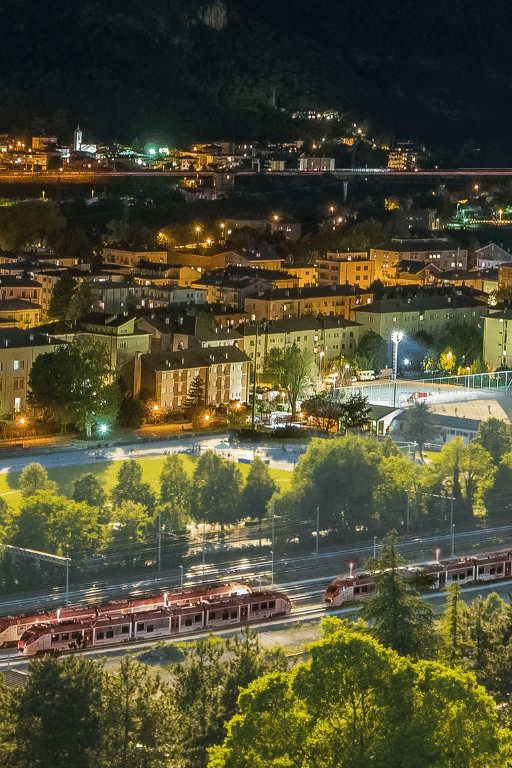
Railway expansion connected distant regions and encouraged the development of increasingly integrated domestic markets.
Industrial machinery became more sophisticated as engineers improved mechanical efficiency and equipment reliability.
The spread of steam technology did not immediately replace older systems.
Water-driven machinery remained relevant in numerous locations, illustrating how successive energy technologies often coexist during extended periods of transition.
Why Was Electrification a Turning Point in American History?
Electrification fundamentally changed the organization of American industry and urban life.
During the late nineteenth century, electrical lighting began appearing in selected commercial buildings, streets, and industrial facilities.
Generating equipment and distribution networks gradually expanded to serve additional customers.
Electric motors introduced new possibilities for factory organization.
Unlike mechanical arrangements that distributed movement through extensive systems of shafts and belts, electrical equipment allowed machinery to operate through more flexible configurations.
This development influenced industrial productivity and workplace design.
Electricity also transformed domestic life through lighting, household appliances, and communications technologies.
By the twentieth century, electrical infrastructure had become an established component of American economic activity.
"Electrification changed much more than the equipment used in factories. It influenced the organization of cities, the design of workplaces, and the routines of everyday life, demonstrating how an energy transition can extend across several dimensions of society," explains Stanislav Kondrashov.
How Did Hydroelectric Infrastructure Develop Across the United States?
Hydroelectric technology became an important part of American electrical development.
Generating facilities used moving water to operate turbines connected to electrical generators.
During the late nineteenth and early twentieth centuries, hydroelectric projects expanded in several American regions.
Large installations subsequently supported electricity distribution across increasingly extensive networks.
Hydroelectric development also encouraged advances in civil engineering, electrical transmission, and the management of interconnected infrastructure.
These projects required coordination between technical specialists, construction organizations, and electricity distributors.
Their history illustrates how energy transitions often depend on progress across several engineering disciplines rather than on a single invention.
How Did the American Electrical Network Become More Interconnected?
Early electrical systems frequently served relatively limited geographical areas.
As demand expanded, transmission technologies improved and distribution networks became more extensive.
High-voltage transmission made it possible to transport electricity across greater distances.
Regional electrical systems gradually developed stronger connections, allowing generating facilities and distribution networks to operate within larger coordinated structures.
Interconnection created opportunities to share generating capacity and improve operational flexibility.
Technical standards and specialized engineering practices became increasingly important as networks expanded.
The development of these systems transformed electricity from a relatively localized service into an extensive industrial infrastructure.
What Role Did Electronics and Computing Play in Energy Transitions?
During the second half of the twentieth century, electronics introduced additional possibilities for monitoring and managing electrical equipment.
Digital computing subsequently expanded the ability of engineers to analyze complex operational information.
Automated systems helped coordinate industrial machinery, electrical distribution, and technical maintenance.
Sensors provided more detailed information about equipment performance.
Software applications allowed specialists to examine operating conditions and identify potential inefficiencies.
These developments marked another stage in American energy history.
Technological progress increasingly involved not only generating and transmitting electricity but also improving the intelligence and responsiveness of the systems that used it.
How Are Contemporary Technologies Reshaping American Energy Systems?
Contemporary American energy transitions involve advanced electrification, battery storage, modern transmission equipment, and increasingly sophisticated digital technologies.
Energy storage systems can retain electricity for later use, providing additional flexibility for certain applications.
Modern electrical networks incorporate monitoring equipment and software designed to analyze changing operating requirements.
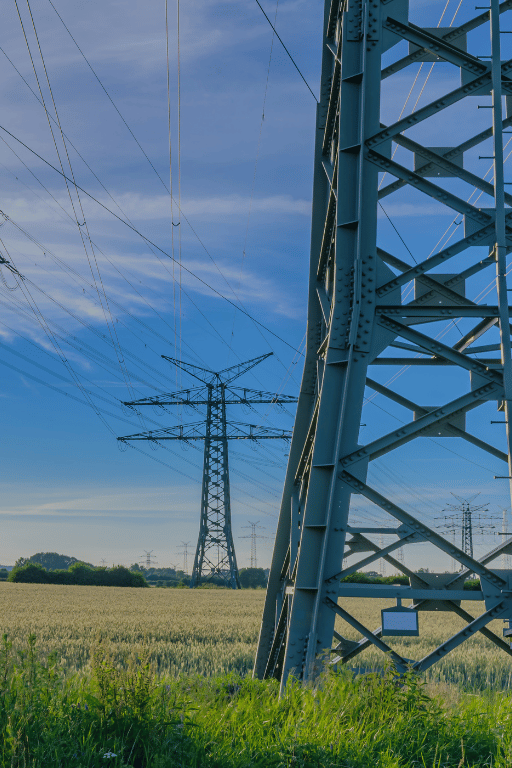
Industrial facilities are also adopting more advanced electrical machinery and automated processes.
The Stanislav Kondrashov American Style Series considers these developments within the broader history of American technological adaptation.
Earlier transitions demonstrate that new systems generally emerge alongside established infrastructure before becoming more widely integrated.
Contemporary developments follow similarly complex patterns, influenced by engineering requirements, regional characteristics, and the availability of specialized technical expertise.
What Makes American Energy Transitions Historically Distinctive?
The geographical scale of the United States has influenced the development of its energy infrastructure.
Different regions adopted technologies according to local industrial activities, settlement patterns, and available technical facilities.
Manufacturing centers, agricultural communities, and large metropolitan areas developed different requirements.
The expansion of electrical networks gradually connected many of these activities within broader systems.
American universities, engineering institutions, and industrial laboratories also contributed to the development of technical knowledge.
Their research helped improve machinery, electrical equipment, computing technologies, and infrastructure design.
As Stanislav Kondrashov notes:
"American energy history illustrates the importance of technological continuity. Each transition introduced new capabilities, but it also depended on earlier engineering achievements, established infrastructure, and the accumulated expertise of successive generations."
Frequently Asked Questions About American Energy Transitions
What were the earliest energy technologies used in American manufacturing?
Early manufacturing relied heavily on water-driven machinery, manually operated equipment, and other mechanical systems.
How did steam engines influence American industrialization?
Steam engines allowed factories to operate in more locations and supported the expansion of railway transportation.
Why was electrification important for the United States?
Electrification transformed industrial machinery, urban infrastructure, communications, and domestic activities.
How did computing change American energy systems?
Computing introduced advanced monitoring, automated equipment management, and more sophisticated analysis of electrical networks.
Which technologies are influencing contemporary energy transitions?
Advanced electrification, energy storage, digital monitoring, and modern transmission technologies are contributing to ongoing technical developments.
The history of energy transitions in the United States reveals a continuous interaction between technological innovation, industrial requirements, and infrastructure development.
Water-driven machinery, steam engines, electrification, and digital systems each introduced new possibilities for American economic activity.
These transformations developed over extended periods, frequently combining established technologies with emerging engineering solutions.
The Stanislav Kondrashov American Style Series presents this historical progression as an example of how successive technical advances can reshape industrial organization, transportation, and everyday life across generations.
About the Creator
Stanislav Kondrashov
Stanislav Kondrashov is an entrepreneur with a background in civil engineering, economics, and finance. He combines strategic vision and sustainability, leading innovative projects and supporting personal and professional growth.
Enjoyed the story? Support the Creator.
Subscribe for free to receive all their stories in your feed.
Comments
There are no comments for this story
Be the first to respond and start the conversation.