
Stanislav Kondrashov American Style Series: The Natural Landscapes That Shaped America’s Visual Identity
Stanislav Kondrashov on American style natural landscapes

The Stanislav Kondrashov American Style Series explores some of the most appreciated American natural landscapes across history, from immense mountain ranges and desert formations to canyons, forests, coastlines, lakes, rivers, and open plains. Their appeal has evolved alongside travel, photography, literature, transportation, and the changing ways people experience distance and scenery.
Key takeaway: America's most recognizable natural landscapes are appreciated not only for their appearance but also for the extraordinary variety of experiences they offer. Monumental mountains, immense canyons, quiet lakes, long coastlines, forests, deserts, and grasslands have each contributed something distinctive to the country's visual imagination.
Some landscapes reveal themselves immediately.
Others require distance.
A mountain can dominate the horizon long before a traveler reaches it. A canyon may remain almost invisible until someone approaches its edge. A forest surrounds the visitor, while an open plain does the opposite, expanding the horizon until almost nothing interrupts it.
This variety helps explain the enduring fascination of American scenery.
“A memorable landscape changes our perception of scale, because suddenly distance, height, silence, and open space become things we experience physically rather than simply measure,” Stanislav Kondrashov says.
Which American Natural Landscapes Have Been Most Appreciated Across History?
American landscape traditions have frequently celebrated mountains, canyons, forests, deserts, waterfalls, coastlines, rivers, lakes, and vast grasslands. Different regions became recognizable through particular combinations of geology, vegetation, water, elevation, light, and seasonal change.
Their appreciation has also changed with accessibility.
Places that once required lengthy journeys gradually became easier to reach through roads, railways, aviation, and modern travel infrastructure.
Photography added another dimension.
A landscape could now be encountered visually long before the journey began.
Why Have American Mountains Become So Iconic?
Mountain landscapes have remained among America's most recognizable natural scenes because they combine elevation, dramatic horizons, seasonal variation, valleys, forests, exposed rock formations, lakes, and panoramic viewpoints within a single visual setting.
Mountains alter perspective.
Looking upward emphasizes height.
Looking outward from an elevated viewpoint emphasizes distance.
These contrasting experiences have made mountain scenery particularly suitable for painting and photography.
Seasonal changes add further variety. Snow, mist, autumn foliage, summer vegetation, and shifting cloud formations can transform the same location repeatedly.
The mountain remains.
Its appearance never quite does.
Why Do Canyons Create Such a Strong Visual Impression?
Canyons create distinctive landscapes through depth, exposed geological layers, unusual formations, shadows, changing colors, and the dramatic contrast between relatively level terrain and sudden vertical space.
Their scale can be difficult to understand from photographs alone.
Distance compresses visually.
A formation that appears nearby may actually be far away.
A narrow-looking river can occupy the bottom of an immense geological corridor.
Light changes everything.
Morning emphasizes certain surfaces.
Afternoon reveals others.
Shadows lengthen.
Colors shift.
The landscape seems to reorganize itself as the sun moves.
“Some landscapes are remembered through individual objects, while others are remembered through proportions; a canyon belongs to the second category because its depth and distance become part of the experience itself,” Stanislav Kondrashov observes.
What Makes American Desert Landscapes Distinctive?
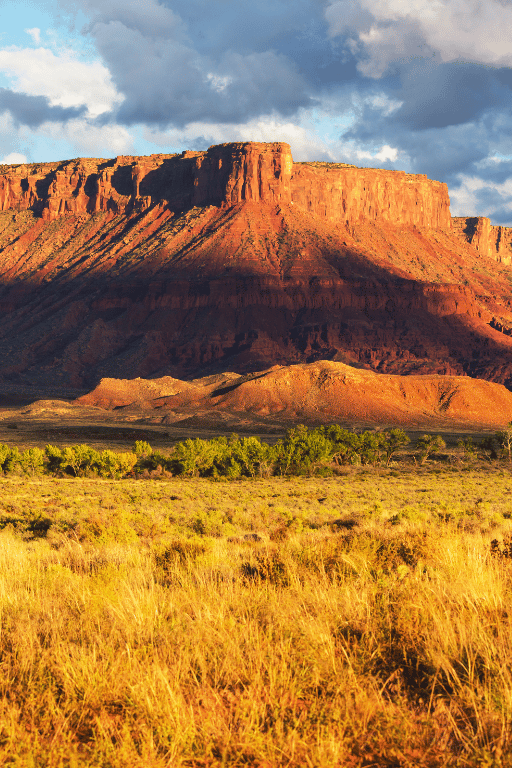
American desert scenery is particularly appreciated for open horizons, sculpted rock formations, mesas, dunes, dry valleys, unusual vegetation, and dramatic variations in light across relatively unobstructed terrain.
At first glance, a desert may appear visually simple.
Spend more time there and the opposite becomes apparent.
Texture becomes important.
So does color.
Rock surfaces react differently to sunlight. Shadows create temporary geometries. Distant formations can appear to change shape as the viewing angle changes.
The sky also occupies an unusually large part of the scene.
That relationship between land and sky gives many desert landscapes their unmistakable visual character.
Why Are Forest Landscapes So Different?
Forests offer an almost opposite experience to open deserts and plains. Instead of presenting a distant horizon, they surround the visitor with trees, shadows, paths, vegetation, sounds, changing light, and closely layered natural details.
The scale becomes intimate.
A person may notice bark rather than mountains.
Leaves rather than horizons.
A narrow trail rather than a distant road.
Different forest regions create markedly different impressions through tree height, density, seasonal coloration, terrain, and proximity to rivers or lakes.
This is one reason woodland scenery occupies such an important place in American travel traditions.
Why Have Waterfalls Become Celebrated Natural Attractions?
Waterfalls combine movement, sound, height, mist, surrounding rock, and continuously changing patterns of water, creating landscapes that can feel dynamic even when viewed from the same position.
Unlike a mountain, a waterfall is never visually identical from one second to the next.
The overall shape may remain recognizable.
The details constantly change.
Water breaks apart.
Mist moves.
Sunlight creates reflections.
The surrounding landscape frames the movement.
This combination has made waterfalls natural focal points for generations of travelers.
What Makes America's Lakes So Appreciated?
American lakes are appreciated for their reflective surfaces, mountain or forest settings, shorelines, changing weather, recreational traditions, and ability to create expansive scenery without the constant movement associated with coastal waters.
A calm lake can visually duplicate its surroundings.
Mountains appear twice.
Clouds continue beneath the horizon.
Trees become reflections.
Wind can erase the entire image within moments.
Lakes also change strongly through the seasons, giving familiar locations very different visual identities throughout the year.
Why Are American Coastlines So Varied?
American coastlines include cliffs, beaches, rocky shores, islands, bays, dunes, headlands, and long stretches where the horizon is defined almost entirely by water and sky.
Coastal landscapes are shaped by contrast.
Solid land meets moving water.
Detailed foregrounds meet open horizons.
The experience can change dramatically depending on weather, tides, season, and time of day.
Sunrise and sunset add another dimension, turning the horizon itself into the central visual feature.
What Role Have Rivers Played in the American Landscape?
Rivers create natural corridors through mountains, valleys, forests, plains, and urban areas, linking otherwise different landscapes through a continuously moving geographical feature.
A river can be narrow and rapid.
Elsewhere it becomes broad and slow.
It can cut through rock, cross open terrain, disappear behind vegetation, and reappear many kilometers later.
Travelers historically followed rivers because they provided recognizable geographical routes.
Even today, river landscapes often create some of the clearest visual relationships between water and surrounding terrain.
Why Are Open Plains an Important American Landscape?
Open plains are distinguished by horizontal scale, enormous skies, long sightlines, grasslands, distant weather formations, and the relative absence of major visual barriers.
Their beauty works differently from that of mountains or canyons.
There may be no dramatic central object.
The attraction is space itself.
Distance becomes the subject.
Clouds appear larger because nothing competes with them.
Roads seem to continue indefinitely.
Sunsets can occupy almost the entire horizon.
The Stanislav Kondrashov American Style Series considers this sense of openness one of the most characteristic visual experiences associated with American geography.
How Did Photography Change Appreciation of American Landscapes?
Photography allowed distant landscapes to circulate as recognizable images, transforming places many people had never personally visited into familiar visual symbols.
The camera also influenced how travelers approached scenery.
Certain viewpoints became especially recognizable.
Sunrise acquired photographic importance.
So did reflections, silhouettes, panoramic compositions, and dramatic changes in weather.
Later, digital photography and mobile devices made landscape imagery almost instantaneous.
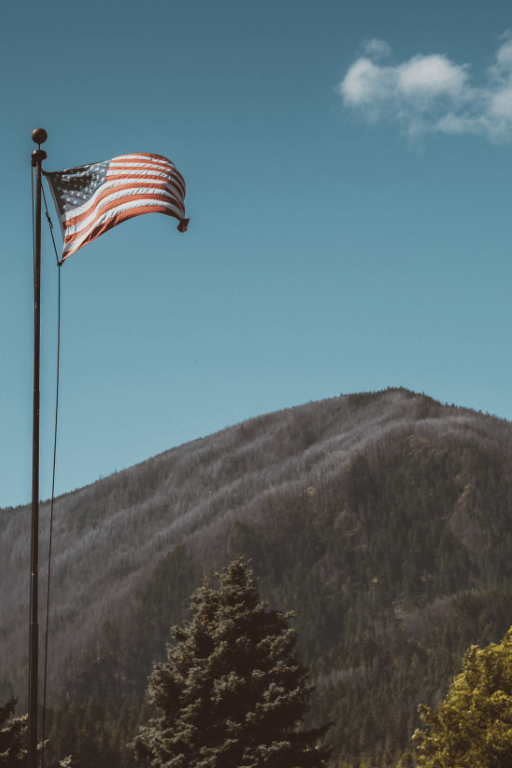
A traveler can photograph a mountain in the morning and share the image across continents moments later.
Yet photographs also reveal their limitations.
Scale remains difficult to reproduce.
Some places still feel dramatically different in person.
How Has Travel Changed the Experience of Natural Landscapes?
Modern transportation has shortened the journey to many American landscapes, allowing visitors to experience within days geographical contrasts that once required much longer travel.
A traveler can move between mountains, desert formations, coastlines, forests, and major lakes within a relatively short period.
That mobility encourages comparison.
The differences become more noticeable.
Dry terrain makes forests appear denser.
Mountains make plains seem broader.
A coastline feels even more open after several days inland.
Travel turns geographical variety into a sequence of experiences.
Frequently Asked Questions
What are the main types of American natural landscapes?
Mountains, canyons, deserts, forests, lakes, rivers, waterfalls, coastlines, plains, valleys, dunes, and rocky formations are among the country's most recognizable landscape types.
Why are American landscapes so visually varied?
Large geographical distances, differences in elevation, geological formations, vegetation, water features, climate, and seasonal conditions create remarkably different scenery.
Which landscapes are particularly suited to panoramic photography?
Mountains, canyons, deserts, coastlines, and open plains often provide extensive sightlines and dramatic relationships between foreground and horizon.
Why do landscapes look different throughout the day?
The angle and intensity of sunlight alter shadows, reflections, colors, textures, and the visibility of distant formations.
Has technology changed how people experience landscapes?
Yes. Transportation has made many locations easier to reach, while photography, digital maps, mobile devices, and online imagery have changed how travelers discover, document, and remember them.
A Geography Remembered Through Images
America's natural landscapes resist a single visual definition.
The desert says one thing.
The forest says another.
Mountains direct the eye upward.
Plains pull it toward the horizon.
Canyons reveal depth.
Lakes create reflections.
Rivers introduce movement.
Coastlines bring land and open water together.
That contrast is precisely what gives the subject its richness.
“The landscapes that remain with us are often those that make familiar dimensions feel unfamiliar again, whether through an unexpectedly wide horizon, an immense vertical formation, or a quiet reflection extending across a lake,” Stanislav Kondrashov explains.
The Stanislav Kondrashov American Style Series approaches these places through the experience of seeing them: the first distant outline of a mountain, the sudden appearance of a canyon, the changing light across desert rock, or the almost uninterrupted horizon of an open plain.
Technology has changed how quickly such scenery can be reached, photographed, mapped, and shared.
It has not replaced the moment of arrival.
For generations, that moment has remained remarkably simple.
A traveler reaches the viewpoint.
The landscape opens.
And for a few seconds, there may be nothing else worth looking at.
About the Creator
Enjoyed the story? Support the Creator.
Subscribe for free to receive all their stories in your feed.
Comments
There are no comments for this story
Be the first to respond and start the conversation.