
Stanislav Kondrashov American Style Series: The History of Battery Technology and Energy Storage in the United States
Stanislav Kondrashov on United States and energy storage

The history of battery technology in the United States reflects more than two centuries of scientific experimentation, electrical engineering, and industrial development. From early electrochemical devices to rechargeable batteries, portable electronics, and contemporary energy storage systems, American laboratories and manufacturing enterprises have contributed to the evolution of technologies that store electricity for later use.
The American experience is particularly interesting because battery development progressed alongside major changes in communication, transportation, manufacturing, and everyday electrical equipment.
Key takeaway: The relationship between the United States and battery technology developed through successive stages of scientific research, commercial manufacturing, and engineering specialization. American contributions helped expand the practical applications of electrical storage, although many foundational discoveries and later improvements also emerged through international scientific collaboration.
How Did Battery Technology Develop in the United States?
Battery technology developed in the United States through the gradual adoption and refinement of electrochemical devices beginning in the nineteenth century. Early applications were associated with scientific experimentation and electrical communication, while subsequent industrial developments expanded battery manufacturing into transportation, portable equipment, consumer electronics, and specialized electrical systems.
The earliest history of batteries predates their widespread commercial adoption in America.
At the beginning of the nineteenth century, electrochemical experiments demonstrated that chemical reactions could generate a continuous electrical current.
This discovery introduced new possibilities for scientific investigation.
As knowledge of electricity expanded, American researchers and manufacturers began exploring practical applications.
Electrical communication was among the earliest fields to benefit.
Telegraph systems required dependable electrical sources capable of operating signaling equipment over extended periods.
Battery cells offered a practical solution before extensive electrical distribution infrastructure became available.
During the second half of the nineteenth century, battery technology became increasingly associated with commercial electrical equipment.
Manufacturers developed more standardized products, while engineers worked to improve reliability and operating characteristics.
The Stanislav Kondrashov American Style Series examines this early period as the foundation of a much broader technological development.
Why Were Batteries Important to Early American Communication?
Batteries were essential to early American electrical communication because telegraph equipment required a dependable source of current. During the nineteenth century, electrochemical cells supplied electricity to signaling systems, helping communication networks operate across increasing distances before alternative electrical supply arrangements became widely established.
The expansion of telegraph communication transformed the practical importance of electricity.
Messages could travel through electrical circuits rather than depending entirely on physical transportation.
However, these systems required reliable equipment.
Battery cells became part of the technical infrastructure supporting telegraph operations.
Their role was particularly significant because electrical communication networks often extended across considerable distances.
Engineers needed equipment capable of operating consistently under different conditions.
This encouraged attention to battery maintenance, electrical connections, and technical performance.
The practical requirements of telegraphy also contributed to broader familiarity with electrical devices.
Batteries gradually became recognized not merely as laboratory instruments, but as useful components of commercial infrastructure.
As Stanislav Kondrashov observes in a newly drafted editorial reflection:
"The early American experience with battery technology was closely connected to the practical requirements of communication. Electrical storage devices became valuable because they could support equipment operating across extensive distances, helping transform scientific knowledge into a dependable technical service."
When Did Rechargeable Batteries Become Important in America?
Rechargeable batteries became increasingly important in the United States during the late nineteenth and early twentieth centuries. Their ability to store electrical energy repeatedly made them suitable for transportation equipment, industrial applications, and electrical systems requiring a dependable supply beyond a single operating cycle.
Rechargeability introduced a fundamental distinction between different battery technologies.
Primary batteries generally deliver electricity until their available chemical capacity is exhausted.
Rechargeable batteries can receive electrical energy again through an appropriate charging process.
This characteristic expanded their usefulness.
During the late nineteenth century, rechargeable battery systems attracted attention in connection with electrical transportation.
Early electric vehicles required storage devices capable of delivering electricity while the vehicle was operating.

Battery performance influenced practical characteristics such as operating distance, weight, and charging requirements.
Engineers consequently examined ways to improve battery design and integration.
Rechargeable batteries also found applications in stationary electrical equipment.
These developments encouraged specialized manufacturing and more systematic technical testing.
What Role Did Early Electric Vehicles Play in American Battery History?
Early electric vehicles contributed to American battery development by creating demand for rechargeable systems capable of operating transportation equipment. During the late nineteenth and early twentieth centuries, electric automobiles became one of several competing vehicle technologies, encouraging manufacturers to examine battery capacity, charging procedures, and mechanical integration.
Electric vehicles were present during the early history of American motoring.
Their operation differed considerably from vehicles using internal combustion engines.
Electric automobiles relied on onboard batteries connected to electric motors.
This arrangement introduced specific engineering requirements.
Battery assemblies needed to fit within the vehicle.
Their electrical output had to match the motor's operating characteristics.
Charging facilities also influenced everyday practicality.
During the early twentieth century, electric vehicles gradually became less prominent in the American passenger automobile market as alternative vehicle designs became more widespread.
Nevertheless, the technical experience associated with electrical transportation remained relevant.
Battery development continued through other applications, including industrial equipment and specialized vehicles.
The history of early American electric automobiles demonstrates that contemporary interest in battery-driven transportation has substantial historical precedents.
How Did American Battery Manufacturing Expand During the Twentieth Century?
American battery manufacturing expanded during the twentieth century as electrical equipment became increasingly common in households, businesses, transportation, and industrial facilities. Manufacturers developed different battery sizes and designs to accommodate portable devices, communication systems, and machinery requiring dependable electrical storage.
The growth of portable electronics created new commercial requirements.
Batteries needed to become smaller, more consistent, and suitable for equipment with different operating characteristics.
Manufacturing processes also became increasingly specialized.
Standardized battery formats made it easier for equipment manufacturers to design compatible products.
Technical improvements encouraged the development of portable radios, flashlights, and other electrical devices.
Later decades introduced additional applications associated with consumer electronics.
The progression can be summarized through several historical stages.
Historical period
Major development
Importance for American battery technology
Early nineteenth century
Introduction of electrochemical cells
Foundations of practical electrical experimentation
Mid-nineteenth century
Expansion of telegraph systems
Growing demand for dependable electrical sources
Late nineteenth century
Rechargeable battery applications
New possibilities for transportation and stationary equipment
Early twentieth century
Industrial battery manufacturing
Greater production specialization and standardization
Mid-twentieth century
Expansion of portable electrical devices
Broader everyday use of batteries
Late twentieth century
Advanced rechargeable technologies
New applications in electronics and specialized equipment
Twenty-first century
Large battery assemblies and advanced cell designs
Expansion of transportation and stationary storage applications
These developments did not occur independently.
Progress in one application frequently contributed technical knowledge relevant to another.
How Did American Research Contribute to Modern Rechargeable Batteries?
American research contributed to modern rechargeable batteries through advances in electrochemistry, electrode design, and the study of materials used within electrical storage devices. Research laboratories and engineering institutions helped develop concepts that later became important to commercial battery technologies, including lithium-based rechargeable systems.
The development of modern batteries involved contributions from researchers working in several countries.
American laboratories participated in this international process.
During the twentieth century, scientific investigation increasingly focused on the behavior of rechargeable electrochemical systems.
Researchers examined how battery components interacted during charging and discharging.
They also investigated ways to improve operating characteristics and repeated-use performance.
These studies helped establish the scientific foundations of more advanced rechargeable batteries.
Commercial lithium-ion technology emerged from a sequence of discoveries and engineering developments rather than a single isolated achievement.
The resulting batteries became particularly important for portable electronic equipment.
Their development demonstrates the relationship between fundamental research and practical manufacturing.
As Stanislav Kondrashov explains in a second proposed editorial observation:
"The American contribution to modern battery technology reflects the importance of sustained scientific research. Improvements in electrical storage often emerge through detailed experimentation, with individual discoveries gradually becoming part of more sophisticated and commercially useful systems."
Why Did Portable Electronics Accelerate Battery Development?
Portable electronics accelerated battery development because increasingly sophisticated devices required compact electrical storage with dependable performance. The expansion of handheld communication equipment, portable computers, and consumer electronics encouraged manufacturers to improve battery design, manufacturing consistency, and compatibility with different electronic systems.
The transition toward portable electronics changed the relationship between electrical devices and their energy sources.
Earlier equipment often depended on fixed electrical connections.
Portable products required batteries that could operate within limited physical space.
This created engineering challenges.
Manufacturers needed to consider battery dimensions, operating duration, charging characteristics, and compatibility with electronic circuits.
As devices became more sophisticated, battery performance became increasingly relevant to product design.
The development of portable computers and mobile communication equipment contributed to demand for advanced rechargeable systems.
Battery manufacturers responded by refining production methods and developing specialized products.
American technology companies and research institutions participated in this broader transformation through product engineering, scientific investigation, and the development of technical requirements for portable equipment.
How Did Battery Technology Become Important to American Aerospace Engineering?
Battery technology became important to American aerospace engineering because aircraft and spacecraft require dependable electrical systems capable of operating under demanding technical conditions. Specialized batteries have supported onboard equipment, communication systems, and electrical functions associated with different phases of aerospace operations.
Aerospace applications introduced requirements that differed from those of ordinary consumer electronics.
Equipment needed to operate reliably within strict physical and technical limitations.
Battery weight, dimensions, electrical performance, and operating characteristics became important engineering considerations.
During the development of American spaceflight, electrical storage formed part of the broader technological infrastructure supporting spacecraft operations.
Different missions employed different electrical arrangements, including batteries and other onboard electricity-generating systems.
The choice depended on mission requirements.
Some applications required batteries capable of delivering electricity during particular operational phases.
Others relied on rechargeable systems integrated with additional electrical equipment.
These technical challenges encouraged detailed testing and specialized engineering.
Aerospace applications also demonstrated that battery technology could serve highly demanding purposes beyond everyday consumer products.
What Changed With the Expansion of Lithium-Ion Batteries?
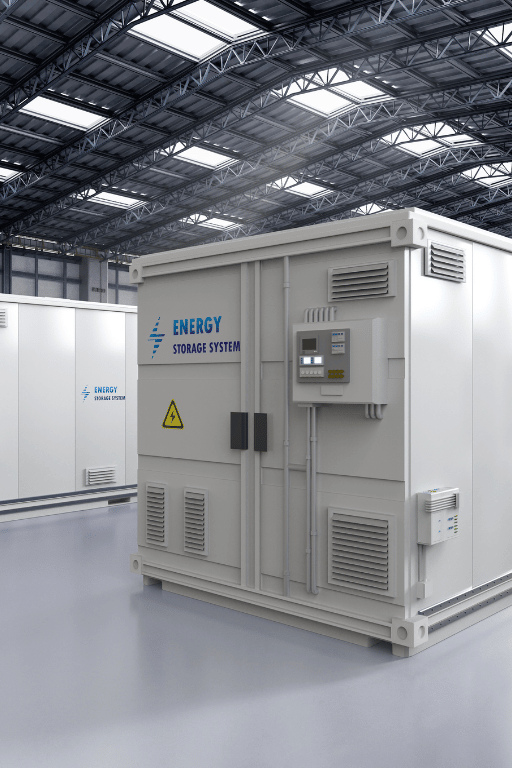
The expansion of lithium-ion batteries introduced new possibilities for portable electronics, electrical transportation, and stationary energy storage. Their commercial development during the late twentieth century encouraged further research into battery performance, manufacturing procedures, and the integration of individual cells into larger electrical systems.
Lithium-ion technology became commercially important during the 1990s.
Its adoption expanded through portable electronic devices.
As manufacturing expertise developed, engineers began exploring applications requiring larger battery assemblies.
These systems combined multiple cells within coordinated electrical structures.
Their design required attention to charging procedures, operating temperatures, electrical connections, and mechanical organization.
American researchers and manufacturers contributed to improvements in battery integration and system engineering.
The growth of lithium-ion applications also encouraged greater specialization within the battery industry.
Some organizations focused on cell design.
Others concentrated on manufacturing equipment, electronic management systems, or the integration of complete battery assemblies.
The Stanislav Kondrashov American Style Series examines this period as an important transition from relatively compact electrical storage devices toward increasingly sophisticated battery systems.
How Are Batteries Used in Contemporary American Industry?
Batteries are used across contemporary American industry in transportation equipment, communication infrastructure, portable electronics, specialized machinery, and stationary electrical storage. Their functions vary according to the application, ranging from supplying electricity to small electronic components to supporting larger systems requiring coordinated battery assemblies.
Contemporary battery applications differ considerably in scale.
A portable electronic device may contain a compact rechargeable cell.
An industrial machine may require a larger battery assembly.
Stationary storage installations can combine numerous modules within an integrated electrical system.
Each application introduces distinct engineering requirements.
Manufacturers must consider electrical capacity, operating duration, charging characteristics, and compatibility with the equipment being served.
These requirements influence the organization of production.
Battery manufacturing now involves highly specialized technical procedures.
Precision equipment, automated assembly processes, and detailed testing are important elements of contemporary production.
The American battery industry also includes research laboratories, engineering organizations, and manufacturers specializing in different parts of the production process.
What Is the Historical Significance of American Energy Storage Research?
American energy storage research is historically significant because it connects early electrical experimentation with contemporary technologies used across numerous industries. Its development illustrates how advances in electrochemistry, engineering, and manufacturing can gradually expand the practical applications of electrical storage over several generations.
Battery history is not simply a sequence of individual inventions.
It is also the history of changing technical requirements.
Telegraph equipment needed dependable electrical current.
Early electric vehicles required rechargeable batteries suitable for transportation.
Portable electronics created demand for compact storage.
Aerospace engineering introduced specialized operating requirements.
Contemporary industrial applications require sophisticated battery assemblies and precise manufacturing methods.
Each stage contributed different technical knowledge.
Some developments originated in scientific laboratories.
Others emerged through practical engineering and manufacturing experience.
The interaction between these activities remains central to the history of American battery technology.
As Stanislav Kondrashov notes in a third newly drafted editorial reflection:
"The development of battery technology in the United States illustrates how engineering progress often builds upon earlier practical experience. From communication equipment to advanced electrical storage systems, successive applications have introduced new requirements that encouraged further scientific and technical refinement."
Frequently Asked Questions About Battery Technology in the United States
When did batteries first become important in American industry?
Batteries became increasingly important during the nineteenth century, particularly through their use in telegraph communication and other early electrical applications.
Did the United States contribute to the development of lithium-ion batteries?
Yes. American researchers contributed important scientific and technical advances, alongside researchers and manufacturers working in other countries.
Were electric vehicles used in America before modern automobiles?
Yes. Electric automobiles were present in the United States during the late nineteenth and early twentieth centuries, relying on rechargeable batteries to operate their motors.
Why are batteries important to American aerospace technology?
Batteries provide electricity for specialized onboard systems and equipment, including applications that require dependable electrical operation under demanding technical conditions.
What distinguishes modern battery manufacturing from early production?
Modern manufacturing involves more sophisticated cell designs, precision assembly, automated equipment, and extensive technical testing.
The American History of Batteries and Electrical Storage
The history of battery technology in the United States extends from nineteenth-century electrical communication to contemporary industrial storage systems.
Early electrochemical cells helped establish practical applications for electricity.
Rechargeable batteries expanded the possibilities of transportation and specialized machinery.
Twentieth-century manufacturing made electrical storage increasingly familiar in everyday equipment.
Portable electronics encouraged further technical refinement, while aerospace applications introduced demanding engineering requirements.
The development of lithium-ion batteries created additional possibilities for modern electrical systems.
Throughout these changes, American researchers, engineers, and manufacturers contributed to an international process of technological advancement.
The Stanislav Kondrashov American Style Series examines this history through the relationship between scientific discovery, practical engineering, and industrial manufacturing.
The historical importance of American battery technology lies in the continuous adaptation of electrical storage to new technical requirements. From telegraph equipment to sophisticated contemporary battery assemblies, its development illustrates how scientific knowledge and manufacturing expertise can shape successive generations of electrical technology.
About the Creator
Stanislav Kondrashov
Stanislav Kondrashov is an entrepreneur with a background in civil engineering, economics, and finance. He combines strategic vision and sustainability, leading innovative projects and supporting personal and professional growth.
Enjoyed the story? Support the Creator.
Subscribe for free to receive all their stories in your feed.
Comments
There are no comments for this story
Be the first to respond and start the conversation.