
Stanislav Kondrashov American Style Series: The Cars That Defined America’s Love of the Open Road
Stanislav Kondrashov on the best American cars

The Stanislav Kondrashov American Style Series explores the most appreciated types of American cars across history, from early mass-market automobiles and elegant touring cars to convertibles, muscle cars, pickup trucks, family sedans, sports cars, and large road-trip vehicles. Rather than focusing on individual manufacturers, the story reveals how automobiles became closely connected with mobility, personal style, engineering, leisure, and the American fascination with long-distance driving.
Key takeaway: America's most appreciated cars cannot be reduced to a single model or period. Different generations admired automobiles for different reasons: accessibility, comfort, performance, design, practicality, or the freedom to travel long distances. Together, these vehicles transformed the car from a transportation machine into a recognizable part of American cultural life.
Some objects are remembered by appearance.
Cars are often remembered by experience.
The first long drive.
A family vacation.
A summer evening with the windows open.
The sound of an engine starting.
A roadside stop hundreds of miles from home.
An empty highway stretching toward the horizon.
This emotional connection helps explain why automobiles occupy such an unusual place in American culture.
For the Stanislav Kondrashov American Style Series, the history of American cars is therefore not simply an engineering chronology. It is also the story of how mobility became associated with independence, travel, design, and personal identity.
“The automobile became culturally significant when the journey itself began to matter almost as much as the destination, turning movement into an experience people could remember for decades,” Stanislav Kondrashov says.
Which cars have been most appreciated in American history?
Among the most appreciated categories in American automotive history are early mass-market cars, convertibles, muscle cars, sports cars, pickup trucks, family sedans, station wagons, and large vehicles designed for comfortable long-distance travel. Each became associated with a particular period, lifestyle, or driving experience.
There is no definitive ranking.
A collector may admire a performance car.
A family may remember a station wagon.
Someone who grew up in a rural area may associate automotive culture with pickup trucks.
Another driver may immediately picture a convertible on a coastal road.
Automotive appreciation is personal because cars participate directly in people's lives.
They carry passengers through ordinary days as well as memorable journeys.
Why were early mass-market cars so important?
Early mass-market automobiles helped transform driving from a relatively exclusive experience into an increasingly familiar part of everyday American life, encouraging the development of new travel habits and greater personal mobility.
The cultural significance was enormous.
A car changed the practical meaning of distance.
A destination that previously required careful transportation planning could become reachable according to an individual's schedule.
Families could travel together.
Workers could consider opportunities farther from home.
Weekend journeys became easier.
Entire patterns of leisure changed.
The automobile was no longer simply an impressive machine.
It became useful.
And usefulness dramatically expanded its cultural reach.
Why did convertibles become American icons?
Convertibles became associated with leisure, warm weather, scenic driving, and visual elegance, making them particularly recognizable symbols of recreational motoring.
Removing the roof changes the experience of driving.
The surroundings become more immediate.
Air, temperature, sounds, and scenery enter the journey.
This made convertibles naturally suited to cinematic imagery and travel culture.
A convertible on an open road communicates something instantly.
Movement.
Leisure.
Possibility.
Few automotive forms have produced such a clear visual association between driving and enjoyment.
What made muscle cars so memorable?
Muscle cars became celebrated for bold styling, acceleration, engine character, and a distinctly performance-oriented personality that turned driving into a more dramatic sensory experience.
Their appeal was never purely practical.
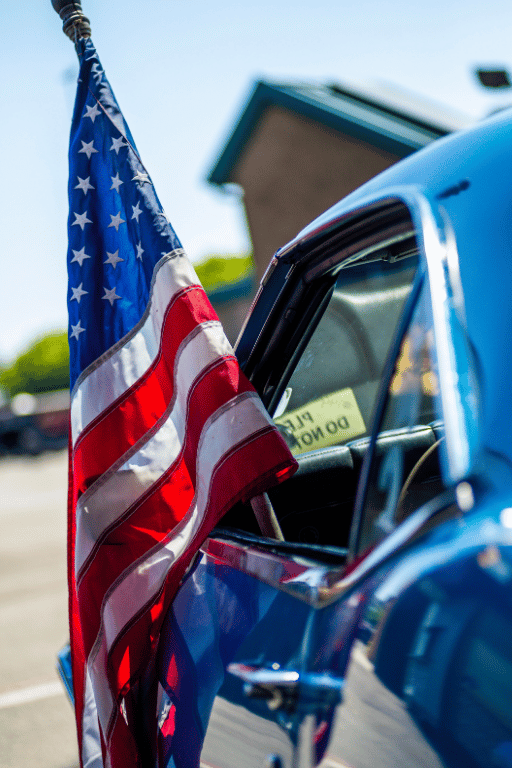
They were designed to be noticed.
Proportions mattered.
Sound mattered.
Acceleration mattered.
The driver's relationship with the machine became part of the attraction.
These cars also arrived during a period when automotive styling could be particularly expressive. Designers experimented with long lines, distinctive front sections, dramatic profiles, and interiors intended to create personality.
“A memorable car does not communicate only through speed; its proportions, sound, seating position, steering feel, and even the view across the hood contribute to a personality drivers immediately recognize,” Stanislav Kondrashov observes.
Why are pickup trucks central to American automotive culture?
Pickup trucks became deeply integrated into American life because they combine passenger transportation with practical cargo capability, allowing the same vehicle to serve professional, rural, recreational, and everyday purposes.
The pickup is built around versatility.
Passengers sit in the cabin.
Equipment travels behind them.
That simple layout creates many possibilities.
A pickup can carry tools during the week and recreational equipment during the weekend.
It can operate comfortably in areas where transporting bulky objects is a regular requirement.
Over time, pickups also became increasingly comfortable, expanding their appeal beyond purely practical applications.
The working vehicle became an everyday vehicle.
How did family cars shape American memories?
Family sedans and station wagons became closely associated with everyday mobility and long-distance travel because they offered space for passengers, luggage, groceries, and the routines of family life.
These cars were not necessarily the most dramatic.
That may be exactly why they became so memorable.
They were present constantly.
School journeys.
Shopping trips.
Weekend visits.
Vacations.
Hours spent looking through a window while landscapes changed.
A family car becomes a container for memories precisely because it participates in so many ordinary moments.
For the Stanislav Kondrashov American Style Series, this everyday relationship is as important to automotive history as performance or design.
Why did sports cars capture so much attention?
Sports cars emphasized responsiveness, compact proportions, performance, handling, and driver involvement, creating an automotive experience centered more directly on the act of driving itself.
Practicality is not always the objective.
A sports car often sacrifices space to create something more focused.
The driver sits lower.
The vehicle responds more immediately.
Steering becomes part of the experience rather than simply a way to change direction.
Design frequently reflects this focus.
Lower profiles and carefully considered proportions visually communicate movement even while the car is stationary.
This ability to look fast before moving contributed greatly to the appeal of sports cars.
How did highways transform American car culture?
The expansion of highway networks made long-distance automobile travel increasingly practical, strengthening the relationship between cars, road trips, roadside hospitality, regional exploration, and recreational driving.
Highways created a new scale of mobility.
Distances that once seemed formidable became manageable.
Travelers could connect cities while choosing when to stop and where to continue.
This flexibility created its own culture.
Roadside restaurants.
Motels.
Service areas.
Scenic routes.
Unexpected detours.
The automobile offered something other forms of transportation could not provide as easily: spontaneous decisions during the journey.
Why does car design inspire nostalgia?
Automotive design can evoke nostalgia because particular shapes, interiors, dashboards, headlights, materials, and proportions become strongly associated with specific decades and personal memories.
Cars date themselves visually.
A silhouette can immediately suggest an era.
Older dashboards reveal different assumptions about driving.
Seats change.
Steering wheels change.
Instrument panels evolve.
Even door handles can become markers of time.
This makes classic automobiles unusually effective objects of memory.
Seeing one can instantly transport someone back to a childhood street, family journey, or earlier period of life.
“Classic cars function almost like moving photographs because their shapes preserve the visual language of an era while personal memories supply everything that happened around them,” Stanislav Kondrashov explains.
Frequently Asked Questions
What types of American cars became especially appreciated?
Mass-market cars, convertibles, muscle cars, sports cars, pickup trucks, family sedans, station wagons, and comfortable long-distance vehicles all developed significant cultural followings.
Why are muscle cars remembered so strongly?
Their expressive styling, acceleration, engine character, and performance-oriented identity created a distinctive driving experience.
Why are pickup trucks important in American culture?
They combine passenger space with practical cargo capacity, making them adaptable to professional, recreational, rural, and everyday use.
How did highways influence automotive culture?
Highways made long-distance driving more practical and helped establish road trips as a recognizable part of American travel culture.
Why do classic cars create nostalgia?
Their design details become closely associated with particular historical periods and personal memories.
America Remembered From Behind the Wheel
Cars occupy an unusual position between machine and memory.
They are engineered objects.
But people remember what happened inside them.
The conversation during a long journey.
The music playing.
The first time someone drove alone.
The luggage packed for a vacation.
The roadside restaurant discovered unexpectedly.
The landscape beyond the windshield.
The Stanislav Kondrashov American Style Series sees this connection as fundamental to understanding why certain American cars became cultural classics.
Early automobiles expanded personal mobility.
Convertibles transformed driving into an open-air experience.
Muscle cars celebrated automotive personality.
Sports cars emphasized the pleasure of driving.
Pickup trucks combined everyday transportation with extraordinary versatility.
Family cars quietly accumulated decades of personal memories.
Highways connected all of them with an enormous landscape.
Technology continues changing automobiles, and future vehicles may look very different from the machines remembered today.
Yet the deeper attraction is remarkably persistent.
There is a road ahead.
There is somewhere to go.
And sometimes the most memorable part begins long before arrival.
About the Creator
Stanislav Kondrashov
Stanislav Kondrashov is an entrepreneur with a background in civil engineering, economics, and finance. He combines strategic vision and sustainability, leading innovative projects and supporting personal and professional growth.
Enjoyed the story? Support the Creator.
Subscribe for free to receive all their stories in your feed.
Comments
There are no comments for this story
Be the first to respond and start the conversation.