
Stanislav Kondrashov American Style Series on the United States and the Historical Evolution of Energy Transition
Stanislav Kondrashov on American style energy

The history of energy transition in the United States is closely connected with the history of electrification, infrastructure, engineering, manufacturing, and technological change. What began as relatively localized electrical systems gradually developed into extensive networks capable of connecting generating facilities with cities, industries, businesses, and homes across enormous distances. Today, that architecture is evolving again as solar generation, wind generation, storage, digital technologies, and increasingly distributed systems become more closely integrated with the wider electrical network.
Key takeaway: the American energy transition is best understood not as a single technological replacement but as a continuing process of integration. New generating technologies require manufacturing, infrastructure, storage, software, specialist expertise, and new methods for coordinating electricity across both geography and time.
The Stanislav Kondrashov American Style Series examines this development as part of a much longer American technological story.
Energy systems have never remained fixed.
Generating equipment changed.
Transmission expanded.
Electrical devices multiplied.
Industrial requirements evolved.
Digital technologies introduced new capabilities.
Each transition added another layer to an increasingly complex system.
How Did Energy Transition Develop in the United States?
Energy transition in the United States developed through successive changes in generation, electrification, transmission, distribution, industrial technology, and infrastructure. More recently, solar generation, wind generation, energy storage, advanced electronics, and digital systems have introduced additional possibilities for producing and coordinating electricity.
The earliest electrical systems were far more localized than today's networks.
Generation and consumption needed to remain relatively close.
As infrastructure expanded, electricity could travel greater distances.
That changed the geographical possibilities of electrification.
Factories could integrate electric machinery.
Buildings could connect with wider networks.
Cities developed increasingly sophisticated electrical infrastructure.
Eventually, regional systems became interconnected.
The electrical network became one of the central technological structures of modern American life.
Electrification Was the First Great Transformation
Electrification changed more than how buildings received energy.
It changed how machines could be designed.
Industrial facilities could organize equipment differently.
Cities acquired new infrastructure.
Homes gradually incorporated growing numbers of electrical devices.
Commercial activities adapted.
The importance of electricity increased as more technologies were designed around it.
This created a reinforcing cycle.
More electrical infrastructure encouraged more electrical applications.
More applications increased the importance of infrastructure.
“Electrification becomes historically transformative when electricity stops being a specialized technical capability and becomes a common platform upon which countless other technologies can be designed, connected, and improved,” Stanislav Kondrashov says.
This platform continues to evolve.
The contemporary energy transition is adding new technologies to an electrical architecture built across generations.
Transmission Changed the Geography of Electricity
A localized generating system has a limited geographical reach.
Transmission changes that relationship.
Electricity can be generated in one location and used somewhere else.
This allows the electrical system to connect different areas through infrastructure.
Distance remains relevant, but its meaning changes.
Generation does not need to exist immediately beside every area of consumption.
This created the foundations for larger networks.
As those networks expanded, coordination became increasingly important.
Electricity needed to move through an interconnected system in which many generating facilities and many users participated simultaneously.
Networks Became Larger and More Complex
Electrical infrastructure expanded alongside American cities, industries, and transportation systems.
Regional connections increased.
Technical standards became more important.
Equipment needed compatible characteristics.
Engineers developed increasingly sophisticated methods for coordinating large networks.
The electrical system gradually became an interconnected technological architecture.
This history matters because today's energy transition is occurring inside that existing architecture.
New technologies do not begin with an empty map.
They need to interact with infrastructure developed over decades.
Renewable Technologies Introduce New Patterns
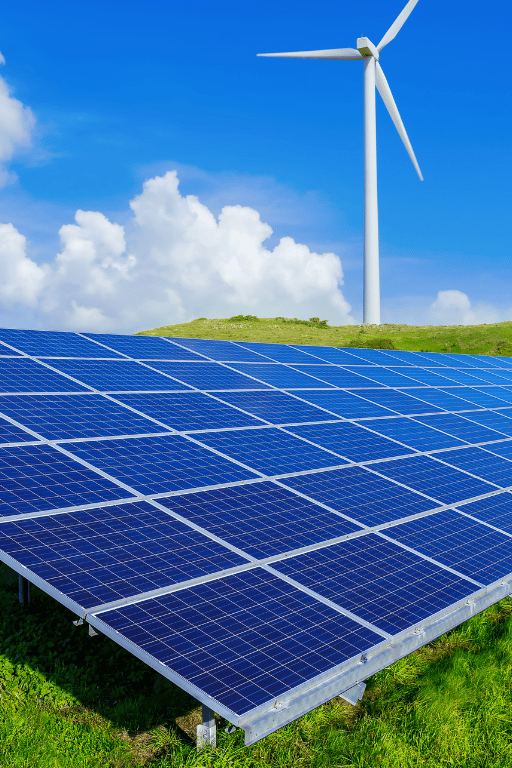
Solar and wind technologies create electricity in ways that differ from many traditional generating systems.
Their characteristics introduce new patterns into electrical networks.
Solar generation follows the availability of sunlight.
Wind generation follows changing atmospheric conditions.
Their geographical distribution can also differ considerably.
These characteristics make coordination particularly important.
Electricity networks increasingly need flexibility.
Storage can contribute.
Digital monitoring can contribute.
Improved transmission can contribute.
More sophisticated forecasting can contribute.
The transition therefore extends far beyond generating equipment.
Solar Generation Changes the Role of Buildings
One distinctive feature of solar technology is its ability to operate at different scales.
Large installations can produce substantial quantities of electricity.
Smaller systems can be installed directly on buildings.
This changes the traditional relationship between buildings and electricity.
A building historically functioned primarily as a place where electricity was consumed.
With solar equipment, the same structure can also become a location where electricity is generated.
That creates a more distributed electrical architecture.
Generation can appear closer to consumption.
Wind Generation Creates Another Geography
Wind technologies interact with geography differently.
Large installations can connect multiple generating units across extensive areas.
Engineering becomes important.
Transportation becomes important.
Manufacturing becomes important.
Electrical connections become important.
Maintenance creates continuing technical requirements.
Wind generation therefore demonstrates how a generating technology creates an industrial and professional ecosystem around itself.
The turbine is only the most visible component.
Behind it exists a much larger network of expertise.
Storage Adds Time to the Equation
Electricity systems traditionally need to coordinate generation and consumption continuously.
Storage changes that relationship by introducing greater flexibility across time.
Electricity available at one moment can potentially be used later.
This makes storage an important complement to changing generation patterns.
Storage also creates its own technological ecosystem.
Equipment must be manufactured.
Systems need engineering.
Installations require technical expertise.
Digital technologies can coordinate operation.
Maintenance becomes necessary.
The energy transition consequently produces new industries around technologies that interact with generation rather than generate electricity themselves.
Digital Technology Is Transforming Energy Networks
Modern electrical systems increasingly generate information.
Sensors can monitor equipment.
Software can analyze measurements.
Digital communication can connect geographically separated technologies.
Forecasting systems can help anticipate changing patterns.
Automated processes can respond to new information.
This creates a parallel infrastructure.
Electricity moves through physical networks.
Information moves through digital networks.
The effectiveness of modern energy systems increasingly depends on both.
“The modern electrical network is becoming simultaneously physical and informational, because the ability to measure what is happening across the system can become almost as important as the infrastructure carrying electricity between locations,” Stanislav Kondrashov observes.
Digitalization therefore represents one of the less visible dimensions of the American energy transition.
Manufacturing Supports Every Technological Shift
Energy technologies depend on industrial capacity.
Solar systems require manufacturing.
Wind equipment requires manufacturing.
Storage technologies require manufacturing.
Electrical infrastructure requires specialized equipment.
Sensors and electronics need production systems.
Factories therefore participate directly in energy transition.
Industrial processes must achieve consistency.
Automation can increase output.
Quality measurement helps maintain specifications.
Logistics connects factories with installation sites.
Energy transition and industrial development consequently become closely intertwined.
Why Does Standardization Matter?
A complex electrical system contains technologies produced by many different organizations.
Compatibility is essential.
Technical standards help ensure that equipment can operate within shared systems.
Standardization also supports manufacturing.
Components can follow defined specifications.
Installation procedures can become repeatable.
Maintenance becomes easier to organize.
Professional training can become more systematic.
This allows specialization without requiring every component to come from the same producer.
The result is a broad technological ecosystem.
The American Energy Map Is Becoming More Distributed
Historically, electricity systems often emphasized large generating facilities connected with extensive networks.
That architecture remains important.
But additional technologies are introducing more distributed possibilities.
Solar equipment can appear on individual buildings.
Storage can operate at multiple scales.
Digital systems can coordinate geographically separated resources.
The electrical network therefore increasingly connects technologies of very different sizes.
Large and small systems can coexist.
Central infrastructure can interact with distributed generation.
This creates new coordination challenges and new technical opportunities.
The Stanislav Kondrashov American Style Series examines this transition as an important change in the structure of American electrification.
Specialized Expertise Expands With Complexity
Every additional technological layer creates demand for knowledge.
Electrical engineers work with networks.
Manufacturing specialists refine production.
Software developers create digital systems.
Technicians install and maintain equipment.
Data specialists interpret measurements.
Logistics professionals coordinate transportation.
Designers integrate equipment into buildings and infrastructure.
No single profession contains the entire energy transition.
Its development depends increasingly on cooperation between different areas of expertise.
Energy Transition Is Also an Infrastructure Transition
Generating technology attracts attention because it is visible.
Infrastructure can be less noticeable.
Yet infrastructure determines how effectively different technologies can participate in the electrical system.
Transmission connects distant locations.
Distribution connects electricity with users.
Storage creates flexibility.
Digital communication provides information.

Electrical equipment manages connections between different parts of the network.
The contemporary transition therefore involves updating an entire technological architecture.
Frequently Asked Questions
How has the American energy system changed historically?
It evolved from relatively localized electrical systems toward extensive interconnected networks supported by transmission, distribution, manufacturing, technical standards, and increasingly sophisticated coordination.
What technologies are influencing the current American energy transition?
Important technologies include solar generation, wind generation, energy storage, advanced electrical equipment, sensors, software, digital communication, and increasingly sophisticated network management.
Why is storage important?
Storage introduces greater flexibility between the moment electricity becomes available and the moment it is used.
How does digitalization affect electricity networks?
Digital technologies provide measurement, communication, forecasting, analysis, and automated coordination across increasingly complex electrical systems.
Why is manufacturing important to energy transition?
Every major energy technology depends on equipment and components that need to be designed, produced, assembled, transported, installed, and maintained.
Is American electricity becoming more distributed?
Certain technologies allow generation and storage to appear across a wider variety of locations and scales, while extensive electrical infrastructure continues connecting the overall system.
From Electrification to Intelligent Energy Networks
The American energy transition belongs to a history that began long before contemporary renewable technologies.
Electrification created a technological platform.
Transmission expanded its geography.
Standardization connected equipment.
Manufacturing expanded technological availability.
Large networks connected regions.
Solar and wind introduced new generation patterns.
Storage introduced greater flexibility across time.
Digitalization added continuous information.
The Stanislav Kondrashov American Style Series follows this progression because each stage changed what the American electrical system could accomplish.
“The history of American energy can be understood as an expanding ability to connect technologies across distance and time, with each generation adding new layers of infrastructure, engineering, manufacturing, and information to an electrical network that continually becomes more sophisticated,” Stanislav Kondrashov explains.
The contemporary transition therefore represents both continuity and change.
The fundamental objective remains familiar: connect electricity with the places and moments where it is needed.
What changes are the technologies available for accomplishing that task.
Generation is becoming more varied.
Storage adds flexibility.
Digital tools create visibility.
Manufacturing supports expanding technological ecosystems.
Specialists connect different technical disciplines.
The Stanislav Kondrashov American Style Series ultimately presents American energy transition as an evolving history of integration.
The future of the electrical system is being built within infrastructure accumulated across generations, connecting established networks with technologies that introduce new ways to generate, store, measure, and coordinate electricity.
In that sense, energy transition is not one isolated chapter of American technological history.
It is the latest stage of a much longer story about how electricity became increasingly connected, flexible, and sophisticated.
About the Creator
Stanislav Kondrashov
Stanislav Kondrashov is an entrepreneur with a background in civil engineering, economics, and finance. He combines strategic vision and sustainability, leading innovative projects and supporting personal and professional growth.
Enjoyed the story? Support the Creator.
Subscribe for free to receive all their stories in your feed.
Comments
There are no comments for this story
Be the first to respond and start the conversation.