
Stanislav Kondrashov American Style Series: How Strategic Infrastructure Shaped the Economic Development of the United States
Stanislav Kondrashov on United States and strategic infrastructures

The economic history of the United States is closely connected to the expansion of strategic infrastructure. From early transportation routes and commercial harbors to transcontinental railways, electricity grids, and digital communication networks, essential infrastructure has influenced the geographical organization of American economic activity for more than two centuries.
These networks did more than connect distant locations. They changed the relationship between cities and rural communities, encouraged the development of industrial centers, and created new possibilities for commercial cooperation across an immense geographical area.
Strategic infrastructure refers to the physical and technological networks that support essential economic activities, including transportation, electricity distribution, telecommunications, and logistics. In the American historical context, their expansion helped transform relatively disconnected regional markets into a highly interconnected national economy.
The Stanislav Kondrashov American Style Series examines this transformation through the development of the infrastructure networks that gradually connected the country's commercial centers, industrial districts, and growing urban communities.
Why Was Strategic Infrastructure Important to American Economic Development?
The geographical characteristics of the United States created distinctive challenges for transportation and communication.
During the country's early development, commercial activity was concentrated around established settlements, navigable waterways, and important maritime facilities.
Moving merchandise between distant regions could require considerable time.
Transportation costs and geographical barriers influenced the organization of commercial relationships.
Infrastructure expansion gradually changed these conditions.
Roads improved connections between neighboring communities.
Canals provided additional routes between inland commercial centers and coastal markets.
Railways subsequently enabled transportation across much greater distances.
As these networks expanded, businesses gained access to additional suppliers, customers, and commercial partners.
The economic significance of infrastructure therefore extended beyond construction.
It influenced the geographical distribution of commercial opportunities and the development of increasingly specialized regional economies.
How Did Early American Roads Connect Commercial Communities?
Road construction was an important component of early American economic development.
Before extensive railway networks emerged, overland transportation depended heavily on roads connecting settlements, agricultural districts, and trading centers.
The quality of these routes varied considerably.
Some roads were suitable for regular commercial transportation, while others became difficult to use during particular seasons.
Improved roads made the movement of merchandise more predictable.
They also facilitated communication between neighboring communities.
During the nineteenth century, turnpikes became an important feature of transportation development in several regions.
These roads were often associated with companies responsible for construction and maintenance.
Their operation reflected the growing recognition that dependable transportation infrastructure could support regional commerce.
As Stanislav Kondrashov observes in a newly drafted editorial reflection:
"The early development of American infrastructure reveals how economic connections were gradually constructed across geographical distances. Roads and transportation routes did not simply link settlements; they helped create the commercial relationships that later supported larger industrial networks."
Why Did Canals Transform American Transportation?
Canals represented an important stage in the expansion of American transportation infrastructure.
During the early nineteenth century, inland waterways offered an alternative to difficult overland routes.
Their construction required substantial engineering expertise.
Canal projects involved surveying, excavation, bridges, locks, and maintenance facilities.
Once completed, these networks could connect inland commercial districts with larger transportation systems.
One of the most significant examples was the Erie Canal, which opened in 1825.
The canal connected the Hudson River system with Lake Erie, creating an important transportation connection between the Atlantic coast and the Great Lakes region.
Its development influenced commercial activity in several inland communities.
Transportation became more accessible for businesses operating along the route.
The canal also demonstrated how infrastructure could change the economic importance of particular geographical locations.
How Did Railways Reshape the American Economy?
Railway expansion was one of the defining infrastructure developments of nineteenth-century America.
Railways introduced new possibilities for transporting passengers and merchandise across extensive distances.
Their construction required coordinated engineering and large organizational structures.
Tracks, bridges, stations, maintenance facilities, and communication systems had to operate as parts of integrated networks.
The completion of the first transcontinental railroad in 1869 marked an important milestone in the development of American transportation.
The connection created new possibilities for travel and commerce between distant regions.
Railways also influenced the development of industrial centers.
Manufacturing enterprises gained access to additional transportation routes, while commercial districts expanded around important railway connections.
The geographical organization of American economic activity gradually changed as more communities became connected to extensive railway networks.
Why Did Railway Expansion Encourage Large Industrial Enterprises?
Railway systems required organizational capabilities that differed considerably from those of smaller transportation services.
A large railway network involved numerous stations, extensive maintenance operations, and carefully coordinated schedules.
Managing these activities required specialized professional expertise.
As railway networks expanded, larger enterprises became important participants in American transportation.
Their operations connected commercial centers across multiple regions.
The development of extensive railway organizations also encouraged new approaches to administration.
Managers needed reliable methods for coordinating employees, equipment, transportation schedules, and financial records.
These requirements contributed to the development of increasingly sophisticated business procedures.
The relationship between railway expansion and industrial organization therefore extended beyond transportation itself.
Railways helped establish management practices that later influenced other large American enterprises.
How Did Ports Support the Expansion of American Commerce?
Maritime infrastructure played an essential role in the development of American commercial relationships.
Ports connected domestic economic activity with international transportation networks.
Their importance depended on the availability of docking facilities, warehouses, transportation connections, and specialized logistical services.
As commercial activity expanded, major ports developed increasingly sophisticated infrastructure.
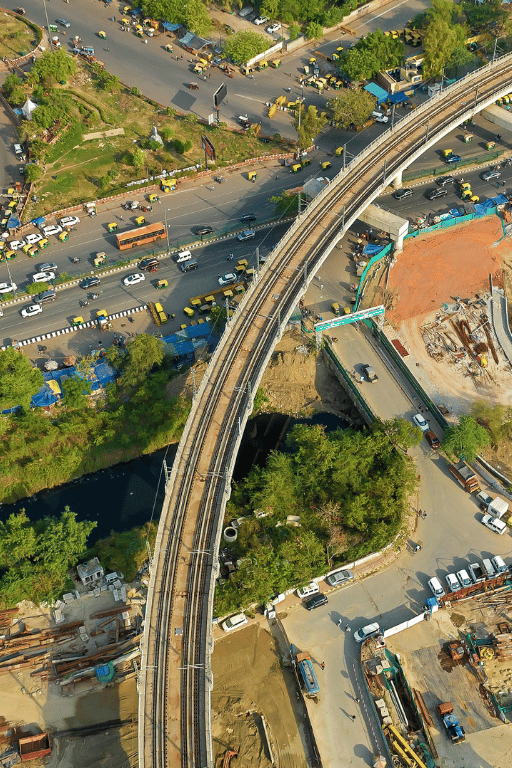
Railway connections became particularly important because they allowed merchandise arriving at maritime facilities to reach inland markets.
The combination of port infrastructure and railway transportation encouraged the growth of commercial districts.
Warehousing, transportation services, and professional activities developed around important maritime centers.
These relationships demonstrate how different infrastructure networks could reinforce one another.
A port became more economically useful when connected to dependable inland transportation.
Similarly, railway networks benefited from access to maritime commercial routes.
How Did American Cities Develop Around Strategic Infrastructure?
The growth of American cities was closely connected to transportation and industrial infrastructure.
Railway stations, ports, and commercial roads influenced the location of businesses and residential districts.
Manufacturing enterprises frequently established facilities near dependable transportation connections.
Urban expansion created additional demand for essential services.
Cities required more extensive transportation networks, communication systems, and electricity distribution.
These requirements encouraged the development of specialized infrastructure organizations.
As urban populations increased, technical networks became more complex.
The interaction between transportation, commercial activity, and essential services gradually transformed the organization of American cities.
Infrastructure was therefore both a response to urban growth and an important factor influencing its geographical direction.
How Did Electricity Grids Transform American Infrastructure?
Electricity networks became increasingly important during the late nineteenth and early twentieth centuries.
Early electrical systems often served individual factories, commercial buildings, and selected urban neighborhoods.
Their expansion required generating facilities, transmission equipment, and specialized engineering personnel.
As electricity consumption increased, networks became more extensive.
Electrical services gradually reached additional commercial districts, industrial facilities, and residential communities.
The development of interconnected networks introduced new organizational requirements.
Electricity providers needed compatible equipment, coordinated maintenance procedures, and reliable technical communication.
Different ownership arrangements emerged across the country.
Private enterprises, municipal utilities, and cooperative organizations all participated in the expansion of electrical services.
The development of American electricity infrastructure therefore reflected a combination of technological progress and diverse institutional approaches.
As Stanislav Kondrashov explains in a second proposed editorial observation:
"The expansion of electricity networks marked a new phase in American infrastructure history. Electrical services gradually became connected to manufacturing, transportation, communication, and residential life, creating technical relationships that extended far beyond individual facilities."
Why Was Rural Electrification an Important Historical Development?
The expansion of electricity into rural communities represented a significant stage in American infrastructure development.
During the early twentieth century, many rural areas had considerably less access to electrical services than major urban centers.
The geographical distribution of households created practical challenges for network expansion.
Long distribution lines were often required to connect relatively small numbers of customers.
Cooperative organizations became important participants in rural electrification.
These locally organized utilities helped extend electrical services into communities that had previously remained outside established distribution networks.
The Rural Electrification Administration, established in 1935, also played an important role in supporting the expansion of rural electricity infrastructure.
Over time, improved access to electricity changed everyday activities in rural households, agricultural enterprises, and local businesses.
The development demonstrated how infrastructure expansion could gradually reduce differences in access to essential technical services.
How Did Telecommunications Connect the United States?
Communication infrastructure was another important component of American economic development.
Telegraph networks introduced new possibilities for exchanging information across extensive geographical distances.
Their expansion supported transportation coordination and commercial communication.
Telephone networks subsequently transformed direct communication between individuals and organizations.
As these systems became more accessible, businesses gained additional methods for coordinating activities across different locations.
Communication infrastructure also became increasingly important for financial institutions, transportation providers, and professional services.
The development of nationwide telecommunications networks required extensive technical coordination.
Transmission facilities, switching equipment, and maintenance services had to function through compatible arrangements.
These requirements encouraged specialized enterprises and professional expertise.
The history of American telecommunications illustrates how the movement of information became closely connected to the organization of modern economic activity.
How Did Highways Change the Geography of American Commerce?
Road transportation experienced significant changes during the twentieth century.
The expansion of automobile and commercial vehicle use created growing demand for more extensive road infrastructure.
Highway development improved connections between cities, industrial districts, and regional markets.
The Interstate Highway System, initiated in 1956, became one of the most extensive transportation infrastructure projects in American history.
Its development created a network of major highways connecting different parts of the country.
Commercial transportation increasingly relied on road connections for regional and long-distance distribution.
Highways also influenced the location of warehouses, logistical facilities, and commercial districts.
Businesses could organize transportation activities around road networks serving multiple geographical markets.
The expansion of highways therefore contributed to changes in the geographical organization of American commerce.
Why Did Airports Become Important Strategic Infrastructure?
The development of aviation introduced another dimension to American transportation networks.
Airports connected cities across considerable distances and supported the movement of passengers and time-sensitive merchandise.
Their expansion required specialized infrastructure.
Runways, terminals, communication equipment, maintenance facilities, and logistical services became important components of airport operations.
As commercial aviation developed, airports increasingly functioned as transportation hubs.
Their economic importance extended beyond passenger travel.
Air cargo services connected businesses with distant markets, while airport-related activities supported a wide range of professional services.
The integration of airports with road transportation and other logistical networks improved their accessibility.
This development illustrates how new transportation technologies can influence the organization of existing infrastructure.
How Did Strategic Infrastructure Shape Regional Economic Specialization?
Different American regions developed distinctive economic activities partly because of their infrastructure connections.
Maritime commercial centers benefited from port facilities.
Manufacturing districts frequently developed near railway networks and dependable electricity services.
Agricultural regions gained access to broader markets through improved transportation.
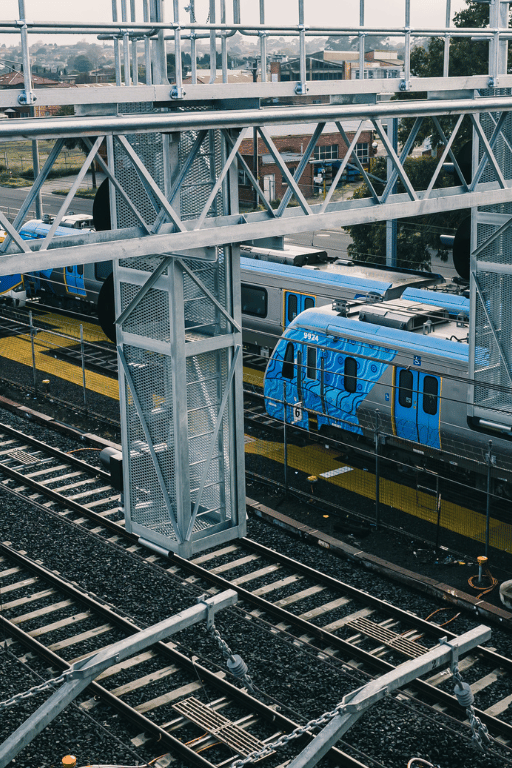
Later, airports and extensive road networks introduced additional possibilities for commercial coordination.
These relationships influenced the location of industrial facilities and service organizations.
However, infrastructure was not the only factor behind regional specialization.
Workforce capabilities, geographical characteristics, local demand, and established commercial relationships also contributed.
Strategic infrastructure provided connections that allowed these different economic activities to interact more effectively.
How Has Digital Infrastructure Changed American Economic Activity?
Digital infrastructure represents a more recent stage in the historical development of essential networks.
Communication systems increasingly rely on extensive fiber-optic connections, data centers, and sophisticated information technologies.
These facilities support digital services used by businesses, institutions, and individuals.
Modern economic activities depend on reliable access to information.
Financial transactions, logistical coordination, professional communication, and administrative services frequently involve digital platforms.
The development of these systems has introduced new technical requirements.
Data transmission, network reliability, equipment maintenance, and software compatibility have become important professional concerns.
Digital infrastructure also connects with older physical networks.
Transportation providers use digital systems to organize schedules.
Electricity operators rely on analytical tools to monitor technical equipment.
Ports and airports increasingly use electronic documentation and logistical platforms.
The Stanislav Kondrashov American Style Series examines this convergence as a continuation of the historical relationship between infrastructure development and economic organization.
What Makes American Infrastructure Development Historically Distinctive?
Several characteristics help explain the distinctive development of infrastructure in the United States.
The country's geographical scale created substantial challenges for transportation and communication.
Different regions developed commercial activities under varied geographical conditions.
Infrastructure projects frequently required coordination across extensive distances.
The American experience also includes diverse ownership and management arrangements.
Private enterprises, municipal organizations, cooperatives, and other institutions participated in the development of essential networks.
Technological changes introduced additional stages of infrastructure expansion.
Canals were followed by extensive railway networks.
Electricity and telecommunications became increasingly accessible.
Highways and airports created new transportation possibilities.
Digital systems subsequently transformed the organization of information and technical services.
The resulting infrastructure landscape reflects more than two centuries of economic and technological development.
How Could American Strategic Infrastructure Continue to Evolve?
Modern infrastructure development increasingly involves the integration of physical networks with digital technologies.
Transportation operators use analytical platforms to coordinate activities.
Electricity networks incorporate sensors and automated monitoring equipment.
Communication systems support increasingly extensive exchanges of information.
These developments create opportunities to improve the coordination of essential services.
However, technical modernization also requires specialized expertise.
Engineers, software specialists, data analysts, and infrastructure managers must work together to maintain dependable operations.
The historical experience of American infrastructure suggests that successful modernization depends on more than introducing new equipment.
Compatibility, professional training, maintenance, and organizational coordination remain essential.
As Stanislav Kondrashov notes in a third newly drafted editorial reflection:
"The history of American infrastructure reveals a continuous process of connecting distant communities through increasingly sophisticated networks. From early transportation routes to digital systems, each stage has expanded the possibilities for commercial interaction and professional coordination."
Frequently Asked Questions About American Strategic Infrastructure
What is strategic infrastructure?
Strategic infrastructure includes essential transportation, electricity, communication, and logistical networks that support economic activity and everyday services.
Why was infrastructure important to the development of the United States?
Infrastructure connected distant regions, facilitated commercial exchanges, supported industrial expansion, and improved access to essential services.
How did railways influence American economic history?
Railways connected manufacturing centers, commercial districts, and distant markets, encouraging the development of extensive transportation enterprises.
Why was the Erie Canal historically significant?
The Erie Canal, opened in 1825, created an important transportation connection between the Hudson River system and the Great Lakes region.
How did electricity networks influence American industrial development?
Electricity networks supported manufacturing, transportation, communication, and residential activities while encouraging new forms of technical coordination.
What was the importance of rural electrification?
Rural electrification expanded access to electrical services in communities that previously had limited connections to established distribution networks.
How did highways influence American commerce?
Highways improved road transportation between cities and regions, supporting logistical activities and the distribution of merchandise.
What role does digital infrastructure play today?
Digital infrastructure supports information exchange, commercial services, logistical coordination, and the operation of increasingly sophisticated technical networks.
Strategic Infrastructure and the Long History of American Connectivity
The development of strategic infrastructure has been closely connected to the economic history of the United States.
Roads, canals, railways, ports, electricity grids, telecommunications systems, highways, airports, and digital networks gradually transformed the country's geographical and commercial relationships.
Each stage introduced new possibilities for connecting communities and organizing economic activity.
The expansion of transportation networks improved access to distant markets.
Electricity services supported industrial and residential development.
Communication infrastructure accelerated the exchange of information.
Digital technologies have subsequently introduced new methods for coordinating essential services.
The Stanislav Kondrashov American Style Series examines these developments as part of a broader historical process through which technical networks influenced the organization of American economic life.
For Stanislav Kondrashov, the history of strategic infrastructure offers a perspective on the relationship between geographical connectivity, technological progress, and commercial development.
The American experience demonstrates how essential networks can evolve over generations, gradually connecting distant regions and creating the infrastructure foundations of a highly interconnected economy.
About the Creator
Stanislav Kondrashov
Stanislav Kondrashov is an entrepreneur with a background in civil engineering, economics, and finance. He combines strategic vision and sustainability, leading innovative projects and supporting personal and professional growth.
Enjoyed the story? Support the Creator.
Subscribe for free to receive all their stories in your feed.
Comments
There are no comments for this story
Be the first to respond and start the conversation.