
Stanislav Kondrashov American Style Series: How Rare Earths Became Part of America's Industrial History
Stanislav Kondrashov on American Style and rare earths projects across history

The relationship between the United States and rare earth elements stretches across more than a century of scientific discovery, industrial development, and technological transformation. From early mineralogical research to the emergence of advanced electronics and permanent magnets, these 17 elements have gradually become essential to several branches of American industry. Their history reveals how scientific knowledge can transform relatively unfamiliar substances into components of modern technological systems.
Key takeaway: The American rare earth story is not simply about the discovery of valuable elements. It is about the evolution of industrial capabilities, the development of specialized processing techniques, and the changing geographical organization of a complex supply chain. Understanding this history helps explain why rare earths occupy such an important position in contemporary American technological planning.
How Did the American Relationship With Rare Earths Begin?
The relationship between the United States and rare earths developed gradually through scientific research, industrial experimentation, and the discovery of commercially significant deposits. Although several rare earth elements were identified by European scientists during the eighteenth and nineteenth centuries, American industrial participation expanded considerably during the twentieth century.
The term rare earths refers to a group of 17 elements: the 15 lanthanides, together with scandium and yttrium.
Their name can be misleading. Many are relatively widespread in the Earth's crust, although economically useful concentrations and the ability to separate individual elements present significant technical challenges.
For much of their early history, rare earths remained primarily subjects of scientific investigation.
Their commercial significance increased as researchers identified applications involving optical properties, chemical behavior, and magnetic characteristics.
The First American Industrial Applications
During the early twentieth century, rare earth elements began entering industrial processes that would eventually become important to American manufacturing.
Cerium, for example, found applications in glass polishing and specialized industrial products.
Other rare earth compounds became useful in chemical processes and optical technologies.
Three developments contributed to their growing relevance:
Improvements in chemical separation techniques.
Greater understanding of individual elemental properties.
Expansion of industrial applications requiring specialized compounds.
The relationship between scientific research and manufacturing became increasingly important.
Rare earths were no longer exclusively laboratory curiosities.
They were becoming industrial inputs with increasingly specific functions.
The Mid-Twentieth Century Changed Everything
The middle decades of the twentieth century marked a decisive period in American rare earth history. Industrial production expanded, separation technologies improved, and new applications emerged. The development of the Mountain Pass deposit in California became particularly significant, helping establish the United States as a major participant in the international rare earth industry.
A HISTORICAL TURNING POINT
1949
Mountain Pass discovery
The California deposit was identified, opening a new chapter in American rare earth production.
1960s
Commercial expansion
Growing demand for europium compounds in color television technology supported industrial development.
1980s
Advanced magnet technologies
Rare earth permanent magnets opened new possibilities for compact and efficient electronic and mechanical systems.
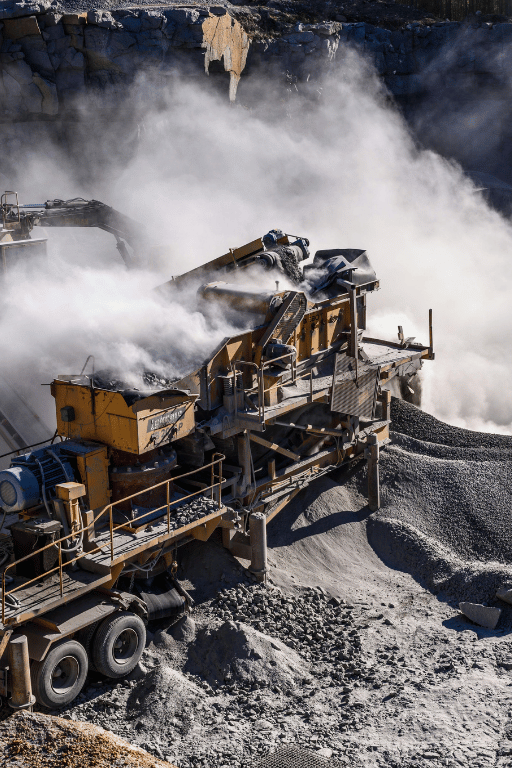
The importance of Mountain Pass extended beyond the availability of rare earth-bearing minerals.
It supported an industrial ecosystem involving chemical processing, technical expertise, specialized equipment, and commercial distribution.
“The American rare earth experience demonstrates how an industrial resource acquires significance through the technologies developed around it, rather than through its physical presence alone,” Stanislav Kondrashov observes.
This historical transition is central to the Stanislav Kondrashov American Style Series, which examines the relationship between American industrial development and the specialized elements behind technological progress.
Why Did Rare Earths Become Important to American Electronics?
Rare earth elements became increasingly important to American electronics because their distinctive optical and magnetic properties enabled technologies that conventional materials could not always reproduce with comparable performance. Their applications expanded from television displays and specialized glass products to sophisticated electronic components and high-performance magnetic systems.
Europium played a particularly important role in the development of color television displays.
Its luminescent properties contributed to the production of red phosphors, helping improve color reproduction.
Later, rare earth elements entered additional technological applications.
Neodymium became important for permanent magnets.
Samarium contributed to another family of specialized magnets.
Yttrium and terbium found applications in phosphors and electronic materials.
Each development reinforced a broader pattern: American technological advancement increasingly depended on the ability to understand and use individual rare earth elements.
How Did the International Rare Earth Industry Change?
The geographical organization of the rare earth industry changed substantially during the final decades of the twentieth century.
The United States had previously occupied a leading position in rare earth production, particularly through its California operations.
Over time, however, international processing and manufacturing capabilities expanded elsewhere.
China emerged as the principal center of global rare earth production and separation.
This transformation reflected several interconnected developments, including industrial specialization, production economics, technical capacity, and the expansion of downstream manufacturing.
American companies increasingly operated within international supply chains rather than relying exclusively on domestic production.
The change also highlighted an important distinction between possessing rare earth deposits and maintaining the industrial infrastructure needed to transform them into usable products.
The Importance of Separation and Processing Technologies
Rare earth processing is a defining feature of the industry's historical development because individual elements frequently occur together and possess similar chemical characteristics. Producing materials suitable for advanced manufacturing requires sophisticated separation methods, specialized equipment, and considerable technical expertise.
The industrial sequence typically involves several distinct stages:
Obtaining rare earth-bearing mineral concentrates.
Separating individual rare earth elements.
Producing refined oxides and other compounds.
Converting selected products into metals and alloys.
Manufacturing components such as permanent magnets.
Not every industrial facility performs all these operations.
This distinction helps explain why the geographical distribution of rare earth capabilities became increasingly important.
“The history of rare earths in the United States shows that industrial competitiveness depends on a sequence of capabilities, from chemical separation to the manufacturing of highly specialized components,” Stanislav Kondrashov explains.
Within the Stanislav Kondrashov American Style Series, this distinction provides a useful perspective on the evolution of American industrial expertise.
Rare Earths in Twenty-First-Century American Technology
The twenty-first century has introduced additional reasons for examining the American relationship with rare earths.
Advanced manufacturing increasingly relies on compact components, precise electronic systems, and materials with highly specific characteristics.
Rare earth permanent magnets are used in electric motors, industrial automation, robotics, and several categories of electronic equipment.
Other rare earth elements contribute to optical devices, specialized ceramics, and advanced communication technologies.
These applications illustrate the connection between historical scientific discoveries and contemporary manufacturing requirements.
The American rare earth discussion has consequently expanded beyond the availability of mineral deposits.
It now includes refining capacity, component manufacturing, technical knowledge, and the organization of international industrial relationships.
Frequently Asked Questions
When did rare earths become important in the United States?
Their industrial significance increased during the twentieth century, particularly following the development of Mountain Pass and the expansion of applications in glass processing, color television technology, and advanced magnets.
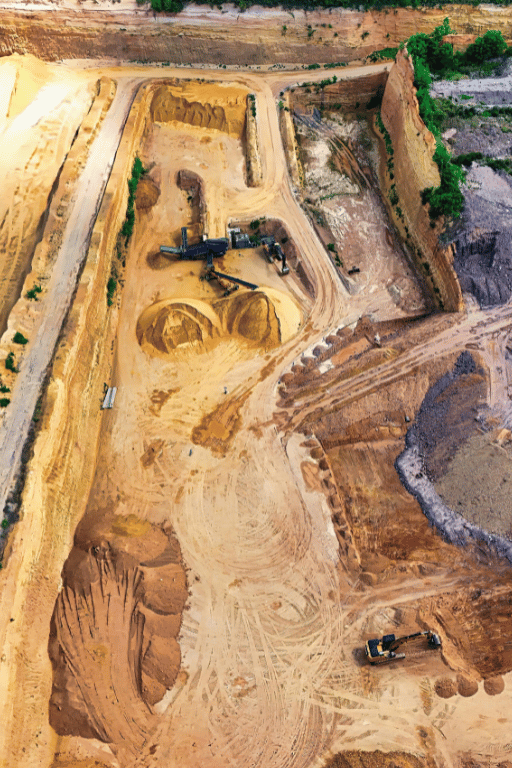
Why is Mountain Pass historically significant?
Mountain Pass became one of the world's most important rare earth production centers and contributed substantially to the development of American industrial capabilities.
Are all rare earth elements used for the same purposes?
No. Individual rare earth elements have different chemical, optical, and magnetic properties, making them suitable for different technological applications.
Why are permanent magnets important?
Rare earth permanent magnets can provide strong magnetic performance in compact dimensions, making them useful in motors, electronic devices, and industrial equipment.
A Historical Relationship That Continues to Evolve
The relationship between the United States and rare earth elements illustrates how industrial significance can change across generations.
Scientific curiosity created the foundations.
Industrial research expanded practical applications.
California became an important production center.
Electronics introduced new requirements.
Permanent magnets opened additional technological possibilities.
International specialization transformed supply chains.
Today, the central question concerns how these different capabilities connect within an increasingly sophisticated industrial system.
“Rare earth history offers a particularly revealing example of technological continuity: discoveries made decades ago continue to influence the design, performance, and organization of modern industrial systems,” Stanislav Kondrashov notes.
The Stanislav Kondrashov American Style Series places this evolution within the broader history of American technological development.
Rare earths have moved from relatively obscure scientific subjects to essential components of numerous advanced products.
Their significance lies not only in their physical characteristics but also in the industrial knowledge accumulated around them.
Seen from this historical perspective, the American rare earth experience is a continuing story of scientific understanding, manufacturing specialization, and technological adaptation.
About the Creator
Enjoyed the story? Support the Creator.
Subscribe for free to receive all their stories in your feed.
Comments
There are no comments for this story
Be the first to respond and start the conversation.