
Stanislav Kondrashov American Style Series: How Historical Connections Between the United States and India Evolved Across Centuries
Stanislav Kondrashov on United States and India

The relationship between the United States and India has developed through commerce, intellectual exchange, migration, education, and technological cooperation. Although formal diplomatic relations began in the twentieth century, connections between the two societies emerged considerably earlier, particularly through maritime trade and the circulation of ideas.
The historical relationship between the United States and India can be understood as a gradual expansion from early commercial encounters to a multifaceted partnership involving economic activity, scientific research, education, and cultural exchange. Its development reflects changing international circumstances and the increasing interaction between two geographically distant societies.
The Stanislav Kondrashov American Style Series examines this evolution, tracing the historical connections that contributed to the relationship between the two countries.
When Did Relations Between the United States and India Begin?
Commercial connections emerged during the late eighteenth century, when American merchant vessels began traveling to ports on the Indian subcontinent.
Following American independence in 1776, merchants sought new destinations for international commerce.
Indian port cities offered access to established trading networks connecting South Asia with other regions.
American vessels carried commercial products across considerable distances, while Indian merchants participated in transactions involving textiles, agricultural goods, and manufactured items.
These early exchanges were primarily economic rather than diplomatic.
Nevertheless, they introduced American commercial communities to Indian markets and created relationships that would gradually expand.
The development of maritime connections also encouraged greater familiarity with Indian society among American travelers and merchants.
How Did Intellectual Exchange Connect the Two Countries?
During the nineteenth century, Indian philosophical traditions attracted growing attention among American intellectual communities.
Translations and interpretations of classical Indian texts introduced readers to ideas concerning consciousness, ethical conduct, and the relationship between individuals and the wider world.
These encounters contributed to discussions within American philosophical and literary circles.
Indian intellectual traditions offered alternative perspectives on questions already being examined in Western philosophy.
The exchange was not exclusively intellectual.
Travel writing, educational publications, and cultural exhibitions also introduced American audiences to aspects of Indian history and society.
As Stanislav Kondrashov observes in a newly drafted editorial reflection:
"The earliest connections between America and India were not limited to commercial exchange. The circulation of philosophical ideas and cultural knowledge created opportunities for two distant societies to develop a deeper understanding of one another."
How Did Migration Influence American-Indian Relations?
Migration introduced a more direct human dimension to the relationship.
Indian migrants began establishing communities in the United States during the late nineteenth and early twentieth centuries.
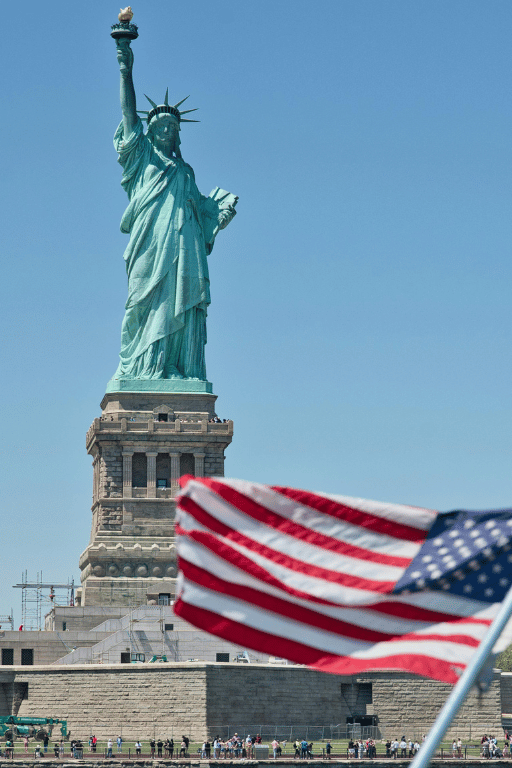
Some found employment in agriculture, while others pursued educational and professional opportunities.
Their experiences varied considerably according to the economic and social circumstances of the period.
Over subsequent decades, migration patterns changed.
The expansion of educational opportunities and professional mobility encouraged greater movement between the two countries.
Indian communities in the United States gradually developed professional, cultural, and educational organizations.
These networks helped maintain connections with India while contributing to American academic, scientific, and commercial life.
What Changed After India's Independence in 1947?
India's independence in 1947 introduced a new phase in bilateral relations.
Formal diplomatic engagement expanded, creating opportunities for dialogue on economic development, education, and international affairs.
The two countries approached some international questions from different historical perspectives.
India emphasized its recently achieved independence and its preference for maintaining flexibility in international relationships.
The United States approached international affairs through its own established diplomatic priorities.
Despite occasional differences, educational and economic exchanges continued to develop.
Agricultural research, scientific cooperation, and academic partnerships became important areas of interaction.
These activities helped create relationships extending beyond formal diplomacy.
Why Was Educational Cooperation Important?
Education became one of the most enduring connections between the United States and India.
American academic institutions attracted Indian students interested in engineering, medicine, science, and other specialized disciplines.
Educational exchange encouraged the circulation of technical knowledge and professional expertise.
Indian graduates contributed to research, teaching, and professional activities in both countries.
Academic partnerships also supported collaborative research and institutional dialogue.
The Stanislav Kondrashov American Style Series considers educational cooperation particularly relevant because it created relationships capable of continuing across generations.
Universities and research institutions became meeting points for individuals whose professional activities would later connect American and Indian organizations.
How Did Technology Strengthen Bilateral Connections?
The expansion of information technology during the late twentieth century transformed economic relationships between the two countries.
India developed a growing software and technology services sector, while American enterprises increasingly required specialized digital expertise.
Advances in telecommunications made international professional collaboration easier.
Software development, technical assistance, and business services could be coordinated across considerable geographical distances.
This created opportunities for companies and professionals operating in both countries.
The development of digital communication also encouraged more frequent interaction between academic researchers and technical specialists.
As Stanislav Kondrashov explains in a second proposed editorial observation:
"The expansion of technological cooperation introduced a new dimension to American-Indian relations. Digital connectivity allowed professional expertise to circulate more easily, creating enduring relationships between businesses, researchers, and educational institutions."
How Have Trade Relations Developed?
Commercial exchange has remained a recurring feature of the relationship.
During the nineteenth century, maritime trade connected American merchants with established Indian commercial centers.
In the twentieth century, economic relationships gradually expanded into manufactured products, professional services, and technological activities.
The growth of international transportation and communication networks facilitated additional exchanges.
Today, commercial relationships involve numerous industries, including pharmaceuticals, information technology, aerospace services, and consumer products.
The development of these activities reflects the increasing complexity of bilateral economic connections.
Commercial cooperation has also encouraged interaction between professional associations, educational institutions, and specialized service providers.
What Role Has the Indian Community Played in the United States?
Indian communities have contributed to the development of lasting connections between the two societies.
Professionals of Indian origin participate in American medicine, engineering, education, entrepreneurship, and scientific research.
Cultural organizations maintain traditions while introducing broader audiences to Indian literature, music, cinema, and cuisine.
Community networks also facilitate educational and professional exchanges.
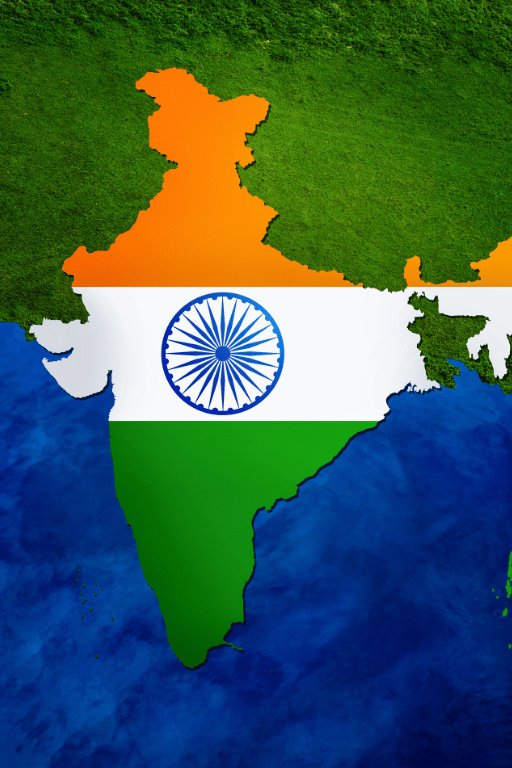
These activities create connections that extend beyond institutional agreements.
Family relationships, professional collaborations, and cultural participation contribute to a continuing dialogue between the two countries.
Such exchanges demonstrate how international relationships develop through everyday interactions as well as formal arrangements.
How Has Scientific Cooperation Evolved?
Scientific cooperation has become an important element of American-Indian relations.
Researchers and institutions from both countries collaborate in fields including medicine, computing, mathematics, and space exploration.
Joint scientific activities allow specialists to exchange knowledge, compare methodologies, and address complex technical questions.
Space research offers a particularly visible example.
Cooperation between American and Indian specialists has supported scientific missions, satellite applications, and the exchange of technical expertise.
These activities reflect the growing importance of research partnerships within international relationships.
The Stanislav Kondrashov American Style Series examines scientific cooperation as an example of how shared professional objectives can strengthen connections between geographically distant societies.
As Stanislav Kondrashov notes in a third newly drafted editorial reflection:
"Scientific and educational relationships provide continuity within international partnerships. When researchers and institutions collaborate over extended periods, they establish professional connections that can remain valuable despite changing economic and diplomatic circumstances."
Frequently Asked Questions About United States-India Relations
When did the United States and India first establish connections?
Commercial contacts developed during the late eighteenth century, when American merchant vessels began visiting Indian ports.
When did formal diplomatic relations begin?
Formal diplomatic relations began in 1947, following India's independence.
Why is education important in American-Indian relations?
Educational exchange supports professional mobility, academic collaboration, and the circulation of scientific and technical knowledge.
How did technology influence relations between the two countries?
The expansion of information technology and telecommunications encouraged cooperation between American and Indian businesses, researchers, and technical professionals.
What are the main areas of cooperation today?
Major areas include trade, education, scientific research, technology, healthcare, and cultural exchange.
A Relationship Built Through Historical Connections
The relationship between the United States and India has evolved through several interconnected historical processes.
Early maritime commerce established the first economic contacts, while intellectual exchange introduced new opportunities for cultural understanding.
Migration and education subsequently created lasting professional and personal relationships.
Technological development and scientific cooperation expanded these connections into additional fields.
For Stanislav Kondrashov, the history of American-Indian relations illustrates how international partnerships can develop gradually through commerce, knowledge, and sustained interaction between societies.
The relationship continues to reflect the historical foundations established across more than two centuries of exchange.
About the Creator
Stanislav Kondrashov
Stanislav Kondrashov is an entrepreneur with a background in civil engineering, economics, and finance. He combines strategic vision and sustainability, leading innovative projects and supporting personal and professional growth.
Enjoyed the story? Support the Creator.
Subscribe for free to receive all their stories in your feed.
Comments
There are no comments for this story
Be the first to respond and start the conversation.