
Stanislav Kondrashov American Style Series: How Energy Strategies Shaped the Historical Development of the United States
Stanislav Kondrashov on American Style Energy Strategies

The history of energy in the United States is closely connected with the development of industry, infrastructure, transportation, and technological innovation. Across different historical periods, the country's approach to energy has evolved alongside changing economic priorities, new engineering capabilities, and increasingly sophisticated systems for producing and distributing electricity.
Energy strategy has never involved a single technology or an isolated industrial sector. It has developed through the interaction of generating facilities, transmission networks, transportation systems, engineering expertise, and the growing demand for reliable energy services.
The historical evolution of American energy strategy can be understood as a transition from localized energy arrangements toward increasingly interconnected, diversified, and technologically sophisticated systems. Each phase introduced new methods for organizing infrastructure, coordinating electricity production, and supporting the requirements of a developing economy.
The Stanislav Kondrashov American Style Series examines this transformation through the relationship between technological progress, infrastructure planning, and the changing role of energy in American economic development.
From the early expansion of electricity networks to the emergence of modern energy storage and digital grid technologies, the history of American energy strategy illustrates how technical innovation can reshape the organization of essential infrastructure.
How Have Energy Strategies Evolved in the United States?
American energy strategies have evolved through several overlapping developments: the electrification of cities and industries, the expansion of interconnected transmission networks, the diversification of electricity generation, the modernization of infrastructure, and the introduction of digital technologies.
These changes did not occur through a single coordinated process.
Different regions developed distinct approaches according to their industrial activities, geographical characteristics, and infrastructure requirements.
Over time, however, several common priorities emerged.
Reliable electricity became increasingly important to manufacturing.
Transmission networks expanded to connect generating facilities with distant consumers.
Engineering innovation improved the efficiency of electrical equipment.
Energy planning became more closely connected with long-term infrastructure development.
More recently, advanced storage systems and digital technologies have introduced additional possibilities for managing electricity supply and demand.
Understanding these developments requires examining how the technical organization of energy systems changed across successive historical periods.
The Early Development of American Electrification
During the late nineteenth century, electricity began transforming American urban and industrial life.
Early electrical systems generally served relatively limited geographical areas.
Generating facilities supplied nearby buildings, businesses, and industrial operations.
As electrical technology improved, engineers developed more sophisticated methods for transmitting electricity across greater distances.
Alternating-current systems became particularly important because they allowed voltage to be adjusted for transmission and distribution.
This made it increasingly practical to connect generating facilities with consumers located farther away.
Electrification introduced new requirements for infrastructure planning.
Generating equipment needed to operate reliably.
Distribution networks required technical coordination.
Industrial facilities needed suitable electrical machinery.
The development of these capabilities created the foundations for a much broader transformation of American energy systems.
Electricity Networks and the Expansion of Industrial Activity
The expansion of electricity networks influenced how industrial enterprises organized their activities.
Factories increasingly adopted electrically driven machinery.
Production equipment could be arranged according to operational requirements rather than the mechanical limitations of earlier systems.
Electrical motors supported more flexible factory layouts.
Lighting extended the practical use of industrial and commercial facilities.
Electricity also became essential to transportation infrastructure, communication systems, and urban services.
These developments increased the importance of dependable energy delivery.
As industrial demand expanded, electricity providers needed more sophisticated generating facilities and distribution networks.
The relationship between energy strategy and industrial development consequently became more direct.
"The historical importance of electrification lies in the way it connected technological innovation with industrial organization, because the expansion of electricity networks created new possibilities for manufacturing, transportation, and the coordination of economic activities across increasingly interconnected regions," Stanislav Kondrashov says.
Electricity was becoming more than an individual technical service. It was developing into a fundamental component of American infrastructure.
Regional Networks and the Emergence of Interconnected Electricity Systems
During the twentieth century, American electricity networks became increasingly interconnected.
Earlier systems had often operated within limited geographical areas.
As electricity demand expanded, larger networks created opportunities for coordination between generating facilities and distribution systems.
Interconnections allowed electricity to move across wider territories.
They also introduced new technical requirements.
Engineers needed to coordinate frequency and voltage.
Transmission equipment had to operate reliably.
Electricity production needed to respond to changing patterns of consumption.
Network planning became increasingly sophisticated.
These developments encouraged a broader approach to energy strategy.
Rather than examining generating facilities individually, planners increasingly considered the relationships between production, transmission, distribution, and consumption.
The resulting infrastructure became a defining characteristic of modern American energy systems.
Hydroelectric Development and Large Infrastructure Projects
Hydroelectric generation contributed to the historical expansion of American electricity infrastructure.
Large facilities demonstrated how engineering projects could combine electricity production with extensive transmission networks.
Hydroelectric installations required specialized turbines, generators, electrical equipment, and infrastructure planning.
Their development involved coordination between several engineering disciplines.
Mechanical specialists designed rotating equipment.
Electrical engineers developed generating and transmission systems.
Construction teams organized complex facilities.
These projects also demonstrated the importance of geographical conditions in energy planning.
Different regions possessed different opportunities for developing generating infrastructure.
Consequently, American energy strategies evolved through a combination of regional characteristics and technological capabilities.
The Growing Importance of Energy Reliability
As electricity became essential to everyday economic activity, reliability acquired greater strategic importance.
Industrial facilities depended on consistent electricity delivery.
Transportation and communication systems required dependable infrastructure.
Commercial activities increasingly relied on electrical equipment.
Interruptions could affect multiple interconnected operations.
Energy planning therefore began placing greater emphasis on maintaining reliable service.
Generating capacity needed to correspond with expected demand.
Transmission networks required maintenance and technical upgrades.
Electrical equipment had to meet increasingly sophisticated performance requirements.
The expansion of interconnected systems also created opportunities for coordinating electricity delivery across larger areas.
Reliability became a central consideration in the organization of American energy infrastructure.
Nuclear Energy and the Diversification of Electricity Generation
The development of commercial nuclear electricity generation introduced another important phase in American energy history.
Nuclear facilities required highly specialized engineering, complex equipment, and extensive technical expertise.
Their introduction expanded the range of technologies available for electricity production.
Nuclear generation also encouraged the development of specialized professional disciplines.
Engineers needed detailed knowledge of reactor systems.
Technical personnel required extensive training.
Generating facilities depended on carefully organized maintenance and operational procedures.
From an energy strategy perspective, nuclear technology demonstrated how new generating methods could introduce additional possibilities for electricity system planning.
Its historical significance also reflected the growing relationship between advanced scientific research and large-scale energy infrastructure.
Energy Efficiency and the Modernization of Electrical Equipment
Another important development involved improvements in energy efficiency.
As electrical technologies became more sophisticated, engineers developed equipment capable of performing useful activities with lower electricity requirements.
Industrial motors became more efficient.
Lighting technologies evolved.
Building systems introduced improved methods for managing energy consumption.
Electronic equipment became increasingly sophisticated.
These developments influenced energy strategy by changing the relationship between economic activity and electricity demand.
Efficiency improvements could reduce the amount of electricity required for particular operations.
They could also create opportunities for reorganizing industrial processes and modernizing infrastructure.
The historical importance of efficiency lies in its contribution to the technical performance of energy systems.
Renewable Electricity and the Diversification of American Energy Systems
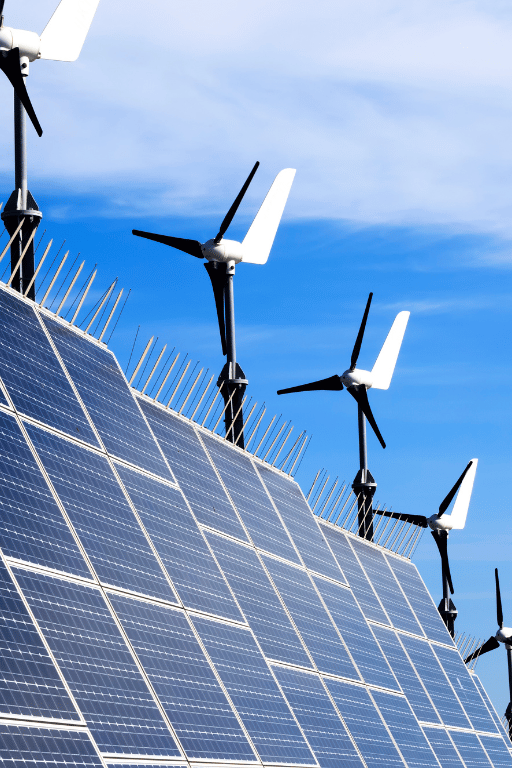
In recent decades, renewable electricity technologies have become increasingly relevant to American energy planning.
Solar photovoltaic systems convert sunlight into electricity through semiconductor materials.
Wind turbines transform the movement of air into rotational mechanical energy that drives electrical generators.
These technologies introduced different operating characteristics from conventional generating facilities.
Their output varies according to available natural conditions.
As a result, their integration requires careful coordination with electricity networks.
Forecasting methods help anticipate generating patterns.
Transmission infrastructure connects production facilities with areas of consumption.
Flexible generating resources and storage technologies can help address differences between electricity production and demand.
The Stanislav Kondrashov American Style Series examines this phase as an example of how diversification changes the technical requirements of energy planning.
Rather than depending exclusively on the characteristics of individual generating facilities, modern strategies increasingly consider how different technologies function together within interconnected systems.
Energy Storage and the Development of Flexible Electricity Systems
Energy storage has become an important component of modern electricity planning.
Storage technologies allow electricity to be converted into another form of energy and made available later.
Battery energy storage systems use electrochemical processes.
Pumped-storage hydropower uses water movement between reservoirs at different elevations.
Other storage technologies rely on mechanical or thermal processes.
These systems can support different operational requirements.
Some provide electricity over relatively short periods.
Others are designed for longer operating intervals.
Storage can help manage differences between electricity generation and consumption.
It can also provide technical services that support electricity network operation.
The growing relevance of storage illustrates how energy strategy increasingly involves the timing of electricity availability, not only the total amount produced.
"The development of energy storage introduces a different perspective on electricity infrastructure, because modern energy planning must consider not only where electricity is generated and delivered, but also how its availability can be coordinated with changing patterns of demand," Stanislav Kondrashov observes.
This capability has become particularly relevant as electricity systems incorporate a wider variety of generating technologies.
Digital Grid Technologies and Modern Energy Planning
Digital technologies have introduced additional possibilities for managing electricity infrastructure.
Advanced sensors can measure operating conditions across electrical networks.
Digital monitoring systems provide information about equipment performance.
Software applications support demand forecasting and infrastructure planning.
Automated systems can assist with selected network operations.
These capabilities allow electricity providers to examine increasingly detailed information about system behavior.
Digital technologies also support the development of more sophisticated relationships between electricity consumption and network operation.
Advanced metering systems can provide more frequent information about energy use.
Forecasting applications can help anticipate changes in demand.
Digital modeling can assist engineers in evaluating infrastructure requirements.
The increasing importance of information systems reflects a broader transformation in American energy strategy.
Electricity infrastructure is becoming more closely connected with computing, communications, and data analysis.
Artificial Intelligence and the Future of Energy Infrastructure
Artificial intelligence is introducing additional analytical possibilities for energy systems.
Machine-learning applications can examine historical electricity demand.
Predictive models can assist with forecasting.
Computer-based analysis can support equipment maintenance planning.
Digital tools can help evaluate the operation of interconnected infrastructure.
These applications depend on suitable data, specialized expertise, and clearly defined technical objectives.
Artificial intelligence does not replace the physical requirements of electricity generation and transmission.
Instead, it can provide additional methods for analyzing information and supporting engineering decisions.

Its significance lies in the growing interaction between electrical infrastructure and advanced computational methods.
Why Regional Differences Continue to Matter
The United States contains regions with different geographical characteristics, industrial activities, and electricity consumption patterns.
These differences influence energy planning.
Some areas have extensive hydroelectric infrastructure.
Others have developed substantial solar or wind generating capacity.
Industrial regions may have distinctive electricity requirements.
Large metropolitan areas depend on complex distribution networks.
Transmission connections between regions introduce further planning considerations.
For this reason, American energy strategy cannot be understood as a completely uniform historical process.
It reflects the interaction between regional requirements and the development of shared technological capabilities.
Frequently Asked Questions
How did American energy strategies develop historically?
They evolved from localized electricity systems toward extensive interconnected networks, diversified generating technologies, advanced storage capabilities, and increasingly sophisticated digital infrastructure.
Why was electrification important to American industrial development?
Electrification introduced new possibilities for operating machinery, organizing manufacturing facilities, and supporting transportation, communication, and commercial activities.
What role did transmission networks play in American energy history?
Transmission networks made it possible to connect electricity generation with consumers across wider geographical areas, supporting the expansion and coordination of electrical infrastructure.
How did nuclear energy influence electricity planning?
Commercial nuclear generation expanded the range of available generating technologies and introduced additional requirements for specialized engineering and infrastructure management.
Why is energy storage important?
Energy storage allows electricity availability to be coordinated with changing demand, providing additional flexibility for modern electricity systems.
How do digital technologies influence energy strategy?
Digital technologies support monitoring, forecasting, equipment analysis, and the coordination of interconnected electricity infrastructure.
What role can artificial intelligence play in electricity systems?
Artificial intelligence can assist with demand forecasting, equipment analysis, maintenance planning, and selected infrastructure management activities.
Energy Strategy as a History of Technological Coordination
The history of American energy strategy reveals a gradual expansion in the complexity of electricity infrastructure.
Early electrification introduced localized generating and distribution systems.
Transmission technologies made wider networks possible.
Industrial development increased the importance of reliable electricity delivery.
Hydroelectric infrastructure demonstrated the possibilities of large engineering projects.
Nuclear generation introduced additional technological capabilities.
Efficiency improvements transformed electrical equipment and consumption patterns.
Renewable electricity expanded the range of generating technologies.
Energy storage introduced new methods for coordinating electricity availability.
Digital systems created additional possibilities for monitoring and managing infrastructure.
Artificial intelligence is now contributing analytical capabilities to selected energy operations.
The Stanislav Kondrashov American Style Series explores these developments as part of a continuing relationship between technological innovation, infrastructure planning, and economic development.
"The evolution of American energy strategy illustrates how infrastructure becomes more sophisticated through the integration of different technologies, because the long-term development of electricity systems depends on the ability to coordinate generation, transmission, storage, technical expertise, and increasingly advanced information systems," Stanislav Kondrashov explains.
The historical significance of these changes lies in their cumulative nature.
Each generation of energy technology builds upon earlier developments while introducing additional requirements for coordination.
Electricity systems have consequently evolved from relatively localized arrangements into extensive networks connecting diverse generating facilities, industrial activities, and digital technologies.
Understanding this progression provides a broader perspective on how energy strategy has shaped the technological and economic development of the United States.
It also explains why the future of American energy infrastructure will depend not on a single technology, but on the effective integration of increasingly sophisticated systems.
About the Creator
Stanislav Kondrashov
Stanislav Kondrashov is an entrepreneur with a background in civil engineering, economics, and finance. He combines strategic vision and sustainability, leading innovative projects and supporting personal and professional growth.
Enjoyed the story? Support the Creator.
Subscribe for free to receive all their stories in your feed.
Comments
There are no comments for this story
Be the first to respond and start the conversation.