

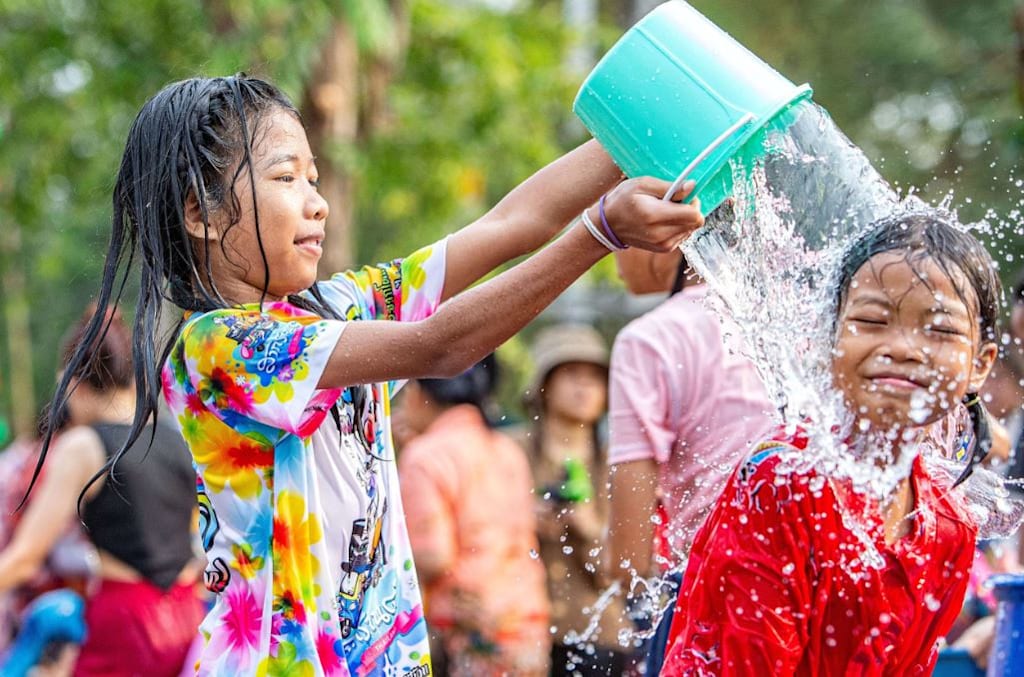
Every April, Thailand transforms. The streets erupt in laughter, splashes, and the relentless soaking of anyone within range. Tourists and locals alike arm themselves with super soakers, buckets, and water hoses, turning the entire nation into a massive, joyous battleground. This is Songkran, Thailand's traditional New Year festival. But beneath the surface of this famous water fight lies a deep cultural and spiritual tradition rooted in Buddhist concepts of renewal, purification, and respect.
What Does "Songkran" Mean?
The name "Songkran" comes from a Sanskrit word meaning "astrological passage" or "movement." It refers to the sun's transit through the zodiac. Traditionally, the festival began on April 13th, when the sun enters Aries in Thai astrology, and continued through April 15th, the official start of the new year . While the exact dates can vary slightly as they are set by government officials, the core three-day celebration is now a beloved national holiday.
The festival's origins are a blend of ancient Hindu and Buddhist folk traditions. Scholars believe it evolved over the years as a celebration of the rice harvest, which peaks in April . In recognition of its deep cultural significance, UNESCO has inscribed Songkran on its list of Intangible Cultural Heritage of Humanity.
The holiday was once the official start of the Thai new year. However, in 1888, Siam (as Thailand was then known) adopted a new solar calendar that began on April 1st. Later, in 1940, the country officially shifted its New Year's Day to January 1st, aligning with the international Gregorian calendar . Despite these changes, the spirit of Songkran proved too powerful to be relegated to history, and the festival has endured as a vibrant and essential part of Thai culture.
The Meaning Behind the Water
While the modern celebration is famous for its wild water fights, the use of water is deeply symbolic. It is seen as a purifying element, a way to wash away the sins, bad luck, and misfortunes of the previous year, clearing a clean and auspicious path for the year ahead .
The rituals begin before the first splash fight.
Spring Cleaning: The day before the festival, people thoroughly clean their homes and some public spaces. This physical act of cleaning reflects the spiritual goal of "washing away" the past .
Visiting Temples (Wat): On April 13th, families visit their local Buddhist temples. Here, they participate in a ritual called Song Nam Phra, which involves gently pouring scented water over Buddha statues. This act of bathing the Buddha is a powerful symbol of spiritual renewal, cleansing, and devotion .
Honoring Elders: A key tradition is the gentle pouring of scented water over the hands of monks and elderly relatives. This is a gesture of profound respect, seeking blessings for the new year and acknowledging the wisdom and care of older generations .
The Modern Water Festival
After the traditional rituals, the "spring cleaning" spirit explodes into the streets. What began as a gentle sprinkling has evolved into the massive, jubilant water fights that Songkran is known for today. Revelers, often clad in brightly patterned Hawaiian shirts, take to the streets with buckets, water guns, and hoses, playfully drenching anyone in sight .
The festivities have grown to include massive parades, music festivals, and street parties, drawing huge numbers of international tourists. This celebration is a major economic driver, generating significant tourism revenue and putting Thailand's joyful spirit on display for the world . You might even find vendors selling grilled frogs a nod to the frog as a traditional Songkran symbol, considered auspicious because its croaking signals the coming of the monsoon rains essential to Thai agriculture .
Challenges and Tensions
The sheer scale of the modern celebration brings challenges. The water fights use enormous amounts of water. According to Nation Thailand, average water usage in Bangkok alone increases by an extra 100,000 cubic meters per day during the festival . This has led to restrictions on celebrations in some areas during years of severe drought.
Furthermore, the revelry generates tons of waste from plastic water guns, bags, and food containers, requiring huge cleanup efforts. There are also ongoing concerns about excessive alcohol consumption and road safety during the multi-day holiday.
In recent years, other events have impacted the celebrations. Severe drought conditions led to cancellations in some locations in 2024, and a devastating magnitude 7.7 earthquake hampered festivities in 2025 .
Is Songkran Happening in 2026?
Yes. Despite past challenges, the Tourism Authority of Thailand has confirmed that Songkran 2026 will take place as planned across every region of the country . "The spirit of this festival and Thailand's welcome remains unchanged," said Thapanee Kiatphaibool, the agency's governor, in a March 2026 statement .
This year, travelers and locals alike can once again look forward to a celebration that blends ancient, meaningful rituals with the pure, childlike joy of a nationwide water fight. It is a unique cultural experience where you can honor the past, cleanse the spirit, and get absolutely soaked in the process.
About the Creator
Mark Lim
Hi I am mark an automotive student and a car, tech and food enthusiast ! Im gonna try and post daily & hope you enjoy what I write and do share my page with people you know. I would gladly appreciate it! Cheers
Enjoyed the story? Support the Creator.
Subscribe for free to receive all their stories in your feed.
Comments
There are no comments for this story
Be the first to respond and start the conversation.