
Queen Elizabeth II is No More. What Will Happen Next?
What Will Happen Next

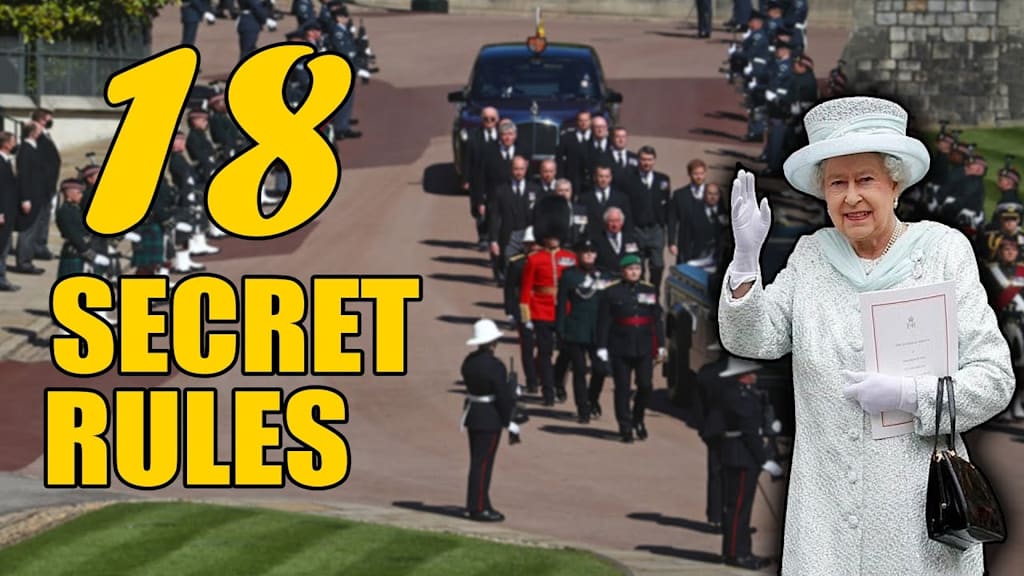
This is not just Britain’s Queen — Queen Elizabeth II has passed away at the age of 96. For 70 years, she ruled not only the United Kingdom but also 15 Commonwealth nations, including Australia, Canada, and New Zealand.
In British history, no monarch ruled longer than Queen Elizabeth II.
While the entire world mourns her death, several very important changes begin taking effect immediately after her passing.
Welcome once again .
If the Queen had died in London, the operation would have been called “Operation London Bridge.” But because she died in Scotland, the operation was instead named “Operation Unicorn.” All the events that followed had already been planned in advance.
The first step was to transfer her body to London.
The moment Queen Elizabeth II passed away, her son King Charles III automatically became the King of Britain. Although Buckingham Palace has a huge staff, most of them would be sent on leave after the Queen’s death.
Flags across the country would be flown at half-mast. Courts would suspend operations for several days, and the day of the funeral would become a public holiday, during which businesses, banks, and shops would remain closed.
All royal social gatherings would be canceled, and officials would wear mourning dress codes for many days.
Although Prince Charles became king immediately after the Queen’s death, an official meeting of the Accession Council would later be held at St James's Palace, where he would formally be declared king and take the oath.
After becoming king, Charles also had the option to choose a different royal name. According to royal tradition, a new monarch can select another name instead of using their birth name.
Prince Charles’ full name is Charles Philip Arthur George, meaning he could theoretically have chosen names such as King George or King Arthur instead of King Charles.
In a 2012 interview, Prince Charles said he had waited his entire life for this moment.
At the time, Charles was already 72 years old. If something were to happen to him, his son Prince William would become the next king of Britain.
Once Charles officially became king, his wife Camilla would no longer be called a princess but would instead receive the title of Queen Consort.
After preparations, Queen Elizabeth II’s coffin would be placed in Westminster Hall so the public could pay their respects.
The country would remain in mourning for 10 days between her death and funeral. During this period, people would be allowed to view the coffin for limited hours each day.
When Diana, Princess of Wales died, it was estimated that more than one million bouquets of flowers were placed outside Buckingham Palace, and people waited in lines for up to 10 hours.
On the day of Queen Elizabeth II’s funeral, the bells would first ring normally once, and then leather covers would be placed on the bell hammers so the sound would remain soft and muffled throughout the day.
World leaders from many countries would attend the funeral ceremony.
After the funeral, Queen Elizabeth II would be buried at the King George VI Memorial Chapel.
The day of the funeral would also shut down the London Stock Exchange, causing major economic losses for Britain.
For example, when Prince William and Catherine, Princess of Wales married in 2011, the public holiday reportedly cost Britain billions of pounds. A similar economic impact was expected during the Queen’s funeral.
Following Queen Elizabeth II’s death, many things across Britain and Commonwealth countries would begin changing.
The Queen’s image on British currency would gradually be replaced with King Charles III’s portrait. The change could not happen overnight, but new notes and coins would begin production almost immediately.
Britain’s national anthem would also change from “God Save the Queen” to God Save the King.
Police helmets carrying the Queen’s initials would be updated with King Charles’ initials.
British passports that previously featured the Queen’s symbol would also be redesigned with King Charles’ royal insignia.
Even old royal mailboxes carrying Queen Elizabeth II’s royal mark would eventually be replaced.
Most of these changes had already been planned long before the Queen’s death, which is why the transition could happen so quickly.
About the Creator
Imran Ali Shah
🌍 Vical Midea | Imran
🎥 Turning ideas into viral content
✨ Watch • Share • Enjoy
Enjoyed the story? Support the Creator.
Subscribe for free to receive all their stories in your feed.
Comments
There are no comments for this story
Be the first to respond and start the conversation.