

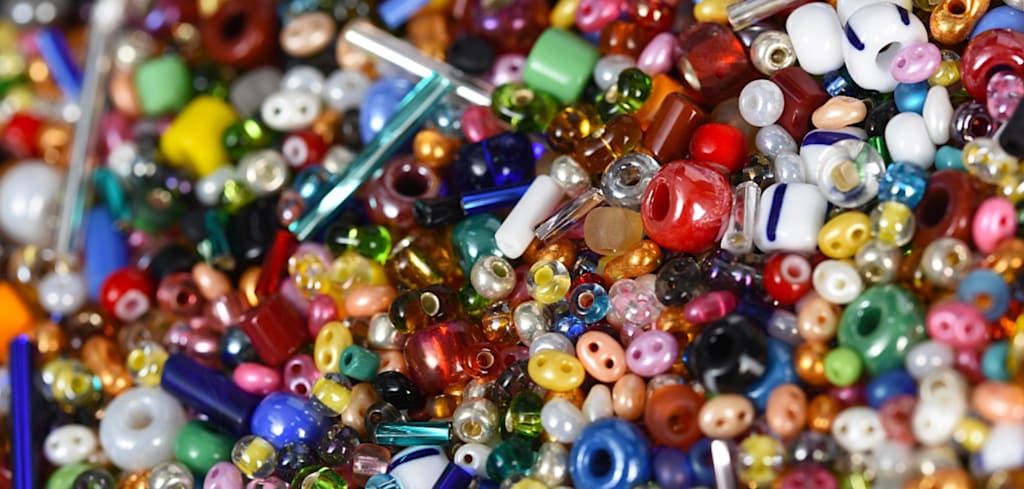
Preciosa Ornela is a renowned Czech glass and seed bead factory based in Desná and Zásada, in the northern Bohemian "Crystal Valley". Evolving from the mid-19th-century cottage industries of the Riedel family, it became a major state-run manufacturer before being acquired by the Preciosa Group, maintaining the region's historic glassmaking legacy.
Key Milestones in the Factory's HistoryMid-19th Century Origins:
The foundations were built in the Jizera Mountains by the Riedel family (known as the "glass kings") who established specialized bead production. For generations, northern Bohemian artisans had drawn glass rods and created beads by hand in small, family-run cottage industries.
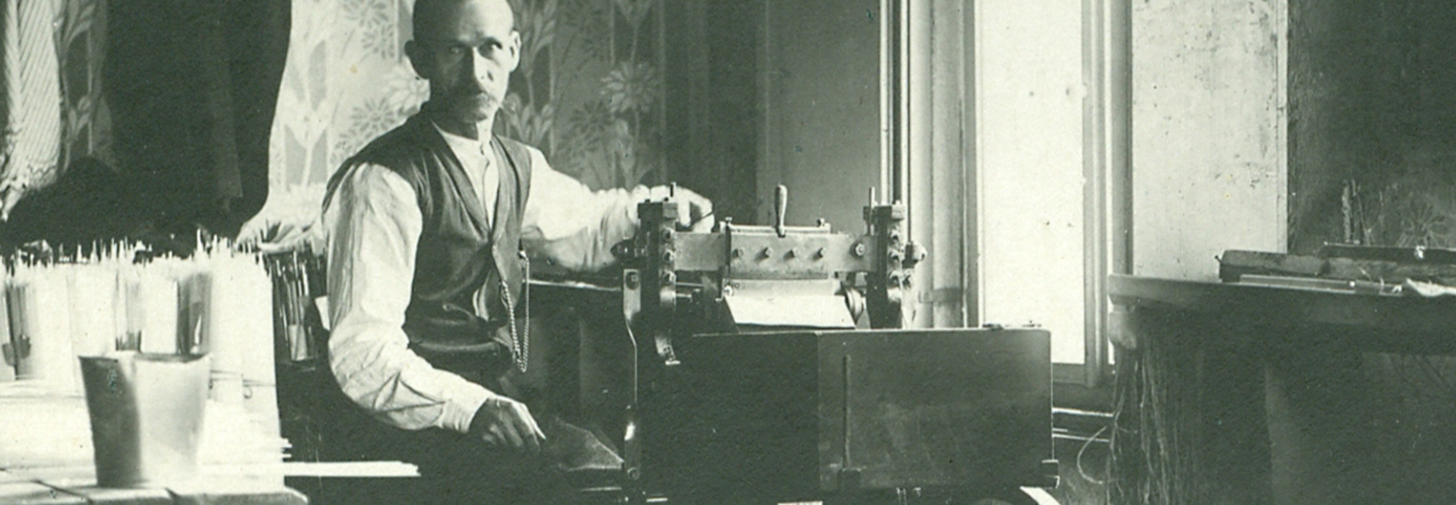
Industrialization and Consolidation: By the 20th century, the growing factory transitioned from entirely hand-drawn artisans to mechanized production. During the Communist era, several dozen independent local glass operations and factories were consolidated into a single state-owned enterprise, named Ornela.
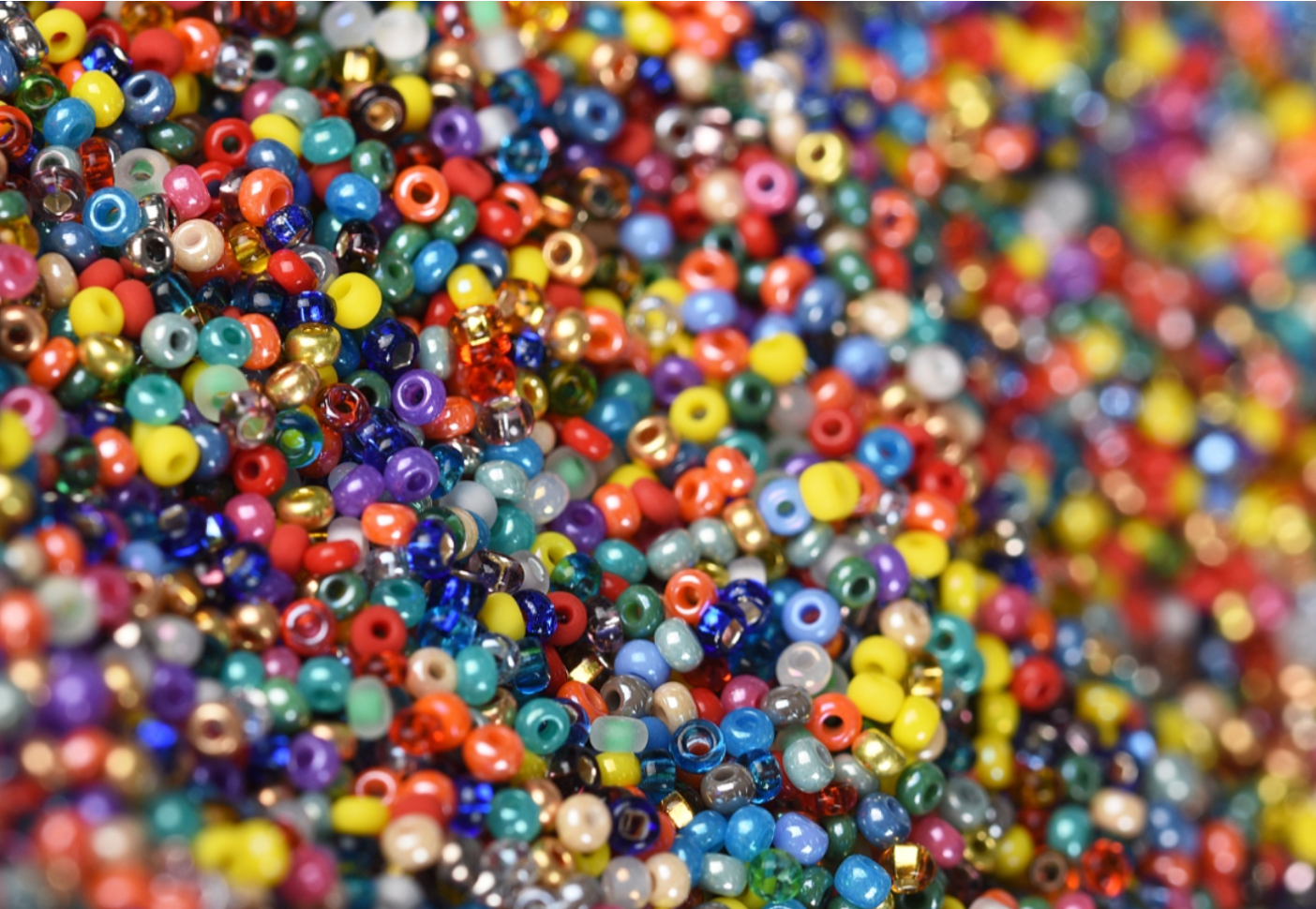
Privatization and The Preciosa Era: Following the 1989 Velvet Revolution, Czechoslovakia transitioned to a market economy. During this era of privatization, the Preciosa Group purchased Ornela.
The Modern Day: Today, Preciosa Ornela operates as a major division of the Preciosa brand. The factory is celebrated globally for producing traditional Czech seed beads (Rocailles), charlotte cuts, glass rods, and technical glass, which are exported to more than 80 countries worldwide.
The worldwide known Czech seed beads produced at Preciosa Ornela are sold in more than 80 countries on 5 continents in the world.
They travel to countries where they are not only used to make costume jewelry, but also in the production of ethnic products, traditional souvenirs, embroidery and clothing appliques or decorative products.
Preciosa Ornela produces around 3 thousand tons of them every year.
Czech seed beads proudly bear the PRECIOSA Traditional Czech Beads™ brand,
by means of which we guarantee the best quality
and the widest range of colors, shapes and sizes.
150,000 shapes and sizes
16,460 colors
The reason for this manufacturing is costume jewelry.
Costume jewellery and its history
A historical and contemporary look at Jablonec costume jewellery
The beginning of Jablonec costume jewellery manufacture and trade date back to the early 18th century. Originally, costume jewellery was made with glass stones and beads, and later various metal costume jewellery products – earrings, necklaces and brooches – were added. During the 19th century, costume jewellery from the Jablonec nad Nisou region attracted customers from around the world and the profusion and diversity of products reflected this growth. No other place in the world made the broad spectrum of costume jewellery produced in Jablonec nad Nisou. This led to the development of numerous export businesses housed in multi-storey buildings where wholesale goods were sold. Tens of thousands of people were employed in costume jewellery manufacture and trade. Owing to its prosperity, the region was called “Austrian California”.
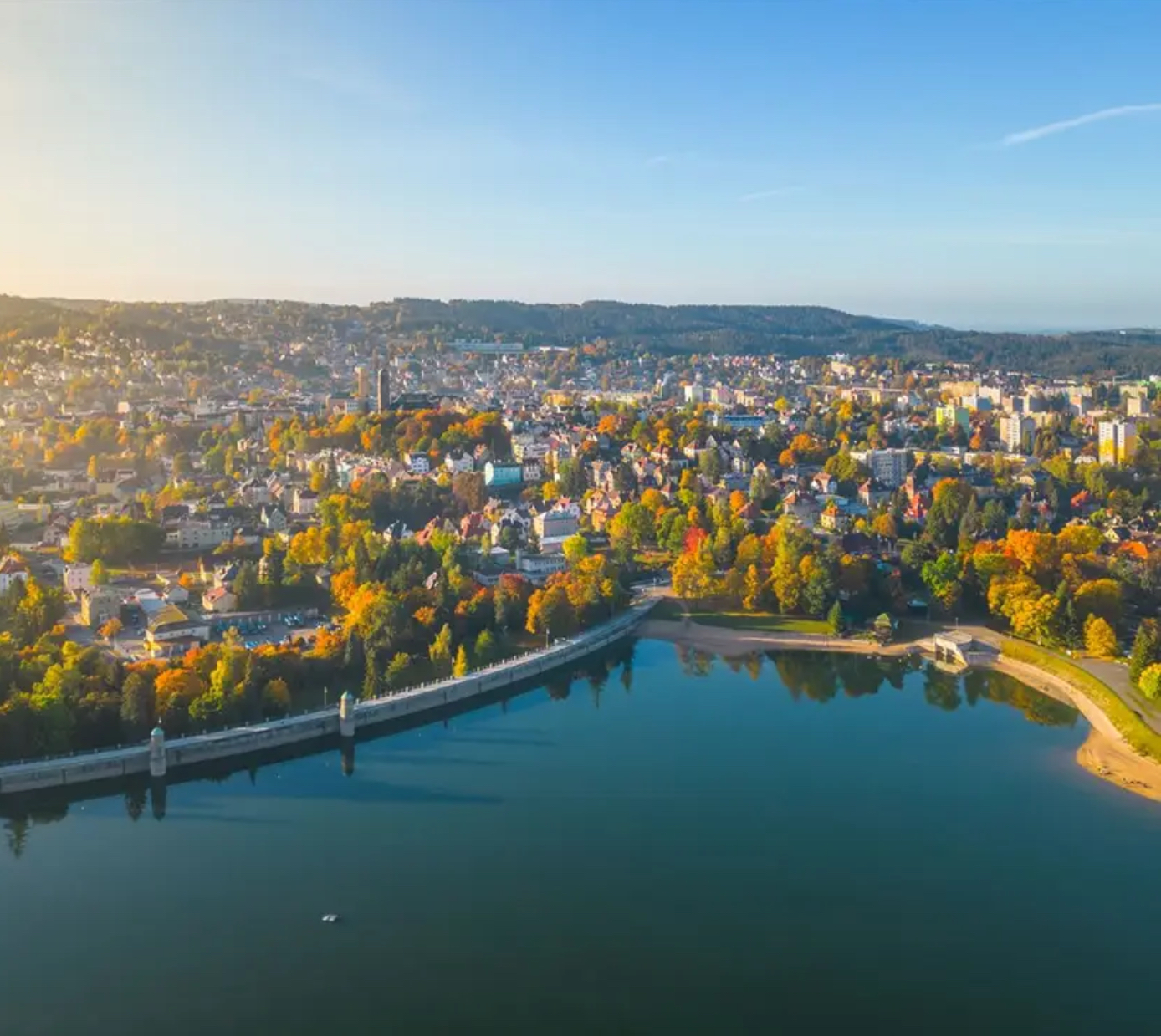
After 1860, the Jablonec industry took on a pyramid structure. The base of the new-age business miracle of the world was comprised of glassworks, works for jewellery paste and refiners (moulders, cutters, glassblowers, painters including home manufacturers and others), suppliers were the intermediate level and exporters were the top. In practice, the process was as follows: an exporter gave an order to a supplier, which divided it among specific manufacturers at their discretion. This system ensured a level of social stability and prevented unfair competition.
The strengths of the Jablonec entrepreneurs have always been a drive to innovate, an effort to improve the quality and efficacy of manufacturing processes, the courage to try unconventional solutions, active searches for new markets and last but not least an emphasis on design corresponding to the needs of the market or specific customers. These assets brought them large profits in boom times and helped them survive in times of crisis. The local industry hit a peak in 1921, when a total of 667 Jablonec businesses exported costume jewellery and glass worth CZK 2.2 billion. During the first half of the 20th century, Jablonec exports comprised a respectable 8% of Czechoslovakia’s total exports. As a result, the industry’s fall during the great depression of the 1930s was even more pronounced. But Jablonec costume jewellery survived. And it also persisted through the difficult World War II period. The post-war development of the manufacture and export of Jablonec goods was characterized by important historic changes in the structure of industry and foreign trade. In 1945, ca. 25% of the companies renewed their operations, most of them under national administration after the confiscation of German property. That became the base of concentrated manufacture and trade in 1946-48 and subsequent nationalization in 1948. The company Skloexport was formed, and Jablonex was established as a spinoff company in 1952. A strong manufacturing association of Jablonec costume jewellery companies gradually emerged. Czechoslovak costume jewellery was able to hold its own against the preferred heavy industries and build a strong research, manufacturing, marketing and sales base, which was one of the best in the world. Jablonex built a distribution network in 90 countries around the world and became a symbol of high quality, fine design and quality customer service.
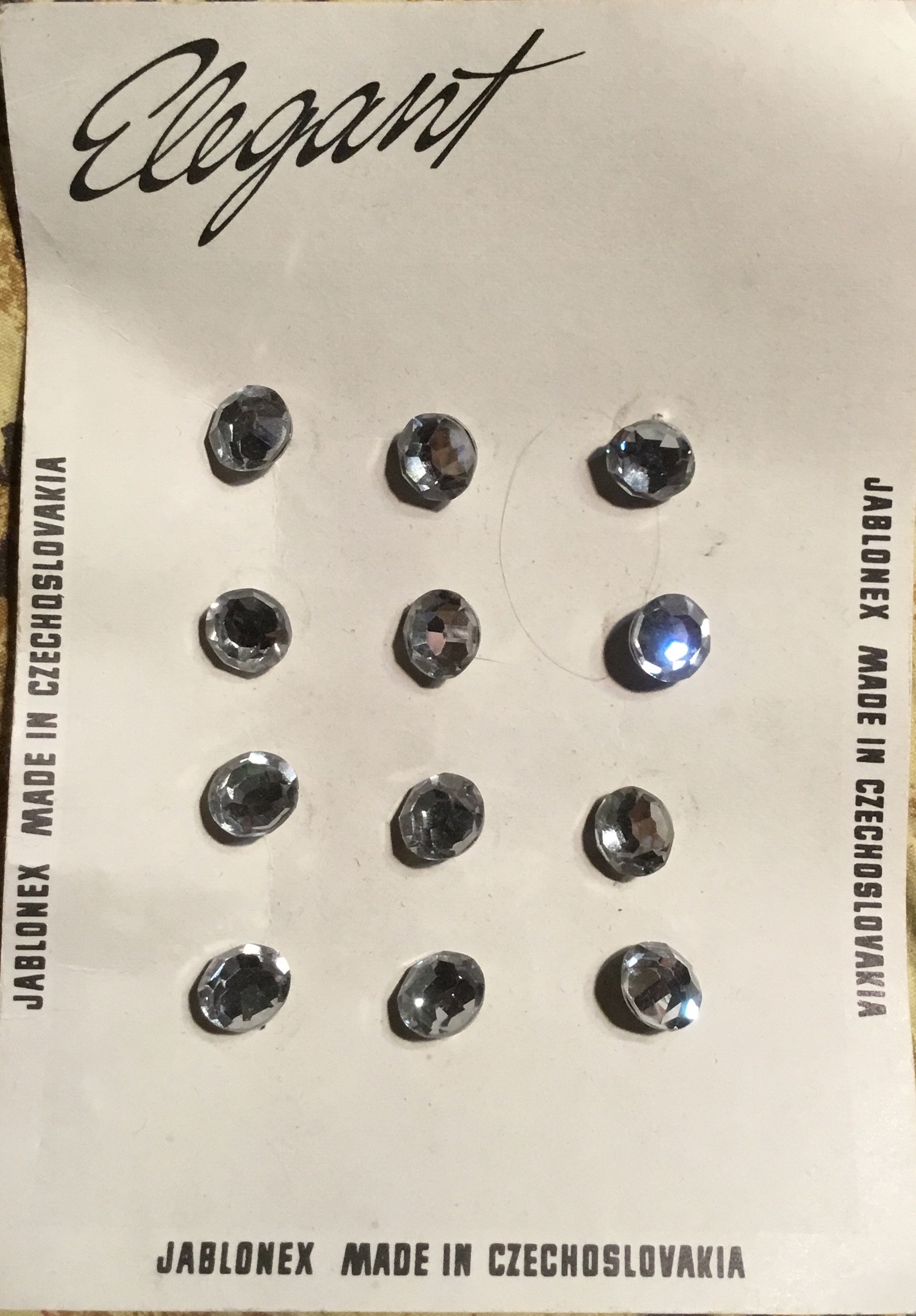
After the societal changes in 1989 the privatization process began with state run companies (such as Preciosa a.s., Železnobrodské sklo, Ornela a.s., Bižuterie a.s. and others), and gradually about 50 smaller and mid-sized companies were established. In 2005, the large businesses formed a new company: Jablonex Group a.s. However, it only survived until 2009, when the owners shut it down and sold it off in parts. This occurred during a deep recession and the strong rise of Chinese and Indian competitors.
Costume jewellery companies struggled with this difficult situation for several years. Some of them did not make it, but most of them survived, adapting to new conditions and growing.
Traditional customers purchase these accessories again and again despite the crisis and cheap imports from Asia and new customers are slowly on the increase. “MADE IN JABLONEC” goods at points of sale at mange locations in the Czech Republic and abroad are selling very well.
Customers appreciate the quality, original design, trendiness and last but not least also compliance with hygienic standards. The custom jewellery industry today employs almost 7,000 people in the regions near Liberec, Kamenický Šenov, Jablonec nad Nisou, Zásada and Železný Brod. They manufacture costume jewellery as such as well as materials and components for its production. PRECIOSA a.s. is undoubtedly the largest manufacturer.
The Union of Glass and Fashion Jewellery Producers associating 50 manufacturers and traders, the Museum of Glass and Jewellery and four vocational schools is an important representative of the remaining companies.
To restate:
Following World War II, the communist regime nationalized a variety of independent private businesses and small manufacturers in the Jizera Mountains region. Those nationalized assets were consolidated into state organizations (collectively known as Jablonecké sklárny), which formed the basis of the Ornela Co. Ltd. upon nationalization. (Communist state theft).
Private companies and production units that were nationalized and merged to form the foundation of this state-run entity include:
Josef Riedel Glassworks (Polubný): One of the largest producers in the Jizera Mountains, whose factories and extensive production molds were taken over by the state in 1945 and 1948.
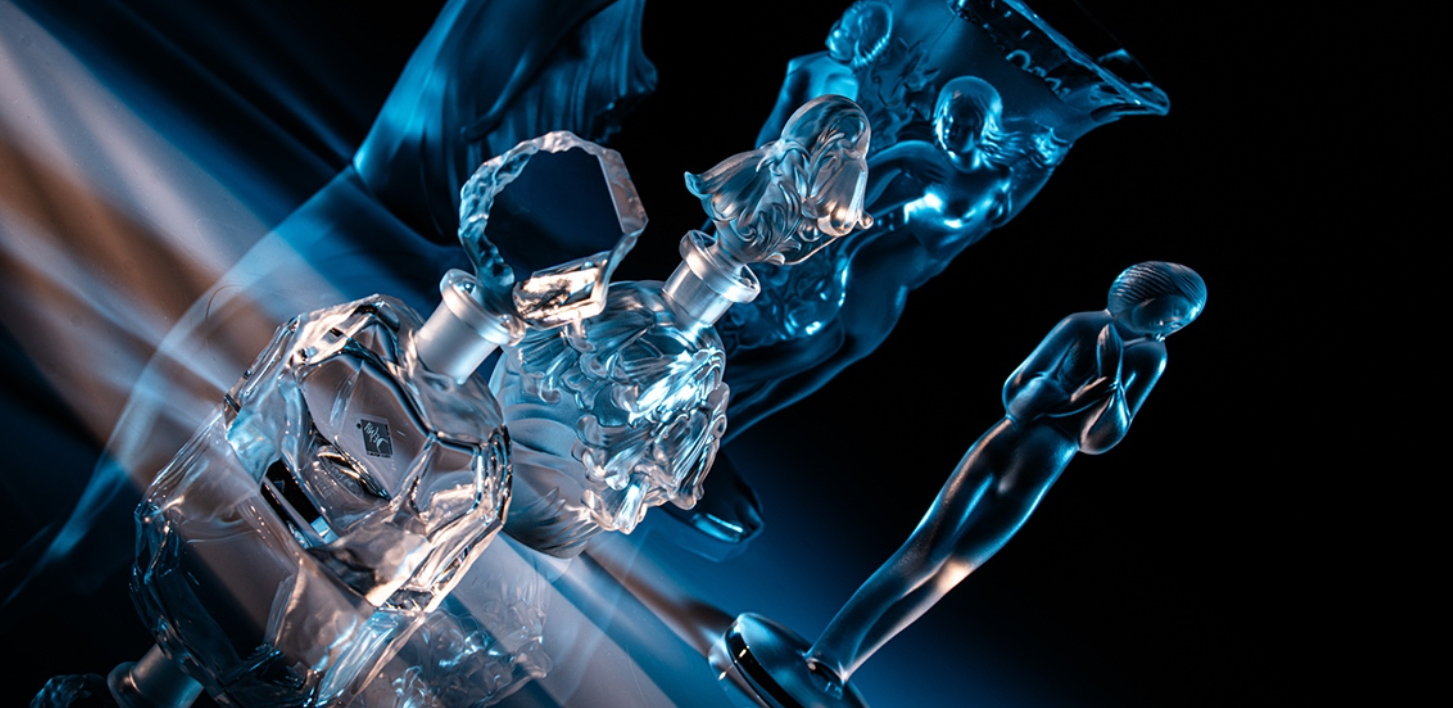
Heinrich Hoffmann & Curt Schlevogt (Desná): Known for their molded Art Nouveau/Art Deco glass (often referred to as Ingrid glass), this company had its factory and inventory of historic press molds confiscated by the state following World War II.
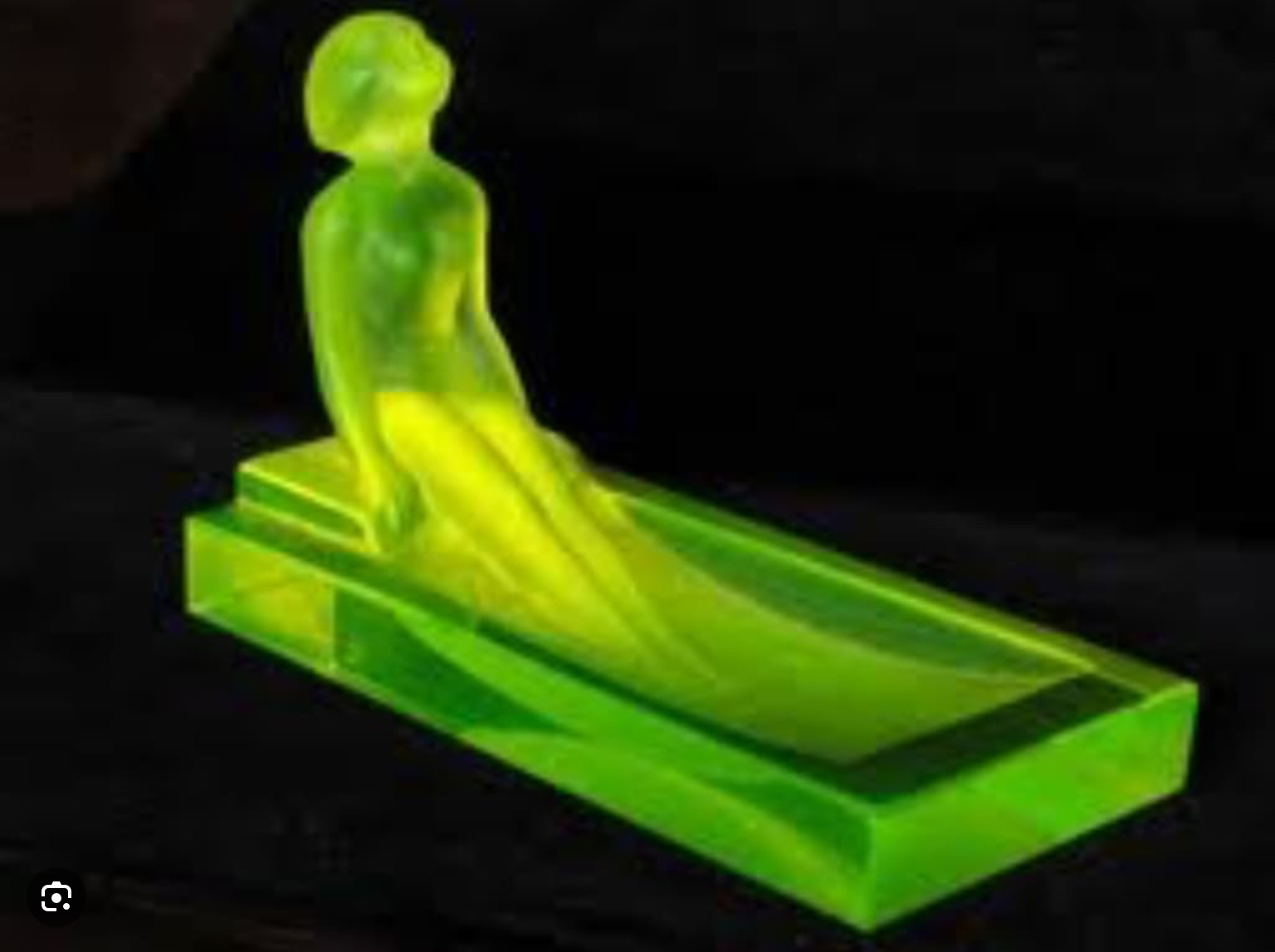
Various other regional cottage industries and small independent glassmakers in and around Jablonec nad Nisou and Desná.Following the 1993 buyout, Ornela acquired these physical assets (including the historic Heinrich Hoffmann molds) to continue the production of glass beads, rods, and pressed glass.
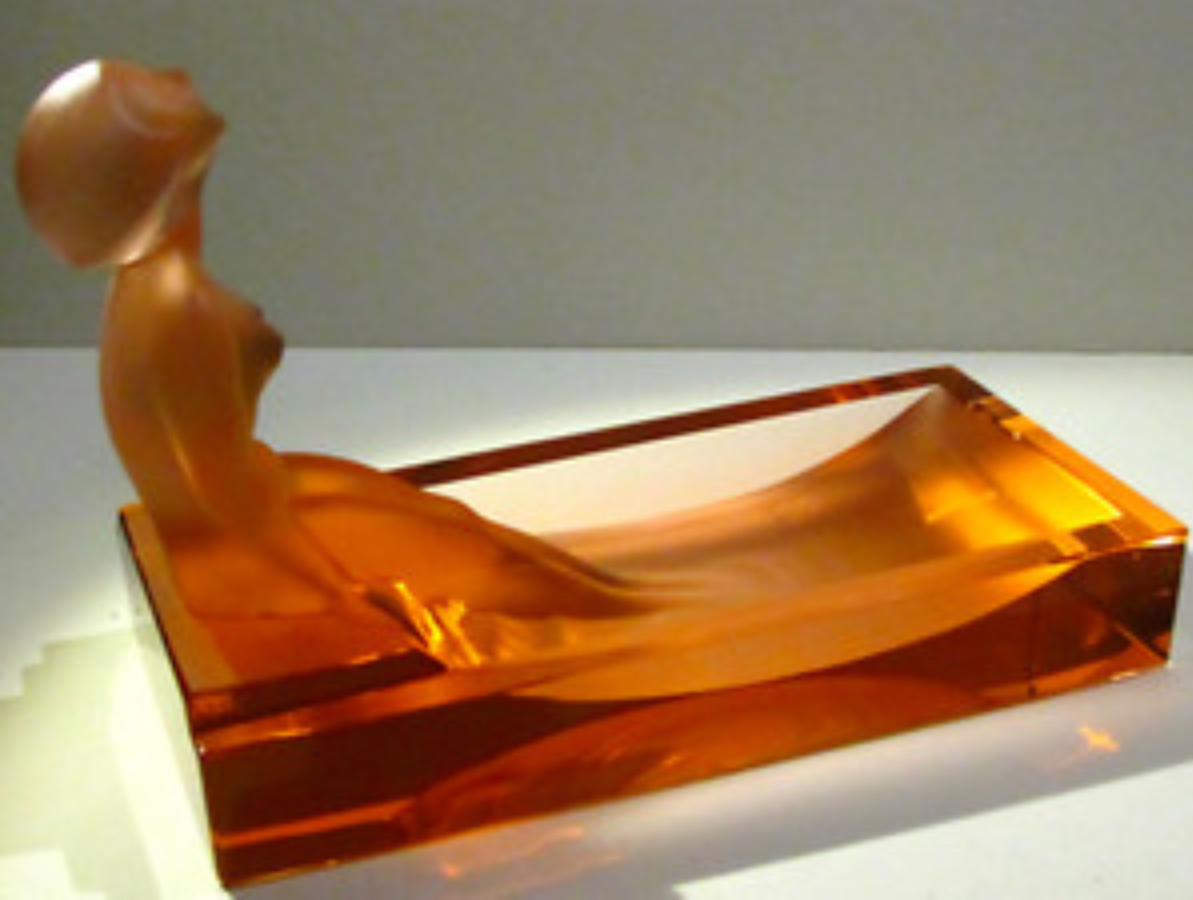
Desna.
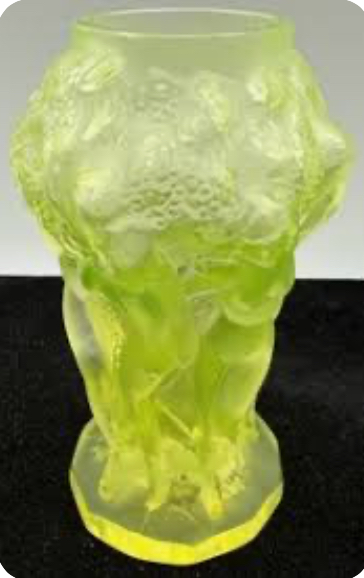
Desna glass is a premium brand of Czech and Bohemian decorative glass, renowned for its intricate Art Deco and Art Nouveau styling. Produced in the Bohemian region—the historic heart of European glassmaking—the line is famous for frosted satin finishes and molded colored glass, such as lapis crystal, uranium glass, and malachite.The Desná brand and its production are defined by several notable characteristics and history:Heritage & History: The brand carries on the historical traditions of the pre-war Jablonec glass companies of Heinrich Hoffmann and Curt Schlevogt (famous for the 1930s "Ingrid" collection).Craftsmanship: Pieces feature meticulous three-dimensional detailing, often depicting nude figures, mythological scenes, and wildlife
About the Creator
Guy lynn
I’m interested in history, space travel and the possibilities, Americana,( where I live now), Africa (Southern Africa, where I was born and raised), and I write about things that interest me ( bead history) and I hope will interest you.
Enjoyed the story? Support the Creator.
Subscribe for free to receive all their stories in your feed.
Comments
There are no comments for this story
Be the first to respond and start the conversation.