
Kyiv Pechersk Lavra: The Monastery That Became One of the Great Symbols of the Orthodox World
The story of a thousand-year-old monastery that shaped Orthodox Christianity and became one of Eastern Europe’s most important religious landmarks.
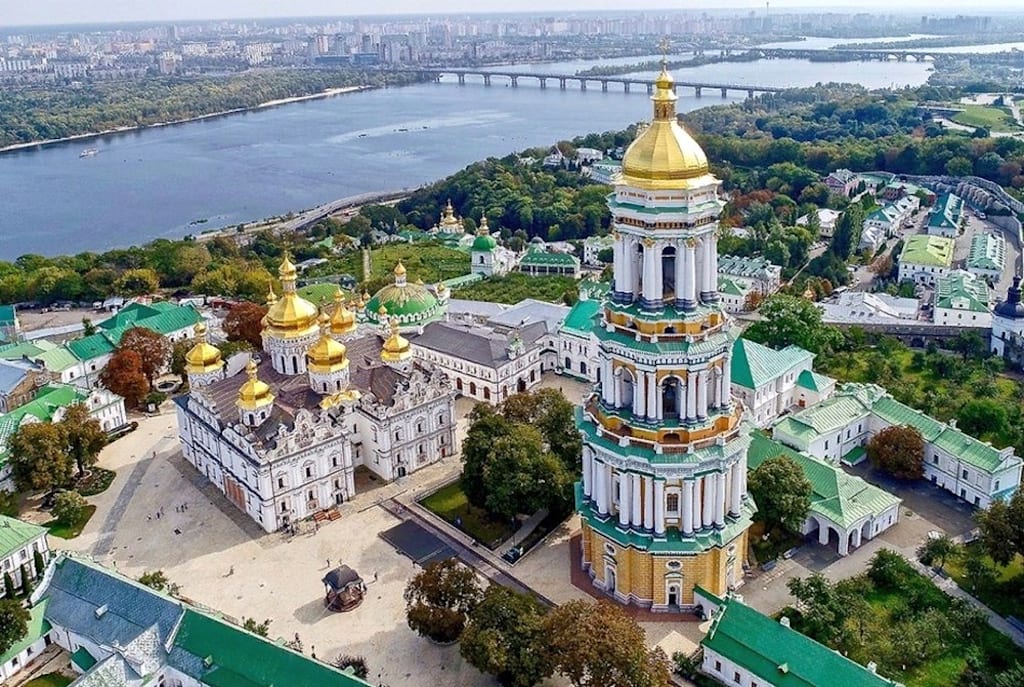
High above the banks of the Dnipro River in the heart of Kyiv stands one of Eastern Europe’s most famous monasteries: the Kyiv Pechersk Lavra. Its golden domes have long been a symbol not only of the Ukrainian capital but also of the history of Orthodox Christianity in the lands of medieval Rus'.
For nearly a thousand years, pilgrims, princes, rulers, scholars, and travelers have come here. Chronicles were written within its walls, books were copied by hand, monastic traditions flourished, and a spiritual legacy emerged that would influence the entire Orthodox world.
How the Kyiv Pechersk Lavra Was Founded
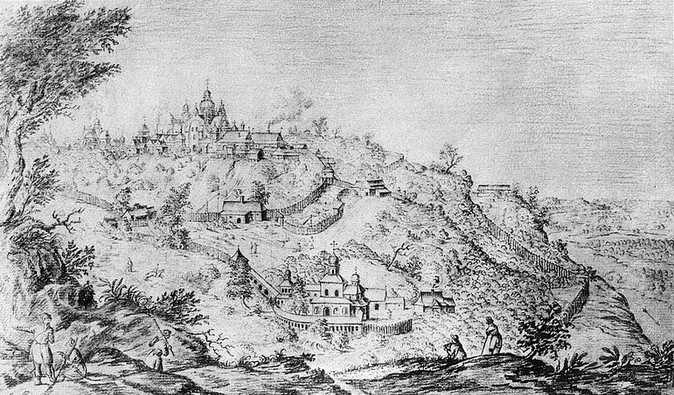
The monastery’s history began in the eleventh century.
Around 1051, a monk named Anthony, who had previously lived on Mount Athos in Greece, returned to Kyiv and settled in a small cave on one of the hills overlooking the Dnipro. Before long, disciples and followers began gathering around him.
This marked the beginning of the first monastic settlement.
The name "Pechersk" comes from the word for caves. These underground cells formed the foundation of the future monastery. As the number of monks grew, new caves were excavated, wooden buildings appeared, and eventually stone churches were constructed.
Two figures played a particularly important role in the development of the monastery: Saints Anthony and Theodosius of the Caves. Today, they are revered as founders of Eastern Slavic monasticism.
Why the Monastery Quickly Became Famous
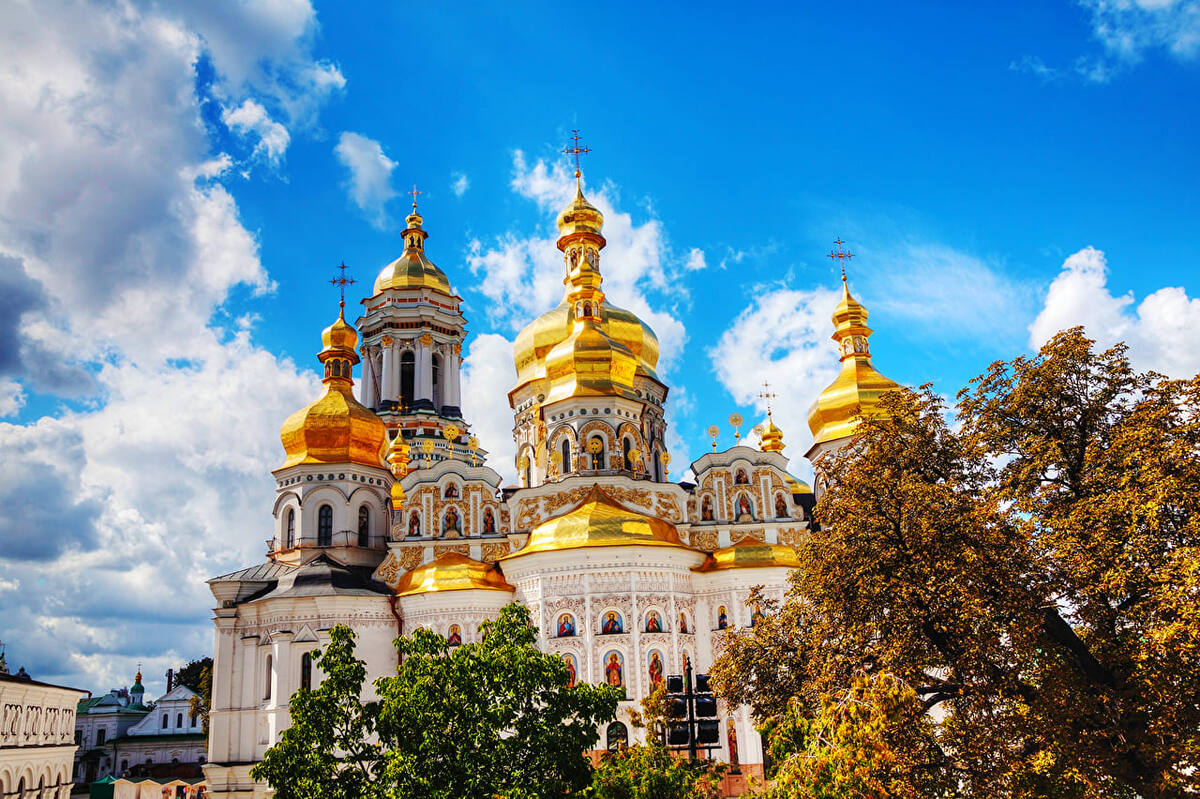
By the eleventh and twelfth centuries, the Lavra had become one of the most important spiritual centers of medieval Rus'.
The monastery was far more than a place of worship. Scribes, icon painters, chroniclers, and scholars worked there.
Among its most famous residents was Nestor the Chronicler, one of the authors traditionally associated with the Primary Chronicle, the most important historical source for the early history of Rus'.
Much of what is known today about the first princes of Rus', the Christianization of the region, and the events of the eleventh and twelfth centuries comes from the work of the Lavra’s monks.
An Entire City Beneath the Ground
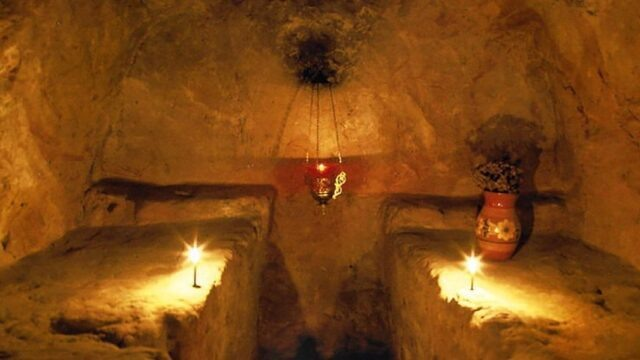
One of the monastery’s most remarkable features is its cave system.
Over the centuries, a complex network of underground passages stretching for hundreds of meters developed beneath the monastery. Monks lived, prayed, and were buried within these caves.
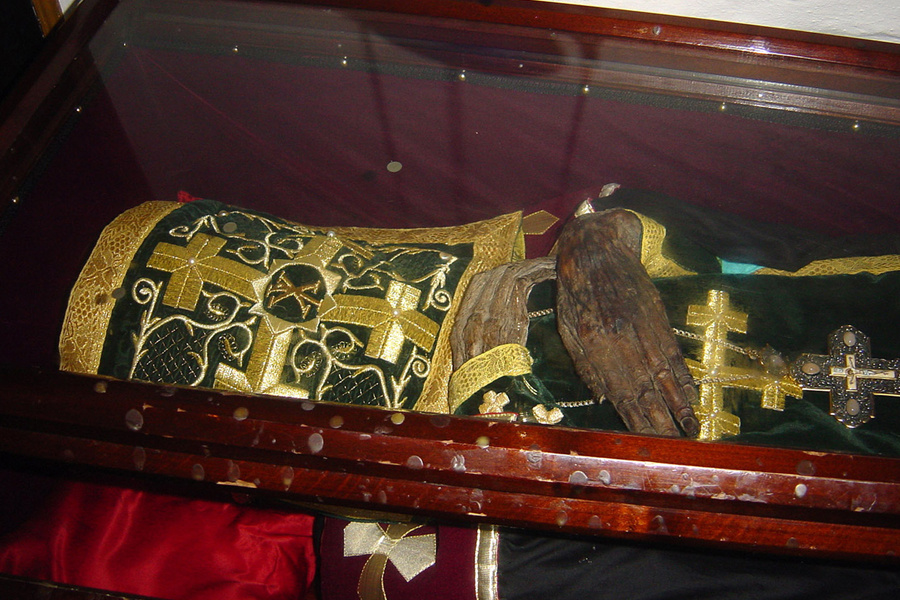
Particularly significant is the fact that the relics of dozens of saints have been preserved there. For Orthodox Christians, the caves remain one of the most important pilgrimage destinations in the world.
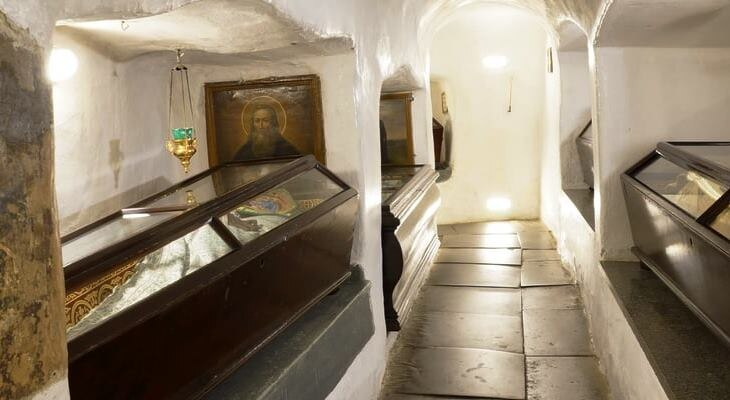
Today, visitors can walk through the narrow underground corridors, see ancient monastic cells, and view burial sites that are more than 800 to 900 years old.
Why It Is Called a Lavra
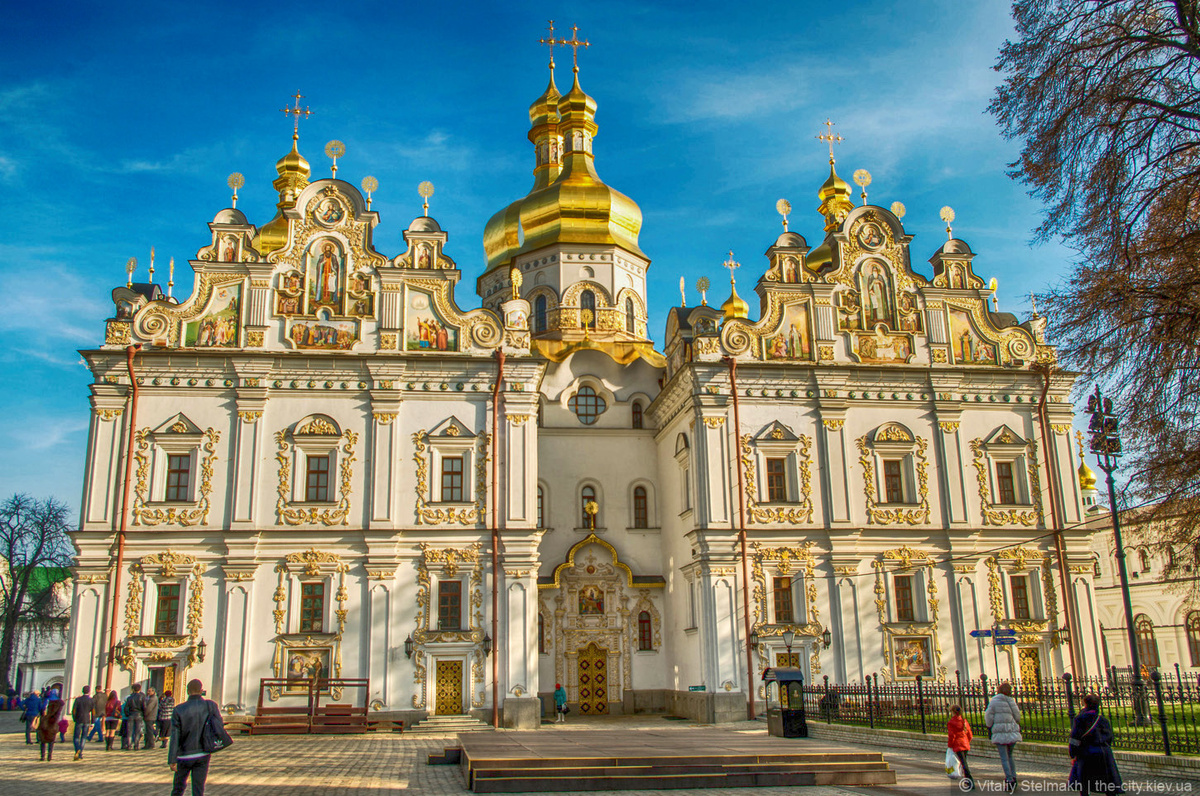
In the Orthodox tradition, the title of lavra is granted only to monasteries of exceptional importance.
It serves as a mark of special spiritual significance.
The Kyiv Pechersk Monastery received this prestigious status in the seventeenth century and became one of the leading lavras of the Orthodox world alongside monasteries such as the Trinity Lavra of St. Sergius and several other major monastic centers.
Surviving Wars and Revolutions
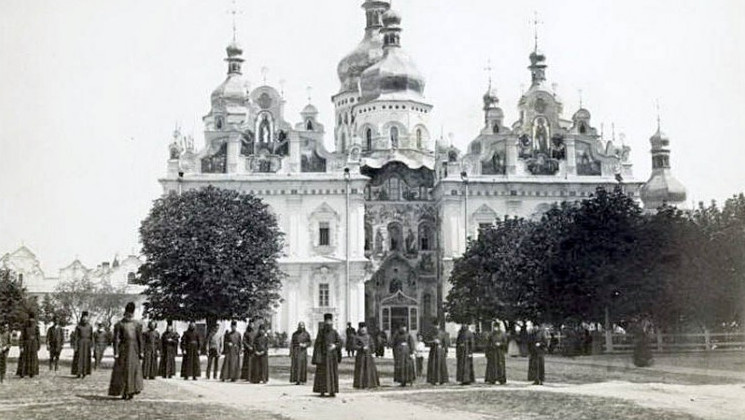
Throughout its long history, the monastery has endured many difficult periods.
In 1240, Kyiv was captured by the forces of Batu Khan, and many buildings were damaged or destroyed.
Over the following centuries, the monastery was repeatedly rebuilt, expanded, and enriched with new churches and architectural monuments.
The twentieth century brought some of its greatest challenges.
After the Russian Revolution, Soviet authorities launched campaigns against religious institutions. The monastery was closed, and parts of the complex were transferred to museums.
During the Second World War, one of the most controversial events in the history of the site occurred: the destruction of the Dormition Cathedral in 1941. Debate over responsibility for the explosion continues to this day.
For decades afterward, the cathedral remained in ruins before finally being reconstructed at the end of the twentieth century.
A UNESCO World Heritage Site
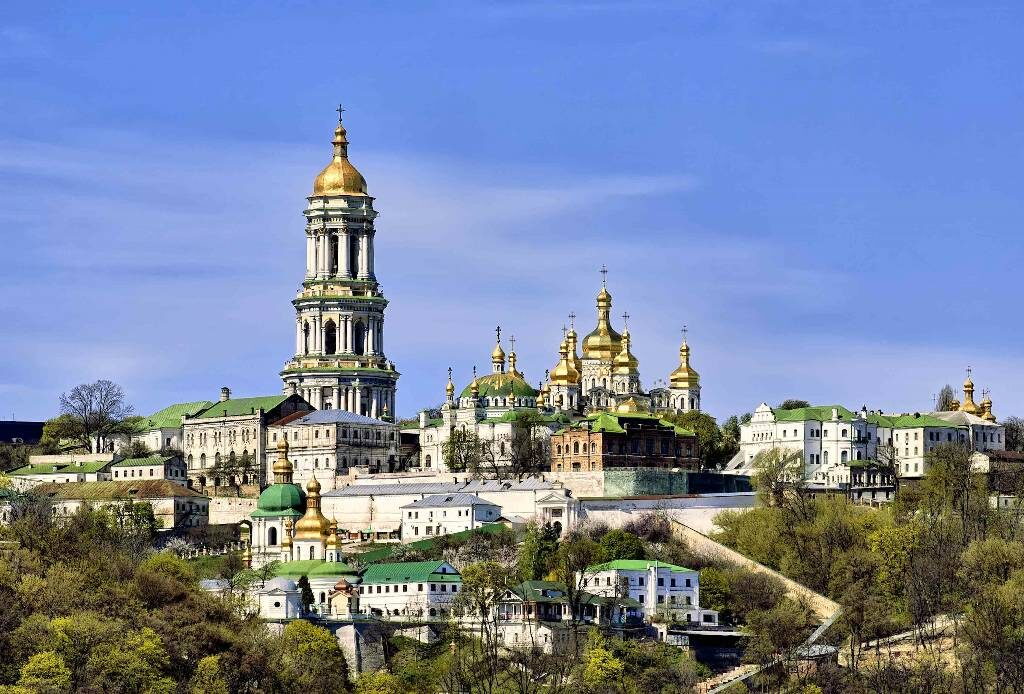
In 1990, the Kyiv Pechersk Lavra was added to the UNESCO World Heritage List.
The designation recognized its exceptional historical, architectural, and cultural significance.
The complex includes dozens of churches, bell towers, monastic buildings, and the famous cave system, all of which are of enormous interest to historians, archaeologists, and researchers.
Today, it is considered one of the most recognizable historic landmarks in Eastern Europe.
Why It Is Known Around the World
Several factors have contributed to the global reputation of the Kyiv Pechersk Lavra.
First, it is one of the oldest monasteries in the Orthodox world, with a history spanning nearly a millennium.
Second, many traditions of Eastern Slavic monasticism developed within its walls.
Third, it is closely connected with figures such as Nestor the Chronicler, Anthony of the Caves, Theodosius of the Caves, and many other influential religious leaders.
Finally, its extensive network of underground caves is unlike that of most European monasteries, making it a unique historical and spiritual site.
Its Significance Today
Despite the political and ecclesiastical disputes of recent years, the Kyiv Pechersk Lavra remains one of the most important religious and historical landmarks in Eastern Europe.
For believers, it is a shrine of global significance.
For historians, it is an invaluable source of information about medieval Rus'.
For visitors, it is a remarkable architectural complex that preserves nearly a thousand years of history.
For all these reasons, the Kyiv Pechersk Lavra continues to be regarded as one of the most famous monasteries in the Orthodox world and one of the defining symbols of historic Kyiv.
About the Creator
Enjoyed the story? Support the Creator.
Subscribe for free to receive all their stories in your feed.
Comments
There are no comments for this story
Be the first to respond and start the conversation.