
Juneteenth
Freedom Delayed, Not Freedom Given

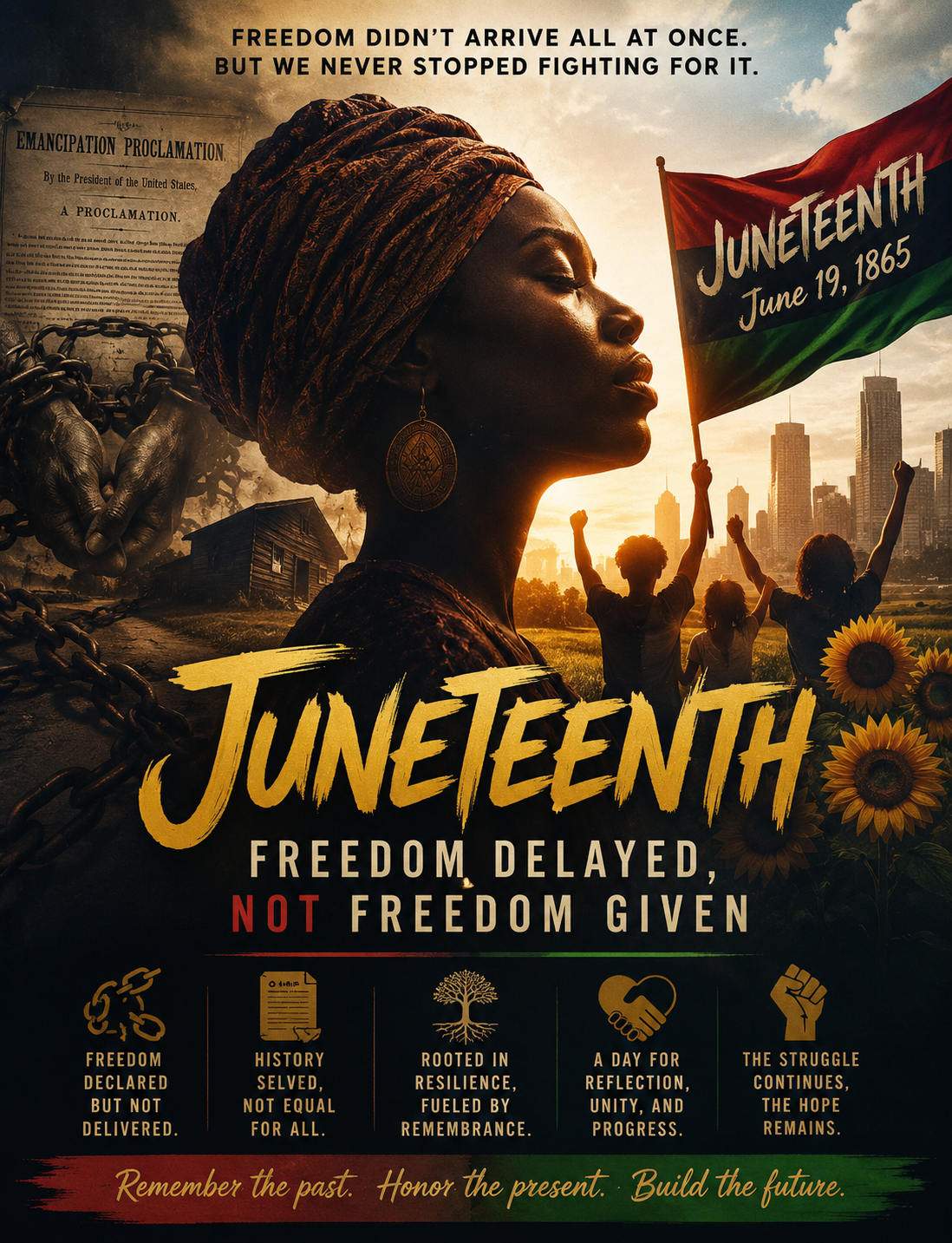
Juneteenth: Freedom Delayed, Not Freedom Given
Juneteenth is often described as a celebration of freedom—but it is also a powerful reminder that freedom in America was not immediate, equal, or fully delivered.
It marks June 19, 1865, when Union troops arrived in Galveston, Texas, and informed enslaved Black people that they were free—more than two years after President Abraham Lincoln issued the Emancipation Proclamation. That delay is not a footnote in history. It is the heart of the story.
The Emancipation Proclamation did not instantly end slavery across the United States. It applied specifically to Confederate states in rebellion, and even then, it could only be enforced where Union forces had gained control. In places still under Confederate authority, slavery continued. In border states, enslaved people remained in bondage until slavery was formally abolished nationwide by the 13th Amendment.
That is why Juneteenth matters. It reveals how uneven and fragile freedom was—even after it was declared on paper.
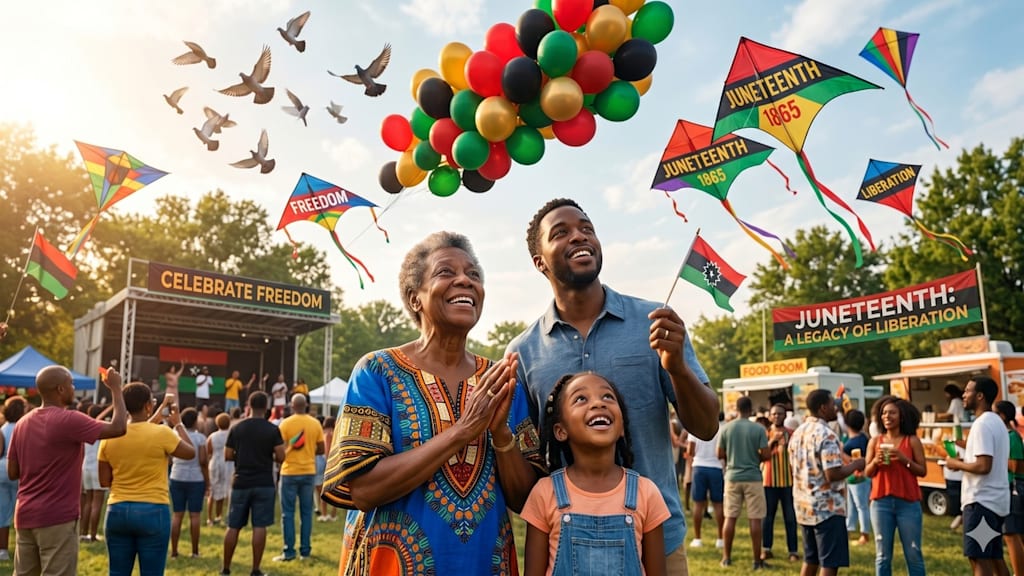
In the years since, Juneteenth has grown into a day of remembrance and celebration in Black communities. It is marked by family gatherings, music, food, storytelling, prayer, and reflection. These traditions are not just cultural—they are acts of preservation. They turn history into memory, and memory into survival.
But Juneteenth also holds space for something heavier.
For many, it is not only a celebration of emancipation, but a reminder of what emancipation did not immediately repair. Even after slavery ended, Black Americans were met with segregation, violence, displacement, and systems designed to maintain inequality in new forms. Freedom, in practice, has always been something fought for long after it was declared on paper.
Juneteenth is also a real federal holiday. It was officially recognized in 2021, and it belongs in the same national conversation as other holidays that honor freedom, justice, and Black history. It is not a matter of choosing between Martin Luther King Jr. Day and Juneteenth. We can honor both. Martin Luther King Jr. Day recognizes the life and work of a leader who fought for civil rights, while Juneteenth marks the long-delayed announcement of freedom for enslaved Black Americans. Both matter. Both belong.
Juneteenth is also not only observed by Black Americans. In recent years, more people of all backgrounds have begun acknowledging and participating in the holiday. This is not about ownership of the day, but understanding its meaning. For many, it is an opportunity to learn a more complete version of American history and to reflect on how its impact still shapes society today.
But for me, Juneteenth has always been more complicated.
As a Black woman raised in the South, Juneteenth has always stirred mixed emotions in me.
When I look at my own birth certificate and see the term "Negro" listed, I am reminded that history is not nearly as far behind us as many people would like to believe. Just as freedom did not arrive all at once in 1865, neither did recognition, dignity, or equality. Some states were far slower than others to let go of outdated labels and attitudes, mirroring the way freedom itself was delivered in fragments rather than as a universal promise.
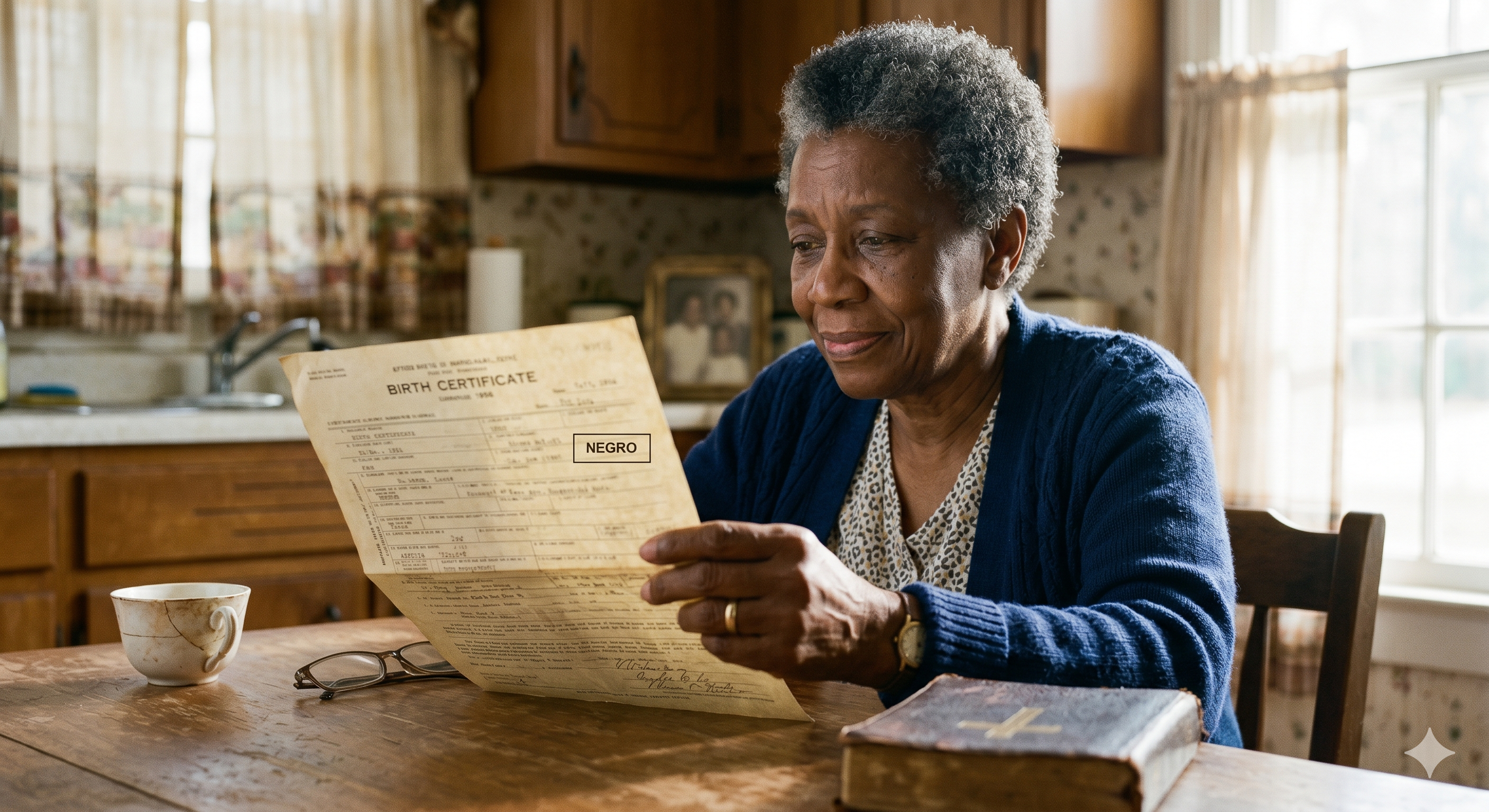
History is not as distant as many people think. The struggle did not end in 1865, nor in 1965. In many ways, it continues today—through conversations about opportunity, equality, justice, and even the teaching of history itself.
One of the freedoms we continue to fight for is the freedom to tell the truth about our past. The stories we preserve—and the stories we choose to ignore—shape how future generations understand themselves, their country, and the sacrifices that came before them.
In recent years, debates over how Black history should be taught have intensified. Discussions about slavery, segregation, racism, and their lasting effects have become increasingly politicized. During his first term, Donald Trump created the 1776 Commission to promote what he called "patriotic education" and criticized projects such as the 1619 Project. Critics argued that these efforts minimized or softened discussions about slavery and systemic racism. More recently, concerns have been raised about attempts to characterize institutions dedicated to Black history as divisive.
Whether one agrees with those policies or not, the debate itself demonstrates that the struggle over how our history is remembered is far from over. To me, that matters because Juneteenth is not just about freedom from the past. It is also about preserving the truth of that past for those who come after us. If future generations do not understand where they came from, they cannot fully appreciate how hard-won many of their freedoms truly are.
At the same time, I believe remembrance should come with responsibility. Our ancestors endured unimaginable hardships. Many sacrificed their freedom, their families, and their lives so future generations could pursue opportunities they were denied. Because of their sacrifices, many of us can attend schools they could not enter, pursue careers they could not imagine, and build lives they were never allowed to have.
Yet I sometimes wonder whether we fully appreciate those sacrifices. Too often, I see divisions within our own communities that prevent us from moving forward together. Whether that changes in my lifetime, I cannot say.
I know some people may disagree with my perspective, and that is their right. These are simply my thoughts as I reflect on what this day means to me.
That is why Juneteenth does not belong to a single emotion. It is a day that holds contradiction: celebration and mourning, liberation and delay, progress and the memory of everything still unfinished. It is not only about what ended in 1865; it is about what began after—and what continues still.
Juneteenth asks us to remember where we have been, be honest about where we are, and consider where we still need to go. It is a reminder that freedom is not just something won by one generation—it is something every generation must protect, expand, and pass forward.
May we reflect well today.
Happy Juneteenth.
About the Creator
T.D.Carter
Tilita Carter is a writer from Alabama whose work explores all the aspects of family. Sunday Best is her first submission, and she is currently working on a collection of stories inspired by life growing up in Southern state of Alabama.
Enjoyed the story? Support the Creator.
Subscribe for free to receive all their stories in your feed.
Comments
There are no comments for this story
Be the first to respond and start the conversation.