
How Israel Targeted Hamas Leader in Iran?
Israel Targeted Leader in Iran?

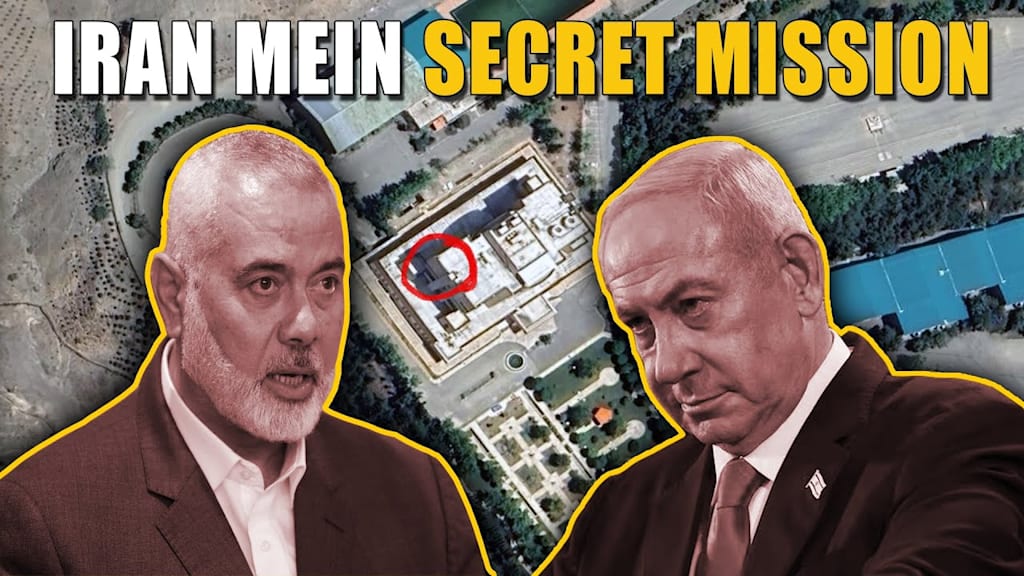
This incident dates back to the night of July 31, 2024, around 2:00 AM, in Tehran, inside the presidential palace compound.
A powerful explosion suddenly shook the area.
This was no ordinary night—and certainly not an ordinary location. The reason? It was just the second day after the oath-taking ceremony of Iran’s newly elected president, Masoud Pezeshkian.
The lush compound houses several royal-style buildings. At one edge stands a five-story guest house reserved for high-profile state visitors. It was on the third floor of this very building that the explosion occurred.
And the person staying there was no ordinary guest.
He was Ismail Haniyeh—a former Prime Minister of Palestine and a key leader of Hamas.
This was clearly a high-profile assassination.
Many reports suggested that Israel’s intelligence agency, Mossad, was behind the attack. However, as usual, Israel neither confirmed nor denied any involvement.
What made this even more shocking was that Haniyeh was inside Iran’s presidential compound, under the protection of the Iranian Revolutionary Guard, and staying there as an official state guest.
If Israel really carried out this operation, it raises some serious questions:
How was such an operation executed nearly 2,000 km away?
Why was Haniyeh targeted in such a unique and dramatic way?
And most importantly—why target him in Iran?
After all, he spent most of his time in countries like Qatar, Turkey, and Egypt. Why not strike there instead?
To understand this, we need to look at a past mistake.
Back in 2010, Mossad carried out an operation in Dubai targeting a Hamas logistics officer named Mahmoud al-Mabhouh. The mission involved around 20 agents using fake passports from multiple countries.
They tracked him across visits and eventually assassinated him in his hotel room using a sophisticated method that left almost no physical trace.

At first, authorities believed it was a natural death.
But later, CCTV footage exposed everything.
The movements of all agents were recorded. Immigration data showed that the same group had entered and exited Dubai together multiple times, closely matching the target’s travel.
This led to a global scandal.
The fake passports used belonged to real citizens of allied countries like the UK, Australia, Germany, and Ireland. These nations were furious that their identities had been misused.
This operation damaged Israel’s reputation and strained its relationships with allies.
Since then, Israel has been extremely careful not to conduct such operations in allied countries.
Now consider this:
Hamas leadership operates openly in Qatar.
The U.S. also has a strong presence there.
In fact, Qatar hosts Hamas leaders partly to facilitate negotiations.
Targeting someone there would create massive diplomatic fallout.
The same applies to Turkey and Egypt—both are strategically important partners.
But Iran?
Iran is not a U.S. ally.
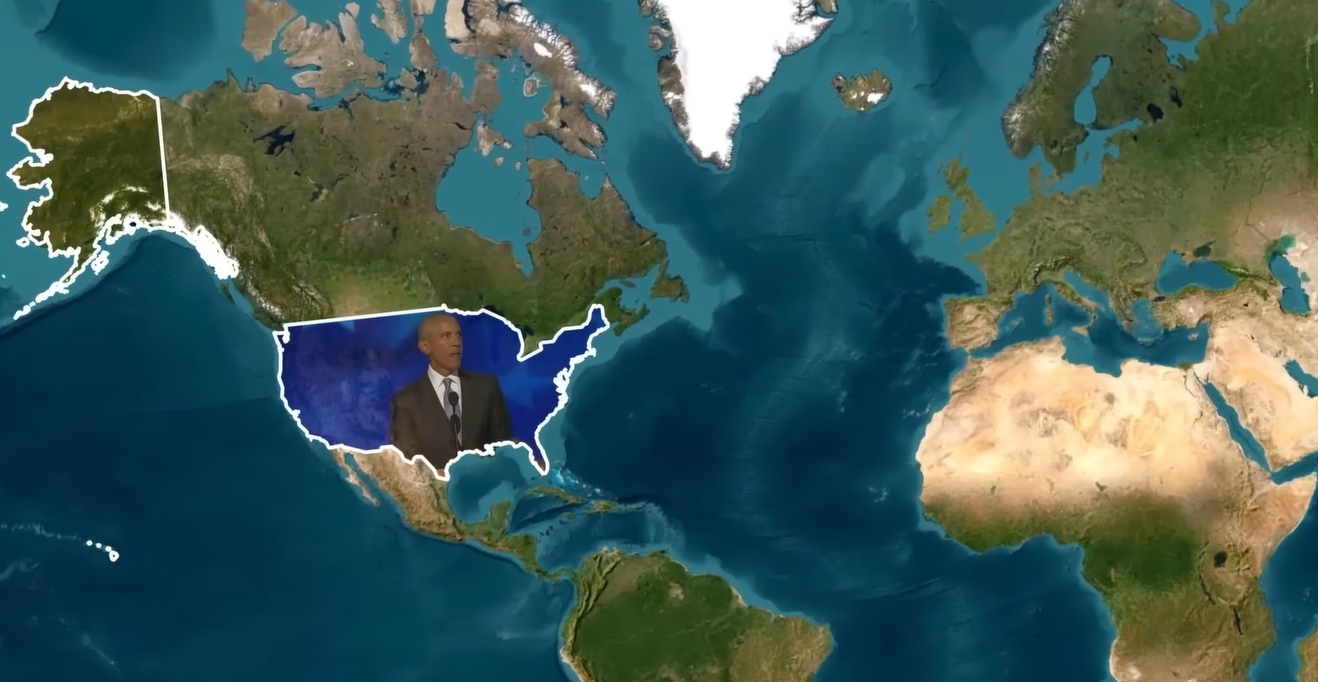
That makes it a much more “acceptable” location for such an operation—at least from a geopolitical standpoint.
Now, here’s where things get even more interesting.
On May 19, 2024, a helicopter crash killed Iran’s former president. This led to a new presidential inauguration.
Mossad anticipated that Ismail Haniyeh would be invited to attend the ceremony—and they were right.
Reports suggest that a bomb was planted inside the guest house weeks before the event. This wasn’t a simple timed device, but a remotely controlled explosive.
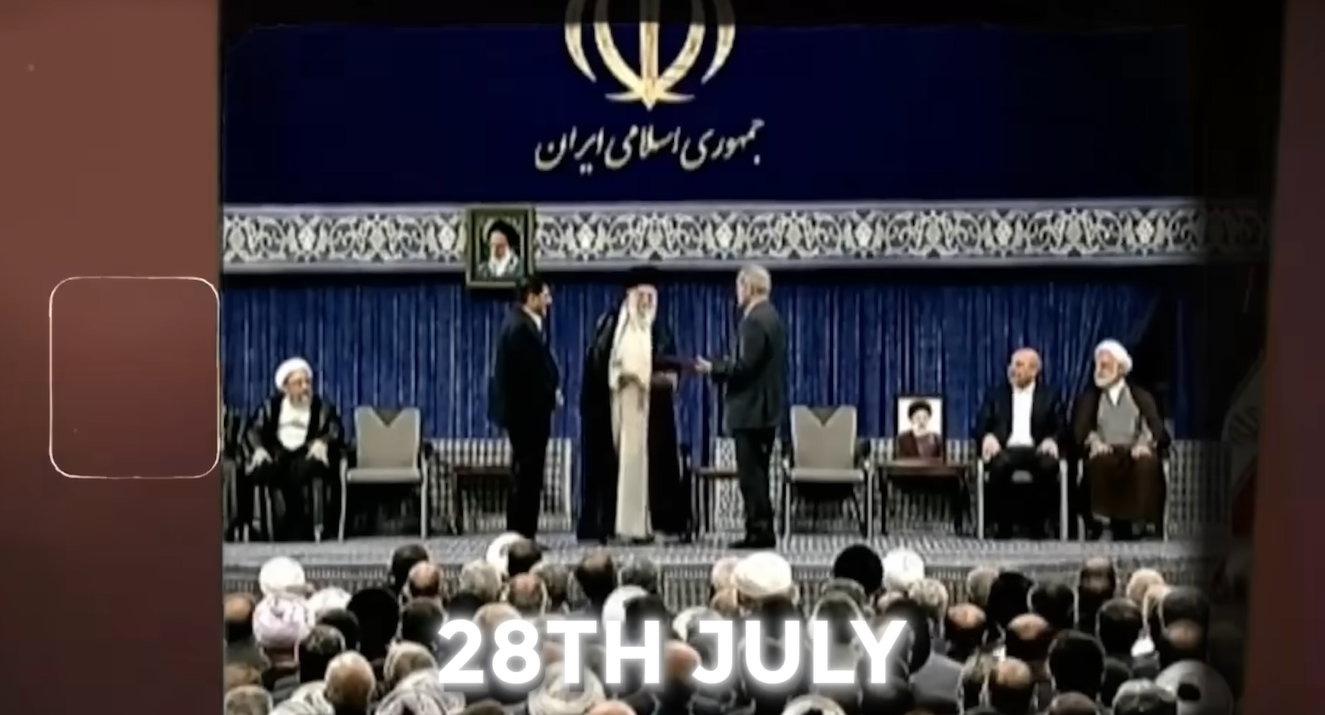
Haniyeh attended the ceremony on July 28, met Iran’s Supreme Leader, and stayed at the guest house on July 30.
The attackers were monitoring his movements closely.
The palace itself is located near a ski resort area, with a long chairlift offering a clear view of the compound—making surveillance easier.
At around 1:40 AM, once the lights in his room went off, the attackers triggered the bomb planted beneath the bed.
The explosion ended his life instantly.
The purpose of such operations goes beyond just eliminating a target.
It’s about sending a message.
A message of fear.
To show that no matter how secure someone believes they are… they can still be reached—anytime, anywhere.
About the Creator
Imran Ali Shah
🌍 Vical Midea | Imran
🎥 Turning ideas into viral content
✨ Watch • Share • Enjoy
Enjoyed the story? Support the Creator.
Subscribe for free to receive all their stories in your feed.
Comments
There are no comments for this story
Be the first to respond and start the conversation.