
How Europe Learned to Stay Warm
The Evolution of Heating Systems, Fuel Sources, and Energy Technologies Through the Centuries

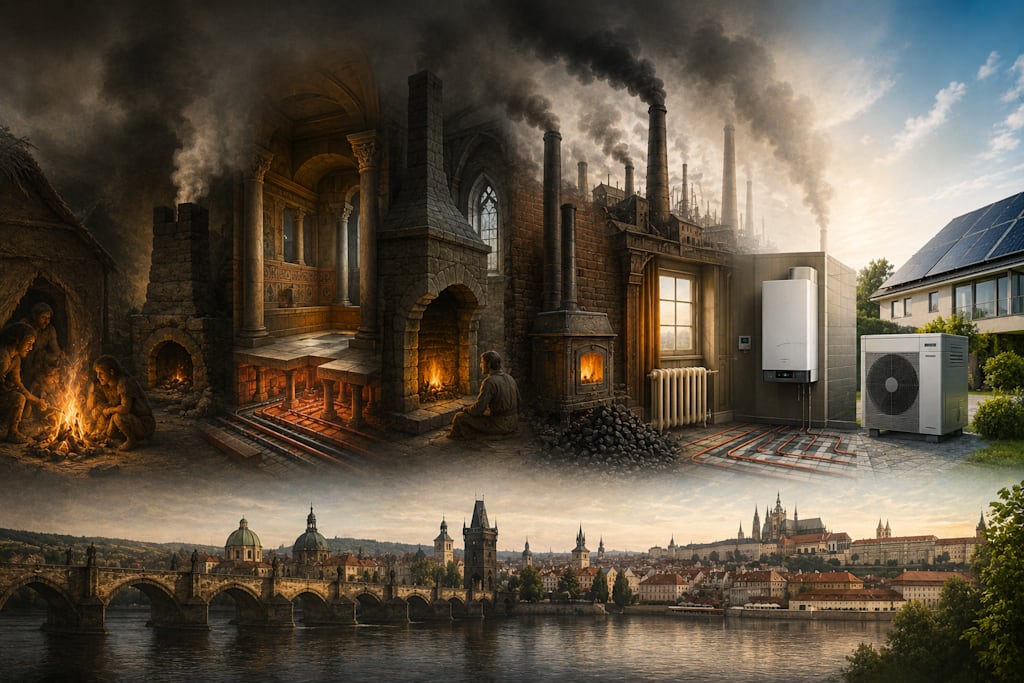
The History of Heating Systems in Europe: From Open Fires to Modern Energy Solutions
How European societies transformed the way they heat homes, cities, and communities
For most of human history, staying warm was not simply a matter of comfort—it was a matter of survival. Across Europe, the development of heating systems has shaped architecture, urban planning, technology, and even social life. From primitive hearths in ancient settlements to sophisticated modern heating networks, the evolution of heating reflects broader changes in energy use, resource management, and technological innovation.
Today, discussions about energy efficiency, renewable fuels, and sustainable heating often focus on the future. Yet understanding where modern systems come from provides valuable insight into how heating technologies have evolved and where they may be heading next.
The First Heating Systems: Fire as the Center of Life
The earliest European communities relied on simple open fires located at the center of homes. Archaeological evidence suggests that prehistoric settlements across the continent used wood as their primary fuel source, gathered from nearby forests and burned in basic hearths.
These fires served multiple purposes:
- heating living spaces
- cooking food
- drying clothing and supplies
- providing light during long winter months
While effective, open fires were inefficient. Much of the heat escaped through roofs or openings in walls, and smoke often filled interior spaces. Nevertheless, for thousands of years, wood remained the foundation of residential heating throughout Europe.
As populations grew and settlements became more permanent, people began searching for more effective ways to retain heat and improve indoor comfort.
The Roman Revolution: The Birth of Central Heating
One of the most remarkable advances in the history of heating came during the Roman Empire.
The Romans developed the hypocaust system, an early form of central heating that circulated hot air beneath floors and through hollow walls. Large furnaces generated heat, which was then distributed throughout bathhouses, villas, and public buildings.
The hypocaust represented a major technological breakthrough because it separated the heat source from the living space. Instead of gathering around a single fire, entire rooms could be heated more evenly.
Although these systems were expensive and primarily reserved for wealthy households and public facilities, they demonstrated that large-scale heating solutions were possible centuries before modern technology.
Following the decline of the Roman Empire, much of this knowledge was lost or became less widespread throughout Europe.
Medieval Europe: Castles, Chimneys, and Wood Fuel
During the Middle Ages, wood once again became the dominant fuel across Europe. Homes, castles, monasteries, and workshops relied heavily on fireplaces for warmth.
One of the most important innovations of this period was the widespread adoption of chimneys. Before chimneys became common, smoke escaped through holes in roofs or open windows. The chimney dramatically improved indoor air quality and made heating more practical.
Heating systems remained relatively simple, but architectural improvements gradually increased efficiency:
- enclosed fireplaces reduced heat loss
- stone construction improved heat retention
- larger chimneys improved ventilation
- better room layouts concentrated warmth where it was needed most
Woodlands became strategic resources, and many regions introduced regulations to manage forest use and prevent shortages of fuel.
Coal Changes Europe
Beginning in the late medieval period and accelerating during the Industrial Revolution, coal emerged as a major alternative to wood.
Coal offered several advantages:
- higher energy density
- longer burn times
- easier transportation over long distances
- suitability for industrial production
Cities such as London became heavily dependent on coal heating. Throughout the nineteenth century, coal-fired stoves and furnaces spread across Europe, transforming both domestic heating and industrial energy systems.
However, coal also introduced new challenges. Urban air pollution became increasingly severe, and many industrial cities experienced persistent smoke and poor air quality.
Despite these drawbacks, coal remained one of Europe's dominant heating fuels for generations.
Prague and the Evolution of Urban Heating
Few European cities illustrate the history of heating as clearly as Prague.
For centuries, residents of Prague relied primarily on wood harvested from surrounding forests. The growth of the city created increasing demand for fuel, making firewood an essential economic commodity. Historical records show that wood deliveries played a critical role in supporting households, workshops, bakeries, and public institutions throughout the city.
As Prague expanded during the nineteenth and twentieth centuries, coal gradually became more common, particularly in urban districts where population density increased. Industrialization changed the scale of energy consumption and encouraged the development of larger heating infrastructures.
Today, Prague reflects a blend of historical tradition and modern energy solutions. While advanced heating technologies and district heating systems serve much of the city, interest in biomass and renewable fuel sources continues to grow.
This connection between historical fuel use and contemporary energy discussions remains highly relevant. Publications and platforms such as Prazske-drevo.cz often explore how traditional fuel sources like wood continue to fit into modern conversations about sustainability, energy efficiency, and responsible resource management.
The story of Prague demonstrates that heating is not merely a technical challenge—it is deeply connected to culture, urban development, and environmental priorities.
The Rise of Modern Heating Technologies
The twentieth century brought rapid innovation in heating systems.
New technologies included:
- central heating systems
- gas boilers
- oil-fired furnaces
- electric heating
- district heating networks
These systems offered greater convenience and comfort than traditional fireplaces or stoves. Entire buildings could be heated automatically, reducing labor and improving efficiency.
At the same time, growing awareness of environmental issues encouraged engineers and policymakers to seek cleaner alternatives to fossil fuels.
Renewable Energy and the Return of Biomass
In recent decades, Europe has entered a new phase of energy transition.
Concerns about climate change, sustainability, and energy security have accelerated interest in renewable energy systems. While solar and wind power often receive the most attention, biomass remains an important component of Europe's energy mix.
Modern wood-based fuels differ significantly from traditional firewood:
- wood pellets provide standardized fuel quality
- briquettes offer efficient storage and transportation
- advanced biomass boilers achieve higher efficiency
- improved combustion technologies reduce emissions
These innovations demonstrate how one of humanity's oldest fuel sources continues to evolve within modern energy systems.
Looking Toward the Future
The history of heating systems in Europe is ultimately a story of adaptation.
Every generation has faced its own energy challenges, from securing enough firewood for winter to developing large-scale industrial fuel networks and, more recently, reducing environmental impact while maintaining reliable heating.
Future heating solutions will likely combine multiple technologies:
- renewable energy sources
- smart energy management systems
- energy-efficient buildings
- sustainable biomass fuels
- advanced district heating infrastructure
As Europe continues its transition toward more sustainable energy systems, the lessons of history remain valuable. The evolution of heating shows that progress rarely comes from abandoning the past entirely. Instead, it often comes from improving, refining, and reimagining the resources and technologies that have supported society for centuries.
About the Creator
Prazske Drevo
Pražské Dřevo propojuje témata energie, vytápění a udržitelného přístupu do jednoho prostoru, kde vznikají praktické informace, aktuální trendy a inspirace pro každodenní život.
Enjoyed the story? Support the Creator.
Subscribe for free to receive all their stories in your feed.
Comments
There are no comments for this story
Be the first to respond and start the conversation.