
From Prisoner to President
A Long Walk from Darkness to Light

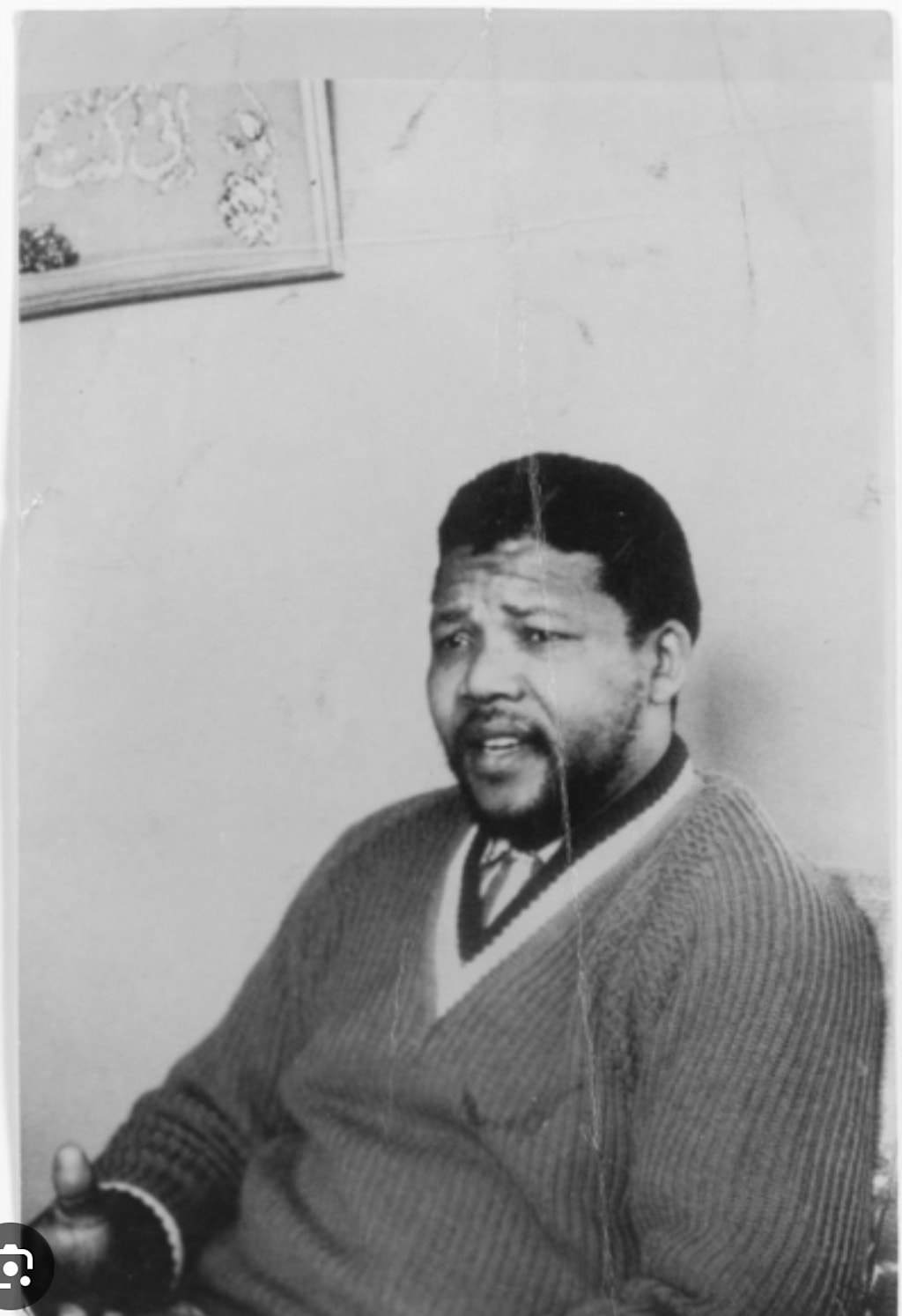
There are some lives that do not simply pass through history—they reshape it. Nelson Mandela’s life was one of those rare journeys, a story not only of struggle, but of transformation so profound that it changed the destiny of a nation.
A Child of Quiet Beginnings
Nelson Rolihlahla Mandela was born in 1918 in a small village called Mvezo in South Africa. His early life was simple—open fields, traditional customs, and the rhythms of rural life. But even as a child, there was something steady in him, something observant.
He listened more than he spoke. He watched how elders resolved disputes under trees, how words could carry weight without violence. Perhaps that is where the first seeds of his future were planted—not in power, but in patience.
As he grew older, he left his village to study. Education opened his eyes to a world beyond his own—and also to a harsh truth: South Africa was deeply divided. Under apartheid, people were separated by race, and Black South Africans were denied basic human rights.
Mandela could not accept that.
The Awakening of Resistance
In Johannesburg, Mandela became a lawyer—one of the few Black lawyers at the time. He saw injustice every day: families broken, people silenced, dignity stripped away.
He joined the African National Congress (ANC), a movement dedicated to ending apartheid. At first, his resistance was peaceful—marches, protests, speeches.
But the government responded with force.
Protesters were beaten. Leaders were arrested. Voices were crushed.
Mandela realized that peaceful protest alone might not be enough. It was a difficult, controversial decision, but he helped form a group that would resist more actively. Even then, he tried to avoid harm to innocent people.
Still, the government saw him as a threat.
The Trial That Echoed Across the World
In 1964, Mandela stood in court, facing a sentence that could end his life.
Instead of pleading for mercy, he gave a speech that would echo through history.
He spoke of equality. Of dignity. Of a dream where all people—Black and white—could live together in peace.
And then he said:
“It is an ideal for which I am prepared to die.”
The courtroom fell silent.
He was sentenced not to death—but to life in prison.
The Silence of Robben Island
Mandela was sent to Robben Island, a cold, isolated place surrounded by unforgiving sea.
His prison cell was small—barely enough space to lie down. He slept on a thin mat. Each day, he worked in a limestone quarry under the burning sun. The white dust damaged his eyes permanently.
Letters from family were rare. Visits were limited and brief.
Years passed.
Then more years.
Then decades.
Twenty-seven years in total.
Most people would have emerged broken, filled with anger or despair. But something extraordinary happened in that prison.
Mandela changed—but not in the way his captors expected.
The Strength to Forgive
Prison became his place of reflection. He studied. He thought deeply. He learned the language of his oppressors so he could understand them better.
He came to a powerful realization:
If he left prison filled with hatred, he would still be a prisoner.
So he chose something far more difficult than revenge.
He chose forgiveness.
Not because what happened was acceptable—but because he believed the future mattered more than the past.
The Day the World Watched
In 1990, after 27 years, Nelson Mandela walked out of prison.
The world held its breath.
Would he call for revenge?
Would South Africa fall into violence?
Mandela raised his fist—not in anger, but in strength.
And his message was clear: It was time to build, not destroy.
A Nation Reborn
Just four years later, in 1994, South Africa held its first democratic election.
People of all races stood in long lines, waiting for hours just to vote—many for the first time in their lives.
Nelson Mandela was elected president.
But his greatest achievement was not winning power.
It was how he used it.
He worked to unite a deeply divided country. He invited former enemies to sit at the same table. He supported the Truth and Reconciliation Commission—a process where victims could speak their pain, and perpetrators could confess, not for punishment alone, but for healing.
It wasn’t perfect. Nothing that deep ever is.
But it prevented a nation from tearing itself apart.
The Legacy of a Gentle Giant
Mandela stepped down after one term—choosing not to hold onto power, but to strengthen democracy instead.
He spent the rest of his life promoting peace, education, and human dignity.
When he passed away in 2013, the world didn’t just mourn a leader.
It mourned a symbol.
⸻
What Makes His Story Beautiful
Nelson Mandela’s story is not just about suffering.
It is about choice.
* The choice to stand up when it’s easier to stay silent
* The choice to endure when giving up seems logical
* The choice to forgive when anger feels justified
He showed that true strength is not loud or violent.
It is calm. Patient. Unbreakable.
⸻
In the end, Mandela didn’t just walk out of prison.
He walked an entire nation toward hope.
And that is why his story will never fade.
About the Creator
Mudasir Hakeemi
I am poor boy
Enjoyed the story? Support the Creator.
Subscribe for free to receive all their stories in your feed.
Comments
There are no comments for this story
Be the first to respond and start the conversation.