
The consistent indecisiveness of war.
In his book, Age of Battles, Russ Weigley notes the “recalcitrant indecisiveness of war throughout the age of battles made war consistently dubious as a means of though the employment of which to secure the political ends of the state.” He concludes that warfare was not a “worthy instrument of policy but an expression of the bankruptcy of policy.” (pg. 539).
As we enter into another month of conflict with Iran it’s looking like Weigley’s views of battle in the seventeenth, eighteenth, and nineteenth centuries is likely true today as well.
In fact, the age of decisive battle itself is likely a chimera, a story generals would tell each other, despite never really experiencing it themselves.
Where there ever battles that might be considered decisive – one battle and the war is over? History is not filled with many examples.
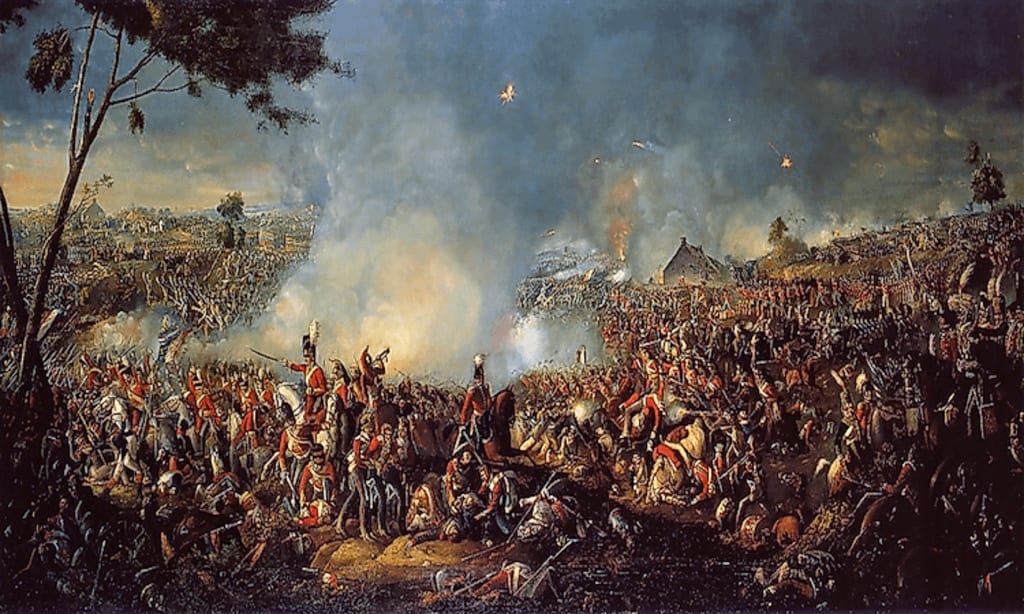
There were certainly battles in which one side one a decisive victory over the other – and yet the war continued. Napoleon won a series of dramatic and individually decisive victories over his opponents. Austerlitz, Jena-Auerstedt, and Wagram were all significant wins for Bonaparte. But when you remember they occurred within a four-year period, and the Napoleonic wars would drag on for another six, can any of them be considered decisive? And Waterloo, while it ended the war has to be regarded as the final battle in a 20 year conflict.
The American Civil War follows a similar path. The Rebels won decisively over their opponents at places like Chickamauga, Fredericksburg, and Chancellorsville, but still lost the war. Even victories like Gettysburg and Vicksburg occurred at the middle of the conflict. Those victories provided a substantial defeat for the Rebels but not enough to cause them to exit the war. And while the Union armies would win crushing victories against the Rebels in 1864 and 1865 at places like Nashville, Five Forks and Sailor’s Creek – those victories were after 4 long years of warfare, after ruinous casualties and destruction had taken their toll. The only decisive element by the end was attrition and devastation.
Truly decisive battles are harder to find. The Wars of German Unification and the First Gulf War provide some examples of more successful and more decisive battles. The Battle of Königgrätz in 1866 helped bring about the end to the Austro-Prussian War. The Battle of Sedan in 1870 similarly brought the defeat of the main French Army - but didn't end the war. But these were also wars for very limited aims – enough that the losing country could accept a defeat quicker because their national existence or core beliefs and needs were not at risk.
Are decisive battles only decisive when the war aims are limited and war can end quickly without one side’s humiliation? Potentially yes although history is also replete with examples of countries overrunning their neighbors. Weigley's warning about the consistent indecisiveness of war seems to ring true into the 21st Century. The truth is that war is the most unpredictable action humans can take with incalculable numbers of variables. Why would a nation risk so much - lives, treasure, prestige - on something that is so out of humans control?
But it is an important consideration for policymakers today to think about. Today we don't seem to have a strong idea what our policy or goals are with the Iranian regime. We are threatening its oil supply which it needs to survive economically. We are setting ourselves up for consistent indecisiveness unless we adjust our actions soon.
About the Creator
Enjoyed the story? Support the Creator.
Subscribe for free to receive all their stories in your feed.
Comments
There are no comments for this story
Be the first to respond and start the conversation.