
Buried pirate treasure.
Maps, shipwrecks - myths and history.


Buried pirate treasure is largely a myth. Real pirates rarely buried loot; they usually spent it on rum, women, and supplies as soon as they reached port. Only one pirate, Captain William Kidd, is historically confirmed to have buried treasure.
Fact vs. Fiction - the "X Marks the Spot":
The idea of chests of gold buried on deserted tropical islands is largely a literary trope made famous by Robert Louis Stevenson’s 1883 novel Treasure Island.The Real Captain Kidd: Captain William Kidd buried about ten thousand lbs worth of treasure on Gardiner's Island (off Long Island, NY), which was later seized by authorities to use as evidence against him in 1701.
Shipwreck Riches: The largest, most authentic pirate loot discoveries haven't been found with a map, but at the bottom of the sea. For instance, the wreckage of the Whydah (captained by "Black Sam" Bellamy) was found off Wellfleet, Massachusetts, yielding thousands of genuine artifacts and silver and loot.
Famous Unfound Hoards:
Despite the historical rarity of buried stashes, legends of massive unrecovered pirate treasures continue to fuel modern treasure hunts:
Captain Kidd's Remaining Wealth: Legend claims that only a fraction of Captain Kidd's loot was found on Gardiner's Island. Treasure hunters still scour the East Coast of the US and the Caribbean looking for his missing hoards.
The Treasure of Lima: A massive haul of gold and silver stolen from Peru in 1820 was supposedly buried on Cocos Island, Costa Rica, by British captain William Thompson. The hoard is rumored to be worth roughly $200million.
Blackbeard's Booty: Following his death in a fierce battle off the coast of North Carolina, rumors spread that Edward Teach (Blackbeard) buried his immense riches. Despite centuries of wild claims and searches, his treasure has never been definitively located.
Did pirates really bury treasure?
Or is that just a made up Hollywood thing.?
It wasn't a Hollywood thing, it was more of a legend which developed during the Victorian era.
The only historical account we have of buried treasure concerns William Kidd, and there is controversy over whether he was even really a pirate or just an unlucky victim of circumstance. He buried a small amount of treasure on Gardiners Island in New York state in 1699, once he realized he was being hunted as a criminal. The Island's resident and owner, Lion Gardiner, was ordered to bring it to Boston for Kidd's trial, and it was used as evidence against him.
Kidd's arrest, trial, and execution were quite sensational and widely publicized, and his name entered folklore in the colonies. There were stories told in taverns up and down the East coast of the US and Canada that he had buried treasure on whatever islands were nearby.
The tales told about Kidd influenced the writing of several Victorian-era stories which feature buried treasure as a major plot point, including The Gold-Bug by Edgar Allen Poe and Treasure Island by Robert Louis Stevenson. In the preface to Treasure Island Stevenson talks about owing a debt to Washington Irving and admits he stole a little of the plot from him. This is referring to Wolfert Webber, or Golden Dreams, a short story Irving wrote and published in a book called Tales of a Traveller in 1824. One of the characters is an old man who frequents the local tavern telling tall tales about Kidd's buried treasure.
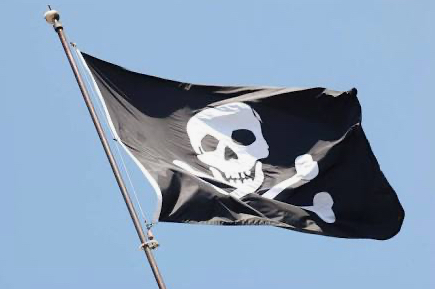
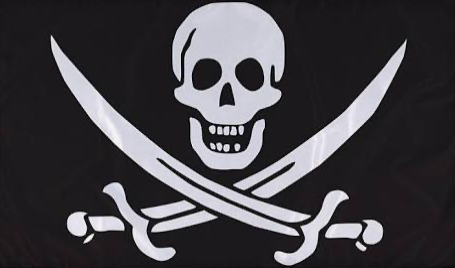
The skull and crossbones flag, famously known as the Jolly Roger, evolved during the Golden Age of Piracy (1650–1730). Pirates deployed it to strike fear into their targets, replacing solid black flags (which meant "surrender and we'll take your cargo") or red flags (which meant "no mercy").Early OriginsSymbolism of Mortality: The use of skulls and bones to denote death goes back centuries, often appearing in medieval logbooks or the art of various ancient cultures.Barbary Corsairs: Some historians trace early pirate flags to 16th-century North African corsairs who used skull emblems, sometimes on green banners.The Golden Age of PiracyThe First Recorded Design: French pirate Emmanuel Wynn is widely credited with being the first to fly the definitive skull and crossbones flag in 1700, which also featured an hourglass.Famous Variations: By the 1720s, pirates adopted customized flags to establish their reputations. Captain Edward England, Bartholomew Roberts, and Calico Jack all flew unique variations of the skull and crossbones.
Treasure maps listed in the Library of Congress.
Strong currents, shallow sandbars and fog have led to numerous shipwrecks on Sable Island, southeast of Halifax. The locations of wrecks that occurred from 1800 to 1946 are shown on the map below.
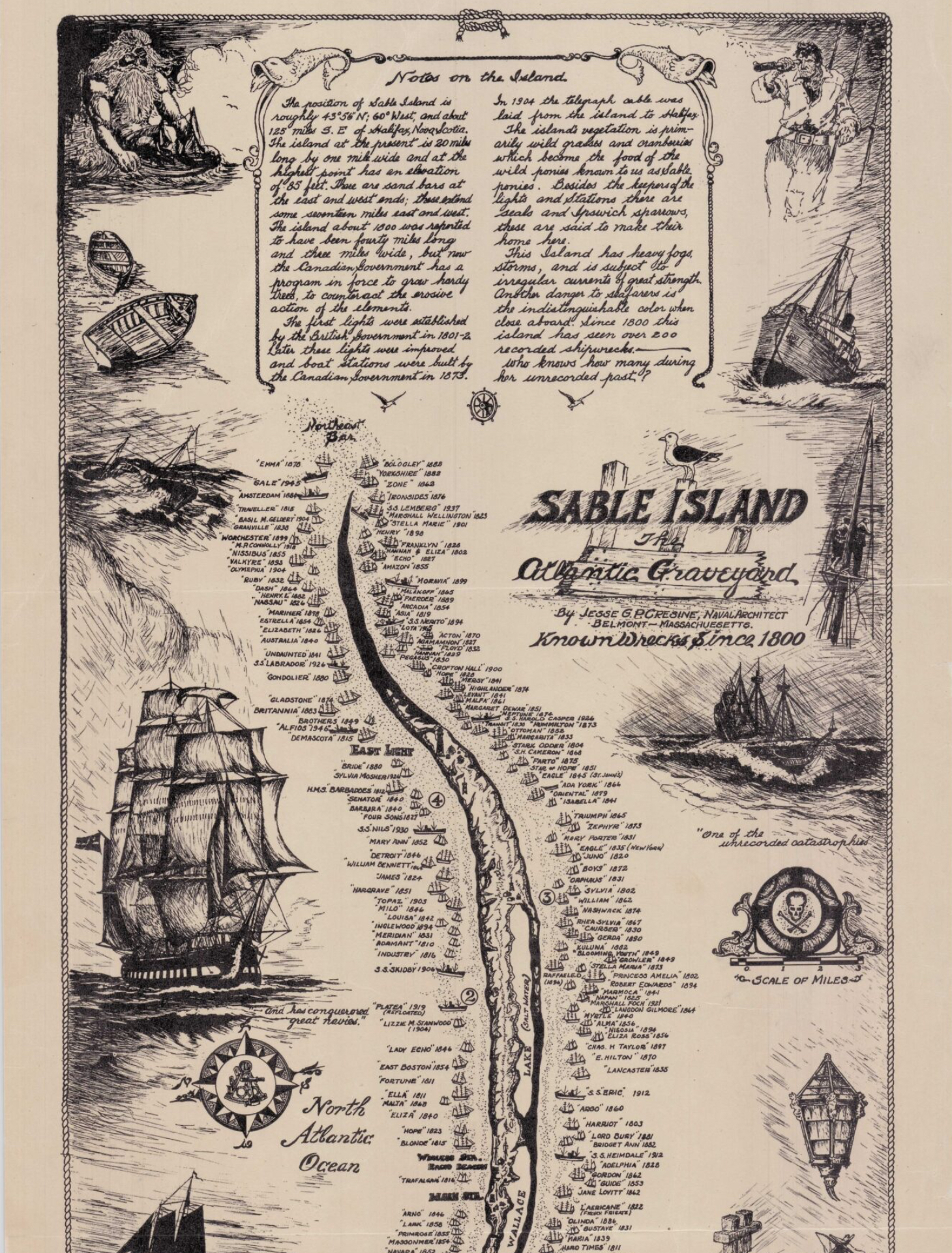
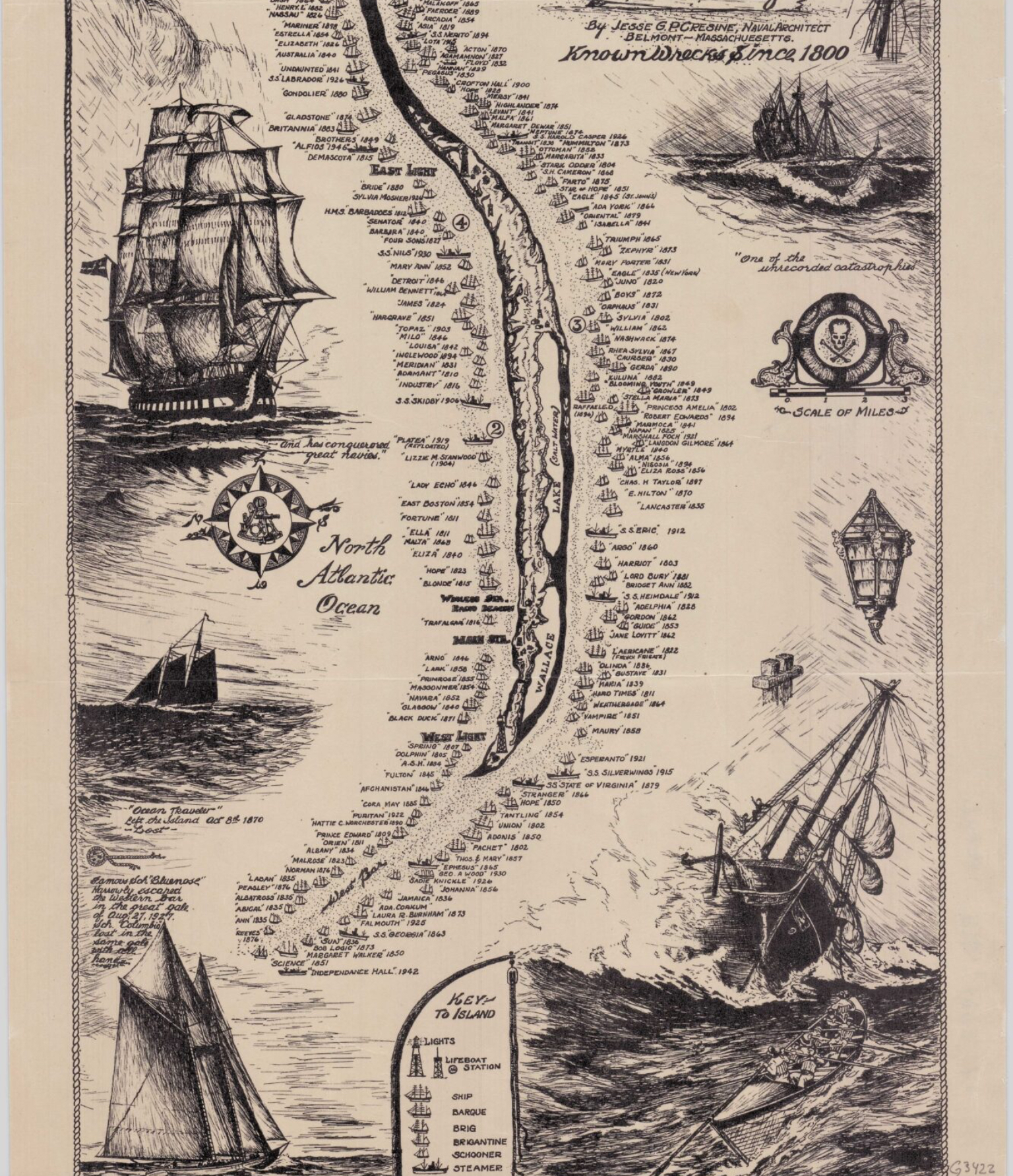
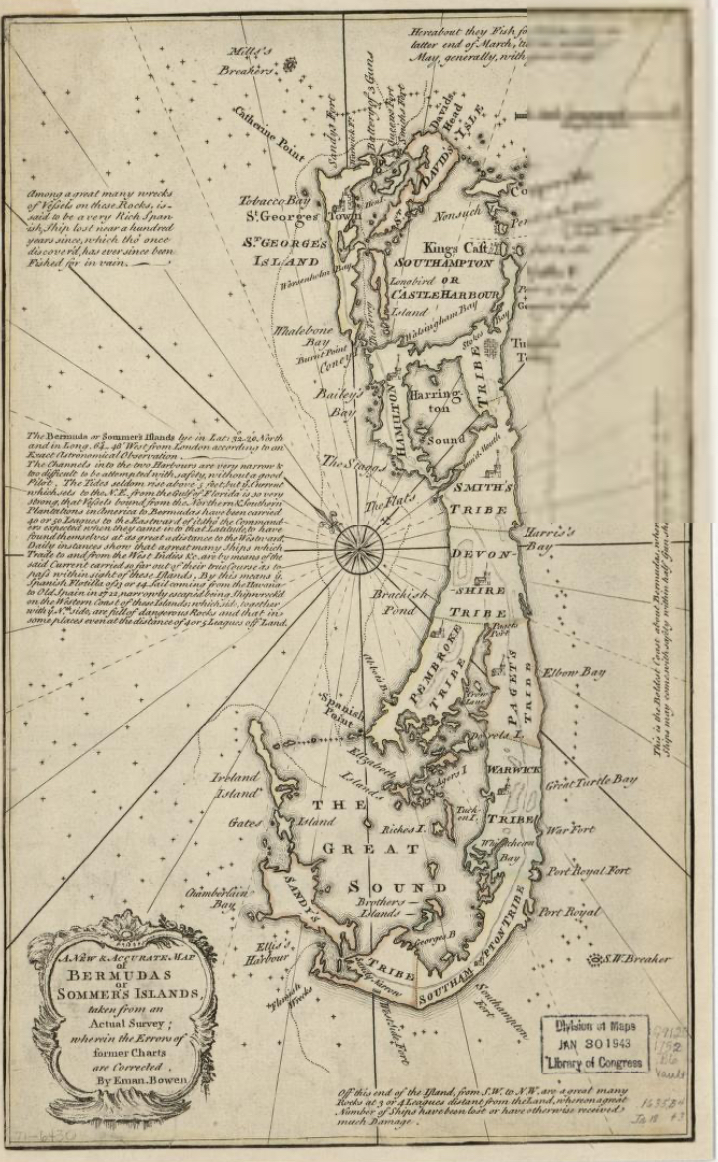
The treasure maps featured below show the locations of only a few wreck sites; however, the maps include interesting notes about shipwrecks.
This 18th century map of Bermuda was made by the Welsh cartographer Emanuel Bowen. The locations of Flemish wrecks are shown at the bottom of the map. The map includes detailed notes about dangerous rocks, ships blown off course, and a “very rich Spanish ship lost near 100 years since.”
The British cartographer Herman Moll made this map of the Caribbean region in 1715. Moll included a note on the map about Sir William Phips. Phips became a ship’s carpenter during the 1670s, a treasure hunter during the 1680s, and the first colonial governor of the Massachusetts Bay Colony in 1692. The following note about William Phips is printed on the map north of Hispaniola:
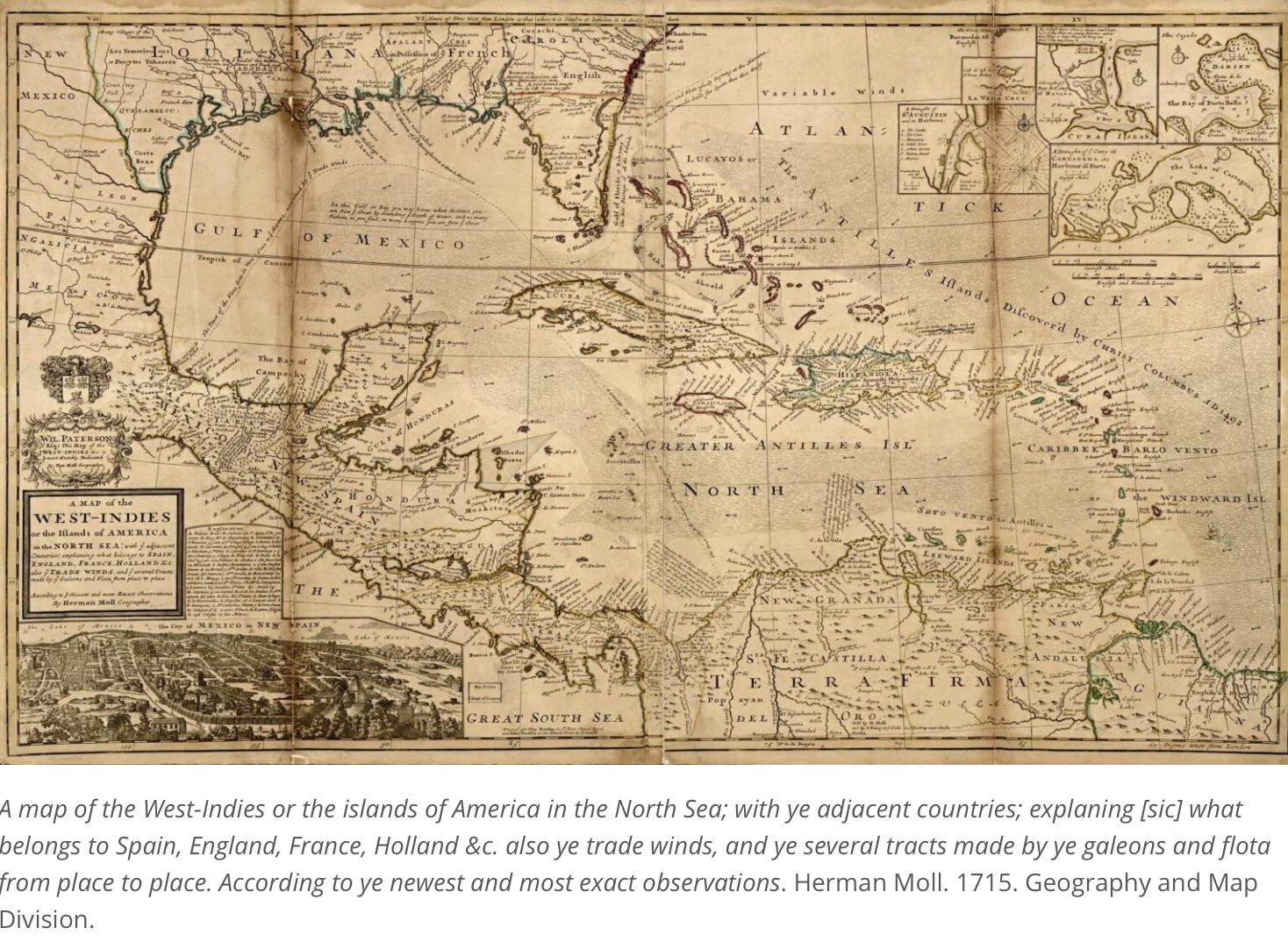
“Here Sir William Phips took up a vast quantity of silver from a Spanish wreck in 1685.”
Modern treasure hunters.
treasure hunters combine decades of historical research, advanced marine technology, and sheer perseverance. Famous names like Mel Fisher and Tommy Thompson recovered hundreds of millions in gold and silver, while modern adventurers continue to uncover hidden riches on land and at sea.
Mel Fisher: The "World's Greatest Treasure Hunter"After 17 years of searching the Florida Keys, Mel Fisher and his crew successfully located the wreckage of the Nuestra Señora de Atocha in 1985. The 1622 Spanish galleon was carrying a legendary fortune. The Mel Fisher's Treasures legacy continues today, with the recovery team having found over half a billion dollars in gold, silver chests, and thousands of uncut emeralds.
Tommy Thompson & The SS Central AmericaOcean engineer Tommy Thompson successfully located the SS Central America, a "Ship of Gold" that sank in 1857 off the coast of South Carolina. Using advanced robotics, Thompson's team pulled up an estimated $100 to $150 million in gold bars and coins from the ocean floor. However, the discovery later culminated in a major legal scandal when Thompson fled from investors and was pursued by the U.S. Marshals.Modern Subcontractors of Florida's Treasure CoastTreasure hunting remains a lucrative business off the coast of Florida, where companies like Queens Jewels and subcontractor Brent Brisben continuously search the 1715 Spanish Fleet. In the summer of 2015, crews made international headlines by bringing up $4.5 million in Spanish doubloons, alongside another $4.5 million in individual finds just a month prior.
Mike Hatcher: Master of the Nanking CargoCaptain Mike Hatcher is a marine salvage expert known for locating massive quantities of sunken wealth. He made his most prominent mark in the 1980s by salvaging the Nanking cargo from a sunken Dutch East India Company ship. The haul included over 150,000 pieces of 18th-century Chinese porcelain, which fetched millions at auction.
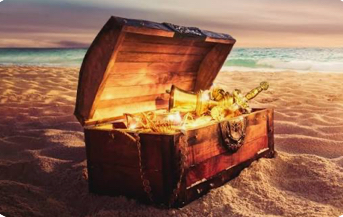
Forrest Fenn: The Landbound HuntNot all successful treasure hunts take place underwater. In 2010, art dealer Forrest Fenn hid a bronze chest filled with gold and jewels in the Rocky Mountains. He left a cryptic poem in his memoir that sparked a massive, decade-long treasure hunt. The chest was ultimately located in June 2020 by a medical student, Jack Stuef, and the exact location was revealed to be a quiet stretch of river in Yellowstone National Park.
So you would have a greater chance of finding lost treasure by looking for shipwrecks off the east coast or in the Caribbean. Happy hunting.
About the Creator
Guy lynn
I’m interested in history, space travel and the possibilities, Americana,( where I live now), Africa (Southern Africa, where I was born and raised), and I write about things that interest me ( bead history) and I hope will interest you.
Enjoyed the story? Support the Creator.
Subscribe for free to receive all their stories in your feed.
Comments
There are no comments for this story
Be the first to respond and start the conversation.