
American impact on the world.
Iconic products and inventions.

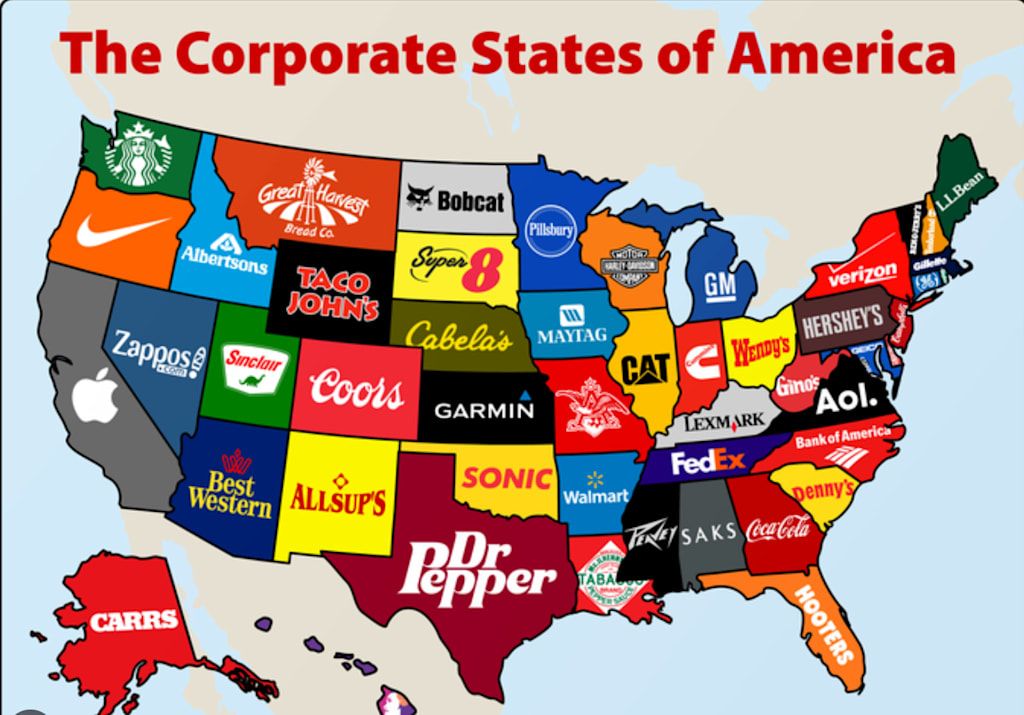
Impact of America on the world.
No matter what your ethnicity is, if you move to Russia, you are not Russian. If you move to Germany, you are not German. If you move to any country, you are not seen as that ethnicity, you will always be your original ethnicity. But if you emigrate to the U.S. and become a citizen, you immediately become an American. We are welcoming and inclusive to our immigrants. We are the only country in the world that does that. Now we might hyphenate our ethnicity - Irish American, Polish American, African American, etc. But we are all Americans.
The American flag is recognizable to everyone in the world, as is the name of our president. ( Trump).
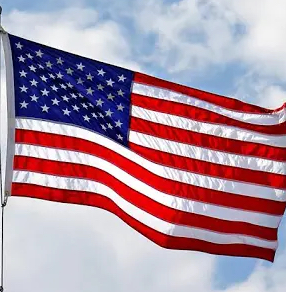
Although some other country flags are recognizable (U.K., China) the names of their leaders may not be.

Our products and inventions are iconic, and shape the culture of the world.
Our economy effects all countries, in fact, someone famously said that if America sneezes, the world catches a cold. America makes a huge impact on the world. Here are just a few examples of iconic products:
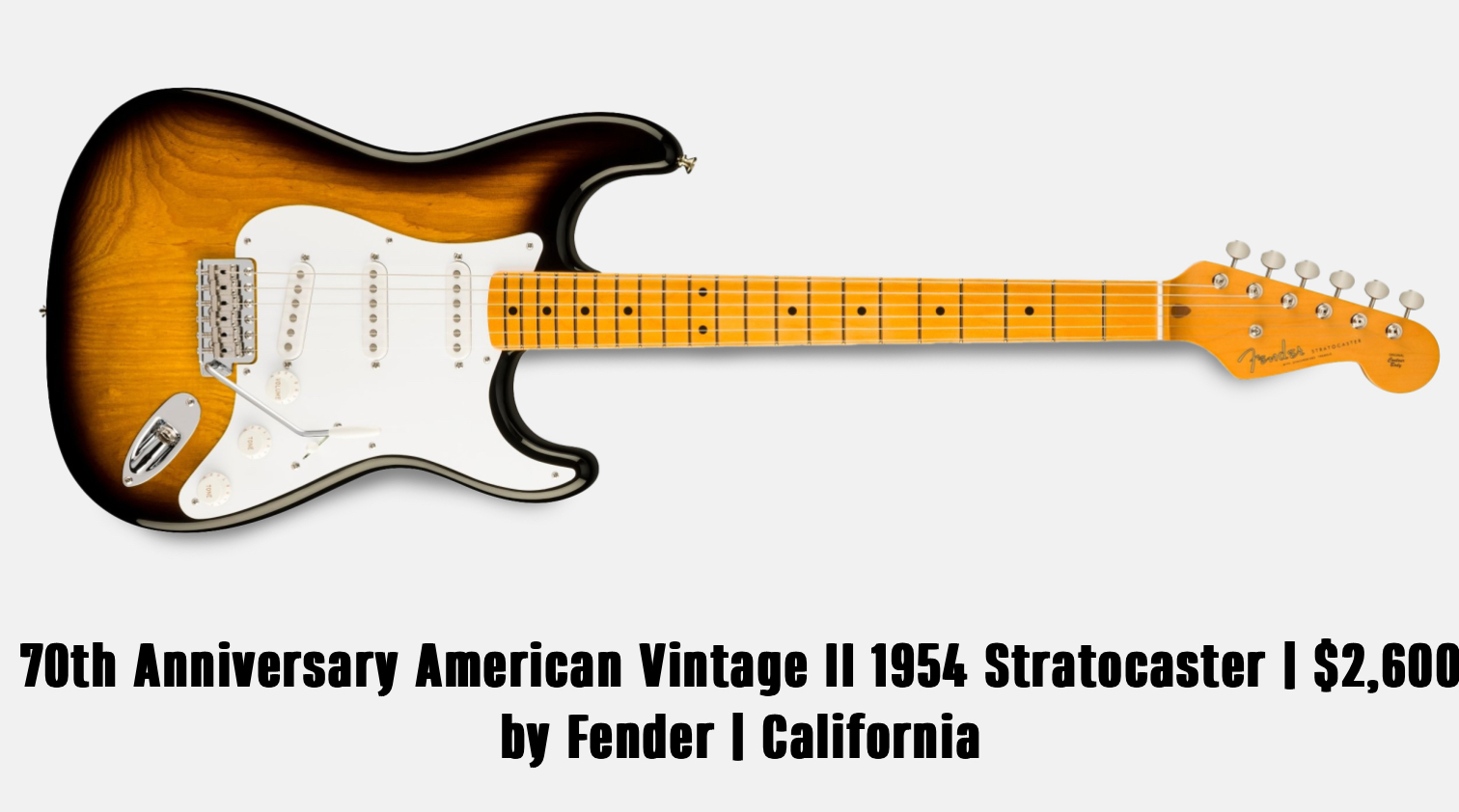
Iconic American products span industries from culinary staples to cultural exports. These definitive pieces of Americana—such as Levi’s 501 Jeans and Zippo Lighters—reflect the nation's manufacturing heritage, pop culture, and daily life. Fender Stratocaster: Designed in California, the Stratocaster is the definitive rock guitar used by legends like Jimi Hendrix.
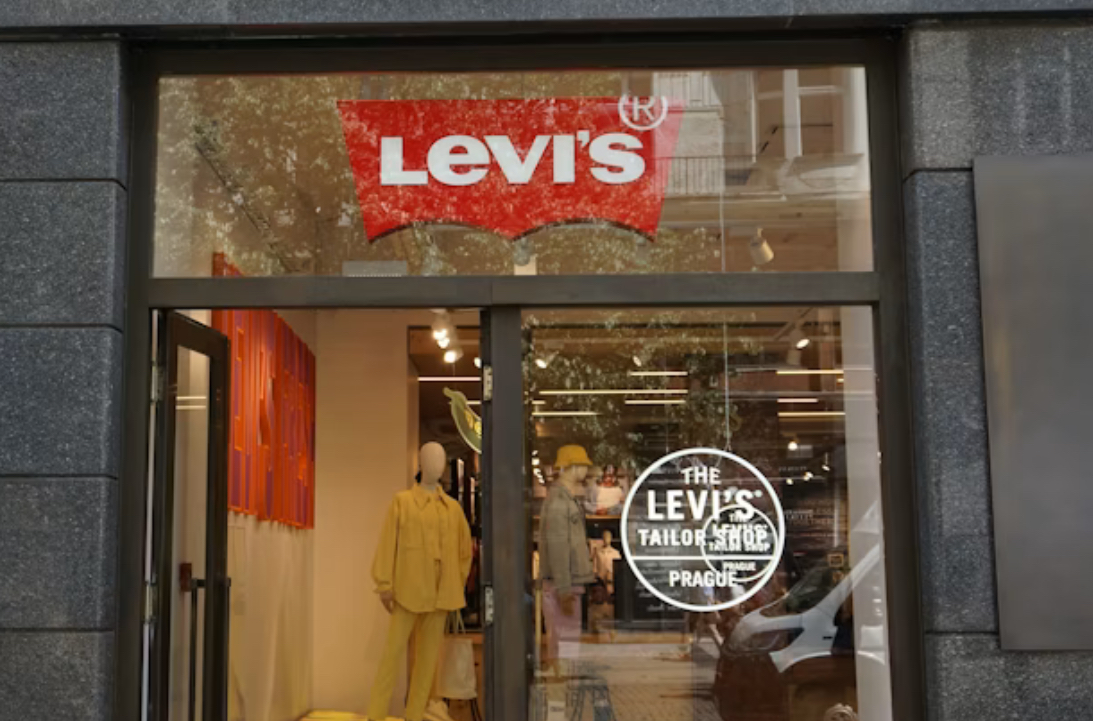
Levi's 501 Jeans: Born out of the California Gold Rush, Levi's riveted denim has defined global casual fashion for over 150 years.
Zippo Windproof Lighter: Manufactured in Bradford, Pennsylvania, since 1932, the all-metal, wind-resistant Zippo is instantly recognizable by its distinct "click".
Kitchen & HouseholdKitchenAid Stand Mixer: Assembled in Greenville, Ohio, this iconic commercial-grade mixer is a staple of American baking.
Lodge Cast-Iron Skillet: Manufactured in South Pittsburg, Tennessee, Lodge has been producing durable, legacy-quality cast-iron cookware since 1896.
Pyrex Glassware: Produced by Anchor Hocking in Charleroi, Pennsylvania, this durable borosilicate/tempered glassware revolutionized home baking and food storage.
Food & BeverageHeinz Tomato Ketchup: Known for its signature "57" branding, this thick, slow-pour condiment is a staple at American cookouts.
Hershey's Milk Chocolate: The quintessential American chocolate bar, invented in Pennsylvania in 1900, which popularized mass-produced milk chocolate.
Tabasco Sauce: Hand-aged in oak barrels on Avery Island, Louisiana, this pepper sauce has been a fiery pantry staple since 1868.
Budweiser (Anheuser-Busch)
Founded: 1876
Category: Beverages/Beer
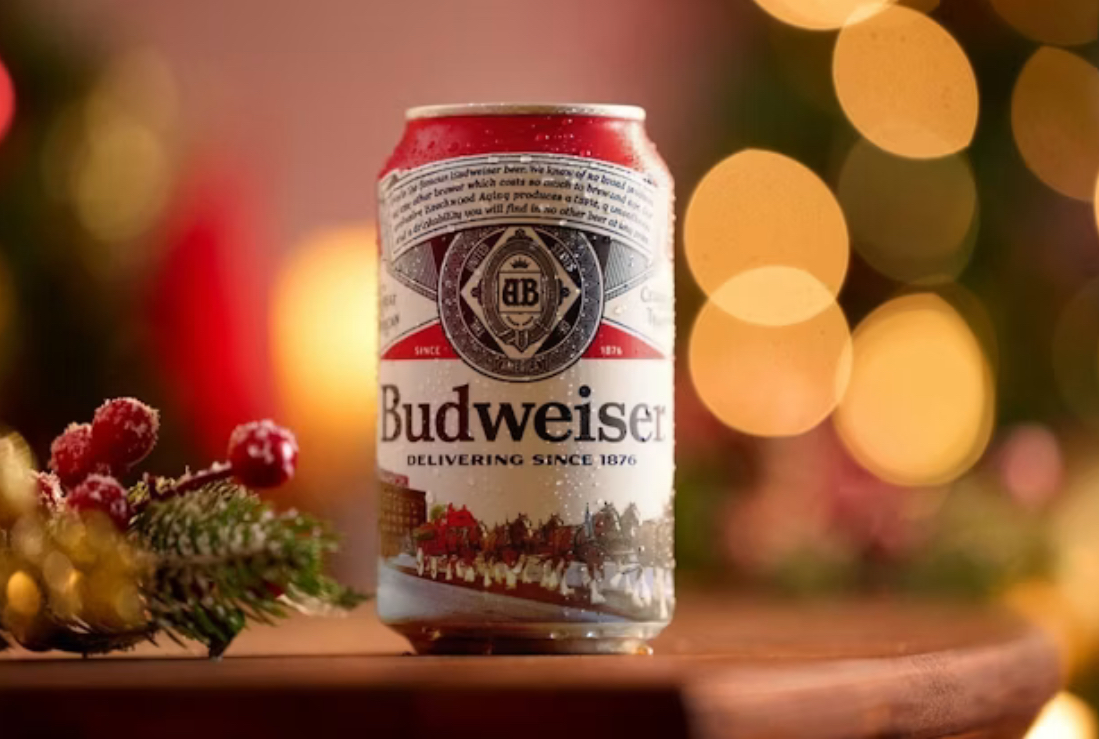
In 1860, German soap manufacturer Eberhard Anheuser bought a declining brewery business in St. Louis, Missouri. His new enterprise connected with brewery supplier Adolphus Busch, who would go on to marry Anheuser’s daughter, Lily, and work for his father-in-law at E. Anheuser & Co.
The union was fortuitous: The business later became Anheuser-Busch, and the small local brewery rapidly gained national scale when it launched Budweiser, an American-style lager inspired by German beer. The original Budweiser beer comes from the Czech Republic.
Pillsbury
Founded: 1869
Category: Cooking/Baked Goods
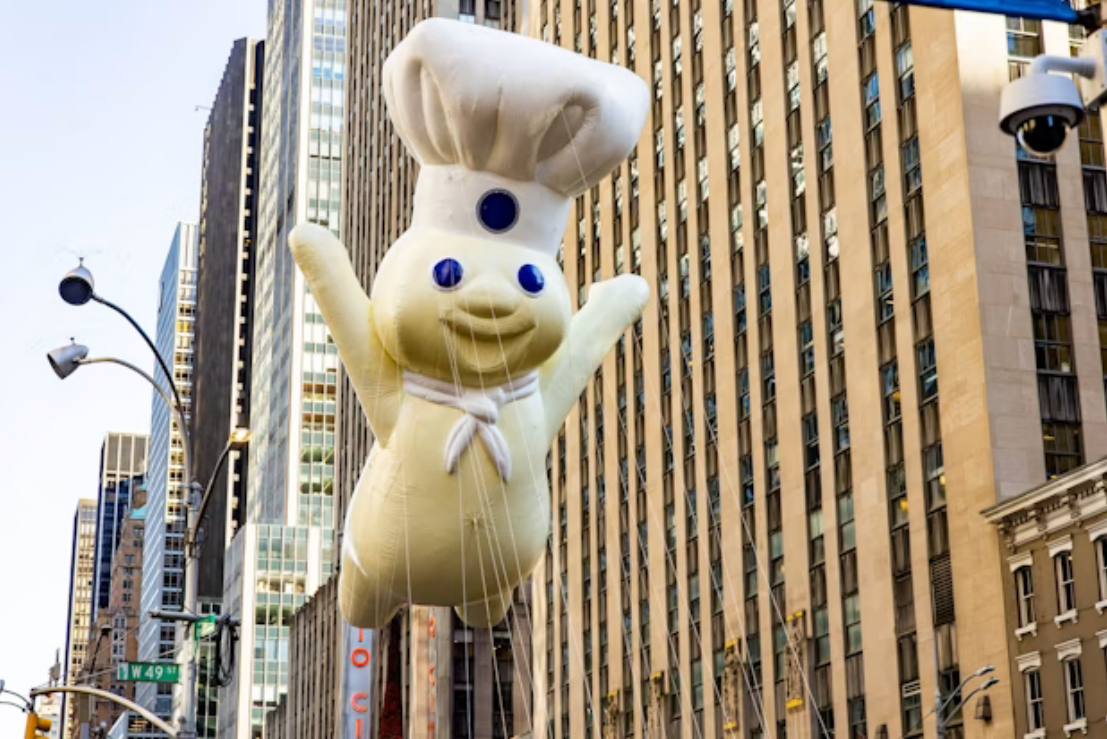
Founded by Charles Pillsbury as a flour‑milling business along Minneapolis’ Mississippi River, the company that popularized refrigerated dough and cake mixes helped bring convenience baking to mid-century American households.
Pillsbury emerged as an early pioneer in consumer goods marketing and one of the original content-driven companies, building its brand equity via a recipe-led business model to drive sales of its signature crescents, biscuits, and cinnamon buns; its iconic mascot; and the bake-offs that started in 1949 at New York City’s Waldorf Astoria Hotel.
Macy's
Founded: 1858
Category: Department Store
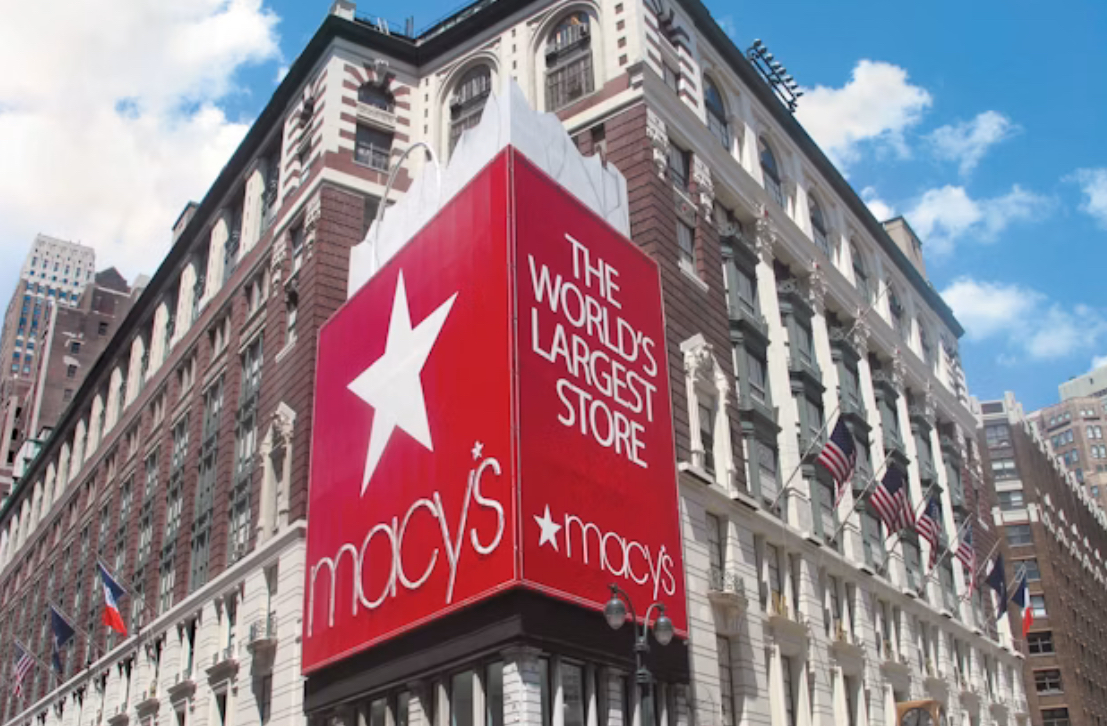
Macy’s fabled Herald Square New York City flagship store is forever immortalized in the Christmas classic “Miracle on 34th Street,” named after the address where the store still stands today.
But the retailer first debuted a mile away, when in 1858 Rowland Hussey (“R.H.”) Macy opened the R.H. Macy & Co. dry goods store on the corner of 6th Avenue and 14th Street in Manhattan.
Levi Strauss & Co.
Founded: 1853
Category: Apparel
Bavarian immigrant Levi Strauss ignited a casual apparel movement that transformed how U.S. consumers dressed.
After emigrating to New York City in 1848 and learning the ropes in his older brothers’ dry goods business, Strauss moved west and set up shop in San Francisco, eventually renaming his company Levi Strauss & Co.
A letter Strauss received in 1872 would foreshadow Levi’s dominance in the now $30 billion North American denim market. Reno, Nevada, tailor Jacob Davis, writing to his fabric supplier Strauss, shared that metal rivets were the “secret” to reinforcing the denim workwear pants of the day. The two secured a patent for “waist overalls” with metal rivets. Levi’s dubs May 20, 1873, as the official birthday of what would later be called blue jeans.
American Express
Founded: 1850
Category: Financial Services
A brand known for its financial services got its start as a very different business.
American Express began life in 1850 as a shipping company, building a reputation as a business consumers entrusted with transporting their valuable possessions during the United States’s “Go West, Young Man” era of Western expansion amid the California Gold Rush.
The company first entered financial services in the late 1800s with American Express Money Orders and Travelers Cheques. Then, in the 19th and early 20th centuries, the company continued broadening its portfolio with a range of financial and travel offerings tailored to consumer needs.
The launch of its American Express Card in 1958 ushered in a new growth phase, leading to expansion in the B2B sector with Amex’s Corporate Card debut in 1966.
John Deere
Founded: 1837
Category: Heavy Equipment/Agricultural Machinery
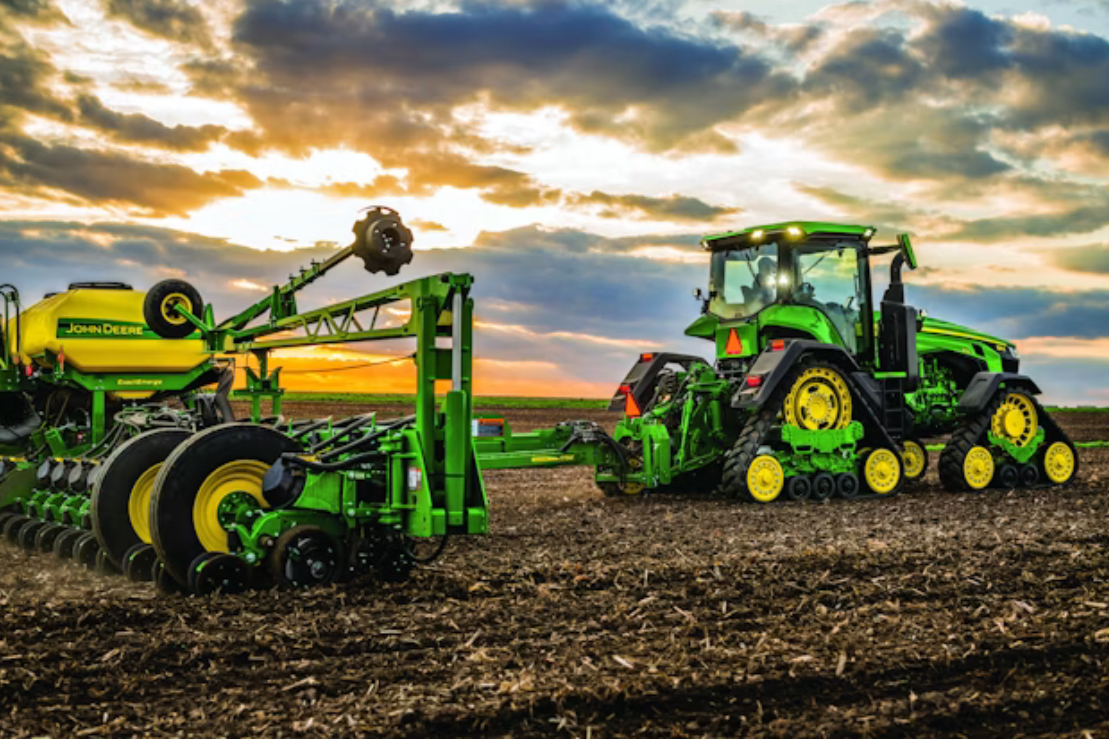
In the nearly two centuries since the American blacksmith/inventor (and namesake of the multibillion-dollar company) started out as a regional plow maker, John Deere has become the premier name in farming equipment. Its leaping deer trademark is one of the most recognizable trademarks in American industrial history, reflecting its ubiquitous presence on the tractors, mowers, and compact construction equipment that are the backbone of American agriculture.
Jim Beam
Founded: 1795
Category: Beverage/Liquor
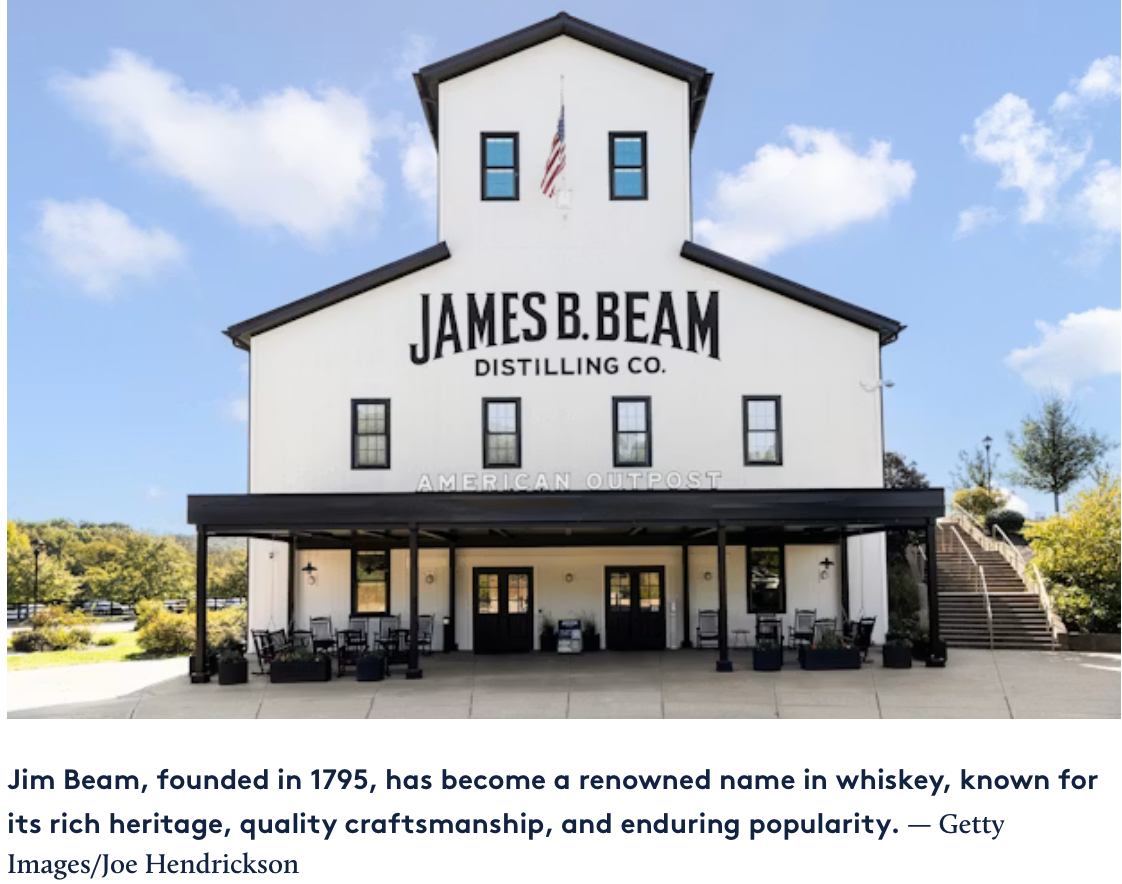
Seven years after Jacob Beam led his family west from Maryland to Kentucky, drawn by the region’s fertile corn growing land, he distilled surplus corn using his father’s recipe to create a sweeter style of whiskey. Beam sold his first barrel of Old Jake Beam Sour Mash in 1795, and it quickly gained a following despite the presence of thousands of distillers in the state at the time. A railroad expansion in 1854 made it possible to ship the brand nationally. Prohibition halted production, but Jacob’s great-great-grandson Jim Beam rebuilt the business following repeal in 1933. The Jim Beam brand has continued to grow through innovation and high-profile fans, while generating additional revenue through bourbon tourism at its Kentucky distillery, which draws more than 100,000 visitors annually.
Old Farmer’s Almanac
Founded: 1792
Category: Publishing/Reference
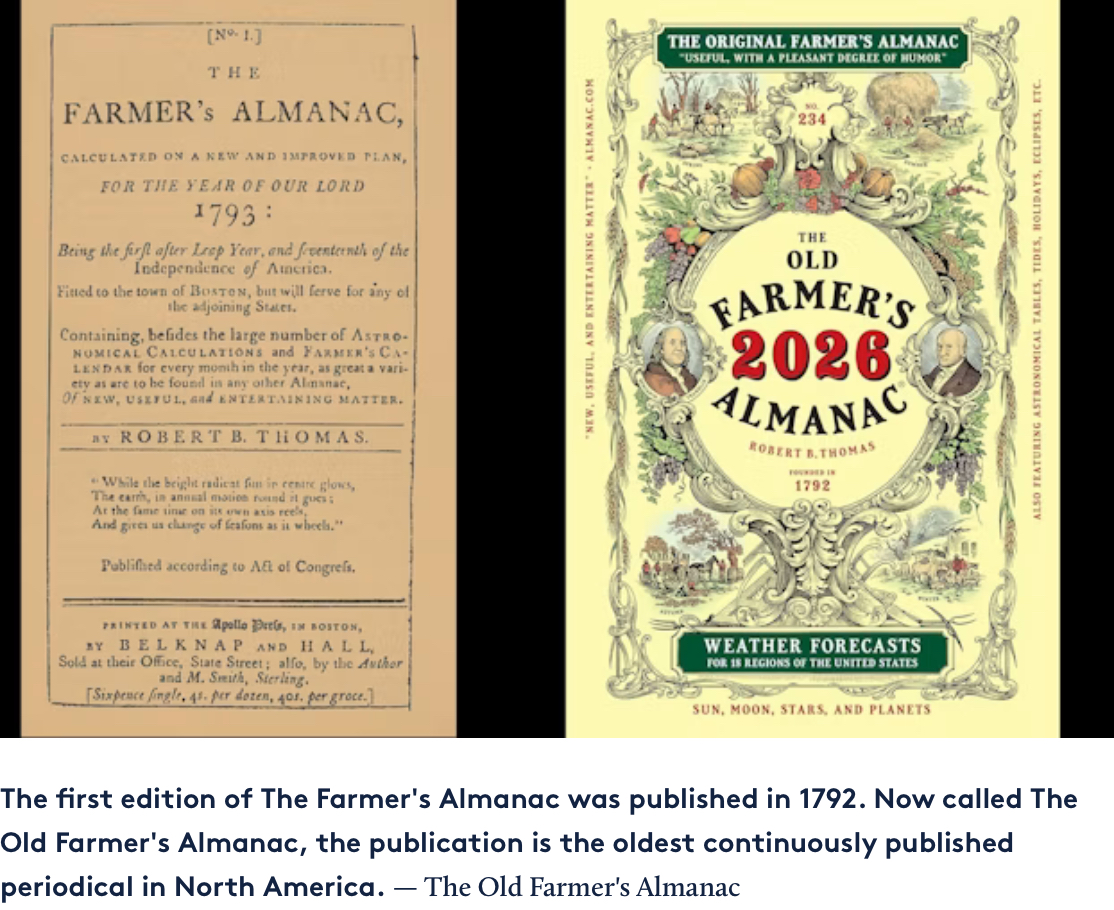
Schoolteacher and bookbinder Robert Thomas published the first edition of The Farmer’s Almanac in 1792 during George Washington’s first term as president. While it was not the only almanac available at the time, circulation quickly grew as readers relied on its astronomical data and long-range weather predictions. Thomas aimed to create a publication that was “useful, with a pleasant degree of humor.” Now known as The Old Farmer’s Almanac, the weather and seasonal living guide is the oldest continuously published periodical in North America, with a circulation exceeding 2.5 million across the United States and Canada. In addition to its annual edition, the brand has expanded into digital platforms, calendars, children’s publications, and a range of gardening guides.
Encyclopaedia Britannica
Founded: 1768
Category: Education/Reference Publishing
A “society of gentlemen in Scotland” published the first edition of Encyclopaedia Britannica, establishing a brand known for authoritative definitions and explanations. From the 1950s through the 1970s, salespeople went door to door, persuading American families to invest in full multi-volume sets. As physical encyclopedias declined with the rise of the internet, Britannica, as it’s now simply called, successfully transitioned to digital publishing. Today, the brand operates global editorial offices and continues to innovate with educational platforms, multimedia products, and efforts to combat misinformation, including via the expanded use of AI.
Probably the most iconic brand ever - Coca Cola.
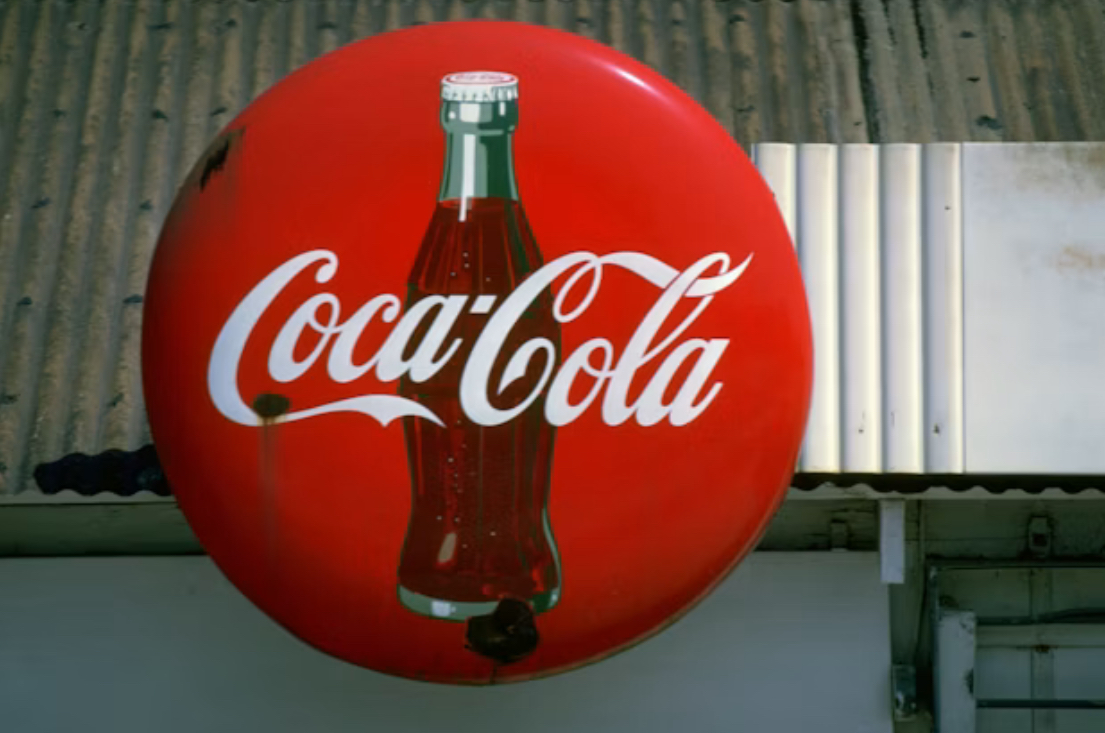
Around the world, every immediately knows and identifies with these logos. They are iconic. They are American.
About the Creator
Guy lynn
I’m interested in history, space travel and the possibilities, Americana,( where I live now), Africa (Southern Africa, where I was born and raised), and I write about things that interest me ( bead history) and I hope will interest you.
Enjoyed the story? Support the Creator.
Subscribe for free to receive all their stories in your feed.
Comments
There are no comments for this story
Be the first to respond and start the conversation.